Tag: industrial competitiveness

  • Bridging Nuclear Technology and Mining: Turkey’s Strategic Role in Critical Minerals Supply Chains

    Bridging Nuclear Technology and Mining: Turkey’s Strategic Role in Critical Minerals Supply Chains

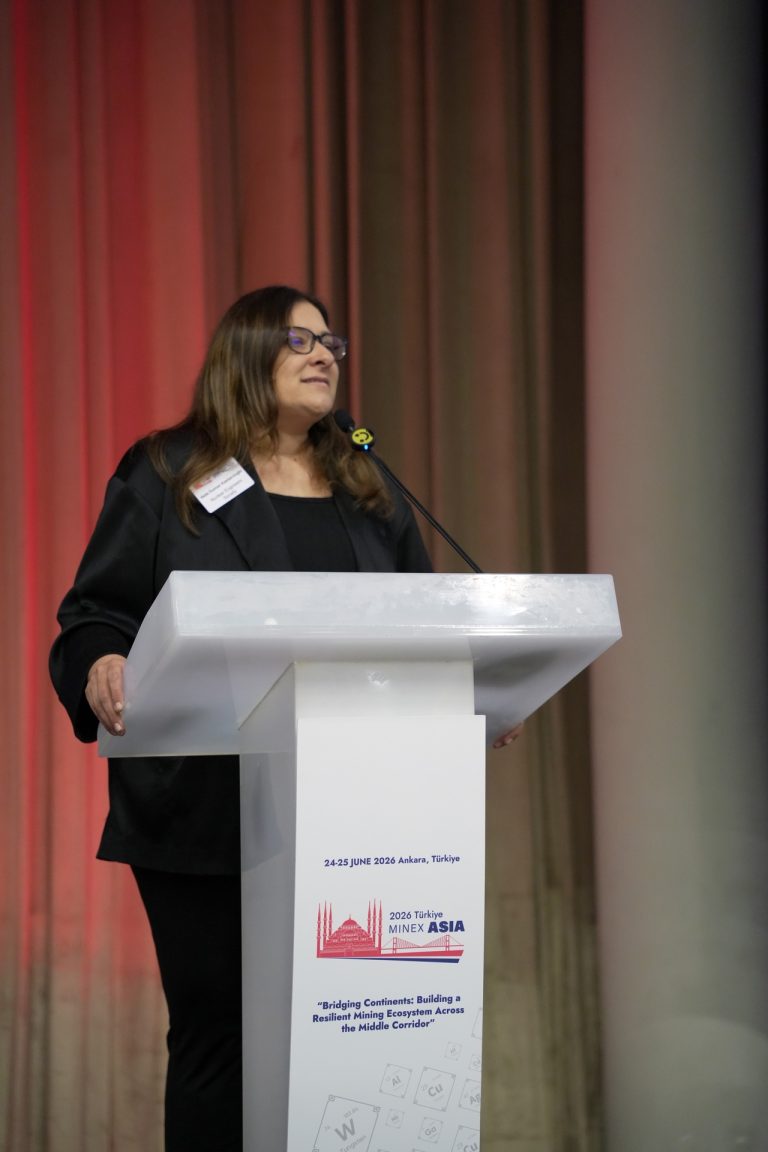
    In a recent presentation, Dr. Kantarcıoğlu, a competence development manager at the Secretariat of Defense Industries and a member of the Nuclear Engineers Society, highlighted the growing interconnection between the nuclear technology and mining sectors. With a background in nuclear engineering, she expressed her surprise at the insights gained from previous speakers and framed her talk as an effort to foster collaboration between these two industries. She posited that critical minerals have transcended their traditional mining context, becoming pivotal to energy security, industrial competitiveness, and technological independence.

    Dr. Kantarcıoğlu emphasised the potential for cooperation among Turkey, the UK, Europe, and Central Asian countries, suggesting that the conversation should extend beyond mere raw material supply to encompass technology and energy infrastructure. She advocated for the evolution of the Middle Corridor, traditionally viewed as a transport route, into a strategic supply line that integrates mineral resources with processing capabilities and global markets. Turkey’s geographical advantages, including its ports and industrial zones, position it as a key player in this emerging corridor.

    The urgency of this positioning is underscored by the rising global demand for critical minerals such as lithium, nickel, and rare earth elements, which are essential for future energy systems and advanced technologies. Dr. Kantarcıoğlu argued that Europe requires a secure and diversified critical mineral supply chain, while Turkey has the opportunity to leverage its resources and industrial capacity to meet this demand. She called for a shift from simple raw material trading to joint investments in processing and technology development.

    A significant aspect of her argument was the role of nuclear technology in the mining sector. She noted that nuclear technology is not only reliant on secure mineral supplies but also actively supports mining operations through various applications. These include exploration analysis, process control, and safety monitoring, with nuclear energy offering a low-carbon power alternative for mining operations, particularly in remote locations that currently depend on costly diesel fuel.

    Dr. Kantarcıoğlu highlighted the potential of small modular reactors (SMRs) and micro reactors to meet the diverse energy needs of mining operations, suggesting that these technologies could provide reliable, long-term energy solutions tailored to specific site requirements. She pointed out that many remote mines face logistical challenges with conventional fuel supplies, making nuclear energy an attractive option.

    Despite the promising prospects, she acknowledged the practical barriers to deploying advanced nuclear technology in mining, including regulatory frameworks, financing, and workforce capacity. However, she argued that a symbiotic relationship could develop, where mining supplies uranium and other critical minerals needed for nuclear systems, while nuclear energy enhances the efficiency of mineral extraction.

    In closing, Dr. Kantarcıoğlu tied her insights back to Turkey’s national context, noting the country’s ambitions to expand its nuclear energy capacity and develop local expertise. She stressed the importance of building coordinated national competencies in the nuclear sector to realise the potential benefits of this convergence. Ultimately, she concluded that the future of the nuclear and mining sectors is intertwined, and Turkey’s strategic positioning could enable it to become a vital industrial anchor in the region, moving beyond its role as merely a transit country.


  • Europe’s Battery Future: Closing the Gap on Raw Materials, Manufacturing and Innovation

    Europe’s Battery Future: Closing the Gap on Raw Materials, Manufacturing and Innovation

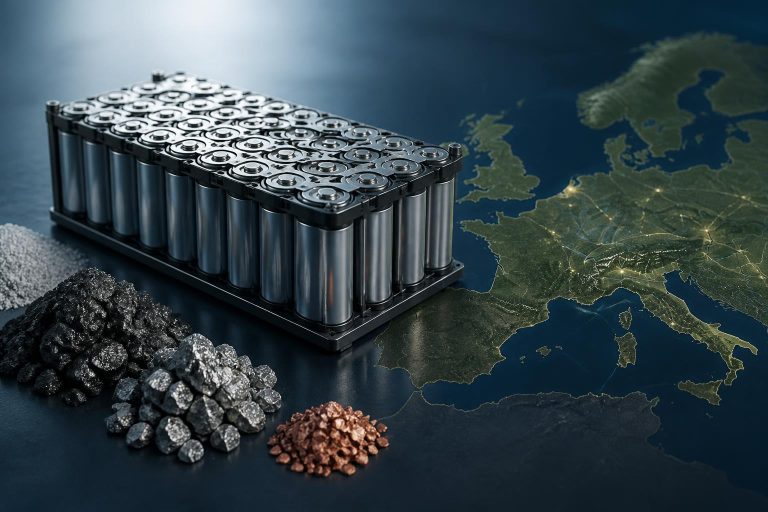
    Europe’s battery sector stands at a decisive juncture, caught between real opportunity and mounting exposure to external dependencies. The Battery R&I Blueprint sets out a roadmap for the continent to build genuine leadership in battery technology — a capability now central not just to automotive, but to energy systems, defence, and electronics alike. With demand accelerating on the back of transport electrification and renewable energy integration, Europe faces a hard truth: it remains heavily reliant on non-European supply chains and continues to lag Asian producers on cost, nowhere more acutely than at the raw materials stage.

    Michael Lippert, Chairman of the Batteries European Partnership Association (BEPA), frames unity — across research, industry and policymakers — as the precondition for progress, warning that fragmented effort will only deepen Europe’s disadvantage. The Blueprint organises the challenge around four interlinked pillars: scope, scale, speed and sustainability, each demanding a coordinated R&I response that spans the full value chain, from mining and refining through to end-use deployment.

    Raw materials and critical minerals sit at the sharpest edge of this challenge. China currently controls more than 90% of global refining capacity for many battery-critical materials, and the IEA estimates that a single month’s disruption to Chinese battery supply exports could wipe out roughly USD 17 billion in EV production globally — with European factories bearing the brunt. Yet this same segment is also where Europe’s opportunity is greatest: raw and advanced materials account for around half of the projected EUR 450 billion global battery value pool by 2030, and upstream margins (20–40% EBITDA) dwarf the thin 5–10% margins typical of cell manufacturing. Europe’s established chemicals and materials base gives it a genuine foundation to compete here, provided R&I investment follows.

    The report calls for deliberate diversification — of both chemistries and applications — to reduce Europe’s overreliance on automotive as its sole commercial anchor. Sodium-ion chemistry, for instance, is highlighted as a route to cobalt-free, lower-cost batteries that eases pressure on critical mineral demand. On the materials side, the Blueprint pushes for low-footprint lithium extraction, refining processes for next-generation raw materials, and flexible recycling capable of handling mixed and low-value feedstocks — alongside design-for-recycling principles that improve recovery rates at end of life. It also flags a specific policy obstacle: the current regulatory classification of black mass restricts its cross-border movement within Europe, hampering the recycling economy the sector needs.

    To carry this forward, the Blueprint proposes a dedicated Batteries Partnership under the next Multiannual Financial Framework (MFF), building on BATT4EU, to close gaps in both production capacity and technological readiness. It also identifies industrial-scale recycling and refining facilities — particularly for black mass processing and critical material recovery — as priority targets for the European Competitiveness Fund and Innovation Fund, given the scale of capital required and the strategic supply-chain sovereignty at stake. National consultations across 13 countries reinforce this: refining and battery-waste processing rank as “High” to “Very High” priorities in most surveyed markets, with Sweden, Denmark, Portugal and Finland placing particular emphasis on this segment.

    Beyond materials, the Blueprint underscores the need for Europe to build domestic manufacturing capacity to meet demand without deepening import reliance — while pursuing next-generation technologies in parallel with scaling today’s production. This dual sprint-and-marathon approach, the report argues, is what will let Europe close the competitiveness gap while building lasting technological independence.


  • Heavy Industry Issues “Code Red” for Europe: Urgent Call to Halt 2026 Carbon Cost Hikes

    Heavy Industry Issues “Code Red” for Europe: Urgent Call to Halt 2026 Carbon Cost Hikes

    BRUSSELS – In a major intervention aimed at the highest levels of EU governance, Euromines and a coalition of Europe’s energy-intensive industries (EIIs) have issued a stark warning: without immediate policy intervention, the continent faces “irreversible deindustrialisation.”

    The joint statement, released on 2 February 2026, comes at a critical juncture for European manufacturing. Highlighting a “deteriorating fast” situation, the industry group revealed that production levels in some sectors plummeted by as much as 40% in 2025.


    Key Alarms: A Sector in Retreat

    The coalition, representing a turnover of €1.5 trillion and 6.6 million employees, argues that the backbone of Europe’s strategic autonomy—including steel, cement, chemicals, and mining—is crumbling under three main pressures:

    • Sky-High Energy: Costs remain twice as high as pre-crisis levels.

    • Crushing Carbon Prices: CO2 prices are now roughly four times higher than in 2020, far outpacing international competitors.

    • Global Trade Headwinds: Unfair trade practices, exacerbated by aggressive US tariffs and state-induced global overcapacities, have left European firms unable to compete.

    “In 2025 alone, an estimated 200,000 jobs were lost in these sectors. This is a critical situation at a time when self-sufficiency is becoming increasingly important,” the statement warns.


    The “Four Pillars” of Survival

    As EU leaders prepare for an informal summit on competitiveness on 12 February, the industry is demanding a “Clean Industrial Deal” with four immediate priorities:

    1. Freeze Carbon Cost Hikes: A total pause on any planned increases in carbon costs for 2026. The group warns that upcoming reductions in “free allocations” could slash support by up to 34%, a move they label “detrimental.”

    2. Target €50/MWh Energy: Aligning with the landmark Draghi Report, industries are calling for all levers to be pulled to bring industrial electricity costs down to €50/MWh to make electrification viable.

    3. Aggressive Trade Defense: Rapid deployment of Trade Defence Instruments (TDIs) to counter “economic coercion” and non-EU imports produced under lower environmental standards.

    4. “Proudly Made in Europe” Demand: New rules in public procurement to prioritise European-made products, ensuring that the EU’s high environmental and social standards are reflected in market demand.


    Looking Ahead

    The timing of this statement is no coincidence. It serves as a direct “input” for the 12 February retreat at Alden Biesen Castle, where European Council President António Costa has invited former Italian PMs Mario Draghi and Enrico Letta to discuss a radical overhaul of the Single Market.

    With carbon prices projected by some analysts to reach €100/t in early 2026, the industry’s message is clear: Europe cannot afford to pay for tomorrow’s climate goals by bankrupting today’s industrial base.

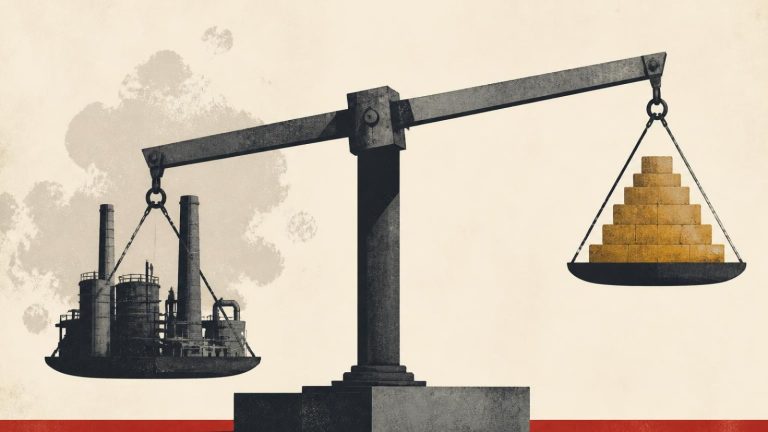
  • Euromines President Stresses Balance Between EU Climate Goals and Industrial Competitiveness

    Euromines President Stresses Balance Between EU Climate Goals and Industrial Competitiveness

    At the Strategic Dialogue on Steel, hosted by European Commission President Ursula von der Leyen, Euromines President Jan Moström (LKAB) underscored the need to balance EU climate ambitions with industrial competitiveness. Speaking at the event, Moström highlighted key priorities for ensuring a sustainable and resilient steel sector in Europe.

    He emphasized that electric arc furnace (EAF) steelmaking powered by low-carbon electricity is the future of decarbonization. To build resilient value chains, he stressed the necessity of combining scrap and direct reduced (DR) pellets, while also acknowledging the scarcity of high-grade iron ore.

    Moström also called for a robust Omnibus permitting framework to unlock sustainable raw materials and boost renewable energy capacity. Additionally, he urged the EU to implement an Affordable Energy Action Plan, advocating for electricity market reform to curb volatility and attract investment.

    For Europe’s clean industrial future, securing affordable, fossil-free electricity and reliable raw materials is essential to maintaining a competitive and resilient minerals mining industry.