Website: Asia.com

  • Celebrating 30 Years of Kazakhstan-France Joint Venture at KATCO

    Celebrating 30 Years of Kazakhstan-France Joint Venture at KATCO

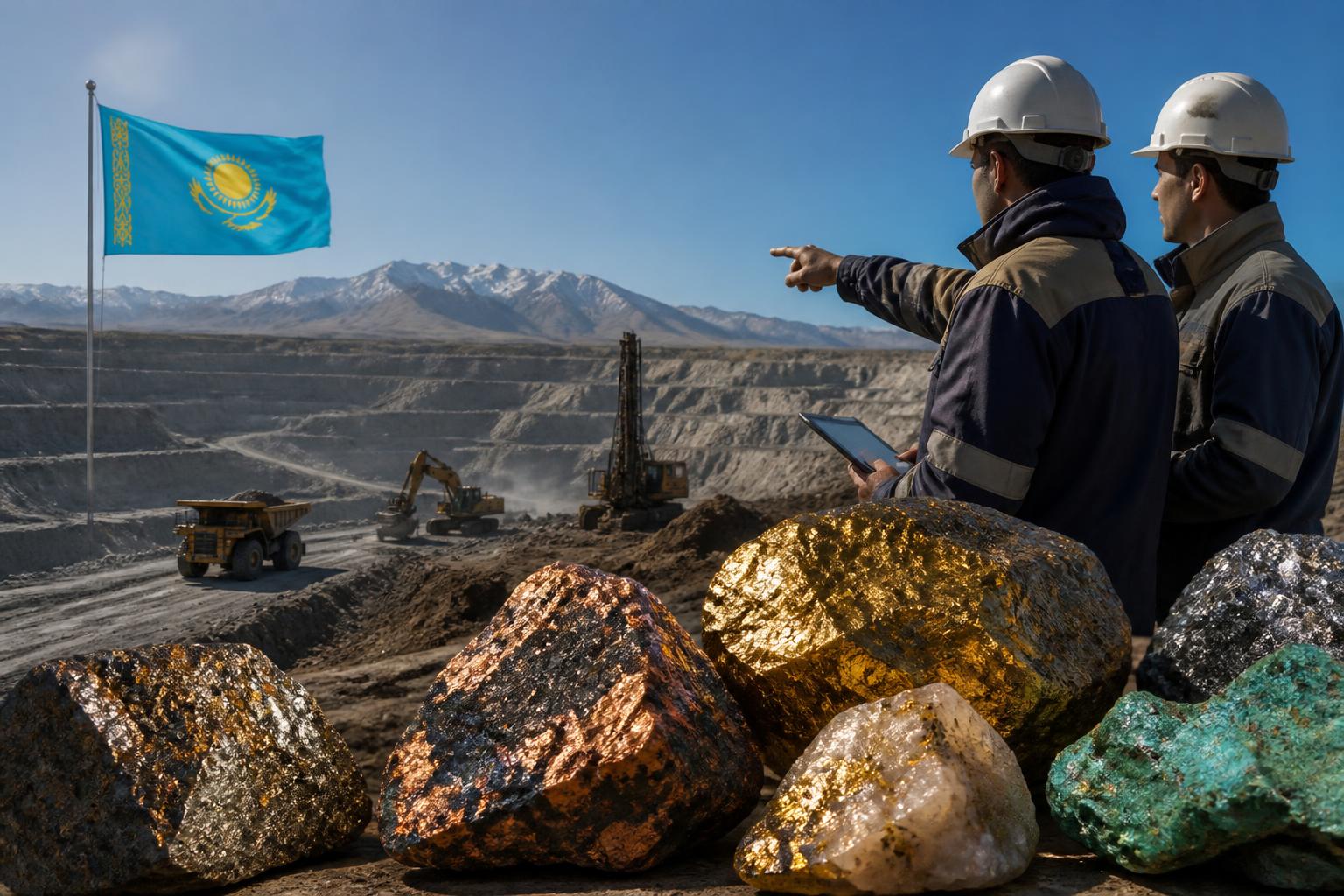
    On 2 September, the Kazakhstan-France joint venture celebrated its 30th anniversary at the Shanyrak basecamp in Sozak District, Turkestan Region. The event was attended by key figures including Zulfukhar Zholdassov, First Deputy Akim of Turkestan Region, and Sylvain Guiaugue, the French Ambassador to Kazakhstan, alongside various stakeholders from the mining industry. The ceremony highlighted the significant milestones achieved by KATCO, which has transformed from a site with minimal infrastructure to a leading uranium producer, reaching a production capacity of 4,000 tonnes per year by 2026.

    Since its inception, KATCO has made substantial contributions to the national economy, paying KZT 460 billion into the budget and placing KZT 836 billion in orders with local suppliers. The company has also invested KZT 8.2 billion in over 500 social projects within the Turkestan Region and Sozak District, showcasing its commitment to community development. The workforce, comprising 1,363 employees—99% of whom are Kazakh citizens—has maintained an impressive safety record, working over two years without a lost-time injury.

    During the anniversary celebration, long-serving employees were recognised with state and regional awards, alongside KATCO Certificates of Honour. The event concluded with a screening of an anniversary film and a gathering of teams working on-site, reflecting on the journey of the company and the partnerships that have been crucial to its success since 1996. The ceremony served not only as a commemoration of past achievements but also as a reaffirmation of KATCO’s ongoing commitment to safety, community engagement, and sustainable mining practices.


  • Sandvik Unveils Enhanced Toro® TH663i I Gen2 Underground Truck

    Sandvik Unveils Enhanced Toro® TH663i I Gen2 Underground Truck

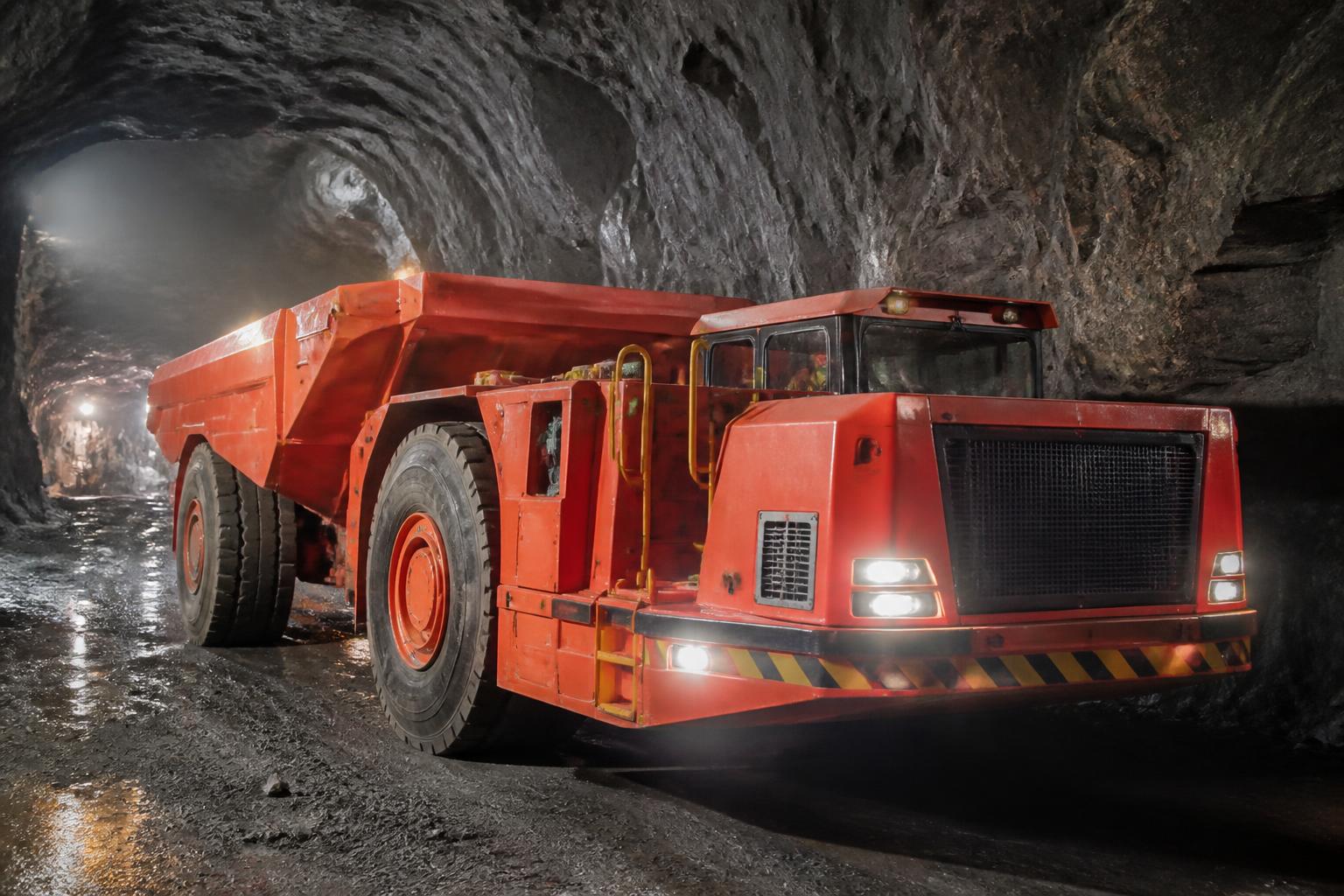
    Sandvik has launched the Toro® TH663i I Gen2 underground truck, marking a significant advancement in its 63-tonne haulage platform. This latest iteration incorporates over 30 enhancements aimed at boosting reliability, productivity, operator safety, and total cost of ownership for underground mining operations. The updates are a result of continuous improvement, operational experience, and valuable customer insights, ensuring that the truck meets the evolving needs of the mining industry.

    Performance data from existing underground operations indicates notable improvements when compared to earlier models of the Toro® TH663i. Specifically, the new truck boasts a 25% reduction in mean time to repair (MTTR) and a 12% increase in mean time between failures (MTBF). These enhancements translate to an impressive gain of over 170 additional operating hours per truck each year, providing operators with greater efficiency and productivity.

    Esa-Pekka Kantola, Product Line Manager for Load and Haul at Sandvik Mining, emphasised the importance of reliability in performance, stating, “Customers are looking for predictable performance they can rely on every shift.” The Toro® TH663i I Gen2 has been refined based on years of operational experience, ensuring that it not only meets but exceeds customer expectations in terms of productivity and cost management.

    Rather than undergoing a complete redesign, the Toro® TH663i I Gen2 builds on the established foundation of its predecessor, integrating accumulated improvements across various components, including the engine, electrical systems, powertrain, software, and structural systems. This strategic approach allows for a seamless transition for operators familiar with the previous model while enhancing the overall performance and durability of the truck.

    The comprehensive updates are designed to increase equipment availability, enhance durability, improve serviceability, and support lower costs per tonne throughout the equipment’s lifecycle. Additionally, the Toro® TH663i I Gen2 is compatible with Sandvik’s digital and automation technologies, such as My Sandvik Digital Services and AutoMine® solutions, and is backed by Sandvik’s extensive global parts, service, and training network, ensuring that operators have the support they need to maximise their investment.


  • Tarutinskoe LLC to Commence Copper Mining at East Tarutinskoe Deposit in Kazakhstan

    Tarutinskoe LLC to Commence Copper Mining at East Tarutinskoe Deposit in Kazakhstan

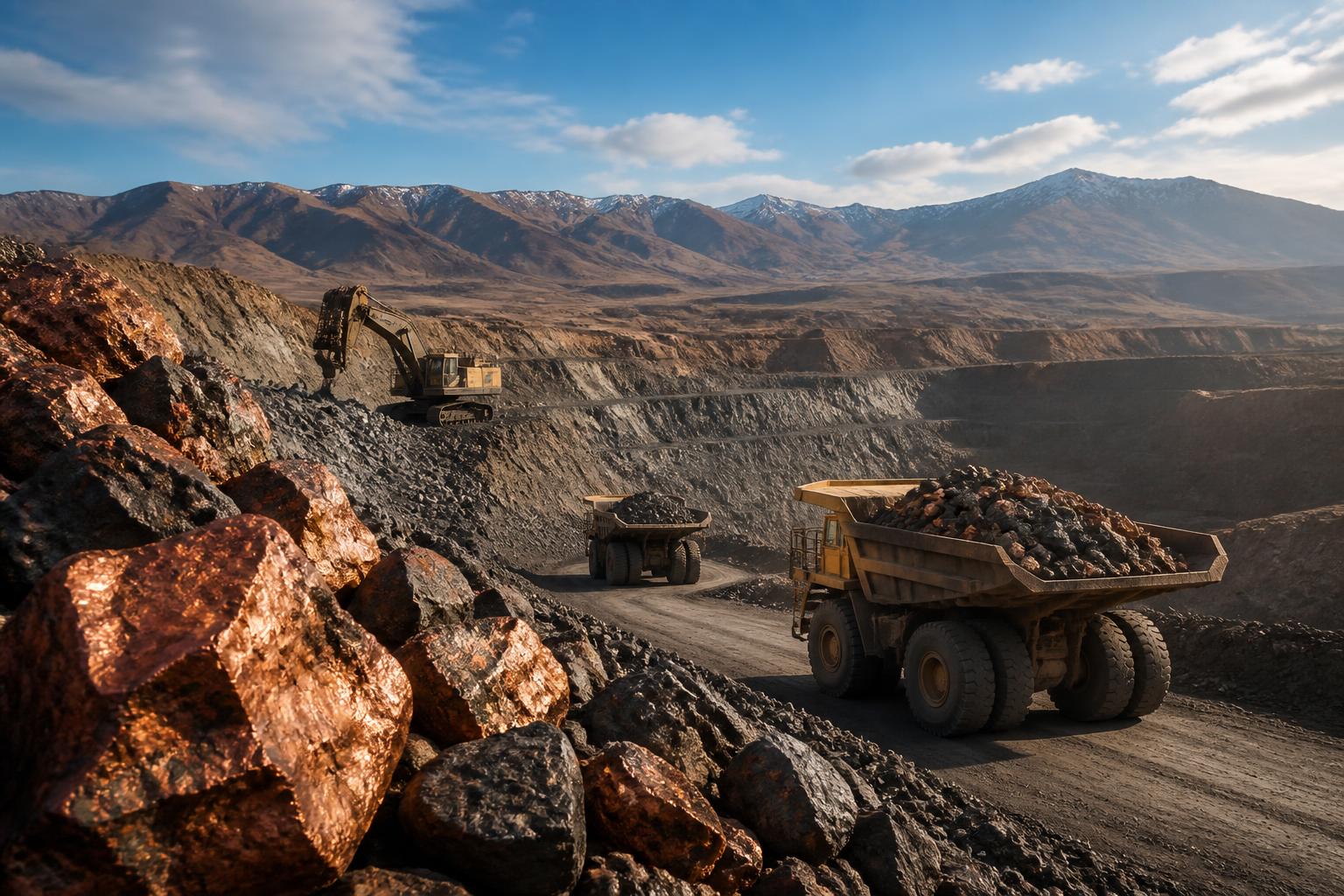
    TARUTINSKOE LLC has announced plans to initiate copper mining operations at the East Tarutinskoe deposit located in the Karabalyk district of Kazakhstan’s Kostanay region. According to documentation released for public hearings, the mining operations will be conducted using open-pit methods, incorporating blasting techniques. The deposit comprises two sections, Northern and Southern, separated by approximately 2 km. The surface area designated for mining at the East Tarutinskoe deposit is 4.76 km², with a mining depth of 112 m. The planned timeline for the project spans from 2027 to 2032, with the preparatory phase set for 2027 and the main mining activities scheduled from 2028 to 2032.

    The mining plan indicates that both oxidised and sulphide ores will be extracted to an economically viable depth, based on the reserves approved by the state commission in 2021. The maximum annual production capacity of the quarries is projected at 500,000 tonnes of ore, depending on the lifespan of the mining enterprise and its reserves.

    Currently, no work has commenced at the site, and the necessary infrastructure, including transportation, is entirely absent. Given the timelines for land allocation, engineering surveys, and the development of project documentation for construction, the start of mining operations is anticipated for 2028.

    The East Tarutinskoe deposit is situated 175 km northwest of Kostanay and 55 km from the district centre of Karabalyk. A railway line runs from north to south near the site, with the nearest railway station, Boskol, located 15 km away. The western boundary of the contract territory is aligned with the state border of the Russian Federation, making the Tarutinskoe deposit a cross-border resource. An intergovernmental agreement was signed regarding its division, with the main Russian section located in the Chelyabinsk region.

    Exploration of the ore field began in 1946, with the first reserve estimates made in 1965. The discovery of the East Tarutinskoe ore manifestation was linked to geological re-exploration and general searches for copper porphyry-type ores in the Solenozyersky area in 1988. Between 2005 and 2007, geological re-exploration of the border areas with Russia was conducted, clarifying the geological structure and assessing the prospects of mineralisation.

    From 2011 to 2013, TARUTINSKOE LLC undertook comprehensive geological exploration, primarily involving drilling activities. During this period, the Kostanay exploration expedition conducted magnetic and electrical surveys. The results of these studies led to the development of approved evaluation conditions by the State Commission on Mineral Reserves of Kazakhstan (GKZ RK), with estimated reserves of copper, gold, and silver recognised in the author’s version.

    In 2019-2020, significant drilling work was performed, alongside hydrogeological and technological studies in collaboration with the VNIICvetmet Institute, resulting in the development of ore processing technology for the deposit. As of early 2021, the balance of copper ore reserves at the East Tarutinskoe deposit was recorded at 2,028,500 tonnes, containing 22,100 tonnes of copper, with an average metal content of 1.09 grams per tonne. Additionally, off-balance reserves reached 9,752,500 tonnes, containing 69,700 tonnes of copper with a content of 0.7 grams per tonne.

    The deposit also holds balance reserves of silver at 5.6 tonnes with a content of 2.76 grams per tonne, and gold reserves of 88.5 kg within 227,000 tonnes of ore, averaging 0.39 grams per tonne. Off-balance reserves of these precious metals are reported at 27.4 tonnes and 297.5 kg, with contents of 2.81 and 1.19 grams per tonne, respectively. TARUTINSKOE LLC is owned by KM Kazakh Mining Company, which previously owned the Aktobe Copper Company, formerly associated with the Russian Copper Company.


  • Kazakhstan Registers 54 New Mineral Deposits, Boosting Resource Reserves

    Kazakhstan Registers 54 New Mineral Deposits, Boosting Resource Reserves

    In a significant development for Kazakhstan’s mining sector, the government has announced the registration of 54 new mineral deposits between 2024 and 2025. This move has resulted in a notable increase in the country’s mineral resources, including an additional 157.2 tonnes of gold, 9,400 tonnes of silver, and 122,700 tonnes of copper. The Ministry of Industry and Construction reported that 35 deposits were registered in 2024, comprising 23 solid minerals, six hydrocarbon resources, and six underground water sources. In 2025, a further 19 deposits were added, including 17 solid minerals, one hydrocarbon resource, and one underground water source.

    The increase in mineral reserves is significant, with notable additions across various minerals. The updated figures include 927,000 tonnes of chrome ore, 171,900 tonnes of zinc, 114,800 tonnes of lead, and 262.2 million tonnes of iron ore. Additionally, the country has identified 199 million tonnes of oil and 22 billion cubic meters of gas, alongside 104,148 cubic meters per day of underground water. Overall, Kazakhstan now has approximately 10,000 registered mineral deposits, with 935,400 tonnes of forecasted rare earth metal resources identified in prospective areas.

    The search for critical and strategic minerals, essential for industrial development and new technologies, has become a key focus for the government. Among these minerals are gold, copper, polymetals, lithium, tungsten, molybdenum, as well as rare and rare earth metals. Kazakhstan possesses a resource base for several of these materials, with significant lithium deposits located at Karagailyaktas, Akhmetkino, and Akhimirovskoye. The largest molybdenum deposits are found in the Karaganda region, including Koktenkol, Verkhne-Kairaktinskoe, and Northern Katpar, while the Aбай region features the notable Aydarly deposit.

    Rare and rare earth metals play a crucial role in modern technologies and prospective industries. Their development is important not only for the raw materials sector but also for the broader industrial advancement of the country. Currently, research has been completed on 11 sites included in the exploration programme, with the Kuyraktykol site in the Karaganda region identified as particularly promising. High forecasted concentrations of rare earth metals such as La, Ce, Nd, and Y have been reported, with total forecasted resources across the sites amounting to 935,400 tonnes. Additionally, reserves in the C2 category have been estimated at 795,800 tonnes in the Irgyz area, with further potential identified at sites like Kenkuduk, Rzhavaya Sopka, Mirolubovsky, Bokai, and Kuneoy.

    The government-funded geological works are part of a budget programme aimed at ensuring the rational and comprehensive use of subsoil resources and enhancing geological knowledge of the territory. For the years 2024-2026, the state budget allocation for these activities totals 62.4 billion tenge, with 6.6 billion tenge earmarked for 2024, 7.9 billion tenge for 2025, and 47.9 billion tenge for 2026. The programme encompasses regional geological surveys, exploration and assessment works, which are expected to improve the quality and completeness of geological information necessary for both state management of subsoil resources and the activities of subsoil users.

    As part of these efforts, data from paper records is being digitised. A unified subsoil use platform has been established, featuring a map of Kazakhstan’s subsoil use, which currently hosts 66,100 initial geological report volumes, linked to 109,500 study contours. Furthermore, over 4.8 million units of primary geological information have been digitised, including approximately 4.3 million sheets of paper records, 355,000 graphic applications, 97,000 magnetic tapes, and 62,000 cartridges. This digitisation effort significantly enhances the accessibility of geological materials for users, allowing investors and subsoil users to access reports and evaluate the potential interest of specific areas without solely relying on paper archives.
  • ERG Exploration to Liquidate Several Subsidiaries Amid Strategic Shift

    ERG Exploration to Liquidate Several Subsidiaries Amid Strategic Shift

    Eurasian Resources Group (ERG) has announced the liquidation of several of its subsidiaries under ERG Exploration, as detailed in its consolidated report for 2025. ERG Exploration primarily focuses on the exploration and development of mineral deposits, providing a full range of geological exploration services including design, fieldwork, geophysical studies, and drilling operations. The decision to dissolve these subsidiaries, namely TOO ‘Nadezhdinskoye’, TOO ‘Zharkulskoye’, and TOO ‘Yeltai-4’, was approved by the group’s owners in May 2026.

    The report indicates that the projects of the subsidiaries earmarked for liquidation were associated with the exploration or preparation for the extraction of iron ore. ERG Exploration held an 85% stake in both ‘Nadezhdinskoye’ and ‘Zharkulskoye’, while it owned an 81% stake in ‘Yeltai-4’, with the remaining shares held by the Tobol SPC.

    In May 2023, the company initiated the process of returning contracted territory to the state, in compliance with the Republic of Kazakhstan’s Code on Subsoil and Subsoil Use. As of 31 December 2025, the return of the contracted territory for ‘Yeltai-4’ had not been completed, as noted in the report.

    Recent reports from the Telegram channel Metals & ESG Trends suggest that Qarmet may acquire ERG’s iron ore asset in the Kostanay region, the Sokolovsko-Sarbayskoye Mining and Processing Plant (SSGPO). This potential acquisition could indicate a reduced interest from the Eurasian Group in iron ore exploration moving forward.

    By the end of 2025, ERG Exploration held 18 licenses, three of which were extended last year until 2030 for the Taukatukolsky and Tykbustak sites in the Aktobe region, as well as the Maybalik site in the Akmolinsk region. This year marks the expiration of the license for the Aktasy-Zhandaurskoye area in the Aktobe region.

    The company retains rights to subsoil use until 2028 for several areas including Voroninsky, Shvabrinsky, Sorkol, Uymola, and the western and eastern Bakay in the Aktobe region. Additionally, ERG Exploration has licenses valid until 2029 for sites such as Sorkol-West, Bakay-North, and South Kemirsay in Aktobe, as well as two licenses for Adylbay and Karabas in the Karaganda region. Rights to the North Shulidak area in Aktobe and the Spiridonovskaya area in Kostanay are valid until 2030.

    In terms of financial performance, ERG Exploration reported revenue of 5.3 billion tenge for 2025, alongside a loss of 325 million tenge for the year, highlighting the challenges faced by the company in the current market environment.


  • Erdenet Mining Corp Embraces Digital Transformation for Sustainable Operations

    Erdenet Mining Corp Embraces Digital Transformation for Sustainable Operations

    Erdenet Mining Corp, located on the outskirts of Mongolia’s second-largest city, Erdenet, is undertaking a significant digital transformation to enhance its operations at one of the country’s largest porphyry-copper deposits. With an annual processing capacity of 32 million tons of ore, producing 130,000 tons of copper concentrate and over 10,000 tons of molybdenum concentrate, the company is focused on optimising its operations through innovative technology. The chief operations officer, Batmunkh, emphasises the necessity for innovation within the mining sector, stating that the company has established an Innovation Center aimed at modernising its practices to match global standards.

    Historically reliant on paper-based data, Erdenet faced challenges in resource estimation and decision-making due to the cumbersome nature of managing vast amounts of information. The introduction of Seequent software in 2018 marked a turning point, enabling the exploration department to model geology using Leapfrog Geo and process geophysical data with Oasis montaj. This transition to digital has significantly improved efficiency, allowing for near real-time access to insights and models via Seequent Central, a cloud-based data management solution.

    The digitisation of historical data has streamlined operations, reducing the time required for 3D design and resource estimation from months to mere hours. This advancement has fostered collaboration among the 32 departments within Erdenet, breaking down silos and ensuring that all teams can work together effectively. Senior geologist Amarzaya notes that the quality of work has improved, with manual errors reduced and tasks completed in a fraction of the time previously required.

    As a government-run entity, Erdenet is committed to providing accurate information to stakeholders, including investors and regulatory authorities. The integration of advanced mining software has enhanced the company’s ability to deliver precise data, facilitating better decision-making processes. Looking ahead, Erdenet is not only focused on operational efficiency but is also preparing for future challenges, including mine closure and environmental remediation. The Innovation Center is exploring advanced solutions for tailings and dam modelling, ensuring that Erdenet is well-equipped for sustainable mining practices in the years to come. With a projected operational lifespan of another 60 years, the future of Erdenet Mining Corp appears promising, driven by its commitment to innovation and sustainability.


  • Türkiye’s R&D and Production Vision in the Rare Earth Elements Ecosystem

    Türkiye’s R&D and Production Vision in the Rare Earth Elements Ecosystem

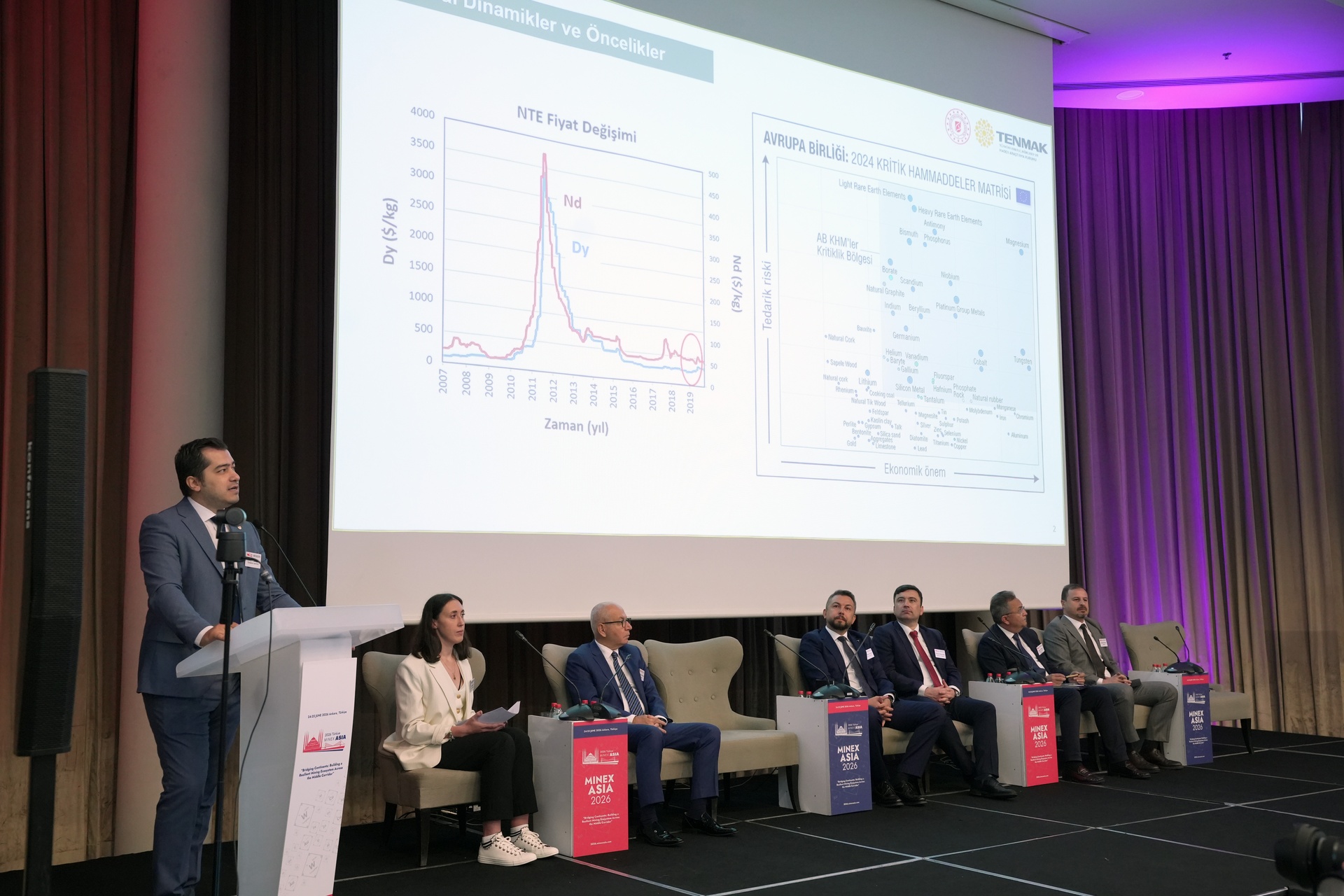
    Hüseyin Çaldırak traced global rare earth (REE) awareness to a 2010 China-Japan dispute that triggered export restrictions and market volatility, prompting the EU to launch its Critical Raw Materials framework in 2011, with updated lists every three years since. Roughly 9-10 other countries now publish similar lists, typically converging on materials with high supply risk and economic importance — REEs feature prominently due to wind turbine and EV applications, with defense uses carrying outsized strategic weight despite smaller volumes.

    He detailed China’s dominance across the REE value chain, illustrated by Lynas Corporation processing Australian ore but relying on Malaysia for purification, with China now requiring export licenses for any product containing Chinese-origin REE content. He noted REE economics vary sharply by element: cerium and lanthanum comprise about half of REE volume, while neodymium, praseodymium, dysprosium, and terbium represent roughly 96% of market value despite scarcity.

    He described the EU’s 2024 Critical Raw Materials Act setting concrete targets — no single country supplying over 65% of any material, with minimums of 10% domestic mining, 40% processing, and 25% recycling — alongside similar strategies emerging across the US, Australia, Canada, and 25+ other countries in the past year.

    A major focus was the US approach, including a policy effective January 2027 barring magnet production stages from China, Russia, Iran, or North Korea. He highlighted Mountain Pass’s ten-year MP Materials partnership plus agreements with Lynas and Serra Verde, which establish price floors regardless of spot prices. He noted Serra Verde’s ore grade is just 0.12% — far below Turkey’s often-criticized 2% at Beylikova — arguing this shows US willingness to invest despite lower ore quality.

    On recycling, he cited European magnet recycling processing only 4,000-5,000 tons annually, with the EU’s 25% target currently realized at under 1%, though the IEA projects recycling could reduce virgin REE mining needs by up to 35% by 2050.

    Turning to Turkey, he presented Beylikova’s figures: roughly 694 million tons at ~2.5% grade, yielding potentially 12.5 million tons of reserves — enough to rank third globally, pending international certification. If state miner Eti Maden reaches 10,000 tons annual production with 30% yearly growth, Turkey could become self-sufficient in REE for domestic wind needs and potentially an exporter. He walked through demand modeling: wind turbines require ~650 kg of neodymium-iron-boron per megawatt (~165 kg REE), and Turkey’s planned growth from 15 GW to 48 GW by 2035 would require roughly 3,500 tons of REE — demand Beylikova could fully satisfy.

    He outlined institutional history: REEs entered the 11th Development Plan, leading to the Institute’s 2018 founding, 2020 integration into NADEM, and the 2025 Ministry Critical and Strategic Minerals Report, which he described as Turkey’s only report built on genuine mathematical modeling rather than qualitative lists.

    He detailed technical achievements: upgrading Beylikova’s 2% concentrate to over 30% REE oxide at above 80% efficiency, plus high-yield barite and fluorite concentrates; achieving over 99% purity mixed oxides; and developing a domestic mixer-settler separation system with Istanbul Technical University. On secondary sources, he cited successful extraction from fluorescent lamps, waste magnets, PCB boards, and hard drives, including a prototype domestic magnet from recycled materials, plus ongoing work on mining waste, geothermal sources, and partnerships with Turkey’s coal institutes showing promising Zonguldak results.

    He closed by listing end-product goals — permanent magnets, optical and polymeric nanocomposites, magnetic materials — alongside EU Horizon project participation and infrastructure spanning ore beneficiation labs and dedicated magnet R&D facilities.


  • The Role of Geochemical and Metallurgical Laboratories in Mining Value Chain Data

    The Role of Geochemical and Metallurgical Laboratories in Mining Value Chain Data

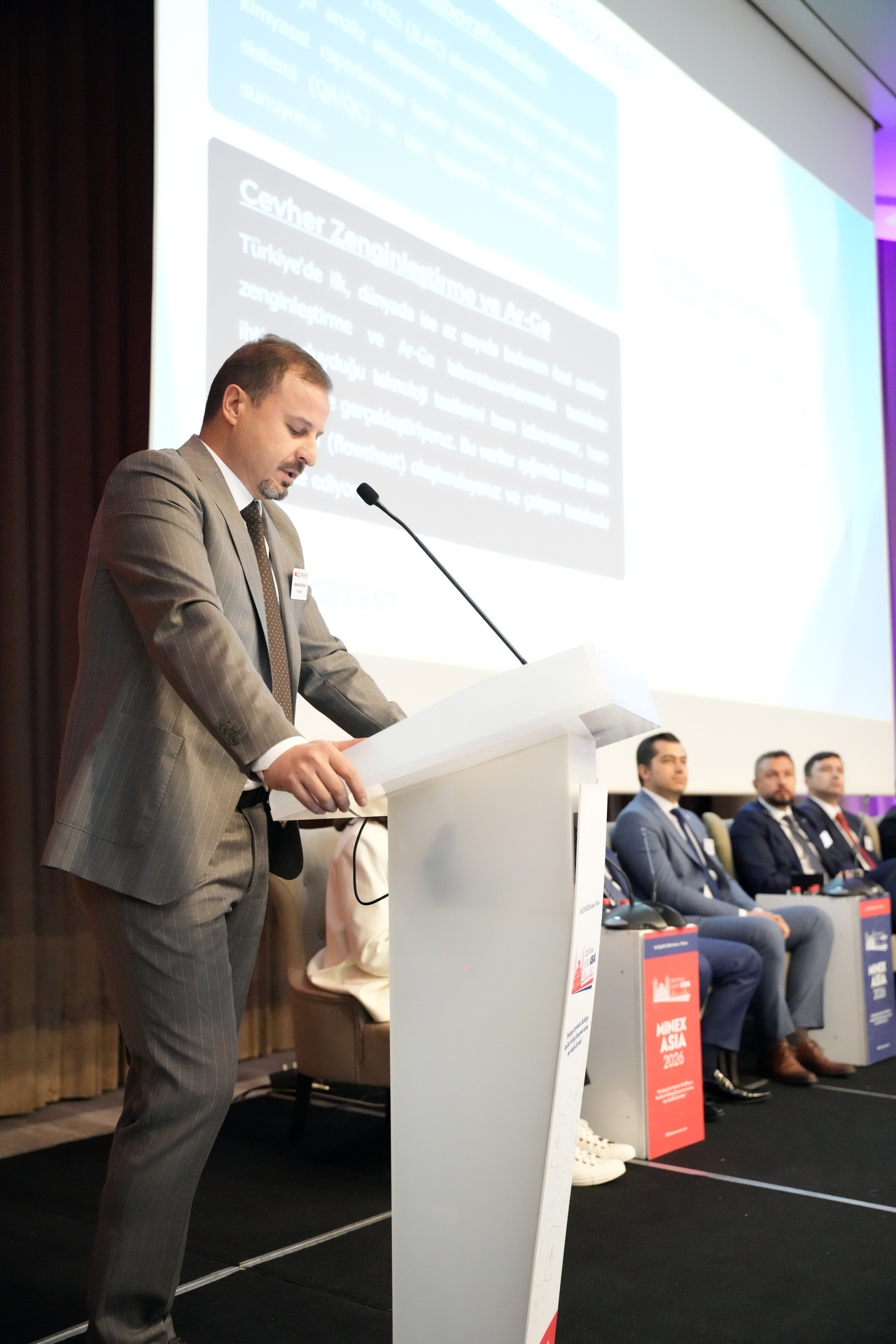
    Abdullah Buhur opened by shifting focus away from the large machinery and infrastructure typically associated with mining, toward a less visible but critical component: data. He argued that modern mining requires precisely and thoroughly characterizing ore composition before extraction even begins, and positioned his talk around the role geochemical and metallurgical laboratories play in generating end-to-end data across the mining value chain.

    He introduced ARGETEST, founded in Ankara in 2012 with the explicit goal of functioning not merely as a testing center but as a decision-support mechanism shaping the future of mining projects. He described the company as operating Turkey’s first, and among the world’s few, private ore beneficiation and R&D laboratories, capable of designing plant process flowsheets and optimizing existing operational facilities for greater efficiency and economic performance. He noted the company’s high-technology geochemical analysis labs offer full traceability from sample intake through reporting.

    He emphasized that data credibility today is measured by international recognition, citing ARGETEST’s ISO 9001, 14001, and 45001 certifications alongside ISO/IEC 17025:2025 laboratory accreditation — framing these not as mere certifications but as guarantees recognized by international banks and stock exchanges that partner companies rely on.

    Acknowledging that mining rarely happens in convenient urban locations, he described the company’s mobile, containerized field laboratories, which bring accredited testing infrastructure directly to remote mine sites, minimizing delays and allowing engineers to view results in near real-time. He noted this approach has already expanded internationally, with the company’s first overseas laboratory established in Tashkent, Uzbekistan, and plans underway to establish facilities in three additional countries.

    Returning to the core theme of data value, he explained that mining involves enormous capital risk, and that a single flawed geological or chemical data point can lead to incorrect process design — potentially rendering an entire facility economically nonfunctional. He noted that international reporting standards (JORC, NI 43-101, UMREK) depend fundamentally on accredited, independent laboratories producing statistically repeatable, verifiable, and traceable analytical results.

    He organized laboratory contributions across four project phases: exploration (identifying potential through geochemical analysis), feasibility (determining optimal ore recovery process flowsheets), production (continuous plant optimization via real-time data), and closure (environmental toxicology testing to fulfill environmental responsibilities). He detailed technical processes within each phase — including sample preparation standards, QA/QC protocols using blanks, duplicates, and certified reference materials, and metallurgical testing methods like comminution testing and predictive process modeling.

    He reiterated the earlier point about the outsized financial impact of even small measurement errors in recovery rates, framing laboratory investment as one of the lowest-cost yet highest-impact investments relative to total project capital. He closed by discussing digital data integration — barcode-tracked samples, direct digital data transfer without manual handling, and continuous system interconnection — designed to minimize human error toward near-zero levels, and reaffirmed ARGETEST’s commitment to expanding its footprint from Turkey through Central Asia and beyond as a trusted partner across the mining value chain.


  • What Should Change in Turkey’s Mining Legislation and National Mining Policy Principles

    What Should Change in Turkey’s Mining Legislation and National Mining Policy Principles

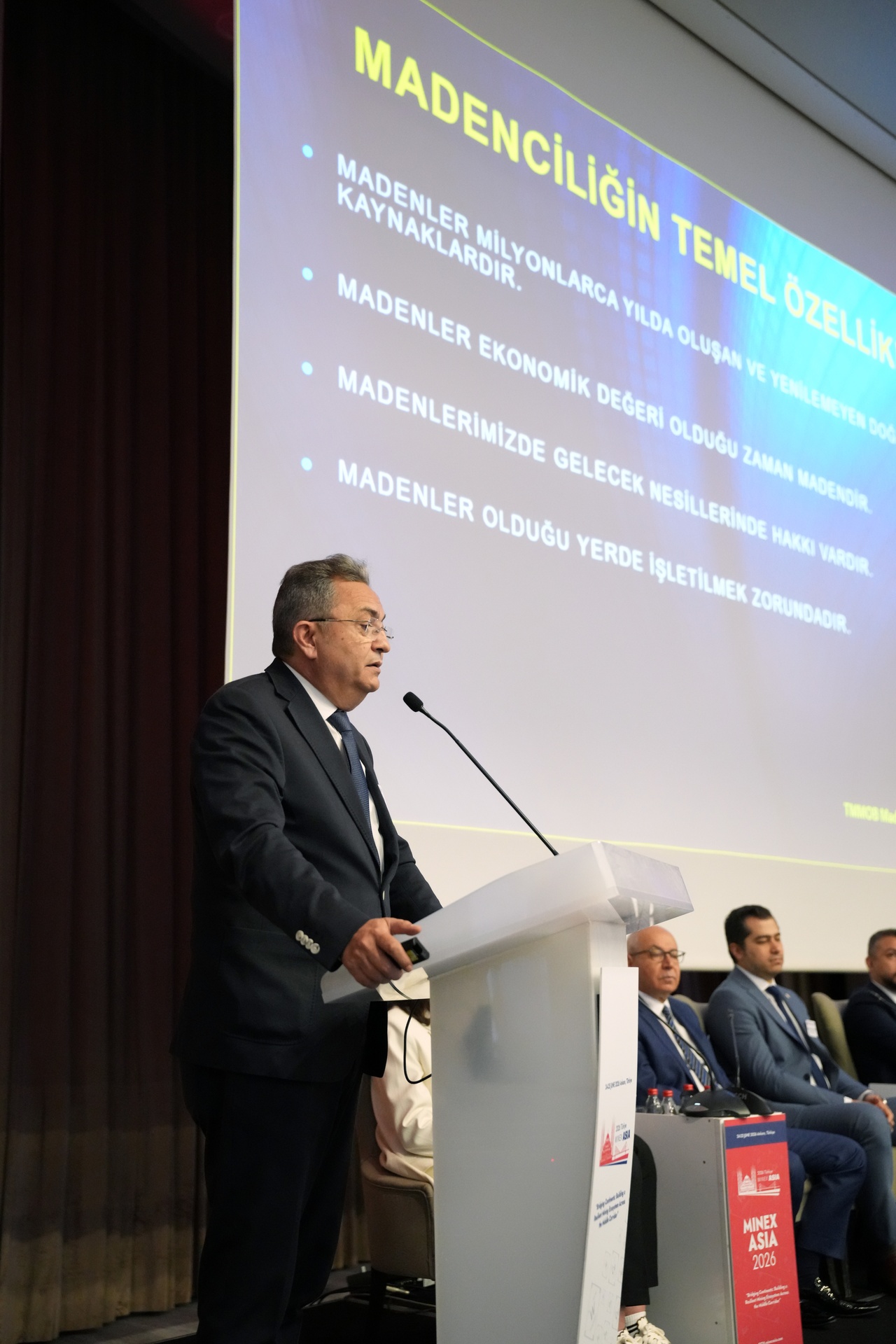
    Ayhan Yüksel, representing Turkey’s Chamber of Mining Engineers, opened with foundational principles necessary to understand mining regulation: mines are non-renewable resources formed over millions of years; whether something qualifies as an economically or technologically viable “mineral” can change over time with shifting economic and technological conditions; minerals belong partly to future generations; and mining must be conducted where deposits are physically located, since they cannot be relocated.

    He traced Turkey’s mining legislative history, starting with the original 1954 Mining Law (No. 6309), characterized by a strong statist framework with a licensing system under clear state authority. This was followed by Law No. 3213 in 1985, introduced during a period of globalization and liberal economic policy shifts, which refined the licensing system while maintaining core constitutional principles that minerals remain under state jurisdiction, alongside introducing indivisible mining rights and state oversight and royalty principles.

    His central argument concerned the frequency of legislative change: the law remained unchanged for 31 years between 1954 and 1985, and unchanged again for 19 years between 1985 and 2004 — but since 2004, has undergone 31 amendments (including 9 major overhauls) in just 24 years. He walked through specific triggers for these changes: the 2004 reforms coincided with broader foreign investment liberalization across multiple sectors; a subsequent wave incorporated growing environmental regulation and protections; the 2014 Soma mine disaster prompted stronger occupational safety requirements and permanent on-site supervision; and 2019 brought UMREK, Turkey’s version of international reporting standards (comparable to JORC/NI 43-101), along with revised state royalty calculations and stricter technical/financial oversight — followed by further adjustments in subsequent years, including changes to site subdivision rules.

    He argued that this constant legislative churn has genuinely undermined the sector — mining’s contribution to GDP has remained around just 1%, and public opposition to mining projects has persisted or intensified, suggesting frequent regulatory change hasn’t solved underlying problems, precisely because mining requires long-term (20-30+ year) planning horizons incompatible with regulatory instability.

    He then outlined the Chamber’s proposed foundational principles for mining policy: the core objective should be national development and social welfare, not purely commercial mechanisms; mining must be grounded in scientific and technical planning given the non-renewable nature of resources; mining should be integrated with domestic industry rather than treated as pure ore extraction; domestic mineral resources should be prioritized in energy production to ensure supply security; exploration activity needs to increase since Turkey’s territory remains incompletely explored; technology and R&D investment must grow; human resources — particularly mining engineers — need continued development and employment support; both public and private sector management should be more efficient, transparent, and accountable; environmental opposition should be addressed by integrating environmental and mining considerations together rather than framing them as an either-or dilemma; and mining must be conducted in cooperation and peace with local communities, with transparency and multi-stakeholder collaboration across government, industry, and civil society. He closed by summarizing that national mining policy should ultimately be human-centered, scientifically grounded, environmentally compatible, supportive of domestic industry, and built on participatory planning.


  • Why Invest in Türkiye? A Macroeconomic and Investment Case for the Mining Sector

    Why Invest in Türkiye? A Macroeconomic and Investment Case for the Mining Sector

    Özkan Özkardeş presented a macroeconomic case for investing in Turkey, framing his talk explicitly as a non-specialist, broad-perspective overview rather than a technical mining presentation. He outlined ten core strengths making Turkey attractive to international investors, starting with the country’s robust economy — now around $1.6 trillion in GDP — supported by Customs Union membership, trade agreements with over 30 countries, and a population of roughly 86 million providing indirect access to a billion consumers globally.

    He emphasized Turkey’s strategic geographic position at the crossroads of multiple continents, and its favorable demographics — a young, dynamic population with a median age around 35, contrasting favorably with aging populations in many advanced economies, even while acknowledging recent declining fertility rates. He cited Turkey’s 10th-place global ranking by purchasing power parity, with a trajectory potentially reaching the top five economies by that measure in coming years, and highlighted sound public finance indicators — including manageable public debt and budget balance ratios — comparing favorably to EU peer averages.

    On trade performance, he noted export volumes exceeding $283 billion in goods (excluding services), with roughly 9% average annual growth over 22 years compared to a global average closer to 6%, alongside more than 50 product categories with over $1 billion in export value each. He cited quality-of-life indicators like quadrupled automobile ownership and roughly eightfold growth in aviation passenger volumes as evidence of committed infrastructure investment.

    Turning to foreign direct investment specifically, he cited over $13 billion in FDI received in the most recent year, spanning manufacturing, finance, energy, and mining sectors, and extended an explicit invitation for international investors to take advantage of Turkey’s incentive schemes. On mining specifically, he noted Turkey’s position as a global producer of several critical minerals — citing chromium and fluorite (fluorspar) as areas of particular strength — alongside gold and copper, and referenced over 600 international companies currently operating within the Turkish economy.

    He devoted a substantial portion of his talk to logistics, acknowledging that rail currently represents a relatively underdeveloped share of Turkey’s freight transport but noting government commitment to raising rail’s share to roughly 20% by the mid-2050s through four major infrastructure projects currently under construction. He connected this investment directly to the Middle Corridor initiative, positioning Turkey as a stable geographic anchor for international trade given recent geopolitical developments in the region. He also referenced Turkey’s Development Road initiative — a planned rail and highway corridor connecting from Iraq’s Al-Faw port through Iraqi territory to integrate with existing Turkish infrastructure — as another emerging alternative trade route relevant to mineral logistics. He closed by positioning Turkey as poised to become a major hub not just for mineral production but for the transport of minerals from source to global markets.