Website: Asia.com

  • Kincora Copper Secures Additional Proceeds from Mongolian Asset Divestment

    Kincora Copper Secures Additional Proceeds from Mongolian Asset Divestment

    Kincora Copper Limited, an emerging copper-gold explorer based in Australia, has announced the receipt of an additional US$1.5 million as part of the divestment of its wholly owned subsidiaries in Mongolia. This latest payment brings the total amount received to US$6.5 million, with a remaining balance of US$3.5 million expected by December 31, 2026. The total staged consideration for the divestment is set at US$10 million, which will be paid in full to Kincora, free of any taxes or fees, although it excludes certain contractual obligations.

    The divestment is part of Kincora’s strategic efforts to streamline its operations and focus on its core assets. The company has been actively engaged in discussions regarding its remaining flagship and advanced exploration stage porphyry projects, which are primarily located in Australia’s Lachlan Fold Belt, a region known for its significant mineral wealth. Kincora’s strategy also includes a hybrid project generator approach, which has already attracted over A$100 million in potential partner funding for various projects.

    Kincora’s management has indicated that the funds received from the divestment will support ongoing exploration activities, including over 20,000 metres of drilling funded by partners since late 2024. The company’s focus on capital efficiency and its extensive project portfolio position it as a leading institutional-grade explorer in both the Australian and Canadian markets.

    As Kincora continues to navigate the complexities of the mining sector, it remains committed to delivering value to its shareholders through strategic asset management and exploration initiatives. The company’s recent announcements reflect its proactive stance in securing funding and advancing its exploration agenda, while also managing the associated risks inherent in the mining industry. Kincora’s leadership is optimistic about the future, as they work towards completing the divestment and unlocking further value from their remaining assets.


  • Digital Transformation in Mining: Advancements at Navoi Mining & Metallurgy Combinat

    Digital Transformation in Mining: Advancements at Navoi Mining & Metallurgy Combinat

    The digital transformation of the mining and metallurgy industry is rapidly becoming a key area of development, particularly at the Navoi Mining & Metallurgy Combinat (NGMK) in Uzbekistan. This transformation encompasses a wide range of production and management processes, from geology and ore extraction to processing, transportation, and decision-making. A recent two-day seminar focused on the application of digital technologies and artificial intelligence (AI) in NGMK, organised in collaboration with the Ministry of Mining and Geology of Uzbekistan, highlighted the importance of these advancements.

    Participants included representatives from various mining and metallurgy companies, including AGMK, Navoiuran, and Uzmetkombinat, who exchanged experiences and discussed the practical application of digital solutions. O.S. Faizullaev, Deputy Minister of Mining and Geology, emphasised the need for collaboration among industry enterprises in the realm of digitalisation and AI implementation.

    B.R. Davlatov, NGMK’s Director of Information Technology and Digitalisation, noted that the shift to digital production significantly accelerates information gathering and analysis. Previously, much information was recorded on paper, lacking comprehensive analytics. Now, data about equipment performance, technological processes, and production tasks are collected automatically, allowing specialists to access necessary information more swiftly.

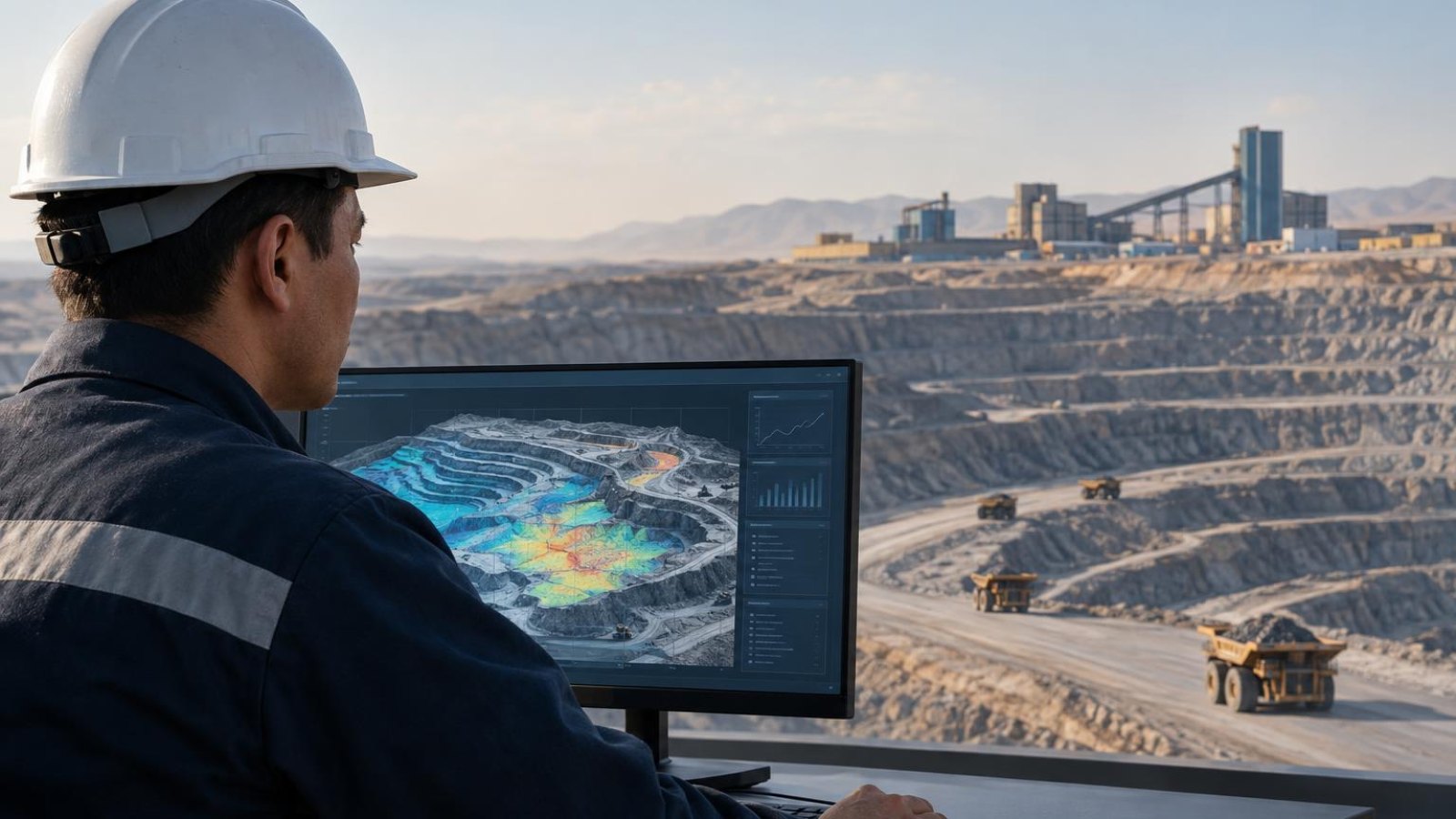
    The seminar also highlighted the critical role of digitalisation in managing mining operations. NGMK has implemented automated systems for managing technological processes, particularly in its hydrometallurgical plants, using SCADA systems to monitor process conditions and identify issues requiring intervention. V.B. Pulatov, Head of Production Automation, discussed the development of a ‘smart quarry’ that provides real-time visibility into operations, optimising the management of mining transport processes.

    AI is set to play a more significant role in the next phase of digitalisation, with algorithms capable of analysing vast amounts of data to identify patterns and predict potential changes in equipment and processes. This proactive approach is crucial for large enterprises, as early detection of deviations can prevent downtime and reduce losses.

    NGMK has already established a robust technological foundation for further development in this area, with over 100 software solutions and more than 100,000 measuring devices in place. The results of digitalisation are tangible, with productivity in hydrometallurgical plants increasing by 5-7% and energy consumption decreasing by 3-5%.

    The Muruntau mine serves as a prime example of extensive digitalisation, having extracted over 124 million cubic metres of rock in 2024. The efficiency of the mining transport complex is directly linked to quality management, with satellite monitoring systems implemented to oversee the movement of trucks, drilling rigs, and excavators.

    Digital technologies are also being applied to develop new production solutions, such as cyclic-flow technology at Muruntau, which reduces transportation time and costs as the quarry deepens. NGMK is not only focusing on mining operations but also on automating and intelligently managing technological processes in its hydrometallurgical enterprises.

    The digital transformation strategy for NGMK, approved in 2023, outlines 12 digitalisation programmes and 67 projects aimed at creating a cohesive digital environment that integrates production and corporate processes. Training and upskilling of personnel are also critical, with online courses initiated to equip employees with AI knowledge and skills.

    The seminar underscored the collective responsibility of the mining and metallurgy sector to embrace digitalisation, facilitating discussions on new technologies and assessing their practical effectiveness. On June 9, 2026, national leadership reviewed measures for the widespread adoption of digital technologies and AI in the mining industry, recognising its strategic importance for Uzbekistan’s competitiveness in resource efficiency, automation, safety, energy conservation, and decision-making speed. The practical essence of digital transformation lies in enhancing production efficiency and enabling specialists to make timely and accurate decisions.

  • International Roundtable on Modern Geology Held Ahead of GEOMIN 2026

    International Roundtable on Modern Geology Held Ahead of GEOMIN 2026

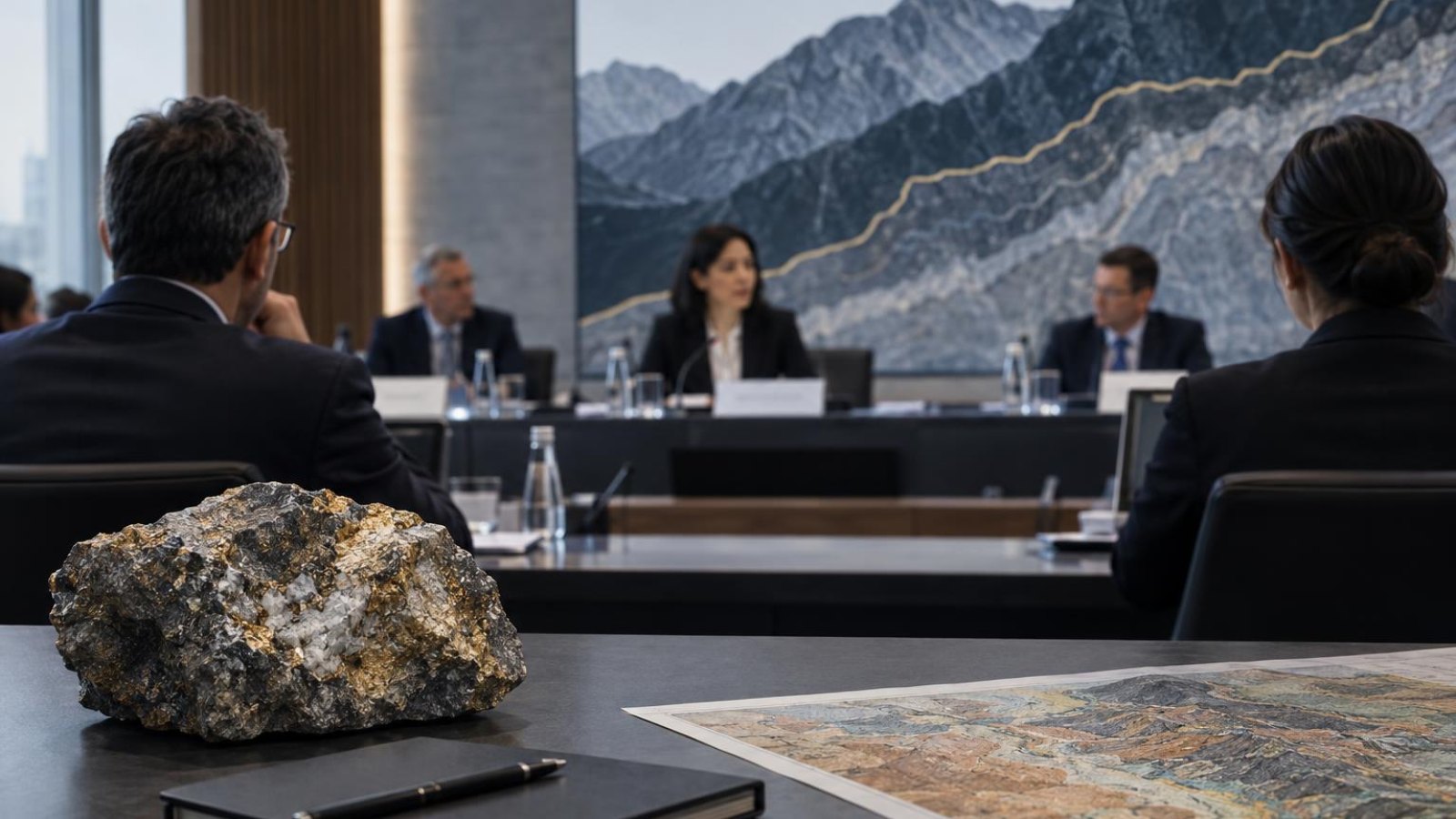
    On 13 September, Tashkent hosted an international roundtable titled ‘Modern Geology: Policy, Technology, Regional Research and Human Capital’ as part of the preparations for GEOMIN 2026. The event was inaugurated by Feruza Khamidova, the First Deputy Minister of Mining Industry and Geology of Uzbekistan. It brought together a diverse group of participants, including heads and representatives from geological surveys, research institutions, and government agencies from various countries such as France, Finland, the United Kingdom, the Netherlands, Kazakhstan, Egypt, Türkiye, and the United States, alongside representatives from international professional organisations.

    The discussions centred on the digital transformation of the geological sector and the adoption of modern research methodologies. A significant focus was placed on the application of artificial intelligence (AI) in the processing of geological, geophysical, and geochemical data. Participants explored the integration of various research methods, the development of 3D models, and the creation of digital twins to enhance geological research and exploration.

    Khamidova highlighted Uzbekistan’s ongoing initiatives to digitise its geological data and integrate it into a National Geological Database. Emphasis was placed on the importance of data standardisation and interoperability, alongside the introduction of modern digital solutions and AI in mineral exploration. The roundtable also addressed critical minerals, improvements to resource classification systems, and the need for enhanced reporting standards, as well as the expansion of international investment cooperation in the sector.

    Furthermore, the event underscored the role of national geological surveys in improving access to information and fostering an environment conducive to new project implementations. The training of young professionals was another key topic, with discussions on developing international education and research programmes. The integration of geoinformatics, data analysis, and 3D modelling into educational curricula was deemed essential for preparing the next generation of geologists.

    The meeting concluded with a consensus on promising areas for further collaboration between geological surveys and research institutions, paving the way for future advancements in the field of geology and mining.


  • Kazakhstan Aims to Double Copper Production by 2030: Key Changes Ahead

    Kazakhstan Aims to Double Copper Production by 2030: Key Changes Ahead

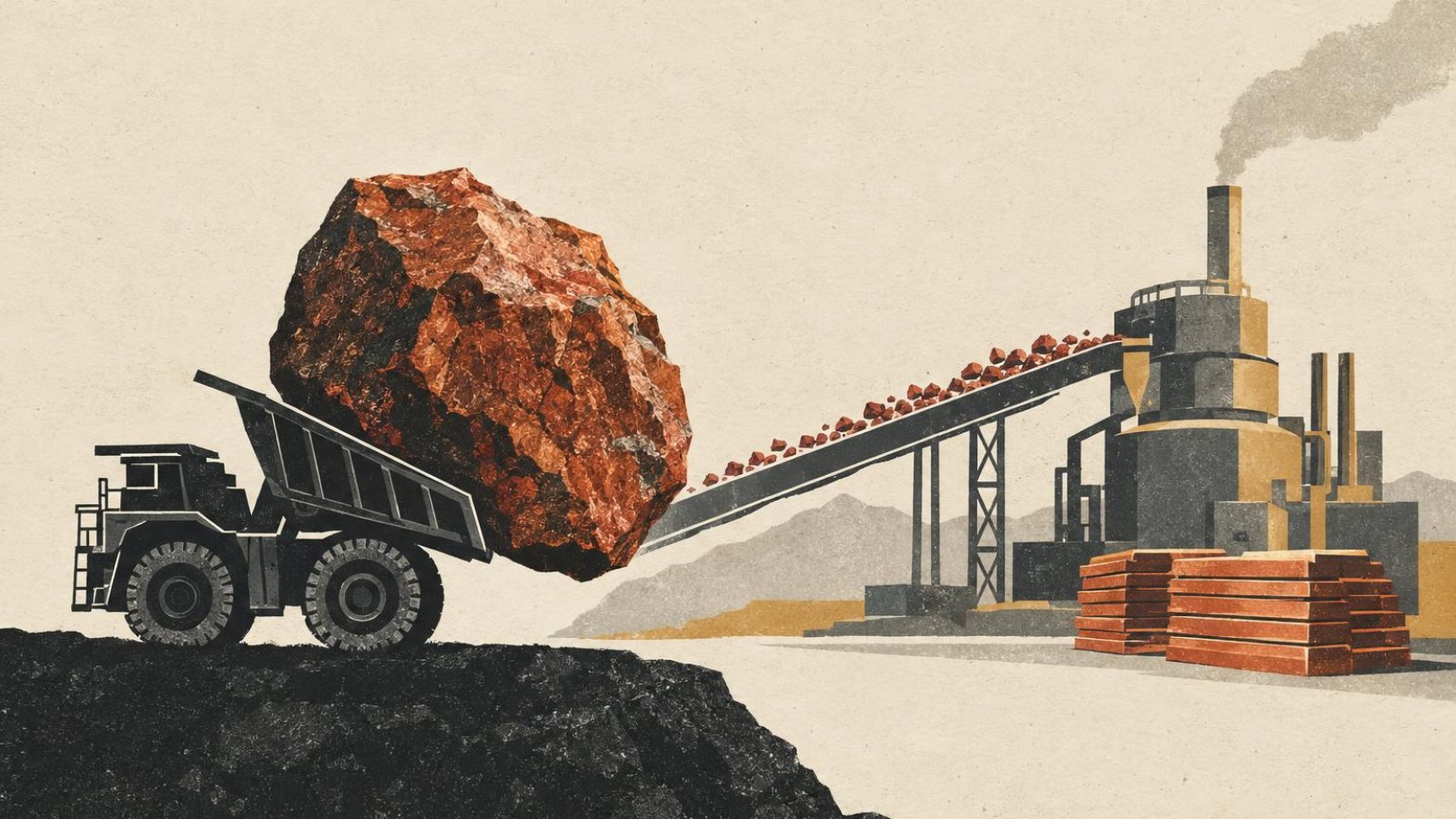
    Kazakhstan has set an ambitious goal to double its copper production to 300 million tonnes per year by 2030, as announced by Aizhan Balabatyrova, the CEO of KazMineral Management, during the Astana Finance Day 2026. This increase is expected to be achieved through the exploration of new deposits and the enhancement of operational efficiency at existing facilities. The copper sector remains a critical component of Kazakhstan’s mining and metallurgy industry, and the planned production boost is aimed at strengthening the country’s position in the global market for critical minerals while also increasing the output of higher-value products such as cathode copper, cables, wires, and industrial components.

    However, the expansion of the resource base poses significant challenges. Balabatyrova noted that only 14 new copper deposits have been discovered globally in the past decade, a stark contrast to approximately 200 found around 25 years ago. This highlights the necessity for Kazakhstan not only to have a robust resource base but also to utilise it as efficiently as possible.

    In this context, productivity has become a key growth factor. Companies are increasingly adopting artificial intelligence, big data analytics, and automation in their production processes. Balabatyrova emphasised that these technologies are no longer futuristic concepts but integral to daily operations, being used for safety assurance, mining, and processing.

    AI is employed for monitoring production facilities, preventing accidents, optimising equipment performance, and enhancing ore processing efficiency. Such technologies enable data-driven decision-making and reduce reliance on human factors in production outcomes.

    Concurrently, Kazakhstan is expanding its efforts to explore new copper assets, including projects at the Aydarly, Koksai, and Benkala deposits. There are also initiatives to expand existing enterprises, such as the development of the Ajak-Kodjan deposit in the Pavlodar region. The goal is not merely to increase raw material exports but to establish a comprehensive industrial chain within the country, encompassing everything from mining and processing to the production of cables, wires, and other high-value-added products.

    Achieving this will require new processing capacities, the development of domestic machine engineering, engineering and service companies, and the training of specialists for high-tech mining operations. With copper becoming increasingly sought after amid the energy transition, transportation electrification, and the development of digital infrastructure, it is crucial for Kazakhstan to not only ramp up production volumes but also maintain the industry’s competitiveness through technology and deeper processing of raw materials. Ultimately, the efficient use of existing resources may be the key factor enabling the country to realise its production increase plans by 2030.


  • Kazakhstan’s Ministry of Industry Proposes New Tariff Structure for Copper Processing

    Kazakhstan’s Ministry of Industry Proposes New Tariff Structure for Copper Processing

    Kazakhstan’s Ministry of Industry has announced plans to shift the financial burden of constructing new copper smelting plants onto mining companies through a proposed new tariff structure for copper concentrate processing. This initiative follows a directive from the government aimed at enhancing the country’s mineral processing capabilities and ensuring the sustainable operation of domestic processing facilities. The draft methodology, which is currently under development, aims to establish a transparent mechanism for determining processing tariffs at copper smelting enterprises in Kazakhstan.

    The proposed tariff structure will be based on several key factors, including the annual volume of processed raw materials, the output of cathode copper, and the overall costs associated with processing. Specific investment components will also be factored into the tariff calculations, which are designed to support the modernization and expansion of processing capacities within the country. The methodology outlines that the annual processing volume and cathode copper production will be determined according to the approved production programme of the processing enterprise.

    The methodology also details how the Treatment Charge (TC) will be calculated, which includes specific costs of processing, normative profits, and investment components. The TC is a fee for the primary processing and smelting of copper concentrate, and it is expected to be set at a level that reflects the operational costs and investment needs of the processing facilities. Additionally, a Refining Charge (RC) will be applied, which is significantly lower than the TC and pertains to the refining and purification of the metal.

    Processing enterprises will be responsible for calculating and publishing these charges annually, with the expectation that they will notify the Ministry of Industry of their established tariff rates. Interestingly, the profitability norm for processing will be linked to an unrelated economic indicator, specifically the average profitability of medium and large enterprises in Kazakhstan over the past five years.

    The proposed changes raise concerns about the potential for monopolistic pricing, particularly benefiting the major player in the market, Kaz Minerals, which holds a significant share of the country’s copper processing capacity. If the tariffs are set too high, mining companies may be compelled to process their copper concentrate through Kaz Minerals, effectively subsidising the corporation’s operational and expansion costs. This scenario could lead to increased profits for Kaz Minerals while limiting competition in the processing sector, especially as processing rates in China, a primary destination for Kazakh copper concentrate, remain low due to excess capacity.

    Overall, the proposed tariff methodology appears to prioritise the interests of Kaz Minerals, potentially reshaping the landscape of copper processing in Kazakhstan and impacting the financial dynamics between mining and processing companies.


  • Kazakhstan to Resume Underground Manganese Mining at Jezdynskoye Deposit

    Kazakhstan to Resume Underground Manganese Mining at Jezdynskoye Deposit

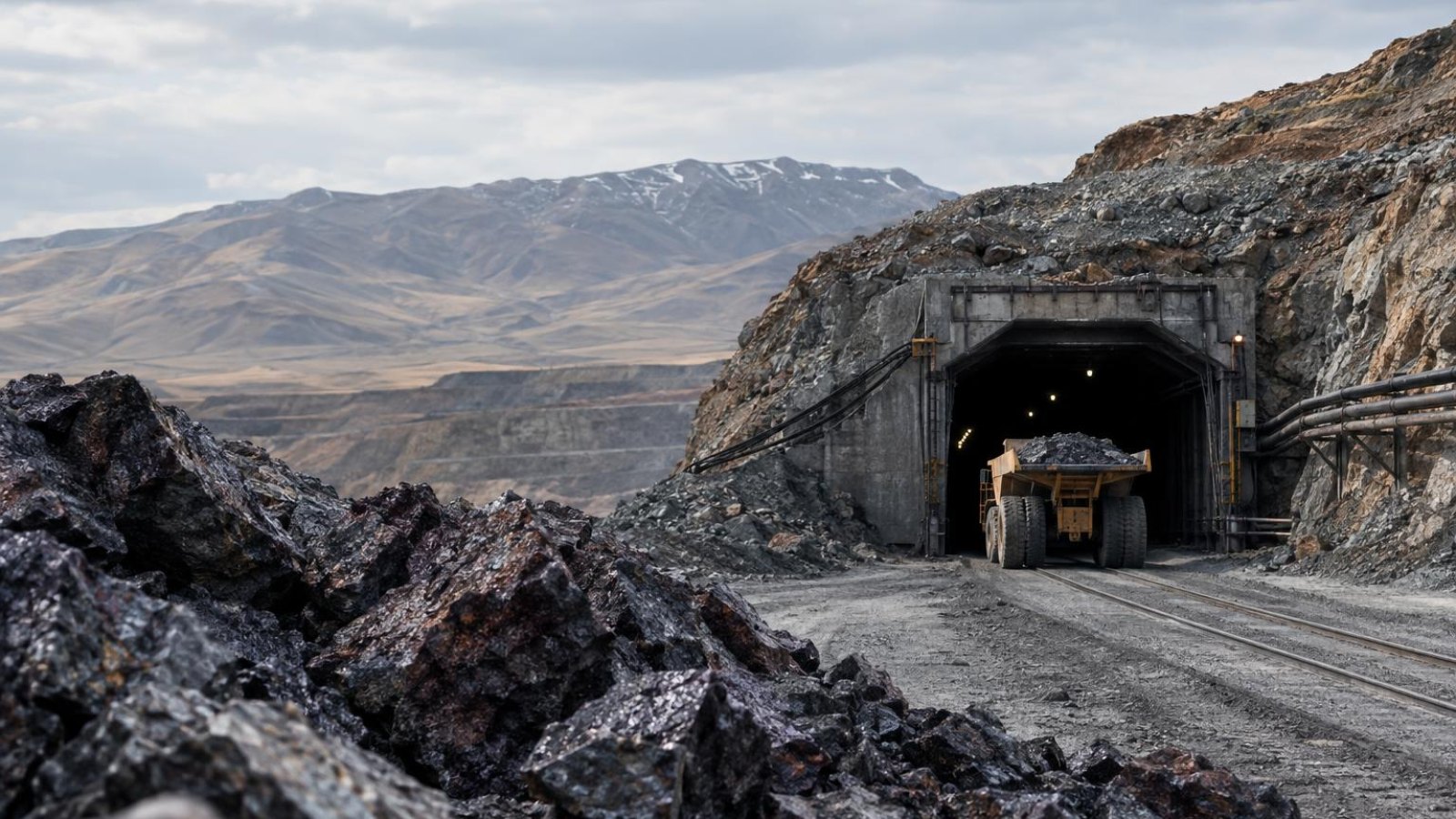
    In the Ulytau region of Kazakhstan, the MaNova company plans to restart underground manganese mining at the Jezdynskoye deposit, according to documentation regarding public hearings scheduled for early October. The project outlines an annual production capacity of 334,165 tonnes of ore, confirmed by mining capabilities. The company intends to commence exploratory works next year, with mining operations set to begin in 2029. The mining plan suggests operations could last until 2051, extracting 307,000 tonnes of ore annually, potentially yielding approximately 1.4 million tonnes of manganese over the project’s lifespan, equating to over 62,000 tonnes per year. Historically, the Jezdynskoye mine produced around 175,000 tonnes annually with manganese content averaging 18-19%.

    The Jezdynskoye deposit is one of the oldest manganese mining sites in Kazakhstan, with mineralisation first established in the 1920s. Systematic exploration began during that period, and by the early 1990s, geological studies of the Jezdynskoye group of deposits were completed. The mine commenced industrial operations during World War II, significantly contributing to the Soviet Union’s manganese needs for its metallurgical industry, highlighting its strategic importance during that era. The Jezdynskoye mine has operated for over 80 years, remaining one of the few continuously active manganese mines in Central Kazakhstan, although it was in a state of conservation at the time of the mining plan’s preparation.

    The Ataisuy and Jezdynskoye-Ulytau mining districts contain the majority of Kazakhstan’s manganese reserves, positioning the country third globally and second among CIS nations for manganese deposits. However, the industrial exploitation of these deposits remains moderate, with many reserves classified as non-balance due to high levels of harmful impurities or low manganese content. The long-lived deposits, including Jezdynskoye, are facing depletion of the richest and most accessible ore sections, necessitating technically sound mining planning and the use of combined extraction systems to maximise recovery, including from technogenic raw materials.

    The Jezdynskoye group comprises two separate ore bodies located approximately 70 km apart, with initial mining planned at the southeast section of the deposit, specifically at the 6-bis mine. The extraction will involve vertical ventilation shafts and conveyor systems for ore transportation, targeting depths of up to 200 metres. According to historical data, the balance reserves of manganese ore at Jezdynskoye were approved by the Soviet State Commission on Reserves in 1956, amounting to 9.2 million tonnes of ore. The reserves were later updated to 7,685.8 thousand tonnes with an average manganese content of 25% as of 1996.

    The project documentation indicates that richer manganese ore reserves with concentrations of 40-45% are found in South Africa, Gabon, Australia, and Brazil, while Kazakhstan’s manganese ore is of average to low quality. Following the onset of the Russia-Ukraine conflict, imports of manganese ore to Russia, including from Kazakhstan, have surged due to increased demands from its defence industry. The founder of MaNova is Aldiyar Nurbekov, as per the adata.kz database.


  • Kazakhstan Aims to Boost Drilling Volumes to Enhance Resource Base

    Kazakhstan Aims to Boost Drilling Volumes to Enhance Resource Base

    Kazakhstan is focusing on increasing drilling volumes to replenish its resource base and discover new deposits. The Ministry of Energy of Kazakhstan has forecasted that approximately 80 exploratory wells will be drilled this year, with plans to drill 120 wells each in the following two years. This information was presented by Deputy Minister of Energy Erlan Akbarov at the Kazdrilling conference.

    The attention of oil and gas companies is directed towards underexplored sedimentary basins. These areas are made available for exploration through a simplified scheme: upon receiving an application, the Ministry of Energy organizes an auction within 10 working days. The subsoil user is required to cover at least 30% of the area with seismic exploration within the first three years, followed by the drilling of exploratory wells.

    Participants at the event also discussed the readiness of oil service companies and the further development of the drilling segment in the country. To support the domestic oil service sector, Kazakhstan is localising the production of equipment for drilling rigs. For example, the company ZhigerMunaiService in Atyrau has begun manufacturing drilling bits, calibrators, and other products, as highlighted by Mr Akbarov.

    The Ministry of Energy emphasises the need for a drilling services market in Kazakhstan characterised by stable prices and competition among participants, where success is measured not only by drilling meters but also by new geological discoveries, replenishment of reserves, development of domestic production, and the creation of skilled jobs.


  • EU Investigates Anglo-American’s Nickel Sale to Chinese Firm MMG Amid Supply Chain Concerns

    EU Investigates Anglo-American’s Nickel Sale to Chinese Firm MMG Amid Supply Chain Concerns

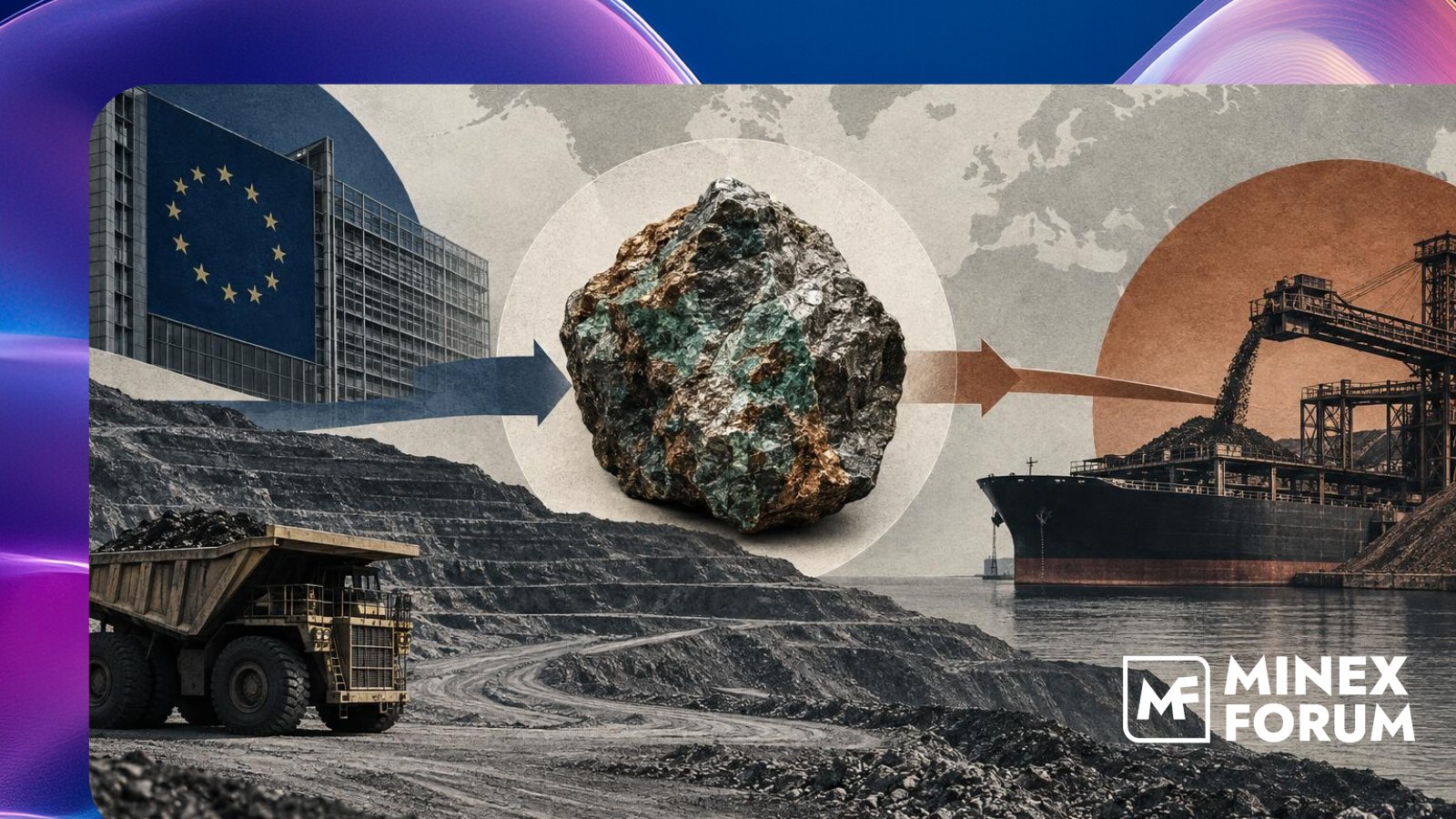
    The European Commission (EC) is currently scrutinising a significant $500 million acquisition of Anglo American’s Brazilian nickel business by China-backed MMG, a move that could have far-reaching implications for European supply chains and geopolitical dynamics. The investigation focuses on whether the deal could enable MMG to divert ferronickel supplies away from Europe, potentially increasing costs for stainless steel producers in the region. This case represents a critical test of how far European regulators will go to limit Chinese influence over strategic resource supply chains, particularly in light of recent export restrictions imposed by Beijing on various materials.

    MMG, which is controlled by state-owned China Minmetals, is advocating for the approval of the acquisition, arguing that the Directorate-General for Competition (DG COMP) should base its decision on data rather than geopolitical considerations. Troy Hey, MMG’s executive general manager of corporate relations, expressed confidence that the commission would evaluate the transaction objectively. However, the EC has raised concerns that the acquisition could undermine the competitiveness of European stainless steel producers by limiting their access to essential ferronickel supplies.

    The acquisition, which includes two ferronickel operations and two greenfield projects in Brazil, is not classified as involving critical minerals. Nonetheless, European steelmakers are apprehensive that increasing Chinese ownership of overseas production could expose them to supply disruptions or economic pressures. MMG has countered the commission’s assessment, asserting that independent data shows there is no ability or incentive to restrict market access.

    Anglo American has also defended the transaction, suggesting that the growing production of ferronickel from other suppliers and the ability of European customers to switch sources should allow the deal to proceed without conditions. They argue that EU restrictions on Chinese steel imports further mitigate any competitive threat posed by the acquisition.

    The implications of this deal extend beyond Europe, as Brazil’s competition authority has initiated its own investigation following a complaint from CoreX Holding, a regional competitor. Critics of the acquisition argue that regulators should consider the broader context of competition among major economies for control of raw materials, particularly amid escalating trade tensions between the US and China.

    This situation presents European authorities with a complex dilemma: they must evaluate the market effects of the transaction while simultaneously striving to reduce strategic dependencies and bolster domestic industrial supply chains. A decision to block or impose conditions on the acquisition could indicate that geopolitical supply risks are becoming increasingly significant in European resource deals, while an unconditional approval would reinforce the argument that concerns over Chinese control do not outweigh the competitive landscape for ferronickel.


  • Donskoy GOK Achieves 97% Capacity with Innovative Chrome Recovery Technology

    Donskoy GOK Achieves 97% Capacity with Innovative Chrome Recovery Technology

    The flotation section of Donskoy GOK, part of the Kazchrome company under ERG, has successfully reached 97% of its design capacity. This achievement is attributed to the implementation of a new technology that allows the recovery of chrome previously lost in waste during ore processing. The project, which is part of ERG’s Green programme, has seen investments exceeding 20 billion tenge, and efforts are ongoing to enhance the process to achieve full capacity.

    For nearly 90 years, Donskoy GOK has accumulated significant waste containing valuable chrome, which can now be reintroduced into production. The ERG Green programme aims to develop technological solutions that gradually extract this valuable component from accumulated waste. The first phase of this initiative was the launch of a gravity plant in 2023, which enabled the extraction of chrome from larger particles. However, even after this, fine particles containing chrome remained in the waste, necessitating the next stage of the project: flotation.

    The flotation section was launched in September 2025, specifically designed to extract chrome from the smallest particles that could not be efficiently processed in the previous phase. This innovative technology separates the valuable component from unwanted material, converting it into flotation concentrate, which serves as additional raw material for further production.

    The two phases of the ERG Green programme complement each other, with the gravity plant focusing on larger particles and flotation targeting the finer ones. The application of flotation in the chrome industry posed a technological challenge, as this method is typically used for enriching ores of non-ferrous and precious metals. ERG’s Scientific Research and Engineering Centre developed and patented a solution tailored to the specific properties of chrome-containing materials.

    Following the commissioning of the flotation section, the Donskoy GOK team began fine-tuning the technological process to adapt to the characteristics of the raw material and optimise operational modes. They introduced a press filter for dewatering the concentrate and a thickener to ensure a stable feed supply for flotation. Through experimental adjustments of reagent modes and flotation machine parameters, the team achieved significant results, with daily production of flotation concentrate increasing by approximately 28% since the beginning of the year, reaching a maximum of 356 tonnes per day in dry mass.

    The next objective for the team is to optimise the technology to reach 100% capacity and maintain the stability of the achieved results. Baurzhan Utemisov, the director of Donskoy GOK, emphasised the importance of providing additional raw materials to ferroalloy plants without increasing extraction. “Chrome has already been mined, and our task is to maximise the use of this resource, returning it to production rather than leaving it in waste. This reflects a careful approach to natural resources: not to take more but to learn to use what we already have more effectively,” he stated.


  • Kazakhmys Expands Geological Exploration in Ulytau with Over 50,000 Metres of Drilling

    Kazakhmys Expands Geological Exploration in Ulytau with Over 50,000 Metres of Drilling

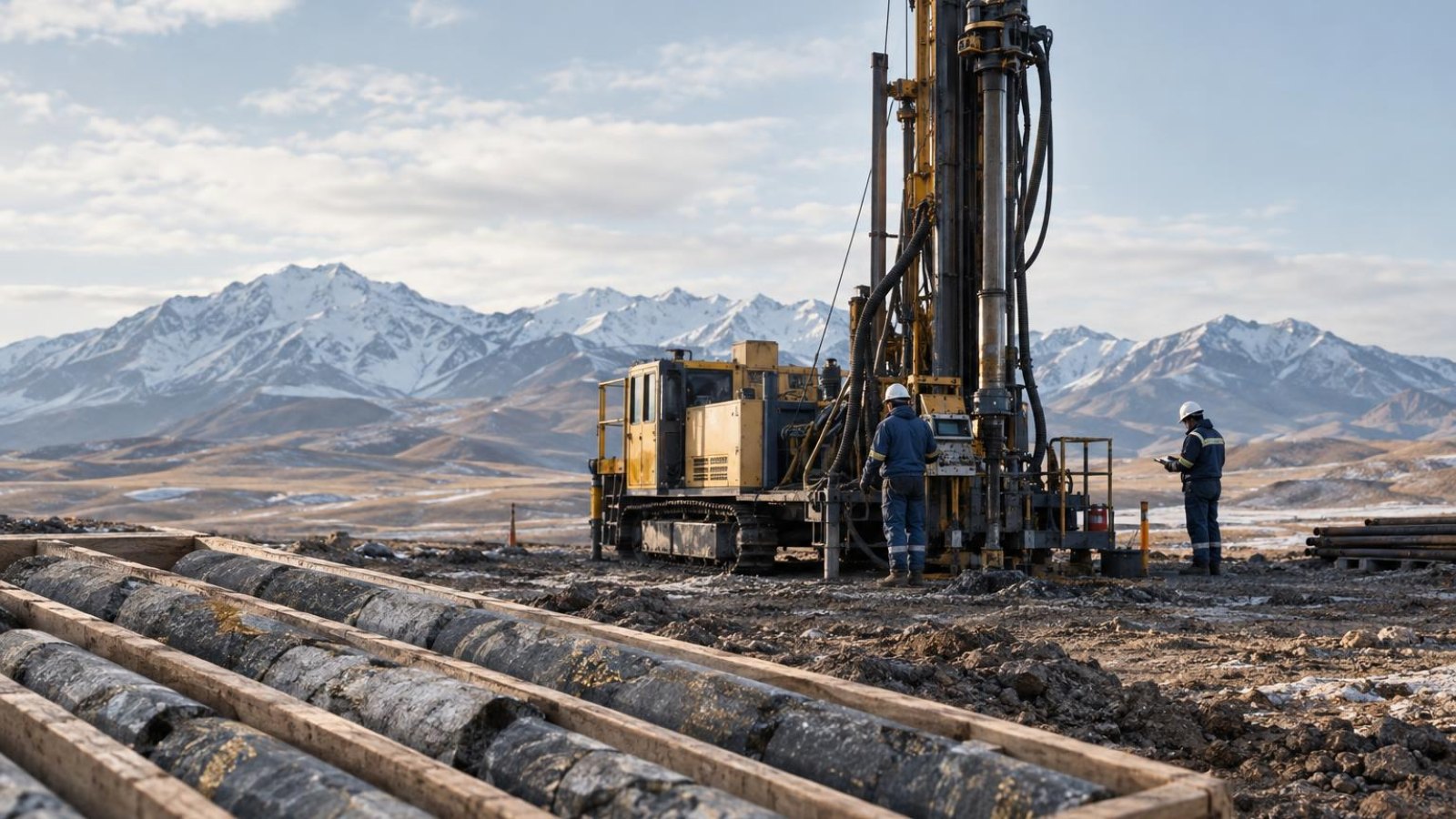
    Kazakhmys is intensifying its geological exploration efforts in the Ulytau region, with plans to drill over 50,000 metres in search of new resources. The company is focusing on deep horizons of existing mines and promising areas within the Zhezkazgan deposit to refine its resource potential, as reported by IA NewTimes.kz. The drilling operations are being conducted by Kazakhmys Barlau, a subsidiary of Kazakhmys, which has already completed approximately 10,000 metres of drilling using five drilling rigs.

    The initial phase of drilling on the flanks of the deposit has been completed, and current research is concentrated on deep horizons and near-surface mineralisation. Experts are investigating the continuation of ore bodies and prospective zones where additional resources may be located. The results obtained from this extensive drilling programme will be crucial for clarifying the resource potential of the Zhezkazgan deposit and determining future directions for geological exploration.

    Kazakhmys has stated that identifying new resources is essential for replenishing its mineral resource base, which could potentially extend the operational lifespan of the Zhezkazgan deposit. The company emphasises that the development and replenishment of its mineral resource base is one of its strategic priorities. To support this goal, Kazakhmys is actively studying the resource potential of both existing deposits and promising areas.

    In a previous report, NewTimes.kz noted that Kazakhmys has increased its funding for geological exploration in the Zhezkazgan direction to $40 million per year by 2026. The company has also ramped up its drilling volumes and commenced work on several promising sites, indicating a robust commitment to enhancing its exploration and resource development activities in the region.