Website: Asia.com

  • Critical Mineral Needs and Turkey’s Mining Perspective on Energy Transition and Digitalisation

    Critical Mineral Needs and Turkey’s Mining Perspective on Energy Transition and Digitalisation

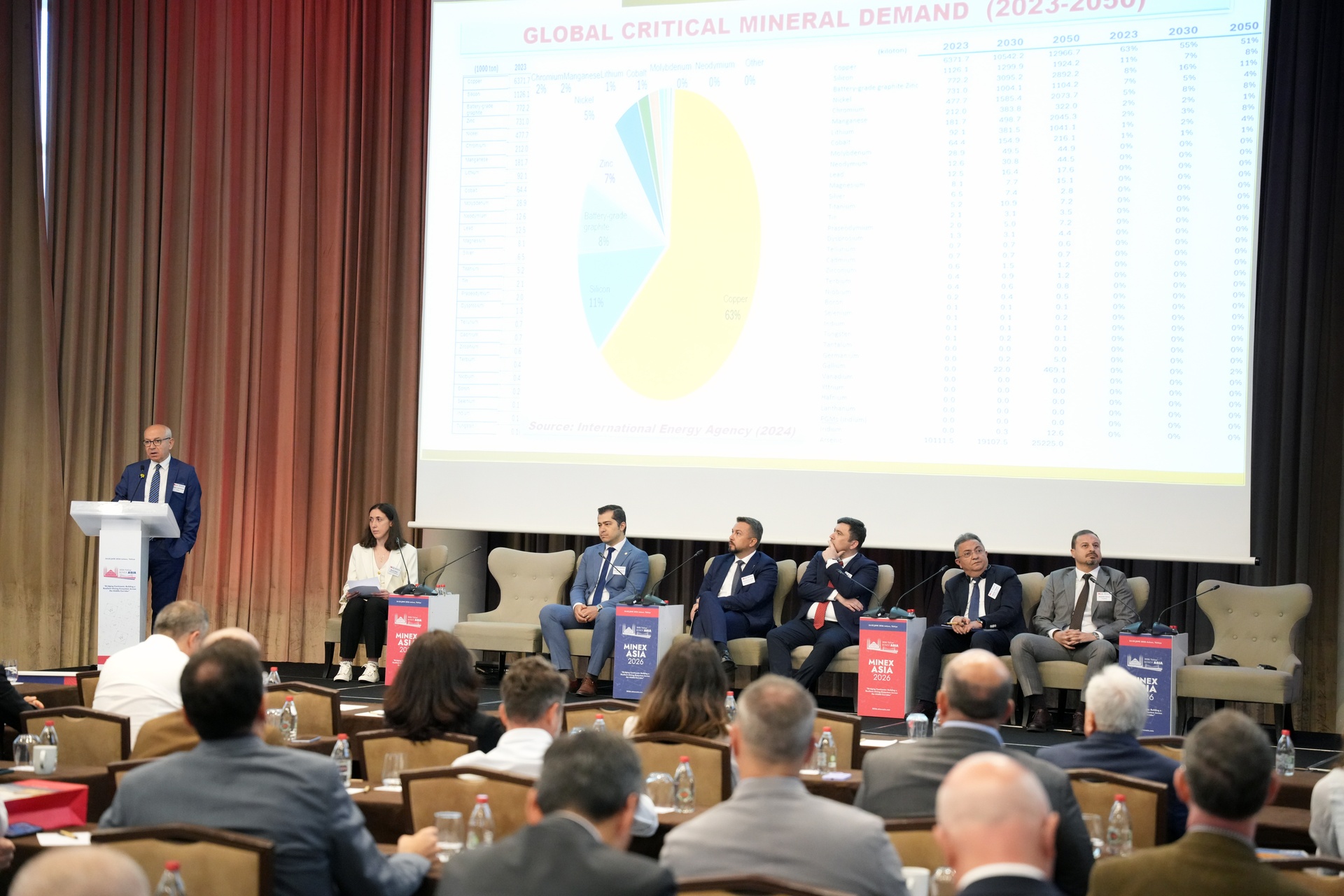
    Ibrahim Halil Kırsan opened with a historical sweep of global energy transitions — from coal’s dominance following the industrial revolution, through oil in the 20th century, to natural gas from the 1970s, and now the shift toward renewables over the past two decades. He noted that despite this transition, fossil fuels remain heavily used globally, particularly in Asia (China, India), the Middle East (oil and gas), and hydro-rich countries like Canada. He cited that coal’s share of global electricity generation has only modestly declined, from roughly 35% to about 34%, meaning fossil-based systems will persist until renewable capacity grows substantially further.

    He presented IEA projections showing critical mineral demand could grow four to six times by 2040 depending on the climate scenario, with battery-related minerals like lithium and cobalt seeing the steepest increases. He highlighted that global mineral production has surged particularly in the last 5-10 years, driven by clean energy, digitalization, and space industry demands, with copper playing an especially central role in future demand projections due to insufficient scrap-based supply relative to other metals.

    He explained that while mineral deposits are widely distributed geographically, refining capacity is heavily concentrated in China across nearly all major critical minerals — lithium, cobalt, nickel, rare earths — with the notable exception of nickel, where Indonesia holds a dominant position. He cited an estimate that if China restricted exports of these materials, the EU and US could face combined annual losses of roughly $3.5 trillion, underscoring the depth of Western dependency. He connected this dependency directly to recent US-China trade tensions, noting China’s extensive mining investments across multiple continents to secure both supply and refining dominance.

    He reviewed how numerous countries (EU, US, Canada, Japan, and now Turkey, whose list was published in 2025) have begun publishing critical minerals lists, with substantial overlap across roughly 200 shared minerals. Turning to Turkey specifically, he described the country as geologically comparable to a “small continent” in terms of mineral diversity — ranking in the top 8 globally for diversity, with strong positions in boron (world’s largest reserves), marble, chromium, and pumice, among many other metallic, industrial, and energy raw materials.

    A significant highlight was his discussion of the Eskişehir Beylikova rare earth element deposit, which he described as potentially the world’s second-largest known REE resource after China’s Bayan Obo deposit, with an estimated 694 million tons of material and roughly 12.5 million tons of REE reserves at approximately 3% grade. He noted that extensive drilling (roughly 125,000 meters across 310 locations) has been completed and pilot-scale processing work is underway, though the site hasn’t yet been formally certified against international reserve reporting standards.

    He closed with policy recommendations: Turkey needs to move beyond exporting raw or concentrated ore toward producing finished, technology-enriched products; critical minerals lists need regular updating; and — his central proposal — Turkey should establish a dedicated Critical Minerals Presidency or Institute, given that the issue now spans multiple ministries (Energy, Industry, National Defense) rather than falling under any single one.
     

  • Türkiye’s Mining Vision: Export Growth and Strategic Autonomy Through Gold Mining

    Türkiye’s Mining Vision: Export Growth and Strategic Autonomy Through Gold Mining

    Ahmet Serkan Sarıtaş introduced Türk Gold Corp (formerly Koza Gold Enterprises), describing it as Turkey’s first wholly domestically-capitalized gold mining company, founded in 2005, with 30% of its capital publicly listed on Borsa Istanbul since 2010. He noted the company rebranded to its current name in 2025 and now operates as a strategic national asset within the portfolio of the Turkey Wealth Fund. He cited the company’s scale: 2,553 specialized employees, operations spanning 41 provinces, and 231 active licenses, framing this footprint as evidence of the company’s commitment to converting Turkey’s mineral potential into economic value.

    He situated gold mining within the broader narrative of energy transition, electrification, AI, and digitalization, arguing that reliable mineral resources underpin all of these transformations — electric vehicles, battery technology, AI infrastructure, renewable energy systems, and defense industries. He argued that minerals have consequently evolved beyond simple economic commodities to become fundamental elements of economic security, industrial policy, and strategic independence, making the creation of reliable, sustainable, and diversified supply chains a top national priority.

    He positioned Turkey favorably within this new landscape, citing the country’s roughly $3.5 trillion mineral potential, strong industrial infrastructure, developed logistics network, skilled workforce, and long mining history as preparing it for a stronger role in the global mining ecosystem. He argued that future competitive advantage will belong not simply to countries possessing mineral resources, but to those capable of converting those resources into knowledge, technology, industry, and sustainable development — emphasizing that investment in geological knowledge, scientific research, human capital, and advanced technology serves as the guarantee of future resource security, alongside environmental responsibility, social awareness, and good governance principles.

    He addressed Turkey’s “strategic” mining characterization directly, clarifying that this should not be understood as economic isolation, but rather as strengthening domestic capabilities while simultaneously deepening international cooperation and building resilient supply chains — with Turkey’s position at the center of the Middle Corridor serving as a natural bridge between Europe and Asia, valuable not just as a logistics route but as a platform for investment, technology transfer, and high-value industrial clustering.

    He described Türk Gold’s approach as reducing Turkey’s external dependency and contributing to narrowing the current account deficit, while measuring success not solely by gold output volume but by employment generation, local supply chain development, and social investment in the regions where the company operates — framing mining’s success as ultimately measured by contribution to quality of life rather than metal tonnage alone.

    He highlighted several human capital initiatives: the company’s first-time sponsorship of Teknofest Mining Technology competitions, establishment of an R&D center, international scholarship programs, and dedicated scholarships for students entering mining-related university programs. He closed by identifying four themes he expects to shape the sector going forward: intensifying global competition for critical minerals, transformative impact of AI and digital technologies, rising environmental and social expectations, and growing importance of international cooperation and resilient supply chains — positioning Turkey as aiming to be among the leading countries shaping this future.


  • Geometallurgy in the Critical Raw Materials Value Chain

    Geometallurgy in the Critical Raw Materials Value Chain

    Burak Köse’s presentation closed the “From Ore to Application” session, following talks on Uzbekistan’s technopark model and ExxonMobil’s lubrication technology. Based on the chapter markers provided in the source material, his talk covered geometallurgy’s role in the critical raw materials value chain, progressing through several structured topics: an introduction to geometallurgy as a discipline, the construction of geometric (ore body) models, economic optimization based on those models, and worst-case scenario analysis — likely addressing how processing plants and investors can stress-test recovery and economic assumptions against unfavorable geological or operational conditions.

    Given ARGETEST’s stated focus on mineral processing and R&D, and the placement of this talk alongside SGS’s earlier mineralogy presentation (Tomas Hrstka’s talk on applied/automated mineralogy for de-risking projects), it’s likely Köse’s presentation reinforced similar themes: that laboratory analysis and geometallurgical modeling generate the quality data offtakers and investors require, and that this data-driven approach accelerates product development while reducing technical and financial risk in critical minerals projects — consistent with the session’s stated framing that “value chain integration in Central Asian mining is not a distant ambition” but something achievable with technology deployed today.

    Unfortunately, without an English transcript or translation of the actual spoken content, a detailed, accurate summary of Köse’s specific arguments, data, case studies, or conclusions cannot be responsibly provided. If a translated transcript or additional source material becomes available, I’d be glad to produce a complete summary matching the depth of the other speaker profiles.


  • How the Technopark Helps Manufacturers Close the Gap from REE Extraction to Application

    How the Technopark Helps Manufacturers Close the Gap from REE Extraction to Application

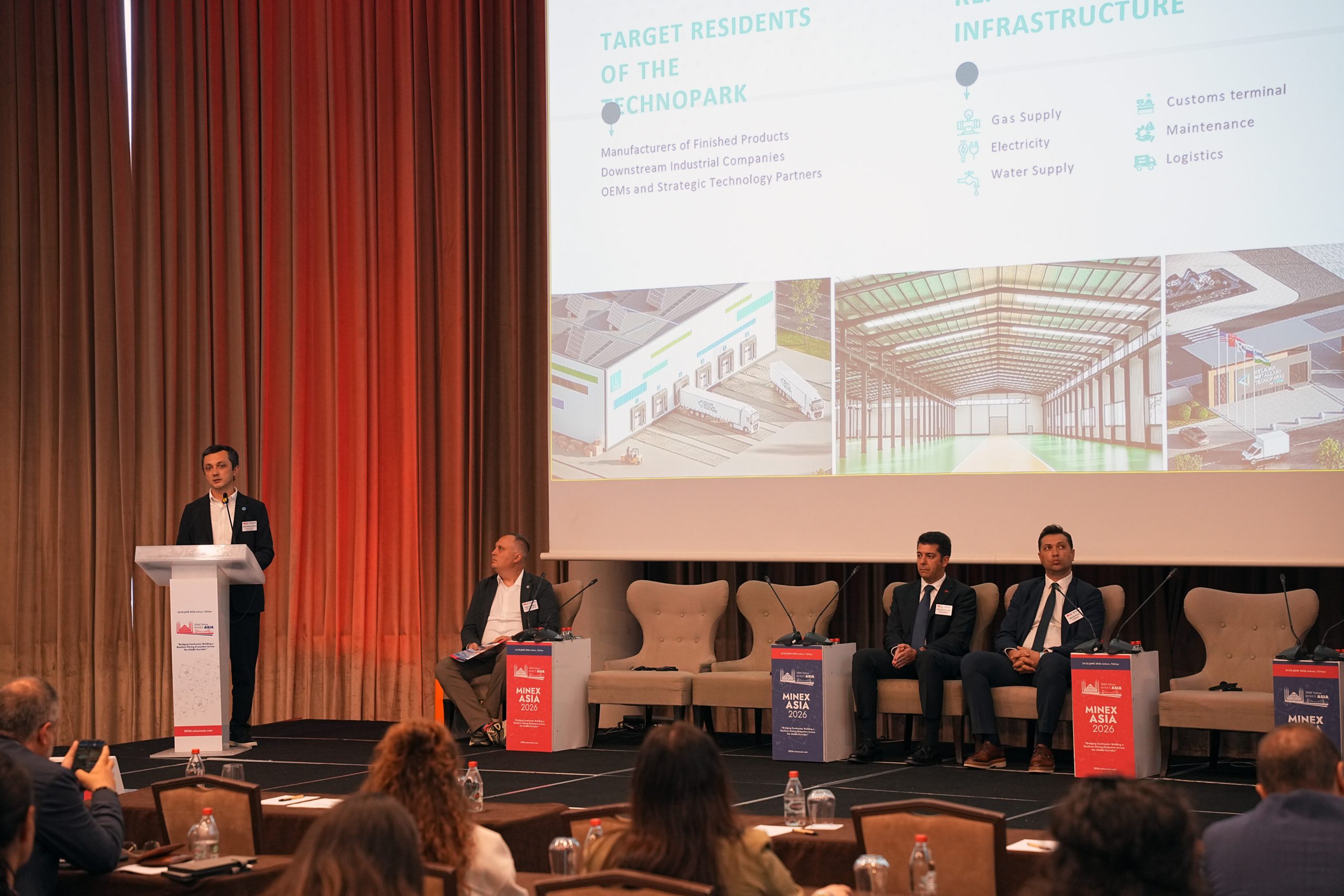
    Umid Salokhutdinov presented the Future Metals Technopark as a platform designed to shrink the distance between raw mineral extraction and application-ready product. He opened by introducing TMK’s existing capabilities — established technology for molybdenum, tungsten, and rhenium, with selenium and tellurium production launching later in the year — and framed the company’s ambition as building a complete value chain from upstream mining through midstream processing, explicitly inviting downstream manufacturers to complete that chain rather than trying to do it alone.

    He contextualized this within Uzbekistan’s broader economic shift, noting that mining’s share of the economy has grown steadily over the past eight years as agriculture’s share has declined, with GDP projected to approach $200 billion by 2030. He noted that Uzbekistan’s critical minerals list overlaps significantly with those of the EU, US, and other jurisdictions, giving the country’s resource base direct relevance to multiple international buyers.

    He described the technopark’s cluster-based strategy, organized geographically around where specific minerals are concentrated: a tungsten cluster in Samarkand (where roughly 80% of the country’s tungsten is located), a molybdenum cluster in Tashkent, and a dedicated R&D hub in the city of Chirchiq focused on research and workforce development for the sector.

    A central theme of his presentation was risk-sharing as an investment attraction strategy. He explained that the technopark absorbs the capital risk of building processing infrastructure, so that downstream partners bringing their own technology don’t need to bear that upfront cost themselves — partners can either operate their own production lines within the park or enter joint ventures with TMK or other local companies. He argued this de-risking model is central to what makes the technopark attractive to international manufacturers.

    He gave concrete examples of active partnerships: an ongoing molybdenum concentrate trade relationship with Armenia to supplement domestic capacity, a new antimony project developed in cooperation with Turkey (with four domestic antimony deposits also in development), and existing technopark projects with South Korean partners on powder metallurgy for the automotive sector (a roughly $50 million project producing local auto parts) and hydrometallurgy/pure metallurgy projects with Chinese partners.

    He positioned Uzbekistan’s value proposition partly on geography — its access to Turkey, the EU, US, South Korea, and Japan via the Middle Corridor — and partly on the tax-free incentives available within the technopark’s designated free industrial zone status, covering raw materials, equipment imports, and general business taxation. He closed with a direct call to action, inviting end-user manufacturers and downstream producers to engage with TMK and the technopark to take advantage of these partnership structures and incentives.


  • Mining’s Greatest Resource Is No Longer Underground — It Is Public Trust

    Mining’s Greatest Resource Is No Longer Underground — It Is Public Trust

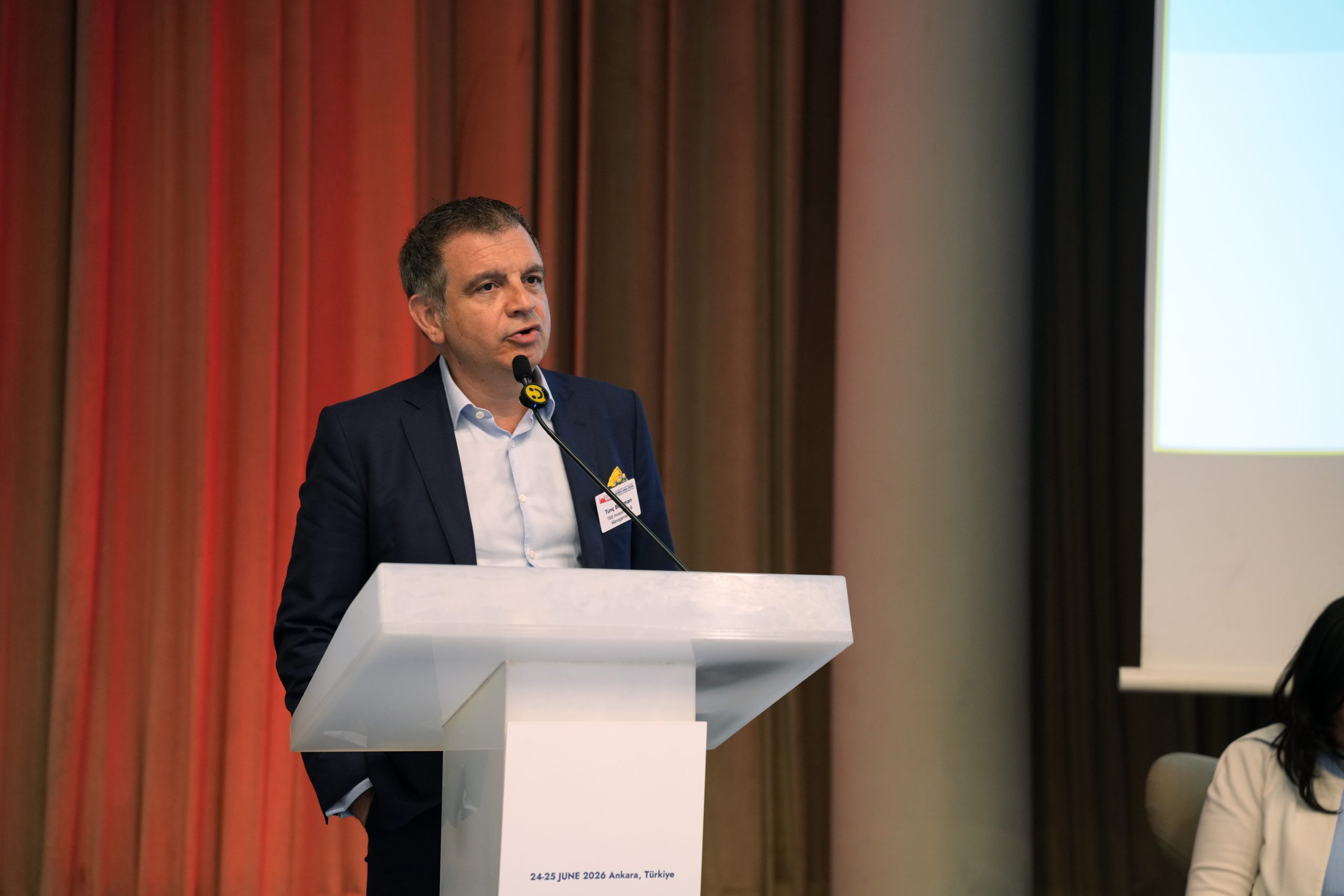
    Tunç Berkman opened by noting he isn’t a mining professional but a marketing, PR, and branding specialist with over 30 years of experience across major Turkish corporations and, more recently, startup and VC investing. He engaged the audience directly, asking them to name mining’s biggest current challenges — public perception, environment, human resources, and water all came up, setting the stage for his central argument.

    He built the case that mining is more essential now than ever, despite public perception suggesting otherwise. He cited projections of trillions in global clean energy investment by 2030, and noted that even “clean” technologies are mineral-intensive: a single AI data center requires roughly 1,000 tons of copper, a wind turbine needs dozens of tons, and electric vehicles require several times more minerals than combustion vehicles. He argued mining has become critical infrastructure — economic (contributing hundreds of billions annually to developing economies), national security-related (with dozens of minerals classified as critical to US defense), energy-related (batteries require lithium, nickel, and cobalt), and digital (cloud infrastructure depends on copper, aluminum, and rare earths).

    He framed the core paradox: society wants the products mining enables — data centers, EVs, clean energy grids, 5G networks — but opposes the mines, smelters, and processing facilities that make them possible. He offered a memorable metaphor, comparing mining to a difficult birth: messy and disruptive at first, but capable of healing and producing something valuable if done properly and responsibly.

    He walked through several high-profile trust failures — environmental discharge incidents, water-intensive lithium extraction, the Samarco dam collapse in Brazil, and low industry-wide transparency in social impact reporting — as sources of the “trust gap” the industry faces. He quantified the cost of that gap: permit delays costing roughly $1 million per day, a large share of mining M&A deals now incorporating social license due diligence, and substantially longer project timelines in low-trust jurisdictions. He cited a specific case — a large Congo gold-copper project halted despite passing regulatory review, ultimately becoming unfinanceable and representing billions in lost investment.

    Conversely, he presented trust as a competitive advantage: companies with strong reputations attract better graduate talent, retain smoother operational continuity through community partnerships, and command valuation premiums. He then pivoted into an extended discussion of psychology and marketing, arguing that humans have an innate need for social approval and belonging, and that this drives behavior on social media and, by extension, could be leveraged to build public trust in mining if approached thoughtfully.

    He offered concrete industry examples of trust-building initiatives: De Beers’ evolution from Blood Diamond-era reputation damage toward long-term government joint ventures, quarterly community sentiment tracking tied to executive KPIs at some major miners, and revenue-sharing programs with local oversight boards. He argued for “radical transparency” — publishing real-time environmental data, independent audits, and public grievance mechanisms — noting these correlate with fewer permit delays and faster escalation resolution.

    A significant portion of his talk focused on storytelling and content strategy. He argued mining needs to create relatable, human narratives — citing examples like documentary films that shifted public perception in other industries (fishing, agriculture) and arguing mining lacks an equivalent. He suggested rehabilitated mine sites, community partnership stories, and worker testimonials are underutilized content opportunities, and cited examples of successful mining-related social media content (TikTok series, YouTube channels) that achieved viral reach despite being individual efforts rather than coordinated industry campaigns.

    He advocated for early, sustained public education — citing Canada’s school-based mining curriculum reaching tens of thousands of students annually — arguing that shaping perception in childhood is far more effective than reactive messaging later. He closed by contrasting old and new industry narratives: from “extract and leave” to “restore and regenerate,” from “jobs versus environment” to “jobs and environment,” and from “opacity as protection” to “transparency as advantage.” He concluded that the future of mining will be decided above ground, and that trust — not reserves — will determine which companies and countries succeed.

    During Q&A, he emphasized tailoring communication strategy to specific audiences (regulators, communities, youth), advocated for consistent but not excessive content cadence, and stressed relating mining’s output to tangible daily-life impacts as the most effective way to build public understanding and support.


  • Water Stewardship as a Competitive Advantage: New Water Codes in Kazakhstan and Uzbekistan

    Water Stewardship as a Competitive Advantage: New Water Codes in Kazakhstan and Uzbekistan

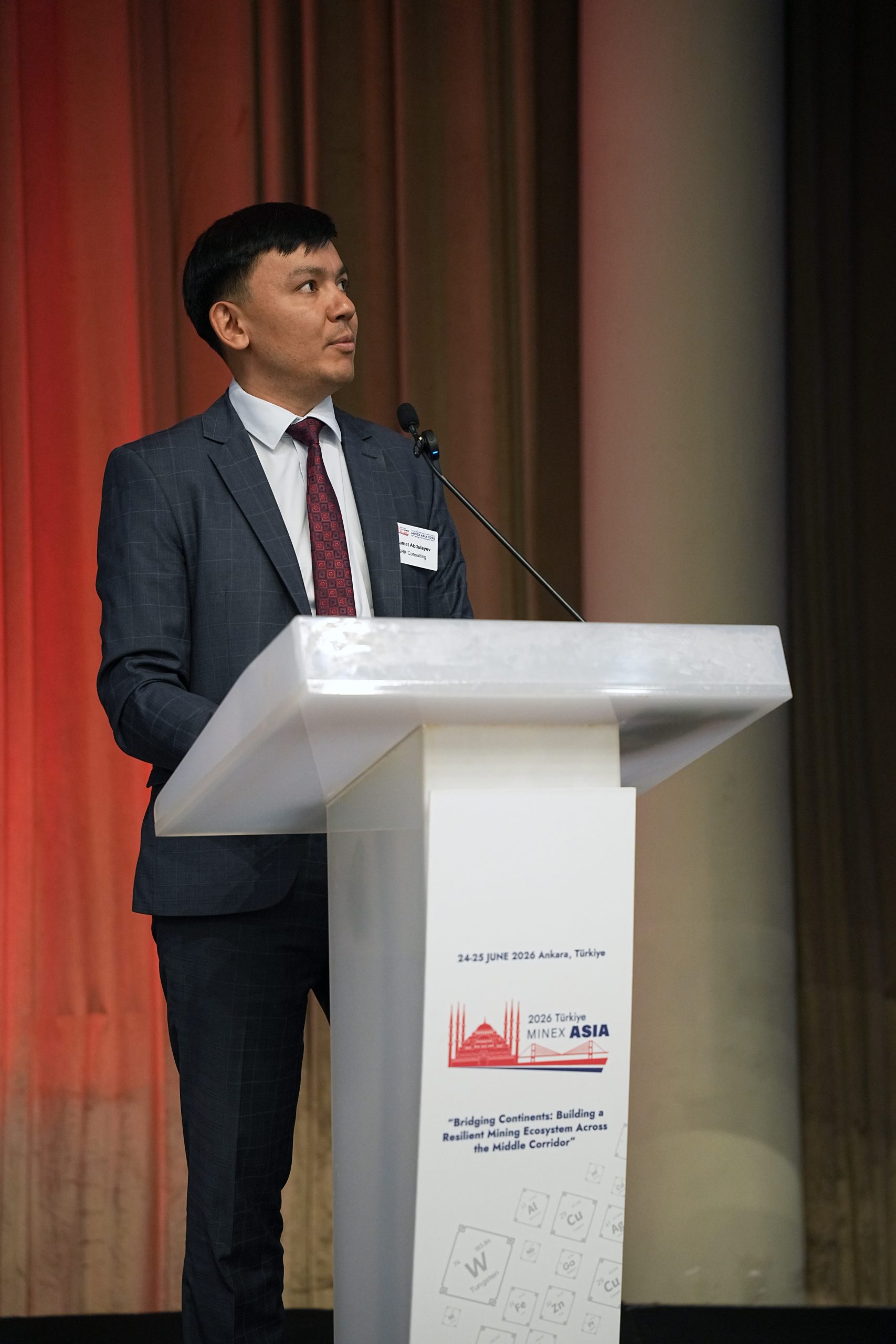
    Azamat Abdulayev framed water scarcity as an increasingly central issue for mining development across Central Asia, driven by four factors: growing mineral projects along the Middle Corridor requiring reliable water; the region’s inherent water scarcity (roughly 70% desert, semi-desert, or dry steppe); the fact that mines share water basins with agriculture, communities, and ecosystems; and growing investor scrutiny of whether water supply, discharge, and closure assumptions are realistic.

    He argued that treating water purely as a compliance issue — simply obtaining a permit — is no longer sufficient. Lenders now expect technical certainty: reliable water balances, climate stress testing, and credible closure water models. Weak assumptions can trigger project redesigns, delays, or additional lender conditions, whereas early, well-managed water strategy builds investor confidence.

    He detailed Kazakhstan’s new water code (enacted the previous year), highlighting four key implications for mining: basin-based governance, meaning mine impacts are assessed within the context of the broader river basin rather than as isolated site issues; clearer inclusion of mine dewatering and groundwater flows within water-use frameworks; stronger expectations around metering, reporting, and water recycling; and heightened attention to drought resilience and water security during low-water years.

    He then outlined Uzbekistan’s new water code, which replaced the previous water law, noting parallel themes: more controlled water access through permits and quotas; increased importance of accurate water accounting and metering; greater basin-level visibility of cumulative impacts across users; and stronger discharge and groundwater controls.

    He translated these legal changes into a practical “evidence pack” framework covering five areas: source rights and allocation, accounting and measurement, discharge and mine water management, efficiency and reuse, and stakeholder/basin awareness. He stressed that water strategy should begin at the exploration stage — understanding baseline hydrology — and evolve through scoping, feasibility, permitting, operations, and closure, with the central ongoing question being whether a project can operate, discharge, and close credibly through dry years under tightening regulation.

    He illustrated the stakes with a striking cost comparison: while a cubic meter of water might cost less than one cent to abstract, a single day of concentrator downtime due to water shortage can cost more than $2 million USD. He closed by arguing that in Central Asia, water stewardship has moved beyond compliance to become a determinant of project resilience, schedule, capital cost, and social license — and that the strongest water strategies begin well before feasibility studies or permitting challenges arise.


  • Tailings Protect: An Integrated, Real-Time Tailings Monitoring and Risk Solution

    Tailings Protect: An Integrated, Real-Time Tailings Monitoring and Risk Solution

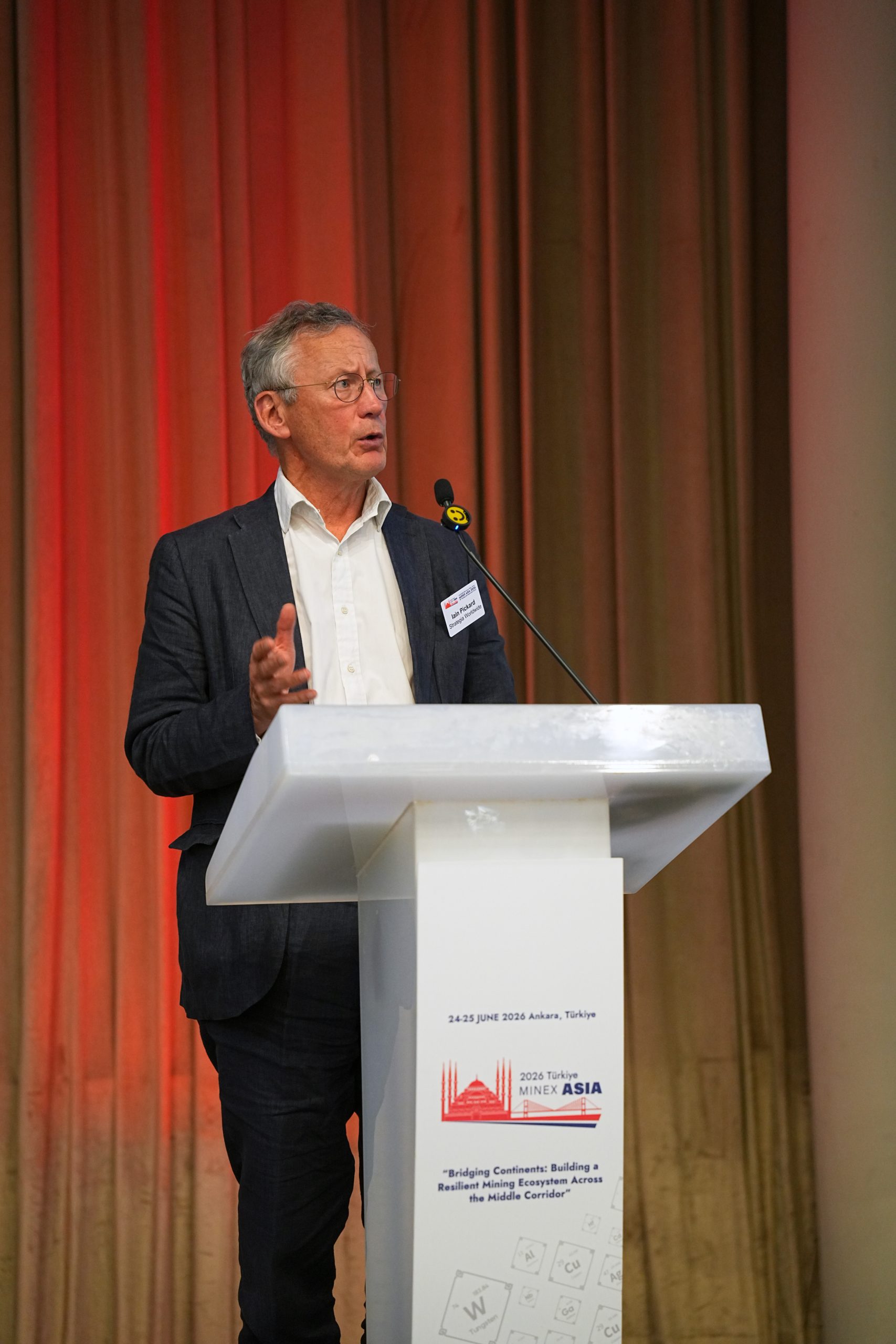
    Iain Pickard framed his talk around three themes: validating, monitoring, and ensuring. He opened by noting that tailings failures continue globally — citing recent incidents in Zambia, Canada, and a leach pad failure in Turkey — and that the financial consequences are becoming severe. He reported that insurance underwriters are increasingly declining to fully cover mines with unmanaged tailings facilities, creating real threats to balance sheets alongside GISTM compliance pressures.

    He explained that before monitoring can be meaningful, facilities need validation against GISTM, which he described as both a technical and an ESG review — the latter being an underappreciated distinction, since community expansion into hazard zones, for example, requires ongoing awareness that pure engineering reviews might miss.

    His core pitch centered on 24/7 cloud-based monitoring technology that creates what he called “a digital assurance layer” — harmonizing and contextualizing tailings data across a facility, tying it to GISTM and other recognized standards, and making it shareable with communities, regulators, or insurers. He emphasized that this isn’t about the monitoring instruments themselves, but about integrating disparate data sources (piezometers, stability indicators, satellite surveillance) into a single, actionable “version of the truth” accessible to engineers of record, contractors, and oversight boards alike.

    He described the platform’s practical features: color-coded instrument status, drillable data layers, and a journaling function that captures both readings and the actions taken in response — valuable evidence for regulators, insurers, or communities seeking assurance of active management. He cited a South African testing facility his firm monitors, which local regulators have called “best-in-class.”

    A significant portion of his talk addressed the often-overlooked intersection of tailings management and insurance. He explained that mining risks are typically underwritten through the London insurance market, but underwriters traditionally receive only an annual, hard-to-interpret data dump — often manually recorded and error-prone. His platform instead generates an “insurance-ready” report, developed in partnership with a broker, that presents facility profiles, governance history, and demonstrable evidence of corrective action in a format underwriters find useful — potentially unlocking greater capital commitment and better terms.

    He noted a persistent organizational gap: technical and financial teams within mining companies often don’t communicate, meaning finance teams may be unaware such monitoring technology exists, while technical teams may not understand what information insurers need. He closed by summarizing the platform’s benefits as predictive and proactive risk management — enabling better risk pricing, aligned stakeholder incentives, and ultimately a shift from reactive, post-incident compliance toward continuous, trusted, decision-led tailings governance.


  • Resilience-Based Design in Tailings Engineering

    Resilience-Based Design in Tailings Engineering

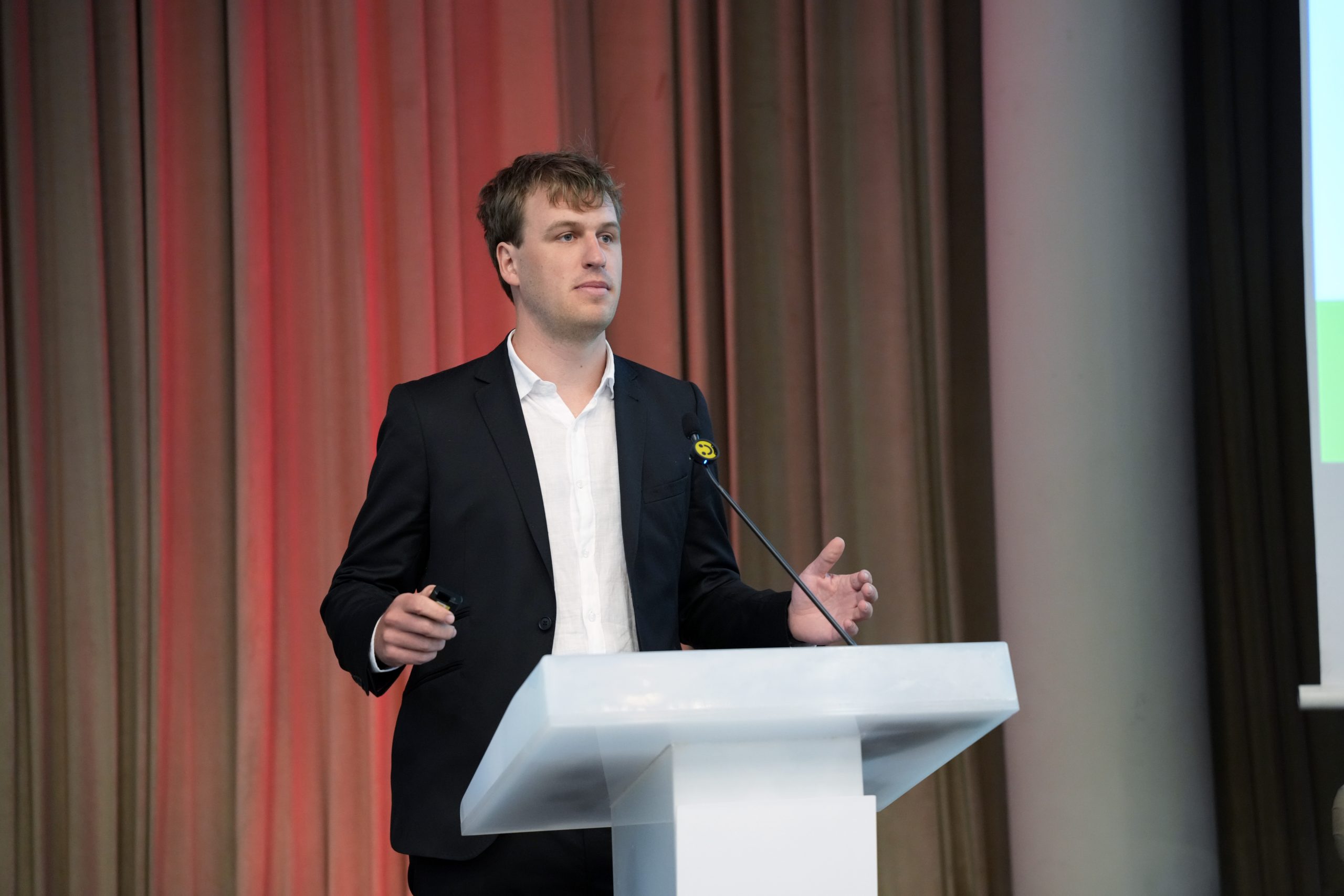
    Alistair White opened with a personal reflection on growing up in Zimbabwe during a period of hyperinflation, noting that what struck him wasn’t the economic failure itself but the community’s capacity to recover afterward — a framing he used to introduce the concept of resilience-based design in tailings engineering.

    He defined resilience as a system’s ability to reduce the chance of a shock, absorb it if it occurs, and recover afterward. Using a graph plotting operational performance against time, he illustrated how a disruption — whether an earthquake or operational failure — causes performance to drop before (hopefully) recovering. He introduced the “resilience triangle,” representing the area of lost performance during this disruption-recovery cycle, and framed resilience-based design as the effort to shrink that triangle.

    He positioned his talk as bridging the previous speaker’s focus on robust risk-based design (reducing the likelihood of the initial drop) and the next speaker’s focus on recovery and monitoring. He noted that GISTM’s success stems partly from its alignment with resilience engineering principles — its first several requirements focus on reducing risk, while later ones focus on governance and recovery capacity.

    He shared two concrete project examples. In West Africa, his team designed a tailings facility near a significant population by deliberately incorporating a diversion channel using repurposed topsoil stockpiles and a borrow pit — accepting that failure could occur while ensuring any breach would be controlled, thereby speeding recovery. In Scotland, within a national park, his team shifted from a single tailings dam design to a co-disposal, filtered-stack approach with multiple facilities in progressive closure — creating redundancy so that if one facility experienced issues, operations could continue via others, protecting the mine’s overall performance.

    He then raised a more ambitious question: rather than merely returning environmental performance to baseline after mining and closure, could mining leave an area in better environmental condition than before it started? He connected this to opportunities in re-mining old tailings, particularly given current gold prices, suggesting that revisiting legacy sites could both extract additional value and improve environmental outcomes beyond their original state. He closed with a brief overview of Knight Piésold’s global presence across 16 countries, emphasizing the firm’s active engagement in the Central Asian region.


  • Enhancing Tailings Dam Sustainability Through Risk-Based Safety Reviews – Case Study

    Enhancing Tailings Dam Sustainability Through Risk-Based Safety Reviews – Case Study

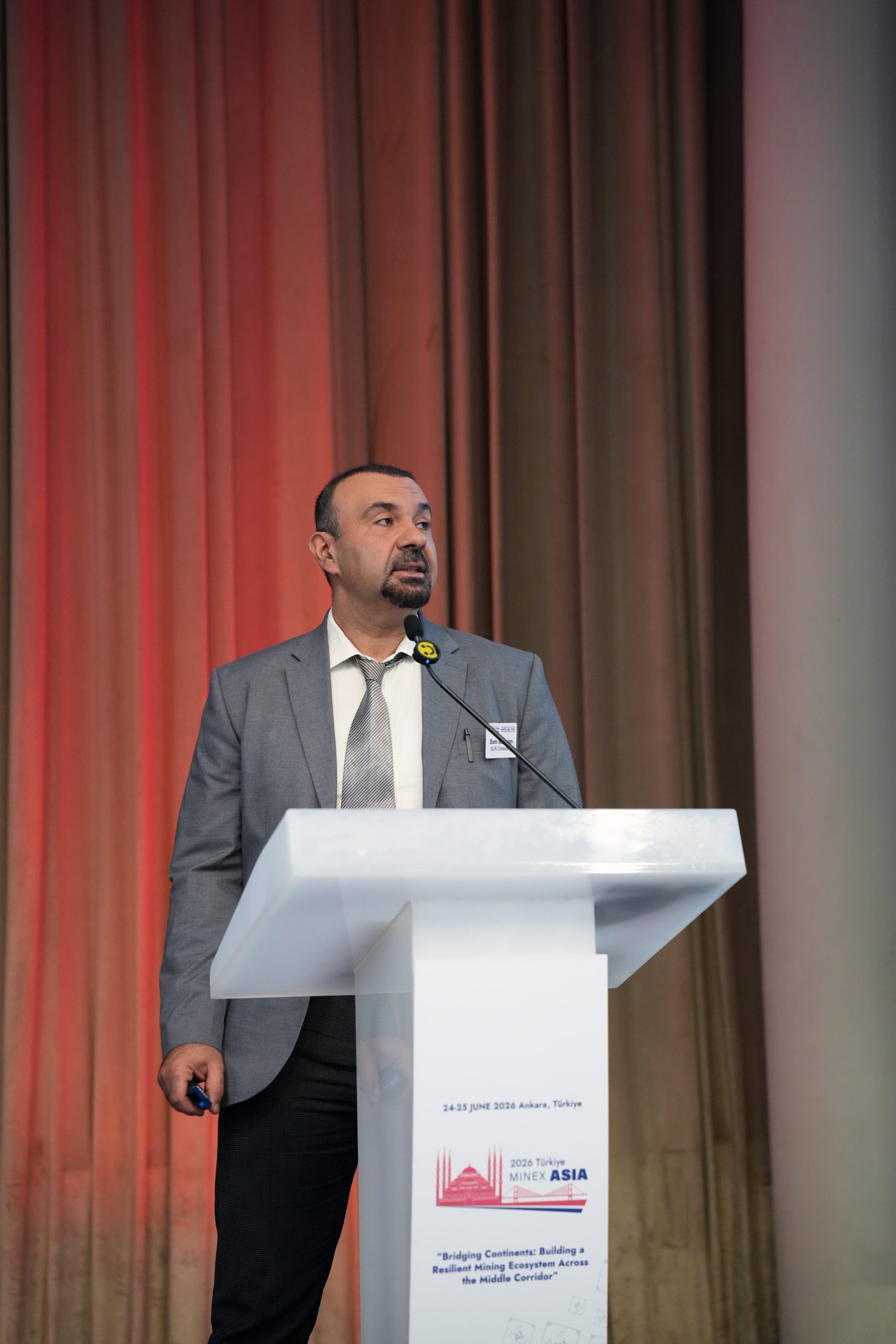
    Safavian opened by contrasting the previous day’s discussions of production figures and market demand with the more sobering task of protecting business, society, and environment. His presentation centered on risk-based safety reviews for tailings dams, illustrated through a detailed case study.

    He began with the 2019 Brumadinho disaster in Brazil, which killed around 270 people and led to the creation of the Global Industry Standard on Tailings Management (GISTM). Despite this milestone, he noted that major tailings failures have continued to occur since, prompting his central question: could the industry do better? His answer was an unequivocal yes — through systematic identification of credible failure modes, followed by rigorous analysis and mitigation of intolerable risks.

    He argued that tailings safety deserves board-level priority because a single incident can destroy the value that production creates, resulting in loss of life, environmental damage, shutdowns, regulatory intervention, loss of license, remediation costs, and lasting reputational harm. He referenced Bulletin 121, an ICOLD resource cataloging historical dam failures, noting principal causes have historically included inadequate water balance control, poor construction oversight, and insufficient understanding of safe operation — issues that modern risk assessment can anticipate.

    He distinguished between standard-based assessment (a checklist-style “health checkup”) and risk-based assessment, using a health analogy: when multiple problems exist simultaneously, they can’t all be fixed at once, so prioritization matters. Risk-based assessment builds on standard-based data rather than replacing it. He outlined the full process: gap analysis, failure mode and effects analysis (FMEA) via expert workshops, probability estimation, risk analysis and evaluation, and iterative mitigation until acceptable risk thresholds are met.

    He explained that tailings failures are rarely caused by a single defect, but rather by system-level interactions between physical components, failure mechanisms, operational factors, and governance. He illustrated this with two historical examples: Brumadinho (internal piping leading to static liquefaction and slope failure) and Mount Polley in Canada (foundation weakness leading to overtopping and breach).

    The core of his talk was a case study of the Essakane gold mine in Burkina Faso, an open-pit operation producing roughly 350,000 ounces of gold annually. He detailed the facility’s construction phases, materials, and staged embankment raises, then described a 2023 failure mode assessment that identified six credible failure modes, including seismic liquefaction-induced slope instability, overtopping, and piping through weak layers. Using flood and seismic frequency curves, his team calculated an estimated total annual probability of failure of 7.6×10⁻⁷, with post-seismic liquefaction accounting for roughly 45% of that risk and piping accounting for about 37%.

    Critically, he noted that routine “normal sunny day” conditions contributed about 75% of total annual risk — indicating that everyday operational conditions, not extreme events, dominate the risk profile. The resulting societal risk fell more than two orders of magnitude below regulatory tolerability thresholds, demonstrating the facility’s overall safety while still identifying specific vulnerabilities warranting monitoring and mitigation.

  • Bridging Nuclear Technology and Mining: Turkey’s Strategic Role in Critical Minerals Supply Chains

    Bridging Nuclear Technology and Mining: Turkey’s Strategic Role in Critical Minerals Supply Chains

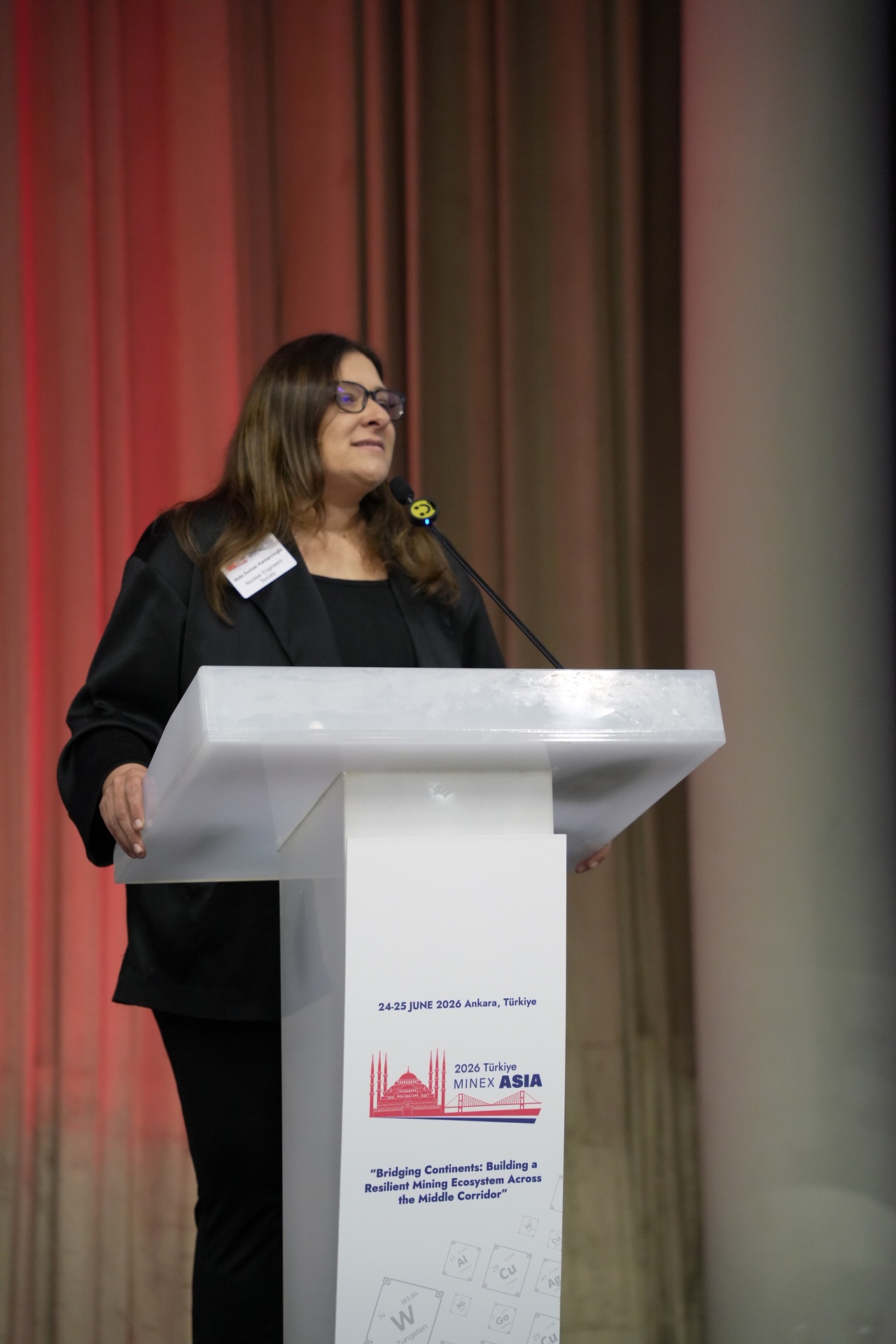
    In a recent presentation, Dr. Kantarcıoğlu, a competence development manager at the Secretariat of Defense Industries and a member of the Nuclear Engineers Society, highlighted the growing interconnection between the nuclear technology and mining sectors. With a background in nuclear engineering, she expressed her surprise at the insights gained from previous speakers and framed her talk as an effort to foster collaboration between these two industries. She posited that critical minerals have transcended their traditional mining context, becoming pivotal to energy security, industrial competitiveness, and technological independence.

    Dr. Kantarcıoğlu emphasised the potential for cooperation among Turkey, the UK, Europe, and Central Asian countries, suggesting that the conversation should extend beyond mere raw material supply to encompass technology and energy infrastructure. She advocated for the evolution of the Middle Corridor, traditionally viewed as a transport route, into a strategic supply line that integrates mineral resources with processing capabilities and global markets. Turkey’s geographical advantages, including its ports and industrial zones, position it as a key player in this emerging corridor.

    The urgency of this positioning is underscored by the rising global demand for critical minerals such as lithium, nickel, and rare earth elements, which are essential for future energy systems and advanced technologies. Dr. Kantarcıoğlu argued that Europe requires a secure and diversified critical mineral supply chain, while Turkey has the opportunity to leverage its resources and industrial capacity to meet this demand. She called for a shift from simple raw material trading to joint investments in processing and technology development.

    A significant aspect of her argument was the role of nuclear technology in the mining sector. She noted that nuclear technology is not only reliant on secure mineral supplies but also actively supports mining operations through various applications. These include exploration analysis, process control, and safety monitoring, with nuclear energy offering a low-carbon power alternative for mining operations, particularly in remote locations that currently depend on costly diesel fuel.

    Dr. Kantarcıoğlu highlighted the potential of small modular reactors (SMRs) and micro reactors to meet the diverse energy needs of mining operations, suggesting that these technologies could provide reliable, long-term energy solutions tailored to specific site requirements. She pointed out that many remote mines face logistical challenges with conventional fuel supplies, making nuclear energy an attractive option.

    Despite the promising prospects, she acknowledged the practical barriers to deploying advanced nuclear technology in mining, including regulatory frameworks, financing, and workforce capacity. However, she argued that a symbiotic relationship could develop, where mining supplies uranium and other critical minerals needed for nuclear systems, while nuclear energy enhances the efficiency of mineral extraction.

    In closing, Dr. Kantarcıoğlu tied her insights back to Turkey’s national context, noting the country’s ambitions to expand its nuclear energy capacity and develop local expertise. She stressed the importance of building coordinated national competencies in the nuclear sector to realise the potential benefits of this convergence. Ultimately, she concluded that the future of the nuclear and mining sectors is intertwined, and Turkey’s strategic positioning could enable it to become a vital industrial anchor in the region, moving beyond its role as merely a transit country.