Website: Asia.com

  • Sarytogan Graphite Reports Promising Copper Drill Results at Baynazar Project in Kazakhstan

    Sarytogan Graphite Reports Promising Copper Drill Results at Baynazar Project in Kazakhstan

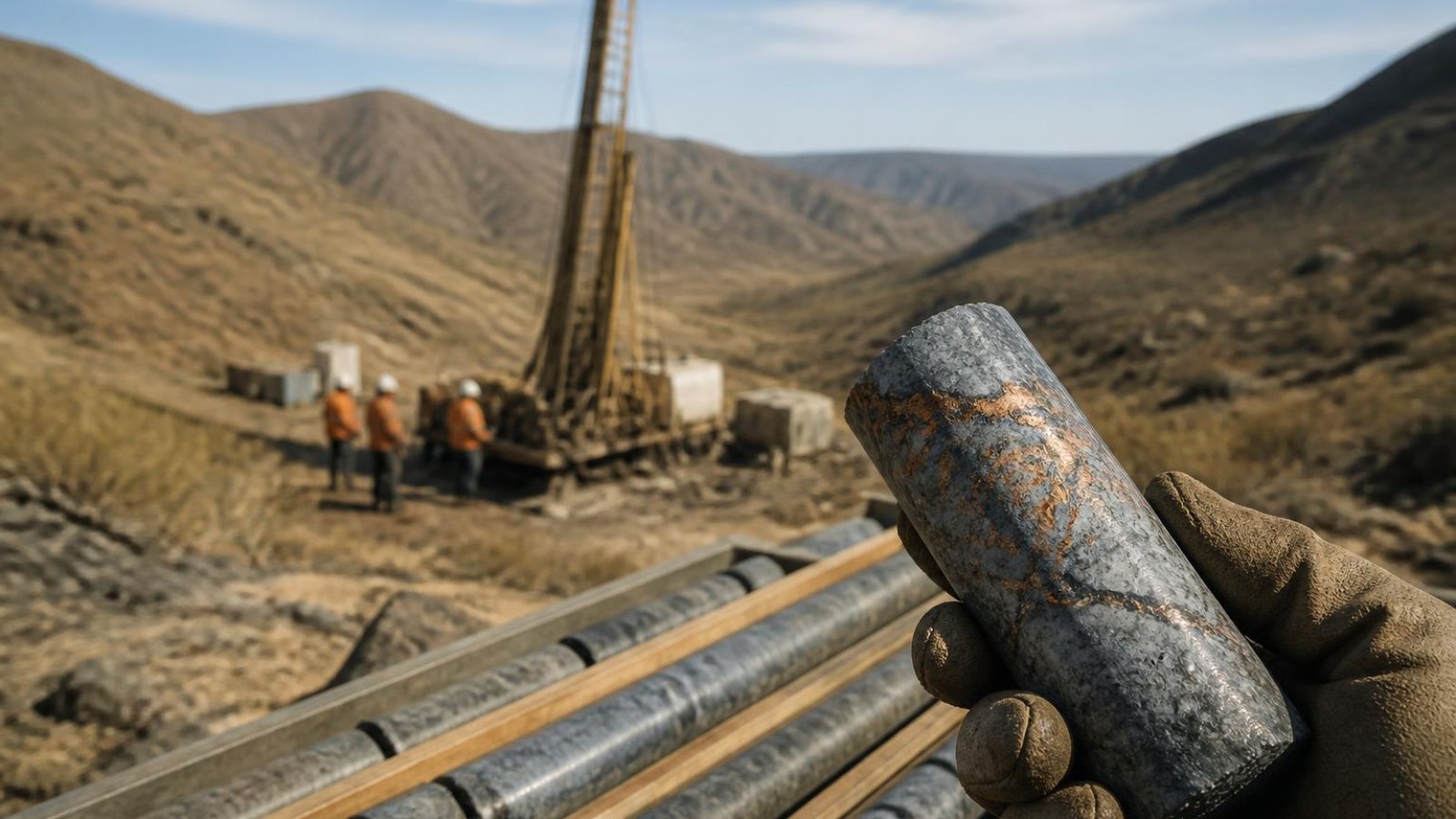
    Sarytogan Graphite Limited (ASX: SGA) has announced significant results from the second of three diamond drill holes at the Ilksan prospect, part of the Baynazar copper exploration project located in central Kazakhstan. The results from drill hole DDH-IL26001A indicate a substantial copper porphyry mineralisation, with the hole returning an impressive 318 metres at a grade of 0.14% copper (Cu) and 0.027 parts per million (ppm) gold (Au) from the surface to the end of the hole. Notably, the drill hole included several high-grade intervals, such as 18.9 metres at 0.29% Cu and 0.093 ppm Au from 5.0 metres, and 15.2 metres at 0.40% Cu, 0.082 ppm Au, and 1.8 ppm silver (Ag) from 163.4 metres.

    These results build on the findings from the first diamond drill hole, DDH-IL26002, which reported 229 metres at 0.14% Cu and 0.027 ppm Au, further extending the known mineralisation at the site. The earlier hole also highlighted notable intersections, including 11.6 metres at 0.26% Cu and 407 ppm molybdenum (Mo) from 33.8 metres, and 16.2 metres at 0.36% Cu, 0.12 ppm Au, and 1.4 ppm Ag from 159.7 metres.

    Sarytogan Graphite is eagerly awaiting the results from the third diamond drill hole, which is expected to be released in the coming weeks. The ongoing exploration at the Baynazar project is part of the company’s strategy to enhance its copper portfolio and leverage the growing demand for copper in various industries, particularly in renewable energy and electric vehicle production. As the exploration progresses, Sarytogan Graphite aims to solidify its position in the copper market, contributing to the broader mining landscape in Kazakhstan, a country rich in mineral resources and potential.

    With the results from the Ilksan prospect, Sarytogan Graphite is poised to attract further interest from investors and stakeholders in the mining sector, as the company continues to explore and develop its projects in this mineral-rich region.

  • Exploration of Gold-Tungsten Asset A26-KZ-1125 in Kazakhstan’s Abay Region

    Exploration of Gold-Tungsten Asset A26-KZ-1125 in Kazakhstan’s Abay Region

    Norterra Resources has unveiled its latest exploration asset, A26-KZ-1125, located in Kazakhstan’s Abay Region, which is part of the West-Kalba metallogenic zone known for its gold mineralisation. This asset was identified through an extensive regional screening process that analysed approximately 82,000 km² of historical geological data. The evaluation employed VEDART RS® technology, confirming the area’s prospectivity and revealing three priority mineralised zones within the licence boundary.

    Currently classified under Advanced Exploration/Prospect, A26-KZ-1125 holds inferred resources of about 1.5 tonnes of gold in the P2 category and 1.6 tonnes in the P3 category. The focus at this stage is on reducing geological uncertainty and expanding the resource base, with the aim of upgrading the asset to the Indicated category according to international reporting standards.

    The preliminary economic model projects a net present value (NPV) of $55.2 million over a ten-year planning horizon, which will be refined as exploration progresses. Norterra Resources emphasises its commitment to early-stage, geologically justified assets that have a clear development pathway and defined next steps.

    The company invites professionals in mining investment and mineral exploration to engage with them for further discussions about the project. Detailed project materials are available under non-disclosure agreements (NDAs), and interested parties are encouraged to reach out for more information or to follow Norterra Resources for updates on their portfolio.


  • TMK and Japanese Business Leaders Forge New Partnerships in Critical Minerals

    TMK and Japanese Business Leaders Forge New Partnerships in Critical Minerals

    In a significant move towards enhancing international cooperation in the mining sector, the Uzbekistan Technological Metals Complex (TMK) recently hosted a delegation of prominent Japanese business leaders in Tashkent. The delegation, led by Masayuki Tanimoto, Chairman of the Japan-Uzbekistan Economic Committee and President and Senior Advisor to the Chief Executive Officer of Mitsubishi Corporation, included representatives from major corporations such as Mitsubishi Corporation, Marubeni Corporation, and Innoventier LPC, among others.

    The discussions centred on expanding Uzbek-Japanese collaboration in the critical minerals sector, highlighting the importance of developing investment and financing mechanisms. Both parties acknowledged the necessity of introducing advanced technologies and producing high-value-added products to bolster their respective economies. The Japanese delegation underscored the need to diversify supply chains for critical raw materials, positioning Uzbekistan as a key partner in this endeavour.

    Specific areas of cooperation were identified, including the supply of critical metals to Japan, engaging Japanese firms in promising mining and processing projects, and securing project financing through Japanese financial institutions. The establishment of the Metals of the Future Technopark was also a focal point, with plans to jointly produce high-value-added products that could benefit both nations.

    Moreover, the meeting explored opportunities for collaborative projects within the R&D Park, aiming to introduce cutting-edge Japanese technologies and strengthen technological partnerships. The discussions concluded with a commitment to intensify the joint development of promising projects and to continue targeted negotiations with Japanese companies and financial institutions.

    As both parties move forward, they are set to prepare specific investment, technological, and financing proposals, marking a pivotal step in fostering a robust partnership that could reshape the landscape of critical minerals supply chains in the region.


  • Uzbekistan Aims to Retain Profits from Central Asia’s Critical Metals Amid Growing EU Interest

    Uzbekistan Aims to Retain Profits from Central Asia’s Critical Metals Amid Growing EU Interest

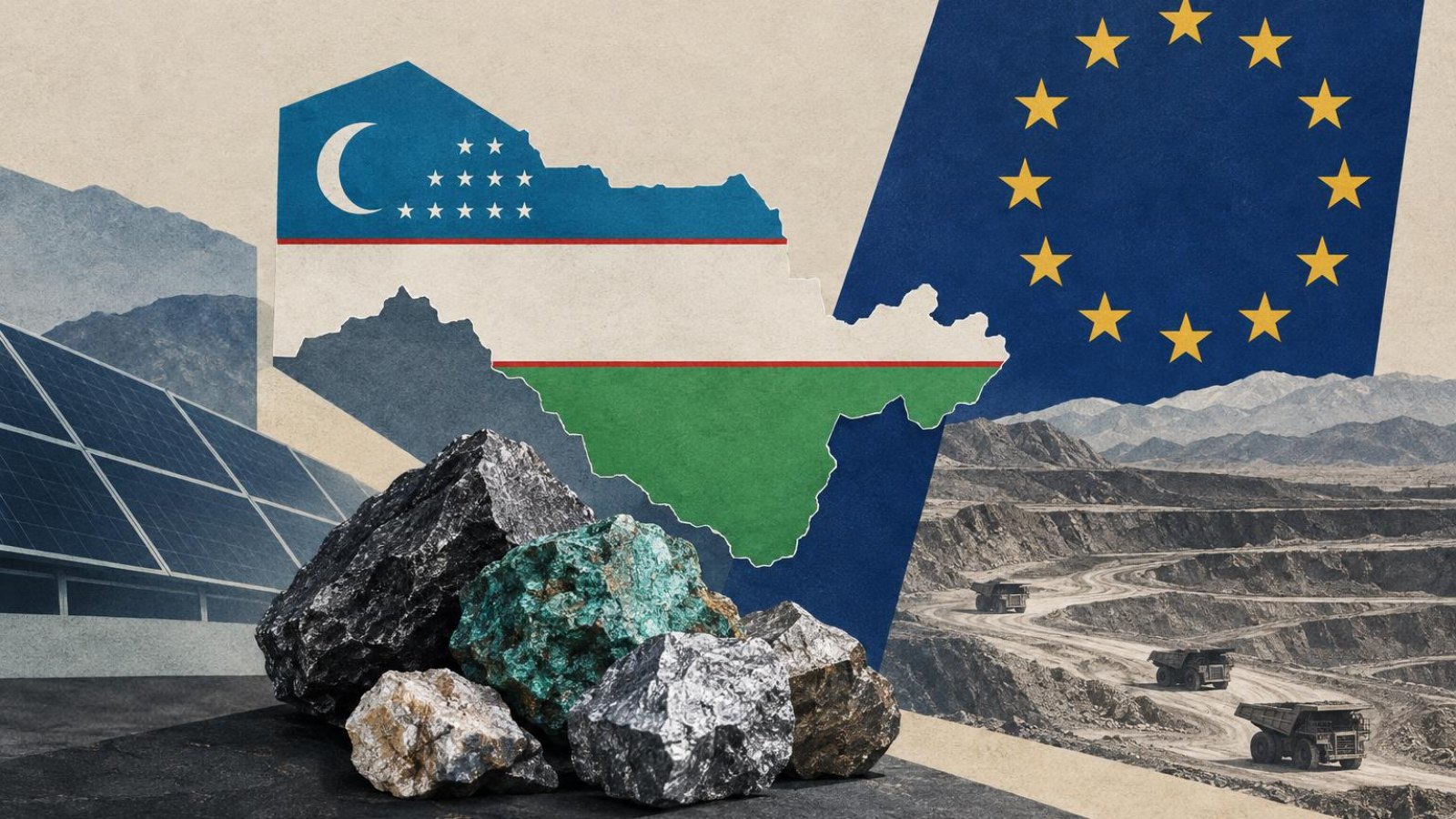
    The European Union is intensifying its interest in the critical metals and minerals of Central Asia, viewing the region as a potential source of raw materials essential for its digital and green transformation. This interest is not solely focused on access to mineral deposits but also on establishing new production chains that encompass exploration, extraction, processing, and the production of high-value-added products. According to Shahnoza Kodirova, head of the Department at the Institute for Strategic and Interregional Studies under the President of Uzbekistan, the EU’s interest stems from a desire to diversify supply sources and reduce dependence on a limited number of providers.

    For the European economy, this issue transcends trade; it is about the long-term sustainability of its industries. Critical minerals are vital for the development of digital technologies, energy, electric transport, and other sectors of the green economy. In this context, Central Asia is gaining new significance for Europe—not just as a source of mineral raw materials, but as a potential site for deep processing and the production of high-value-added goods.

    The growing importance of critical mineral resources is also reflected in political agendas. Cooperation in this area is increasingly discussed at summits between the EU and Central Asia, as well as within the framework of the European initiative Global Gateway. Concurrently, political agreements are gradually transitioning into concrete investment projects. Notable examples include investments by the German company HMS Bergbau AG in lithium exploration in Kazakhstan and a partnership between the French company Orano and Uzbekistan’s state enterprise Navoiuran for uranium extraction.

    European involvement in the region extends beyond mere extraction of minerals. Cooperation encompasses industrial, energy, and transport infrastructure, which are essential for forming complete production chains. For instance, German banks have allocated €146 million for a copper smelting plant project at the Almalyk Mining and Metallurgical Complex. The EU is also assisting in the modernization of energy and transport infrastructure in Kyrgyzstan and Tajikistan.

    Uzbekistan’s challenge lies in ensuring that it does not remain merely a supplier of ore and concentrates but gradually transforms into a producer of products necessary for the global high-tech industry. To achieve this, the country is developing a production chain that covers the entire cycle—from exploration and extraction to processing and the release of finished products. Research centres and scientific parks are being established, aimed at implementing new technologies, fostering innovation, and strengthening the connection between science and industry.

    Essentially, this represents an attempt to alter the economic logic of the raw materials sector: rather than just extracting resources and exporting them, the focus is on maximising the value of products within the country. This approach could provide Uzbekistan with a more advantageous position amid the growing competition for critical minerals. If the country successfully builds a complete production cycle, it could not only benefit from extraction revenues but also capture a larger share of the value created during subsequent stages—processing, production of materials, components, and finished products.


  • Silvercorp Metals Inc. Management Visits Chaarat Site to Review Operations

    Silvercorp Metals Inc. Management Visits Chaarat Site to Review Operations

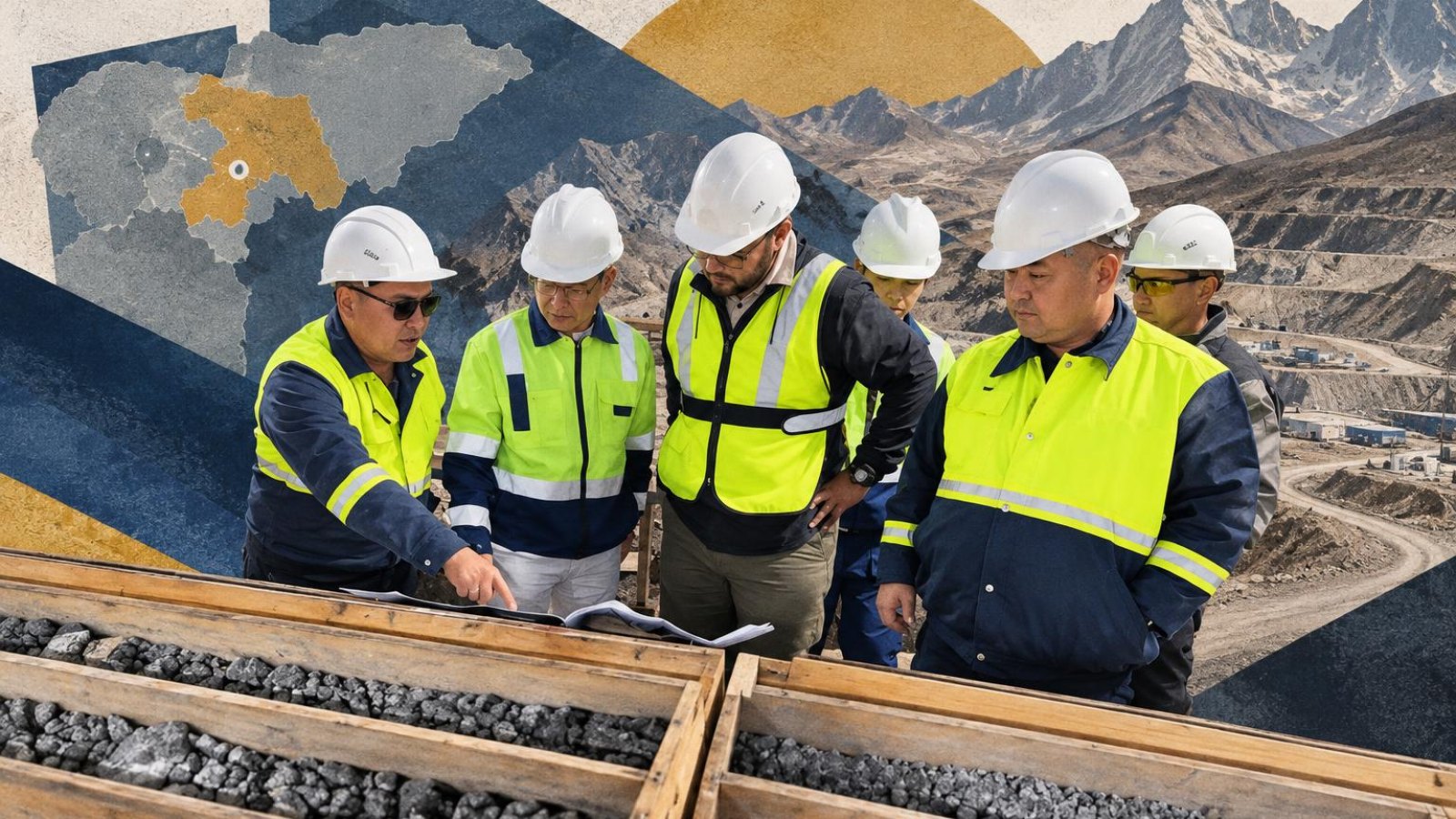
    Silvercorp Metals Inc. has recently conducted a site visit to the Chaarat mining operation, accompanied by key representatives from their state-owned joint venture partner, Kyrgyzaltyn. The delegation included Timur Otorbaev, a mechanical engineer, and Nurlan Isakov, a mining engineer, both of whom serve on the board of Chaarat ZAAV CJSC. This visit is significant as it highlights the collaborative efforts between Silvercorp and Kyrgyzaltyn in advancing the mining operations at Chaarat.

    During the visit, the management team undertook a comprehensive review of several critical areas within the site. They inspected the newly operational camp, which is expected to enhance the living conditions for workers and improve overall operational efficiency. Additionally, the team examined the heap leach pad area, where preparations for crushing, solution ponds, and the ADR (Adsorption, Desorption, and Refining) plant are currently underway. These developments are crucial for the extraction and processing of minerals at the site.

    The delegation also had the opportunity to assess the drill core at the core shed, providing insights into the geological characteristics of the area. Furthermore, they visited the pit area, where stripping operations are actively taking place, indicating progress in the mining activities. The visit concluded with an inspection of a drilling site, underscoring the ongoing exploration efforts aimed at expanding the resource base.

    This site visit not only reflects Silvercorp’s commitment to transparency and collaboration with its partners but also signals the company’s strategic focus on enhancing operational capabilities at Chaarat. As the mining industry continues to evolve, such partnerships and site assessments are essential for ensuring sustainable and efficient mining practices.


  • AzerGold and IRH Collaborate on Mineral Exploration in Nakhchivan Autonomous Republic

    AzerGold and IRH Collaborate on Mineral Exploration in Nakhchivan Autonomous Republic

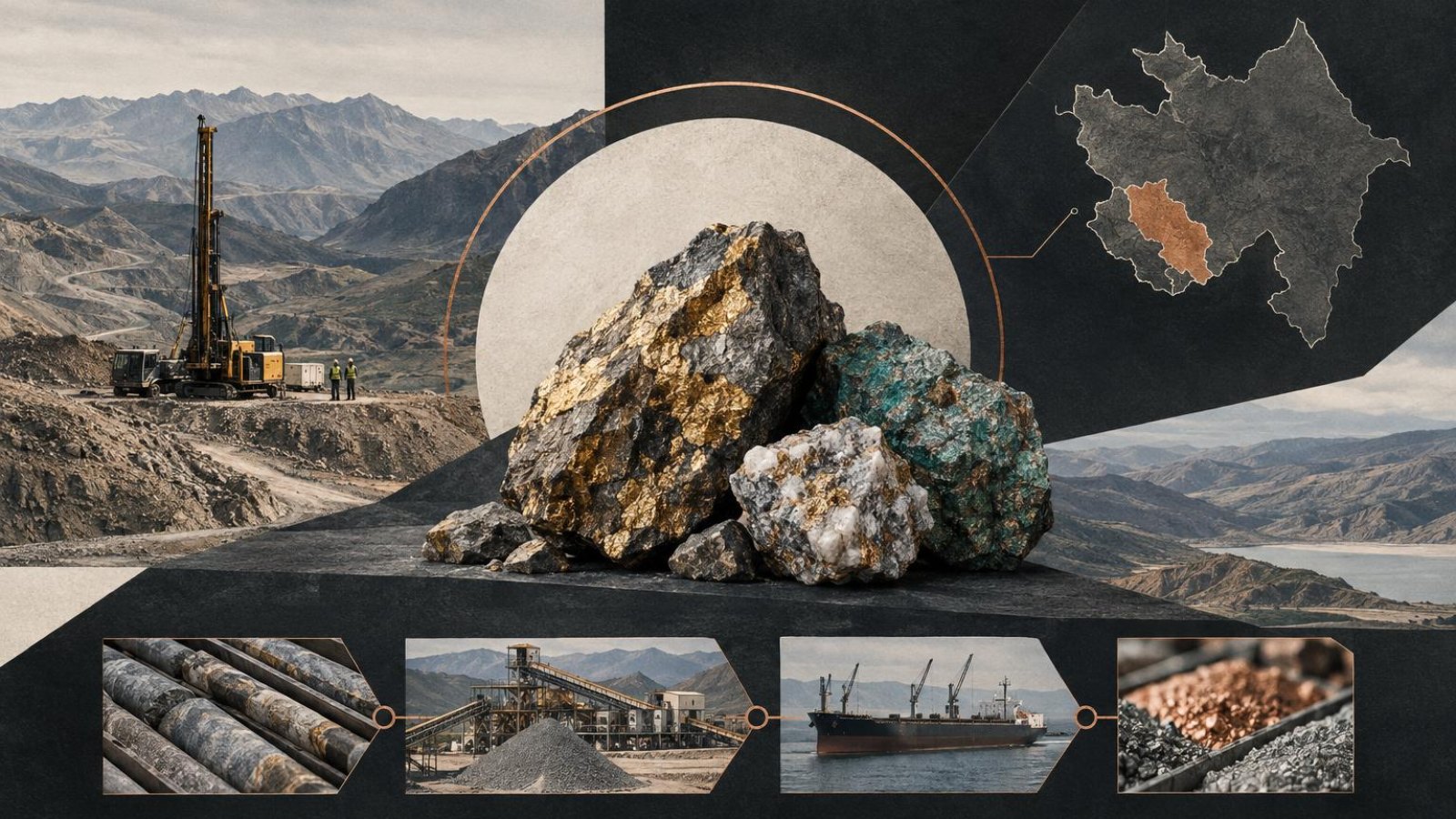
    AzerGold CJSC has entered into a strategic partnership with the UAE-based International Resources Holding (IRH) to explore the mineral and raw material potential of the Nakhchivan Autonomous Republic in Azerbaijan. This collaboration aims to identify and assess significant mineral deposits within the region, focusing on joint geological exploration efforts.

    The agreement was formalised on September 14, 2026, during a ceremony attended by Azerbaijani President Ilham Aliyev and UAE National Security Advisor Sheikh Tahnoon bin Zayed Al Nahyan. The signing of the ‘Agreement for the Joint Evaluation and Exploration of Mineral Potential and Mining Properties within the Nakhchivan Autonomous Republic’ marks a significant step in enhancing bilateral cooperation between Azerbaijan and the UAE.

    Zakir Ibrahimov, Chairman of the Board of AzerGold, and Ali Rashed AlRashdi, CEO of IRH, signed the agreement, which outlines a phased approach to exploration. The initial phase will involve a thorough review of existing geological data and the application of modern exploration techniques to identify promising areas for mineral deposits.

    Should the preliminary assessments yield positive results, the partnership will advance to detailed exploration, with the potential for joint mining operations being considered in subsequent stages. IRH brings extensive international experience in mining asset development, having operated in regions including Africa, South Asia, and the Middle East. This collaboration is expected to leverage IRH’s technical and investment expertise alongside AzerGold’s local knowledge to conduct a comprehensive study of Nakhchivan’s mineral resources.

    The anticipated outcomes of this partnership include the creation of new investment opportunities in Nakhchivan, bolstering the local mining industry, and enhancing employment prospects. Furthermore, it is expected to stimulate economic activity within the region and contribute to the diversification of Azerbaijan’s economy beyond the oil sector.


  • Kazakhstan to Exempt State Enterprises from Large Taxpayer Monitoring

    Kazakhstan to Exempt State Enterprises from Large Taxpayer Monitoring

    In Kazakhstan, state-owned enterprises and non-profit organisations are set to be exempt from monitoring by large taxpayers. The Committee for State Revenues (KGD) aims to redirect its resources towards analysing private businesses, where the risks of tax optimisation are deemed higher. The proposed changes to Article 144 of the Tax Code have been published on the ‘Open NPA’ portal. If approved, this new regulation will come into effect on January 1, 2027.

    Tax authorities justify this amendment by highlighting that monitoring is a resource-intensive process requiring continuous data exchange and ongoing analysis of financial and economic activities. State companies and non-profit organisations do not primarily aim to generate profit, and their operations are already subject to scrutiny by the Supreme Audit Chamber, internal audit services, and supervising ministries. Therefore, the KGD considers additional tax oversight unnecessary.

    Monitoring large taxpayers involves a form of tax control where the KGD collects and analyses information about a company to ensure compliance with tax legislation and transfer pricing rules. Under this procedure, tax officials have the right to request financial reports from the company and its subsidiaries, as well as documents and written explanations to confirm the accuracy of tax calculations and timely payments.

    Companies are given 15 working days to provide the requested documents. If the KGD identifies violations or discrepancies, it sends recommendations for self-correction to the enterprise. Should there be disagreements, a meeting is held, resulting in a reasoned decision from the tax authority. Non-compliance with this decision serves as a direct basis for initiating a full tax audit.

    Currently, the list of large taxpayers includes 524 companies, featuring major state-owned giants such as the Baiterek Holding, KazMunayGas, Kazatomprom, and their subsidiaries. This move reflects Kazakhstan’s ongoing efforts to streamline tax administration and focus on sectors with greater compliance risks.


  • Metinvest Reports $202 Million Loss in H1 2026 Amidst Operational Challenges

    Metinvest Reports $202 Million Loss in H1 2026 Amidst Operational Challenges

    In the first half of 2026, Ukraine’s Metinvest Group reported a net loss of $202 million, a significant increase from the $58 million loss recorded in the same period the previous year. Despite this financial setback, the company saw a 3% year-on-year increase in revenue, reaching $3.657 billion. These results were reported prior to the blockade of exports through Black Sea ports and the forced shutdown of the Southern Mining and Processing Plant, as well as missile strikes on Zaporizhstal and Kametstal in August and September, which halted operations at these metallurgical plants, according to GMK Center.

    The negative financial results were primarily attributed to higher operational costs, losses from the liquidation of subsidiaries, and increased financial expenses. Notably, net operational costs rose by 9% to $3.588 billion, driven by operational currency losses from the revaluation of accounts payable and receivable ($149 million), increased raw material prices, particularly coking coal ($145 million), and rising energy costs ($101 million) amid escalating energy resource prices.

    In terms of market performance, Metinvest’s sales in the Ukrainian market increased by 1%, while revenue from external markets grew by 4%. Sales in Europe saw an 11% year-on-year rise, totalling $1.69 billion in the first half of the year. Conversely, sales in Asia, predominantly in China, fell by 8%, and in the MENA region, they plummeted by 39% to $63 million.

    Additional pressure on the company’s results came from losses related to the exit of subsidiaries, which surged to $86 million from $17 million the previous year, largely due to liquidation procedures for group structures in temporarily uncontrolled territories of Ukraine. Financial expenses also rose by 16% year-on-year to $152 million, mainly due to currency losses in financial activities.

    Despite the reported loss, Metinvest successfully and timely repaid $428 million in Eurobonds in April, reducing its total debt by 27% to $1.057 billion since the beginning of the year. Since 2022, the group has fully repaid three bond issues amounting to over $1 billion without restructuring.

    Between 2022 and 2025, Metinvest invested 43.6 billion UAH in the development of its enterprises and paid over 82.2 billion UAH in taxes. Furthermore, since the onset of the war, the company has directed more than 10 billion UAH to support Ukraine and its citizens, with 7.3 billion UAH allocated for the needs of the Defence Forces as part of the ‘Steel Front’ initiative. The company’s enterprises have also adapted to produce goods for the front, including protective equipment for military personnel and machinery.


  • Eurasian Resources Group Invests Over 350 Million Tenge in Social Projects in Karaganda Region

    Eurasian Resources Group Invests Over 350 Million Tenge in Social Projects in Karaganda Region

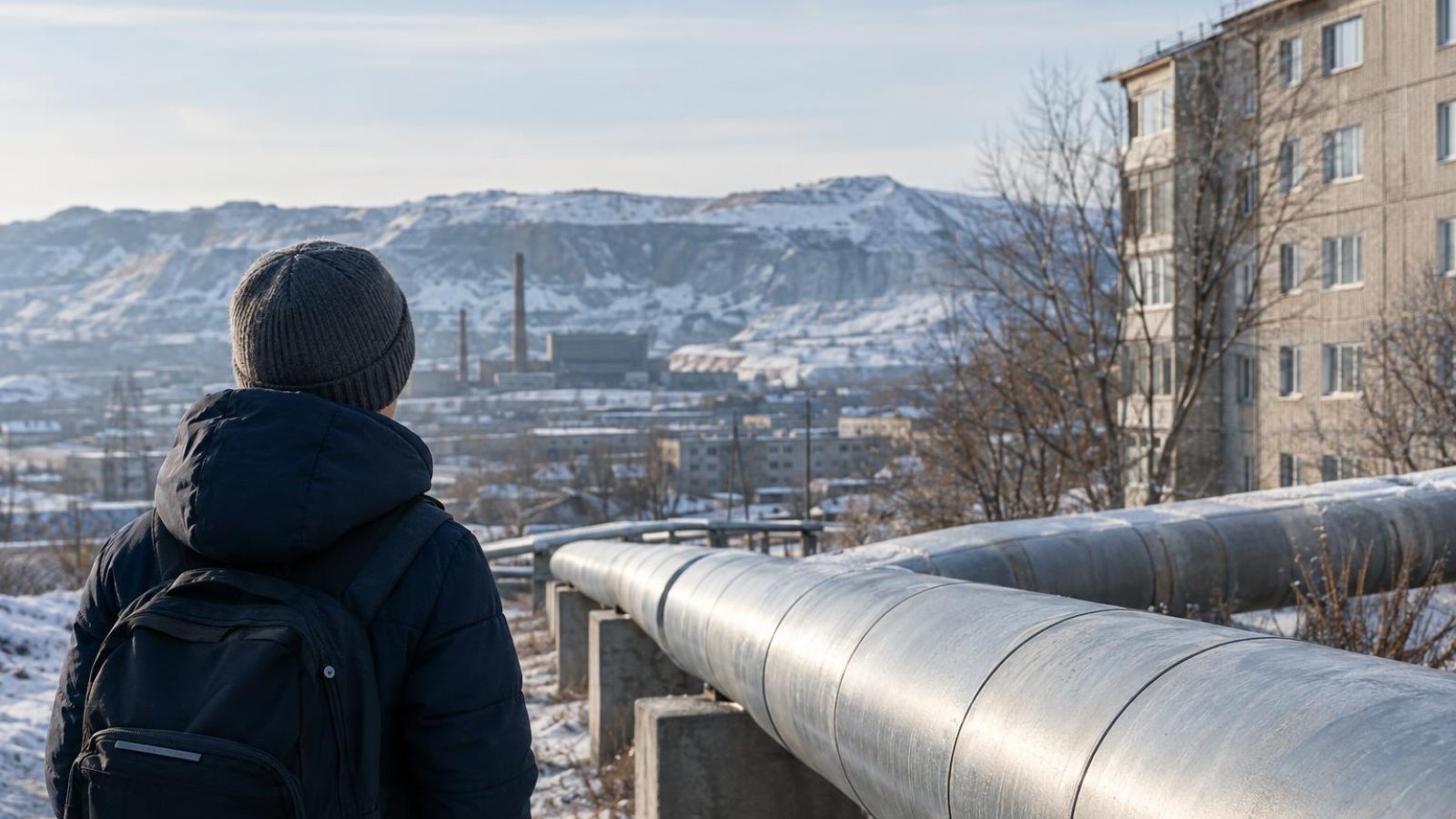
    Eurasian Resources Group (ERG) has committed over 350 million tenge towards enhancing social infrastructure in the Karaganda region of Kazakhstan. This investment aims to ensure the stable operation of local utilities, including heating and water supply, while also providing assistance to low-income families. The agreement was formalised through a memorandum of cooperation signed by the Governor of Karaganda region, Ermaganbet Bulekpaev, and ERG’s General Director in Kazakhstan, Kudrat Shamiyev.

    A significant portion of the funds will be allocated to the communal infrastructure of Shubarkol, where ERG will procure coal and electricity for the local boiler house. The company will also cover the operational costs, including staff salaries, transportation, and maintenance of the facility. Additionally, ERG will continue to manage the sewage pumping station and the intra-village water supply networks, ensuring that essential services remain uninterrupted for the community.

    In a further effort to support the local population, ERG plans to distribute 500 tonnes of coal to underprivileged families in the Nura district. Kudrat Shamiyev emphasised the importance of social projects that deliver tangible benefits to the communities in which the company operates, highlighting ERG’s commitment to addressing specific local challenges.

    This initiative is part of ERG’s broader strategy of corporate social responsibility, which has seen the company previously invest in community development projects. Notably, in 2025, ERG constructed modern children’s and sports playgrounds in Shubarkol to commemorate the 40th anniversary of Shubarkol Komir JSC. Such efforts reflect ERG’s ongoing dedication to fostering sustainable development and improving the quality of life for residents in the regions it serves.


  • Uzbekistan Highlights Critical Minerals Cooperation at Central Asia-Korea Summit

    Uzbekistan Highlights Critical Minerals Cooperation at Central Asia-Korea Summit

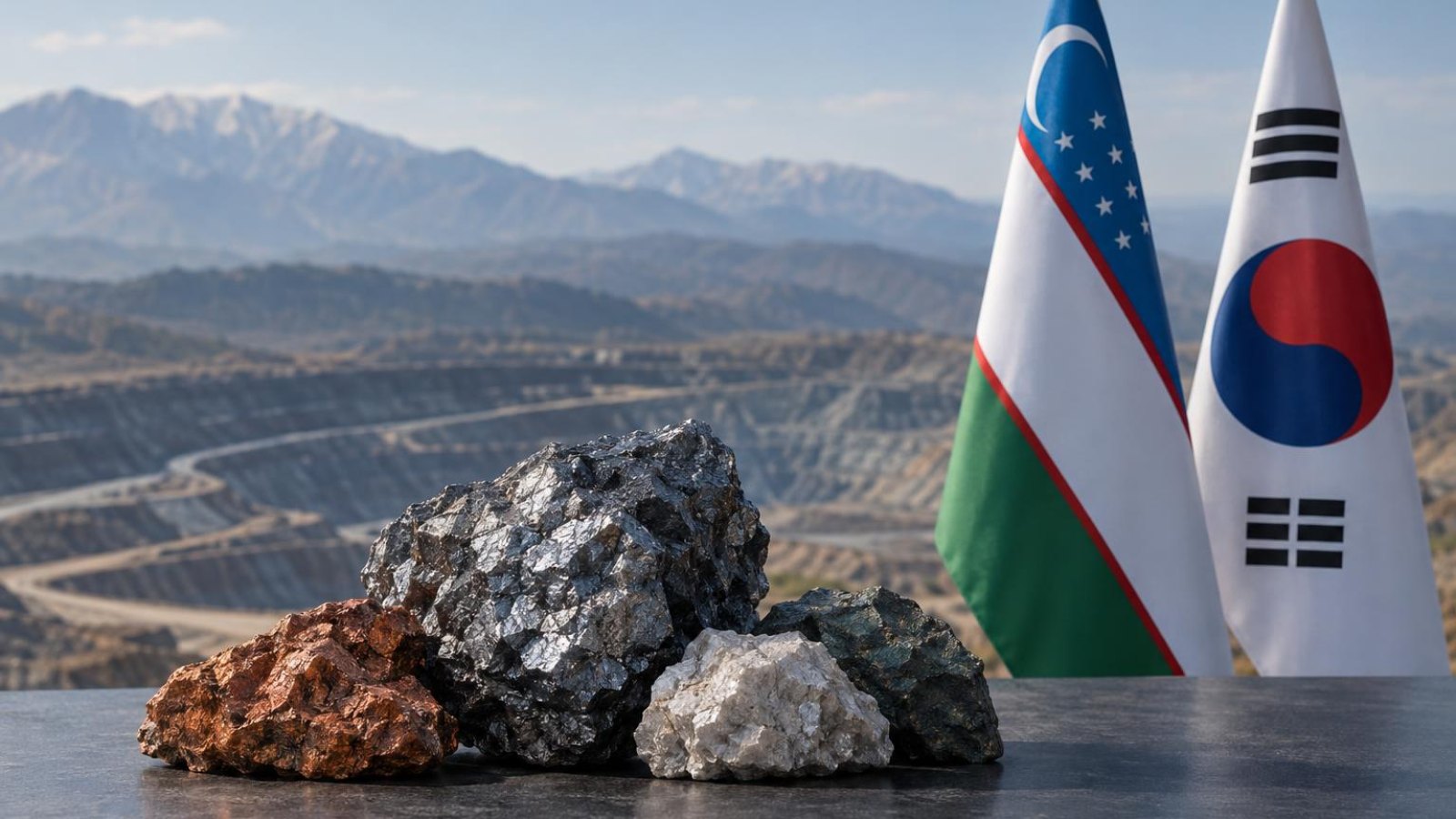
    In a significant address at the inaugural ‘Central Asia – Republic of Korea’ Summit, President Shavkat Mirziyoyev of Uzbekistan underscored the importance of critical minerals as a focal point for future collaboration between Central Asia and South Korea. He articulated that this partnership could mark a new chapter in their engagement, particularly in light of the increasing global demand for critical minerals and the abundant reserves found within the region. Mirziyoyev noted that Central Asia has the potential to emerge as a leading supplier of these valuable resources, leveraging South Korea’s advanced technologies and investment capabilities to unlock this potential.

    To facilitate this collaboration, President Mirziyoyev proposed the establishment of a Regional Investment Alliance for Critical Minerals. This initiative aims to foster the development of robust processing clusters throughout Central Asia, encompassing the entire value chain—from geological exploration and extraction to the deep processing of raw materials and the production of high value-added goods. Such a comprehensive approach is expected to enhance the region’s competitiveness in the global market for critical minerals, which are essential for various high-tech industries.

    The summit highlighted the strategic convergence of interests between Central Asia and South Korea, with both parties recognising the mutual benefits of cooperation in this sector. As global economies increasingly pivot towards sustainable and technologically advanced solutions, the role of critical minerals becomes ever more pivotal. The proposed alliance could not only bolster economic ties but also ensure that Central Asia plays a crucial role in the global supply chain for these essential resources.

    This initiative reflects a broader trend in the mining industry, where countries rich in mineral resources are seeking to enhance their processing capabilities and value addition, rather than merely exporting raw materials. By establishing a framework for collaboration, Uzbekistan and its Central Asian neighbours are positioning themselves to capitalise on the growing demand for critical minerals, which are vital for the production of batteries, electronics, and renewable energy technologies.

    As the world moves towards a greener future, the importance of critical minerals cannot be overstated. The engagement between Central Asia and South Korea could serve as a model for similar partnerships globally, fostering innovation and sustainable practices in the mining sector.