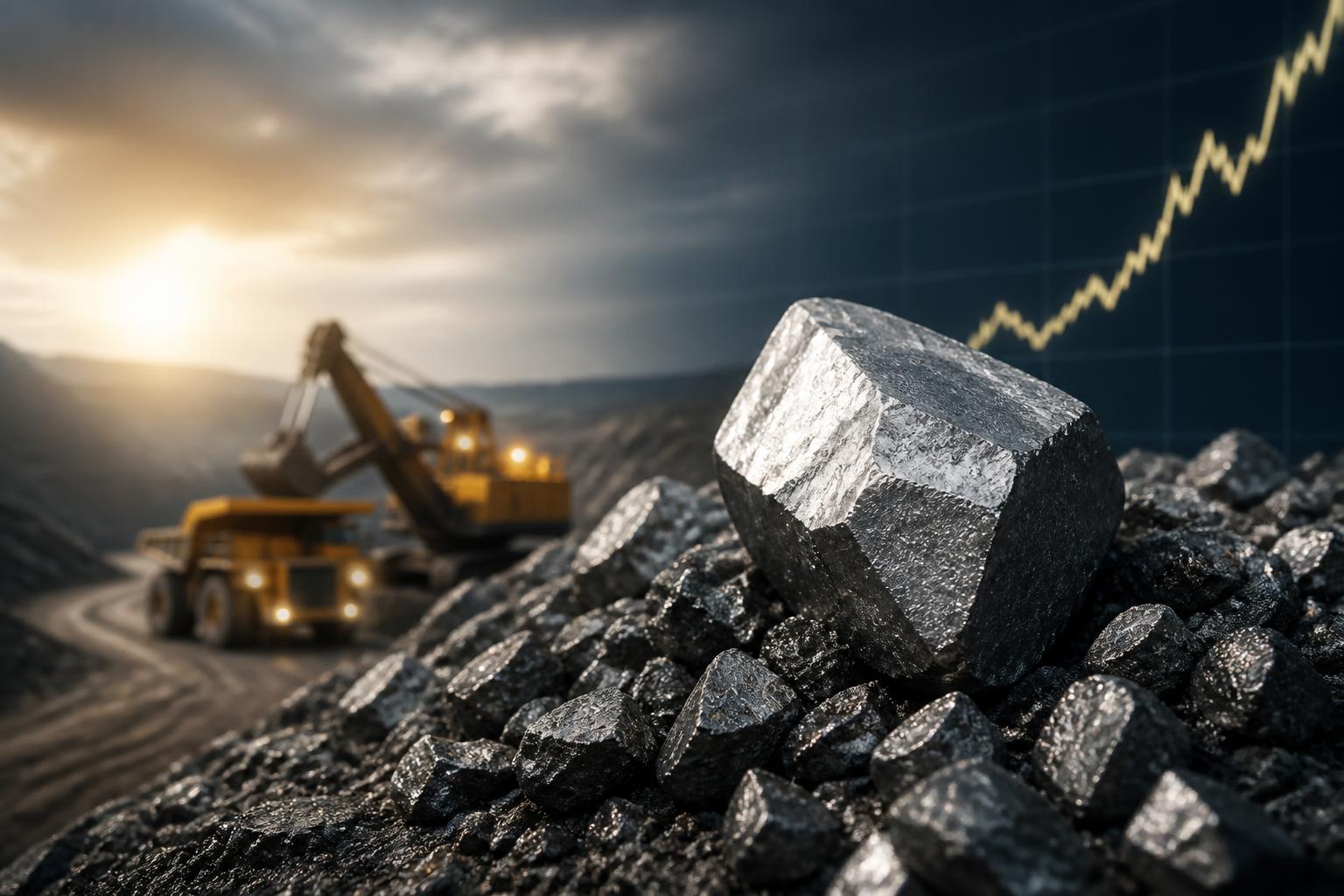
The tungsten market is experiencing a significant price surge, with prices increasing by 310% from January to July 2026, driven by Chinese export controls and rising military demand. According to a recent report from S&P Global, global first-use tungsten demand is projected to rise from approximately 162,000 tonnes of WO₃ in 2025 to 180,000 tonnes by 2030 and 202,000 tonnes by 2035. China remains the dominant player in the tungsten market, having produced 67,000 tonnes of the total 85,000 tonnes mined globally in 2025 and controlling about 85% of APT refining capacity.
Despite the announcement of 11 new projects that could add about 20,000 tonnes of annual mine capacity outside China by 2030, S&P Global estimates a primary mine supply gap of 16,000 tonnes ex-China by 2030. This gap is concerning, especially as the price of tungsten APT has surged from approximately US$83/kg WO₃ in January 2026 to US$340/kg in July 2026. While the price increase has surpassed the theoretical investment hurdle for new supply, the real challenge lies in the development bottlenecks related to financing, permitting, and construction.
The report highlights several key projects that could potentially deliver new tungsten supply, including the Sangdong project in South Korea, Hemerdon in the UK, and Northern Katpar in Kazakhstan. However, the timeline for these projects remains uncertain, and their success is contingent upon various factors, including financing and regulatory approvals.
Tungsten is classified as a critical mineral due to its unique properties, which make it essential for various applications, including defence, industrial tools, and technology. The rising prices reflect a complex interplay of supply chain issues, geopolitical tensions, and strategic stockpiling, particularly in the context of US-China relations. As the US prepares to impose significant restrictions on tungsten imports from certain countries in 2027, the market is likely to face further challenges in meeting demand.
While the current price levels may incentivise new tungsten supply, the industry faces significant hurdles in terms of project financing and development timelines. The tungsten market is at a critical juncture, with supply constraints likely to persist unless substantial investments and regulatory support are provided to facilitate new production.
A UK based IntelliSense.io, a leader in Industrial Decision Intelligence for the mining and minerals processing sector, has announced a significant investment from SEP, a prominent enterprise technology investor, alongside strategic contributions from Mitsubishi Corporation and Hitachi Construction Machinery. This investment is set to accelerate product development, expand into new markets, and enhance go-to-market operations, positioning IntelliSense.io to further its impact across the global mining landscape.
The company’s AI-native platform is designed to help mining operators and asset owners identify and automate optimisation opportunities that have traditionally been challenging to capture. By integrating real-world physical process constraints with site-specific data, the platform enables real-time decision-making through autonomous execution agents across critical operational processes, including material tracking, stockpile management, and various stages of mineral processing. In fully operational deployments, IntelliSense.io has reported impressive outcomes, including a 5% increase in throughput and an 8% reduction in reagent consumption, even in operations already recognised for their optimisation.
IntelliSense.io’s technology is currently deployed across more than 24 projects at Tier 1 mining companies in eight countries and across multiple commodities. The recent investment has also led to the formation of a Strategic Advisory Board, which includes mining veterans such as Mark Cutifani, former CEO of Anglo American, and Nev Power, former CEO of Fortescue Metals Group. Their extensive experience is expected to guide the company in delivering AI-enabled decision systems that meet the rigorous demands of industrial-scale operations.
As the demand for critical minerals rises amid geopolitical shifts, the need for operational intelligence in mining has never been more pressing. IntelliSense.io is strategically positioned to support governments and producers in achieving AI sovereignty and ensuring critical minerals security. The company’s proprietary architecture, known as Owned Inference, differentiates it from competitors by focusing on domain-specific models that leverage the underlying science of industrial processes rather than relying solely on statistical patterns.
The investment from SEP, led by Keith Davidson and Daniel Muranda, aligns with the firm’s strategy of partnering with innovative technology founders to address complex challenges faced by global enterprises. With a strong foundation and a commitment to international expansion, IntelliSense.io is poised to enhance its role as a trusted partner in the mining sector, driving sustainable practices and operational efficiencies in an increasingly competitive market.
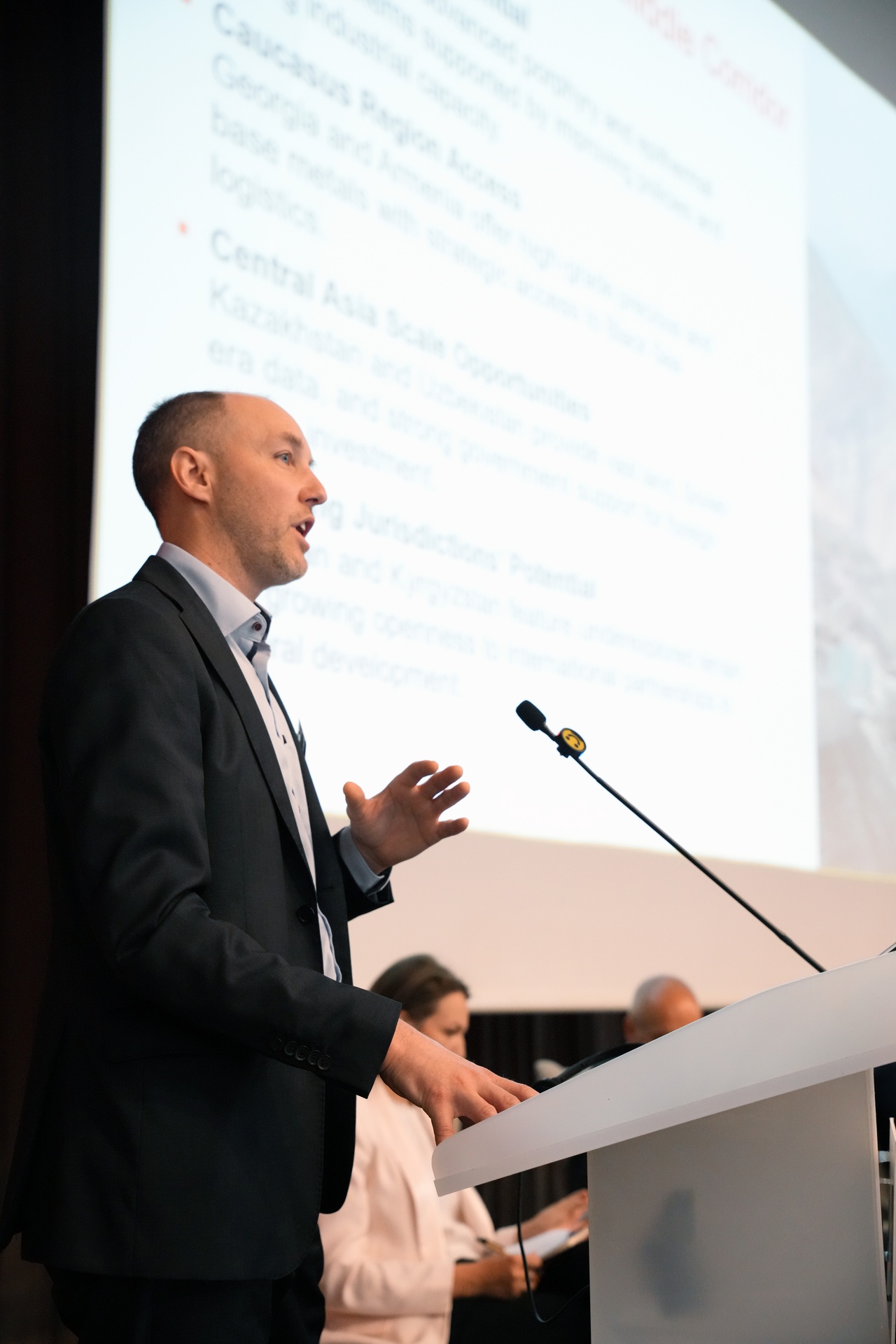
In a recent presentation, expert Hrstka shifted the focus from geopolitical and financial discussions to the practical technical tools that can aid mining companies and investors in identifying and de-risking promising projects early in their development. He emphasised the importance of advanced mineralogy and digital tools in fast-tracking project development, reducing technical risks, and optimising performance, particularly in the context of the Middle Corridor and Tethyan Belt. Hrstka’s insights were informed by his recent visit to Tajikistan, where he was able to incorporate personal photographs into his presentation, adding a touch of authenticity to his discussion.
Hrstka’s central thesis highlighted the significant opportunities present in the Tethyan Belt and Middle Corridor, underscoring the existence of geology, known deposits, active projects, and available financing. However, he pointed out the ongoing challenge of transforming geologically interesting discoveries into bankable and operable projects that are sufficiently de-risked for investment. He argued that the technological advancements in the industry have expanded the toolset available to address these challenges, urging stakeholders to leverage these digital capabilities when evaluating deposits in emerging regions.
A key aspect of Hrstka’s presentation was the distinction between elements and minerals, noting that mining companies extract and process minerals rather than isolated elements. He stressed the importance of understanding the mineral form early in a project’s lifecycle to predict how materials will behave during processing and production. He identified a persistent knowledge gap between early-stage geological and geochemical data and the final product, which he argued contributes significantly to project risk and value destruction.
Providing geological context, Hrstka described the Tethyan Belt as a vast metallogenic province that stretches from Europe to Central Asia, formed by major tectonic processes and hosting a variety of mineral deposit styles. He referenced existing large-scale projects within the belt as evidence of its potential, while also highlighting the unexplored and underinvested territories in Kazakhstan, Uzbekistan, and Tajikistan. He asserted that the real challenge lies not in geology but in the practical processes required to convert geological potential into functioning projects.
The urgency of this topic was underscored by the rising demand for copper, lithium, gold, and graphite, driven by sectors such as AI data centres, which are both power and metal-hungry. Hrstka connected this demand surge to broader geopolitical stresses, suggesting that these pressures are pushing the industry to seek more resources and accelerate production, thereby elevating the Tethyan Belt to a strategic importance.
Delving into the technical core of his presentation, Hrstka explained mineralogy as a critical intermediary between geochemistry and metallurgical test work. He illustrated how modern digital tools enable mineralogical analysis on a larger and more statistically representative scale than previously possible, addressing a long-standing weakness in the industry. He cautioned against the common error of assuming that merely measuring the presence of an element in complex deposits is sufficient for financing decisions, emphasising the need for verification of economic recoverability through processing.
Hrstka framed mineralogy as a component to be integrated with standard metallurgical test work, building confidence progressively as projects move from evaluation to production optimisation. He provocatively suggested that mandatory mineralogical characterisation could become part of reporting requirements for critical minerals projects, given its direct impact on recovery predictions.
To illustrate the economic benefits of this approach, Hrstka presented a case study with P2 Gold, where systematic test work improved the gold recovery rate, translating into significant annual savings. He argued that targeted technical investments in understanding ore can yield substantial financial returns. Furthermore, he highlighted the potential for applying modern geometallurgical concepts to legacy projects and old tailings, particularly in Tajikistan, to unlock additional value.
In conclusion, Hrstka asserted that geology and geochemistry alone are insufficient to tackle the complexities of new mining regions. A thorough understanding of geology through the lens of downstream processing, facilitated by mineralogy, adds essential value. He cautioned against over-reliance on AI, stressing that rigorous test work and technical experience are crucial for de-risking projects, ultimately reinforcing the importance of an early, detailed mineralogical view in supporting sound investment decisions.
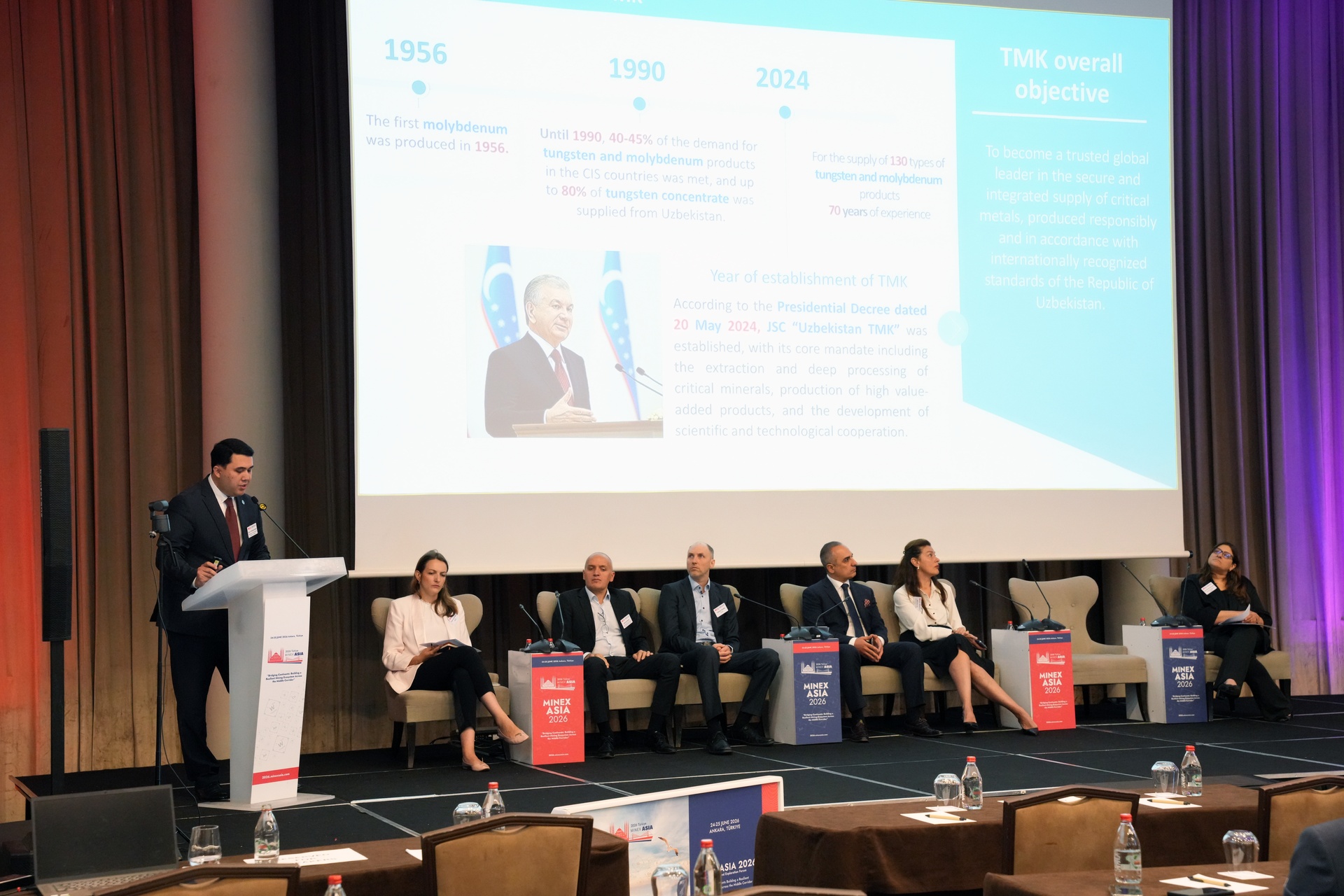
In a recent presentation, Khikmatullaev introduced the Uzbekistan Technological Metals Complex (TMK), outlining a state-backed strategy aimed at unlocking the country’s potential in critical raw materials. He emphasised Uzbekistan’s advantageous geographic position, providing access to major global markets including the EU, the United States, and Asia. The country has experienced consistent economic growth of approximately 5–7% annually, driven by structural reforms that liberalise the economy and enhance the investment climate, making it an attractive destination for foreign capital. The mining sector plays a crucial role, contributing about 24% to the country’s industrial output, indicative of a robust natural resource base and significant industrial potential.
Khikmatullaev highlighted the immense mineral resource base of Uzbekistan, estimated at around $3 trillion under the C2 category, supported by a national register of over 2,500 distinct deposits. This positions Uzbekistan among the top global holders of key reserves, including being the third-largest globally for one resource category and eighth for copper reserves. Notably, only about a third of the country’s territory has been geologically explored, suggesting substantial untapped discovery potential. The country also boasts significant reserves of uranium, lithium, tungsten, and molybdenum, reinforcing its strategic importance as a supplier of critical raw materials.
The presentation detailed TMK’s institutional history and mandate, tracing its roots back to 1956 with a legacy in molybdenum production. Established as a modern corporate entity in 2024, TMK aims to integrate exploration and downstream processing to produce higher value-added products. The company’s strategic objective is to become a trusted global leader in the secure and responsible supply of critical raw materials, aligning with the standards demanded by Western buyers and financiers.
Khikmatullaev elaborated on TMK’s resource bases and active projects, particularly focusing on tungsten, where Uzbekistan’s resource base includes 14 deposits with proven reserves of approximately 188,000 tons. Ongoing exploration is expected to increase total tungsten reserves significantly by 2030. TMK operates a fully integrated supply chain, encompassing geological exploration, refining, and processing, rather than merely functioning as an upstream extraction company.
Looking ahead, TMK plans to implement over 70 distinct investment projects between 2026 and 2030, with an estimated investment of $1.6 to $2 billion, strongly supported by the Uzbek government. A critical aspect of this strategy is the development of a critical raw materials hub connecting mining projects to processing centres in Tashkent and Samarkand, aimed at transforming raw ore into high-purity metals. The government has announced incentives for investors who establish full-cycle operations, including a 10-year tax refund and additional benefits for projects located in special economic zones.
Several flagship projects were highlighted, including a $151 million hydrometallurgical plant in the Samarkand region for processing tungsten concentrate, and plans for a molybdenum cluster with a $25 million investment. Other significant projects include the preparation of the Muskon copper deposit, the Nurkum lithium deposit, and the Tosin graphite deposit, with investments planned in the hundreds of millions. Collectively, these initiatives position TMK as a rapidly scaling industrial operator with a defined project pipeline, government-aligned incentives, and specific production targets across multiple critical minerals, establishing Uzbekistan as a leading opportunity in the global mining landscape.
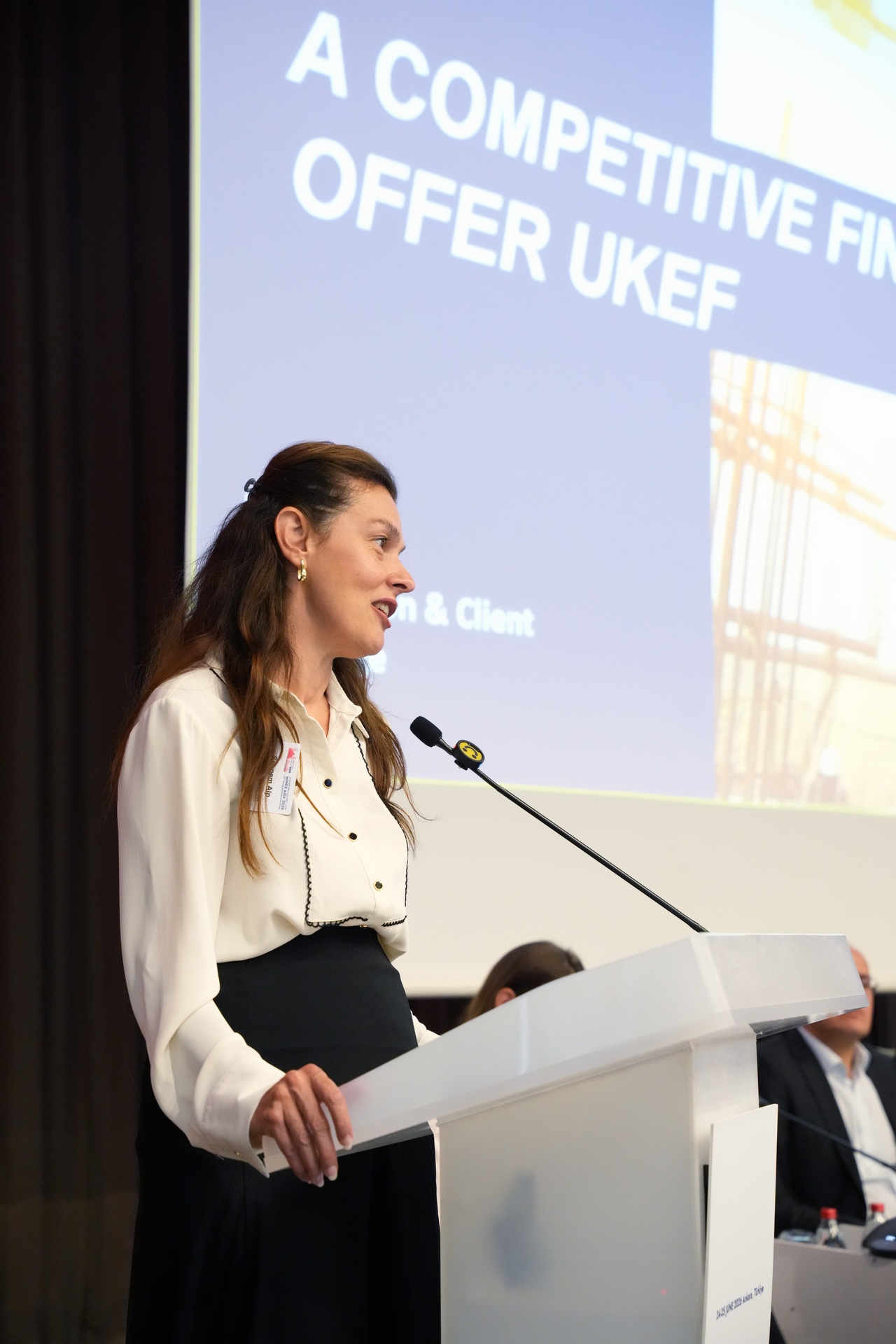
In a recent presentation, Alp from UK Export Finance (UKEF) elucidated the agency’s operations and its pivotal role in financing critical minerals projects across Turkey, Central Asia, and Eastern Europe. UKEF, established over a century ago, serves as the UK government’s official export credit agency, aiming to bolster UK companies’ export growth while also extending its support to non-UK sellers supplying UK buyers. This dual approach is particularly significant in the context of critical minerals, where funding is essential for developing project pipelines and scaling investments.
Alp highlighted UKEF’s impressive financial capacity, noting that in the last financial year, the agency provided £14.5 billion in support for export contracts, which generated over 70,000 jobs in the UK and contributed to GDP growth. UKEF’s guarantees can cover up to 85% of a contract’s value, enabling companies to secure financing with tenors of up to 22 years, significantly more favourable than standard commercial loans. Although UKEF’s presence in Central Asia has been limited, its overall lending capacity for the region has reached £40 billion, a substantial resource for the burgeoning critical minerals sector.
The agency’s support is designed to foster economic development in host countries, with past projects including railways, hospital development, and mining equipment. Alp’s role encompasses a wide geographical area, from Mongolia to Moldova, ensuring that transactions across this region are routed through her team. UKEF can collaborate with sovereign counterparts or directly with the private sector, assessing the bankability of projects and offering tailored financing solutions.
Alp explained how UKEF-backed guarantees alter borrowing economics, allowing lenders to price transactions based on the UK government’s credit rating rather than the borrower’s financial strength. This leads to more competitive interest rates and longer repayment terms. The mechanics of a UKEF-guaranteed transaction involve the agency issuing guarantees to approved lenders, who then extend these guarantees to borrowers, facilitating a smoother financing process.
Focusing on critical minerals, UKEF maintains a list of minerals it supports, with a key requirement being the existence of an offtake agreement with a UK company. This policy aims to bolster the use of critical minerals in UK manufacturing destined for export. Notably, funding accessed through UKEF does not have to be strictly tied to the export contract; it can also assist with broader working capital needs. The agency’s financing can have a multiplier effect, allowing companies to access significantly more funding than the value of their export contracts.
Alp also shared case studies showcasing UKEF’s diverse support across various sectors, while clarifying that the agency does not finance fossil fuel-related transactions. Furthermore, UKEF is increasingly collaborating with other export credit agencies and multilateral development banks to co-finance larger regional projects and is open to supporting cross-border partnerships, provided they meet a minimum UK content threshold. The presentation concluded with an invitation for further discussions on how specific projects could be structured to access UKEF support, emphasising the agency’s commitment to fostering ongoing engagement with potential partners in the region.
IntelliSense.io, a leader in Industrial Decision Intelligence for the mining sector, has announced a significant investment led by SEP, with additional contributions from Mitsubishi Corporation and Hitachi Construction Machinery. This funding aims to accelerate product development, expand into new markets, and enhance go-to-market strategies. The investment comes at a pivotal time as the mining industry increasingly seeks advanced AI solutions to optimise operations and improve efficiency.
The AI-native platform developed by IntelliSense.io is designed to help mining operators and asset owners identify and automate optimisation opportunities that have historically been challenging to capture. By integrating real-world physical process constraints with site-specific data, the platform enables real-time decision-making through autonomous execution agents across critical operational processes, including material tracking, stockpile management, and metal recovery. Notably, deployments of this technology have reported impressive outcomes, such as a 5% increase in throughput and an 8% reduction in reagent consumption.
The company’s technology is currently operational across more than 24 deployments at Tier 1 mining companies in eight countries, covering a diverse range of commodities. To further bolster its strategic direction, IntelliSense.io has formed a Strategic Advisory Board that includes prominent figures from the mining industry, such as Mark Cutifani, former CEO of Anglo American, and Nev Power, former CEO of Fortescue Metals Group. Their extensive experience is expected to provide invaluable insights into the requirements for AI-enabled decision systems at an industrial scale.
As demand for critical minerals rises, driven by geopolitical factors and the need for sustainable practices, IntelliSense.io positions itself as a key player in the sector. The company’s proprietary architecture, known as Owned Inference, differentiates it from competitors by focusing on domain-specific models that are rooted in the underlying science of industrial processes rather than merely statistical patterns. This approach ensures that all data and learnings remain within the customer’s infrastructure, enhancing data sovereignty and operational intelligence.
The investment from SEP, which has a strong track record in supporting enterprise technology firms, aligns with the growing recognition of mining as a strategic infrastructure sector. As global supply chains for essential minerals like copper and lithium undergo transformation, IntelliSense.io’s platform is set to play a crucial role in helping governments and producers achieve both AI sovereignty and critical minerals security. The firm’s commitment to delivering measurable outcomes through its AI solutions positions it well for future growth in the mining industry.
Solidcore Resources has announced a significant financial milestone with the acquisition of a seven-year credit facility amounting to US$ 100 million. This funding, secured through an indicative term sheet signed with KfW IPEX-Bank in February 2026, is earmarked for the construction of the Ertis POX project. The project encompasses a range of essential components, including infrastructure development, equipment procurement, and engineering costs, all critical to the successful execution of the initiative.
The credit facility features a grace period of three years and six months, allowing Solidcore Resources to focus on the initial phases of the project without the immediate pressure of repayments. The repayment schedule is set to commence in 2030, providing the company with a structured financial plan that aligns with its project timelines.
The Ertis POX project is expected to play a pivotal role in enhancing the operational capabilities of Solidcore Resources, positioning the company for future growth within the mining sector. The financial backing from KfW IPEX-Bank not only underscores the confidence in Solidcore’s business strategy but also highlights the increasing interest from financial institutions in supporting mining projects that promise sustainable development and economic viability.
As the mining industry continues to evolve, securing such substantial funding is crucial for companies looking to expand their operations and invest in new technologies. Solidcore’s proactive approach in securing this credit facility demonstrates its commitment to advancing the Ertis POX project and contributing to the broader mining landscape. Stakeholders and investors will be keenly observing the project’s progress as it unfolds over the coming years.
Kaznikel has successfully extended its mining contract for the Gornostayevskoye nickel-cobalt deposit located in the Beskaragay district of the Abai region until 2026, as reported in its financial documentation for the previous year. The company initially sought an extension of the exploration period in 2018, which was granted by the authorities of Kazakhstan, allowing for a transition to pilot industrial extraction for three years to assess commercial viability. The latest amendment to the contract, signed on December 1, 2023, extends the period for underground leaching operations until February 26, 2026.
The management of Kaznikel considers December 1, 2023, as the date of commercial discovery at the Gornostayevskoye site. However, prior to signing the latest contract amendment, the company had suspended operations due to insufficient funding. Following the signing of the contract amendment, Kaznikel has yet to commence extraction activities. On September 30, 2025, the company signed an additional amendment to extend the contract until February 26, 2046.
The underground leaching method, which is also used in uranium extraction, allows for the dissolution of metals using a weak sulfuric acid solution without bringing ore to the surface. However, rising costs of sulfuric acid and a surplus in the global nickel market pose challenges for the project’s viability. According to Kaznikel’s reports, the state commission on reserves approved the estimated reserves of silicate cobalt-nickel ores at the Gornostayevskoye deposit in October 2023, with nickel reserves of 616.1 thousand tonnes at an average grade of 0.65% and cobalt reserves of 41.1 thousand tonnes at an average grade of 0.042%.
In 2025, it was reported that the reserves at the Levoberezhny site, which was planned to be developed first, were estimated at 138.51 million tonnes of ore, containing 793.6 thousand tonnes of nickel and 54.27 thousand tonnes of cobalt. The maximum production capacity was projected at 20 thousand tonnes of nickel per year, with an 18-year development timeline for Gornostayevskoye. Pilot industrial tests of the technology at the site have been ongoing since 2018.
Despite the optimistic projections, Kaznikel did not meet its production targets for December 2023 and the subsequent years. According to the work programme associated with the latest contract amendment, the cumulative production of nickel and cobalt by December 31, 2025, was expected to reach 2.3 thousand tonnes and 76 tonnes, respectively. The company reported an uncovered loss of 4.4 billion tenge by the end of 2025, with a negative income of 387 million tenge for the previous year.
Kaznikel has relied on interest-free loans from related parties to fund its operations, with debts reaching nearly 202 million tenge by the end of the previous year. The company faced financial difficulties, including frozen accounts due to overdue trade debts. In the first quarter of 2026, Kaznikel managed to settle part of its creditor obligations, while the ownership structure remains dominated by BMT NiCo Ltd and Mining Technologies Company, with recent changes in the ownership structure indicating a shift in control through Fincraft Resources.
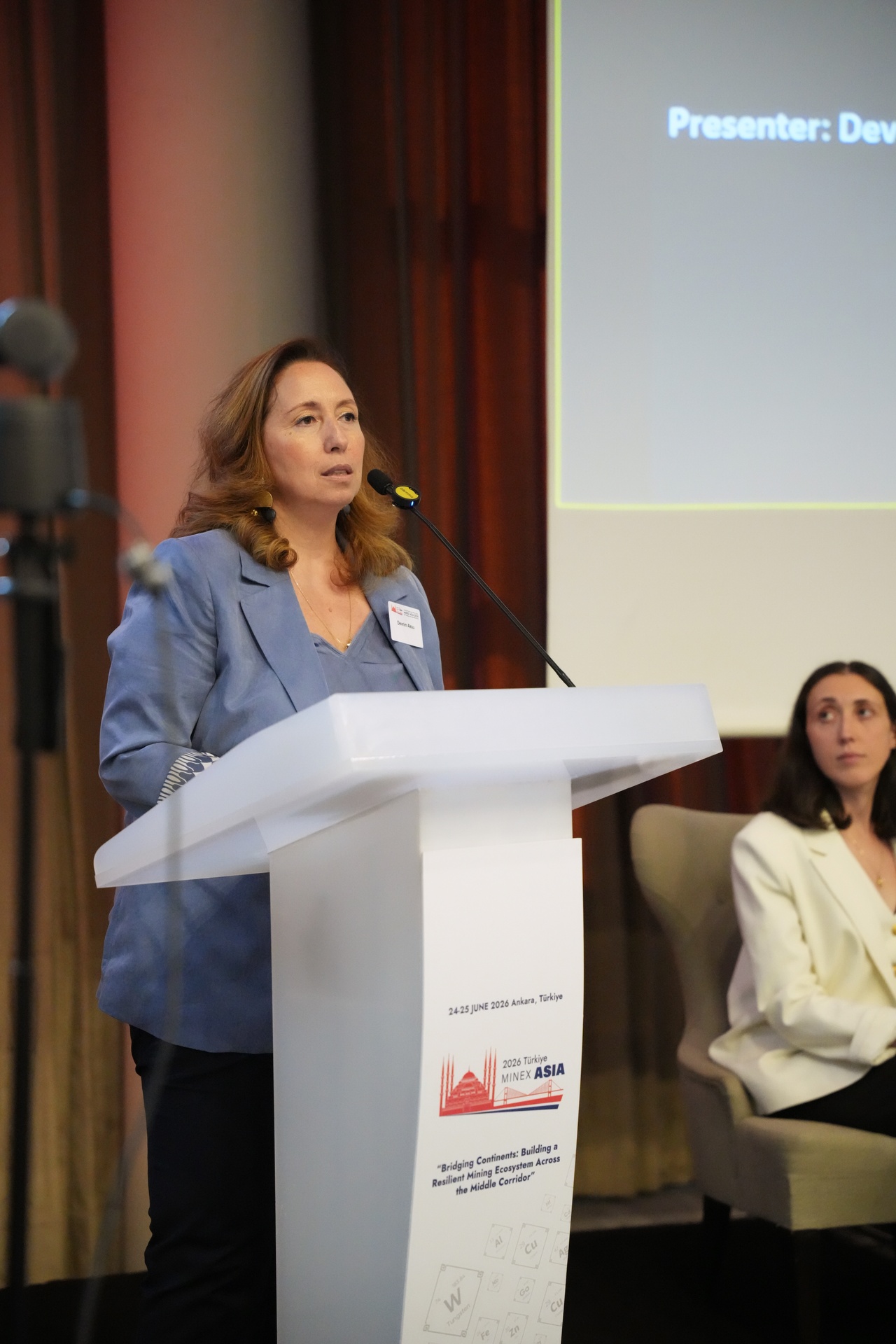
Aksu opens by noting the irony that a two-day conference dominated by discussions of capital, reserves, investment structures, and supply chains has allocated only about fifteen minutes to talent — even though people are who actually execute all of it. She cites a World Economic Forum uncertainty index showing current global uncertainty levels running well above the 18-year average (rivaling COVID-era peaks), arguing this volatility disproportionately affects the people expected to deliver on capital-intensive strategies, and that no amount of capital or technology investment succeeds without the right people behind it.
She outlines a shrinking, aging talent pool: experienced geologists are retiring, and while university interest and program capacity for mining-related degrees have both risen encouragingly, graduates increasingly decline to enter the profession after finishing their degrees. She attributes this to working conditions — remote locations, prolonged separation from family, inconsistent compensation practices, serious health-and-safety risks, and rising accountability expectations at every level. She references a recent hotel fire tragedy with major loss of life as a case study in how visible incidents affect morale and retention industry-wide, alongside her own experience conducting exit interviews after a fatal mining incident that claimed nine colleagues’ lives — both cited as evidence that new engineers are being actively discouraged from staying in the field. Compounding this, the profession increasingly requires digital fluency (IoT, digital twins, simulation, drone operation and data handling), which further narrows an already shrinking pool — a challenge intensified by chronic underrepresentation of women and, she argues candidly, a poor sector image overall.
She proposes five practical strategies. First, expand the talent pool deliberately — she cites her own team’s shift from roughly 10% to 25% female representation as a concrete, replicable result. Second, deepen university partnerships beyond career-fair sponsorship into co-developing curricula, research centers, and early-career pipelines — noting successful early hires brought in from third-year university, developed through blended work-study arrangements. Third, stop outsourcing all training to external providers and instead build a properly resourced, independently structured internal learning function (not buried under HR or admin), including investment in digital learning platforms. Fourth, give people a genuine sense of purpose and visible career pathways — she argues employees should be able to articulate why they’re going to work each morning, and that companies must be able to answer basic career-progression questions credibly. She adds a related point about local talent in regions like Central Asia: the real gap isn’t hiring locally, but ensuring meaningful knowledge transfer from expatriate staff is written into contracts and incentive structures, not left implicit. Fifth, track critical roles and succession planning rigorously — she warns that failing to plan clear succession timelines for critical positions is a direct risk to organizational sustainability, alongside rethinking retention tools beyond compensation (family relocation options, a credible answer to “what do I gain from five hard years here”) and running structured attrition-risk assessments across the workforce, blue-collar included.
She closes with a direct challenge to the room: investment due diligence should assess a founding team’s ability to build a team, not just their technical plan — because capital is an advantage, but the right people are a strategic one.
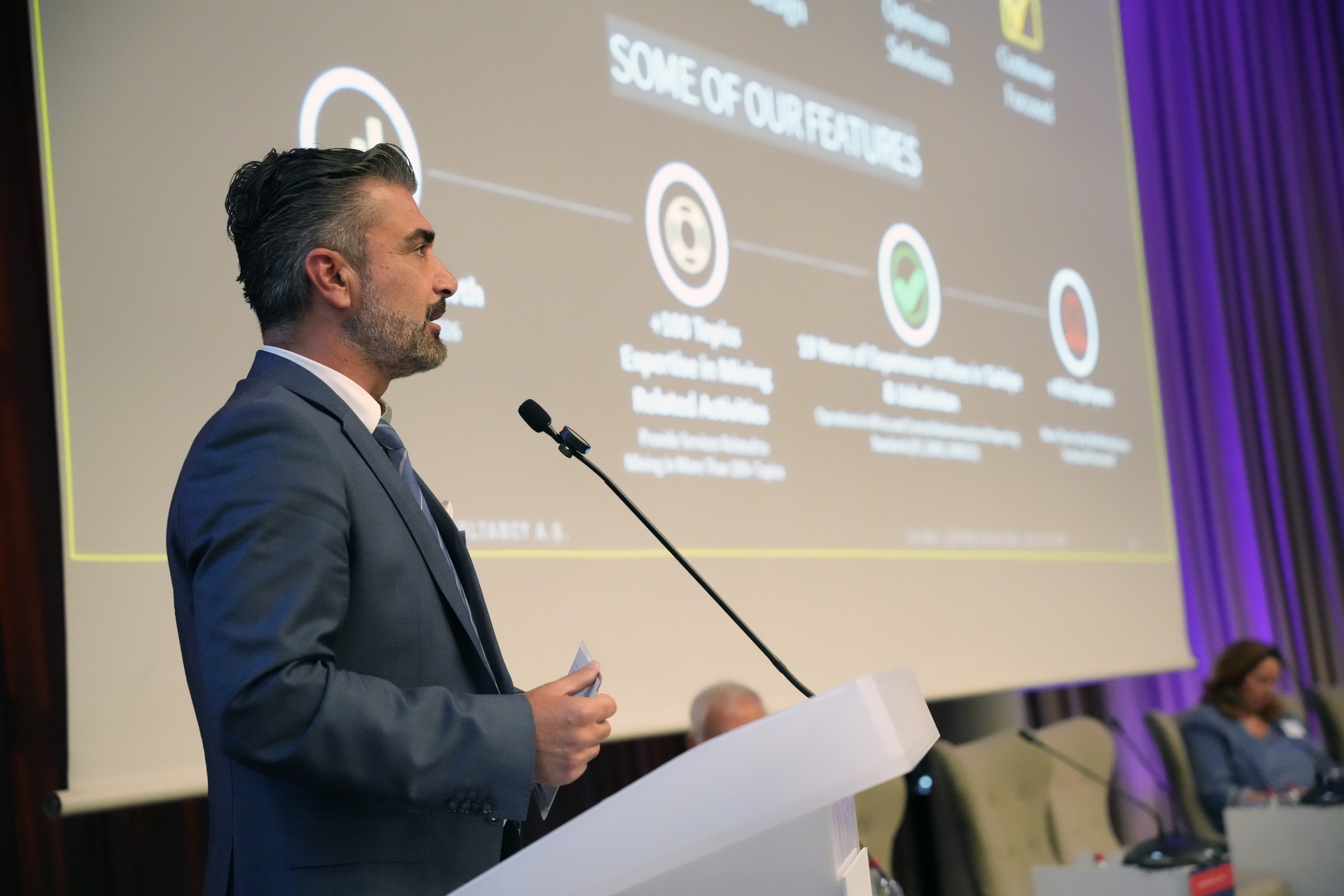
Özdemir, whose firm MITTO Consultancy conducts environmental and social due diligence for mining investments (over 1,000 projects, 100+ clients, more than 20 years of operation, now expanding into Uzbekistan with a local office), opens with a reframe: the hardest part of a mining project isn’t finding the ore — it’s proving the project is sustainable and socially acceptable. Before selecting a site, he argues, developers must first ask whether there’s any barrier to building there at all; answering that early resolves both investment and sustainability questions simultaneously.
He walks through why disciplines that seem separate — social impact assessment, mine planning, geotechnical and hydrogeological studies — are in fact deeply interlinked. Skip geotechnical assessment and you undermine long-term project viability; skip hydrogeological assessment and you risk damaging local water sources and livelihoods; site a tailings dam purely on cost grounds and you risk permitting failure. He credits the emergence of standards like the IFC/Equator Principles’ ten performance requirements with formalizing this: after confirming a resource, project sponsors must now demonstrate social risk management, sustainability planning, workforce impact, and community benefit before earning creditworthiness. He notes Turkey’s own credit history here is recent — the first EBRD-linked mining loans arrived only around 2014–2016, following the Ivrindi and Lapseki gold projects — after years of failing to communicate cyanide risk credibly to government and communities alike.
He’s frank about Turkey’s own costly mistakes: a 2007-era regulatory loophole allowed environmental assessments under 25 hectares to be prepared without a licensed environmental firm — sometimes by just two engineers — a gap he believes contributed directly to public distrust that has, at times, set the mining and geology professions back. He draws a contrast with Uzbekistan, which he describes as resource-rich with notably higher-grade, more compact deposits than Turkey (citing a single Uzbek gold mine producing roughly 70 tons in a year, versus Turkey’s total national output of about 32.5 tons across 18 mines) and genuinely open to investment. He closes by arguing that credit access follows disciplined process, not urgency — a four-year permitting runway is reasonable, not an obstacle — and that Turkish engineers, having learned these lessons the hard way, are now well positioned to help Uzbekistan and other regional partners avoid repeating them. He lists reference projects (including TÜMAD, CVK, Etibakır, and others) as examples of mining done to modern environmental and social standards, and closes with the line: sustainable development starts with the mine.