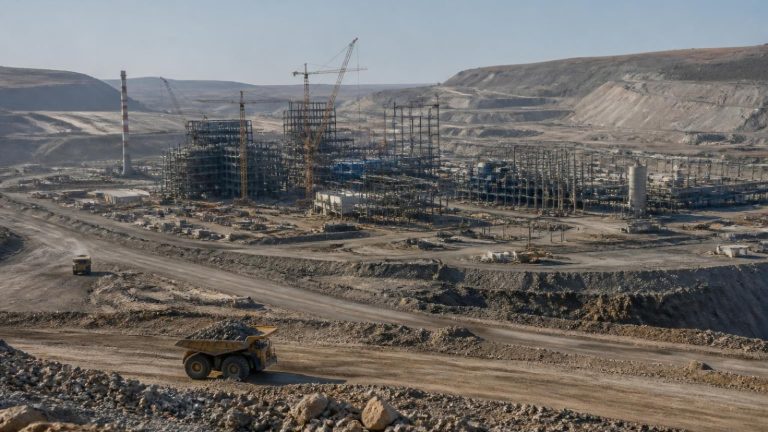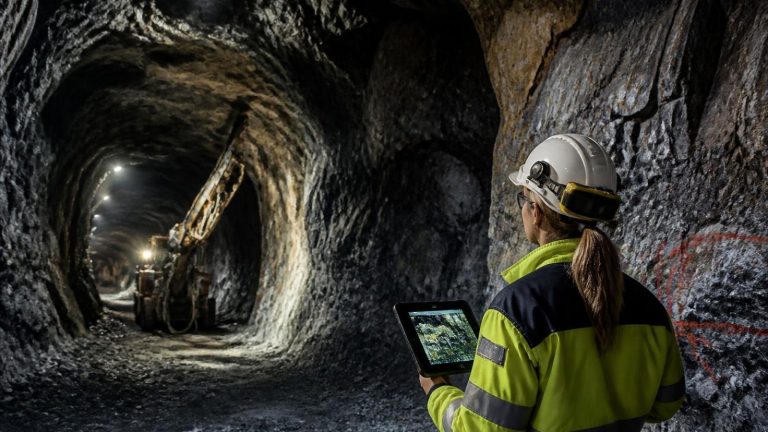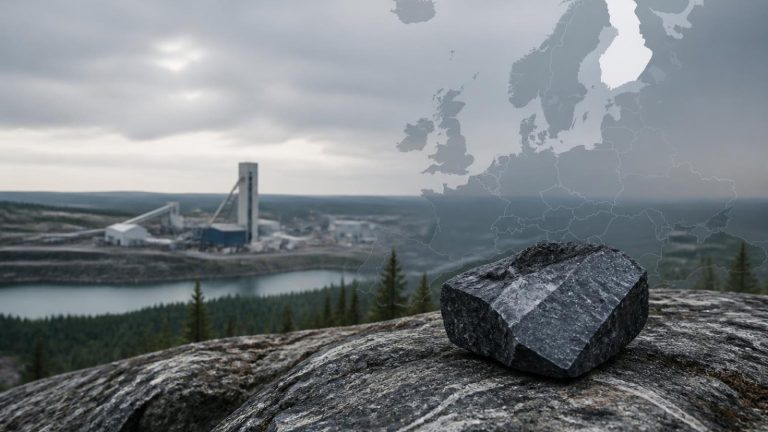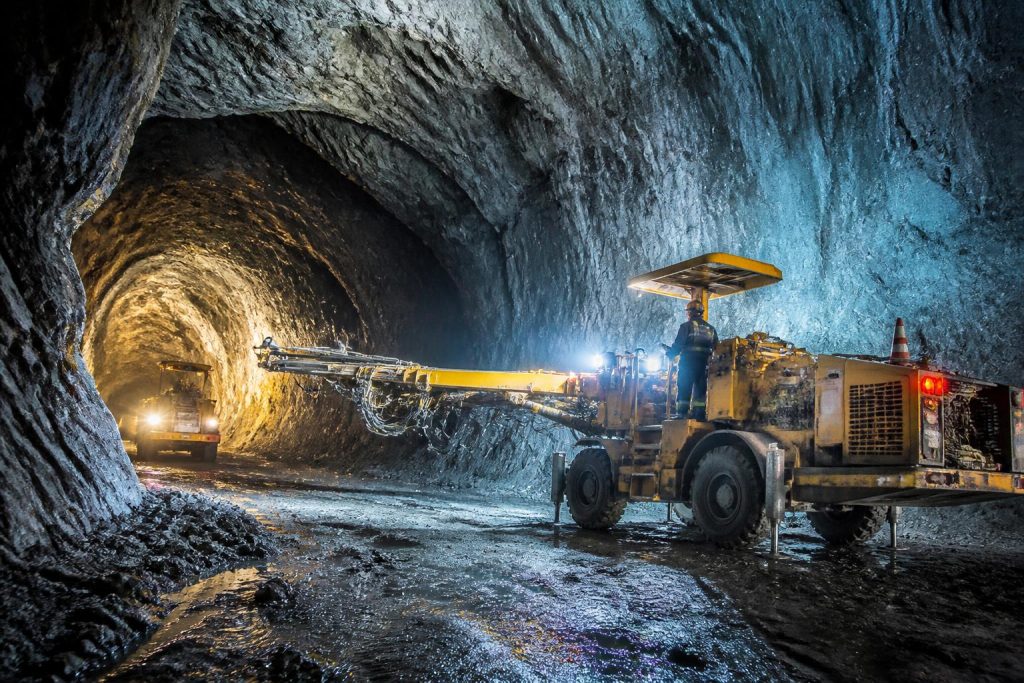
The Belogorsk rare metal deposit, located in the Ulansky district of East Kazakhstan, is set to be mined underground over a ten-year period. According to announcements regarding the project’s hearings, the planned production capacity of the facility is 350,000 tonnes of ore per year. Over the course of the ten-year license period, it is anticipated that approximately 3.312 million tonnes of ore will be extracted.
Operations are scheduled to commence in 2026, with the underground mine expected to reach its design capacity by the third year of operation. This production level will be maintained for eight years, within an overall operational lifespan of 11 years. The area designated for underground mining covers 2 square kilometres.
The nearest settlement to the mine is the eponymous village, located just 50 metres from the deposit. Other nearby settlements include Kalaitapkan, 2.7 km away, Tomenge Taiynty at 3.6 km, Asu-Bulak at 27 km, and Ognyevka at 45 km. The regional centre, Ust-Kamenogorsk, is situated 112 km from the site.
Exploration of the Belogorsk deposit dates back to the 1930s, with various assessments and approvals of reserves occurring over the decades, the last of which was in 1985. To evaluate the deposit’s potential, exploratory works were conducted on the flanks and deep horizons of the site by the Ust-Kamenogorsk geological exploration expedition during 1985-86, primarily involving core drilling. The project concluded that resources could be significantly increased through further exploration of the flanks and deeper horizons.
Historical data from 1985 indicates that the deposit contains reserves of beryllium, tin, tantalum, and niobium. Besides tin, the other three metals can be processed at the Ulba Metallurgical Plant (UMP) of Kazatomprom in Ust-Kamenogorsk. Reserves of beryllium in category C1 were estimated at 1,358 tonnes from 2.8 million tonnes of ore, with tantalum at 243 tonnes, niobium at 224 tonnes, and tin at 604 tonnes from 2.7 million tonnes of ore. In category C2, reserves of these metals were calculated at 341 tonnes for beryllium, 42 tonnes for tantalum, 57 tonnes for niobium, and 157 tonnes for tin from 528,000 tonnes of ore. Additionally, inferred reserves were projected at 6.2 million tonnes, including 2,816 tonnes of beryllium, 299 tonnes of tantalum, and 502 tonnes of tin.
In 2023, media reports cited industry experts questioning the existence of large reserves at the Belogorsk deposit, noting that it had been mined underground until 1993. The mining rights for the Belogorsk deposit were awarded to Sinoinvest Group Ltd following a Ministry of Industry auction in 2025. The hearings were initiated by Asia United Resources Group Corporation Ltd, led by Du Cunfeng, who is also a founder of Sinoinvest Group, alongside Teliewuhabuli Akemubayi, according to data from adata.kz. Notably, Akemubayi has been identified as a university employee in Xinjiang. Earlier in June, Qazba.kz reported on Sinoinvest Group’s iron ore mining project in the Karaganda region, associated with the same ownership.