Tag: mining project

  • Underground Mining Planned for Belogorsk Rare Metal Deposit in East Kazakhstan

    Underground Mining Planned for Belogorsk Rare Metal Deposit in East Kazakhstan

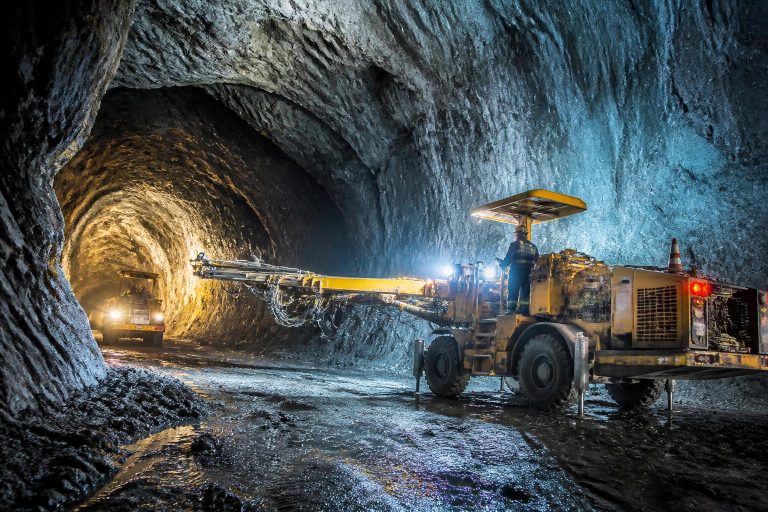
    The Belogorsk rare metal deposit, located in the Ulansky district of East Kazakhstan, is set to be mined underground over a ten-year period. According to announcements regarding the project’s hearings, the planned production capacity of the facility is 350,000 tonnes of ore per year. Over the course of the ten-year license period, it is anticipated that approximately 3.312 million tonnes of ore will be extracted.

    Operations are scheduled to commence in 2026, with the underground mine expected to reach its design capacity by the third year of operation. This production level will be maintained for eight years, within an overall operational lifespan of 11 years. The area designated for underground mining covers 2 square kilometres.

    The nearest settlement to the mine is the eponymous village, located just 50 metres from the deposit. Other nearby settlements include Kalaitapkan, 2.7 km away, Tomenge Taiynty at 3.6 km, Asu-Bulak at 27 km, and Ognyevka at 45 km. The regional centre, Ust-Kamenogorsk, is situated 112 km from the site.

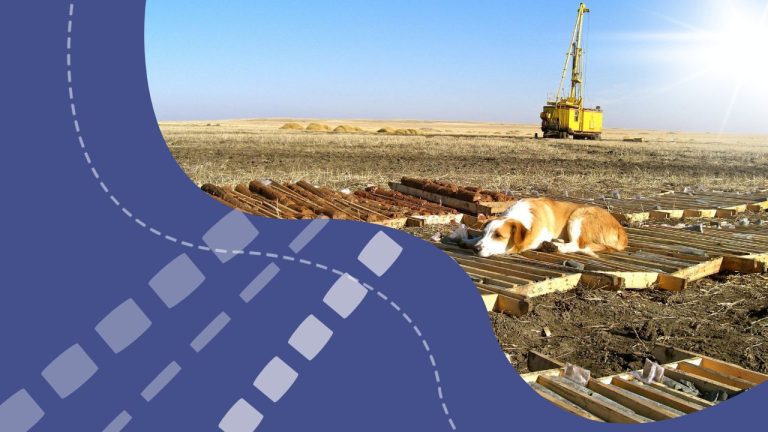
    Exploration of the Belogorsk deposit dates back to the 1930s, with various assessments and approvals of reserves occurring over the decades, the last of which was in 1985. To evaluate the deposit’s potential, exploratory works were conducted on the flanks and deep horizons of the site by the Ust-Kamenogorsk geological exploration expedition during 1985-86, primarily involving core drilling. The project concluded that resources could be significantly increased through further exploration of the flanks and deeper horizons.

    Historical data from 1985 indicates that the deposit contains reserves of beryllium, tin, tantalum, and niobium. Besides tin, the other three metals can be processed at the Ulba Metallurgical Plant (UMP) of Kazatomprom in Ust-Kamenogorsk. Reserves of beryllium in category C1 were estimated at 1,358 tonnes from 2.8 million tonnes of ore, with tantalum at 243 tonnes, niobium at 224 tonnes, and tin at 604 tonnes from 2.7 million tonnes of ore. In category C2, reserves of these metals were calculated at 341 tonnes for beryllium, 42 tonnes for tantalum, 57 tonnes for niobium, and 157 tonnes for tin from 528,000 tonnes of ore. Additionally, inferred reserves were projected at 6.2 million tonnes, including 2,816 tonnes of beryllium, 299 tonnes of tantalum, and 502 tonnes of tin.

    In 2023, media reports cited industry experts questioning the existence of large reserves at the Belogorsk deposit, noting that it had been mined underground until 1993. The mining rights for the Belogorsk deposit were awarded to Sinoinvest Group Ltd following a Ministry of Industry auction in 2025. The hearings were initiated by Asia United Resources Group Corporation Ltd, led by Du Cunfeng, who is also a founder of Sinoinvest Group, alongside Teliewuhabuli Akemubayi, according to data from adata.kz. Notably, Akemubayi has been identified as a university employee in Xinjiang. Earlier in June, Qazba.kz reported on Sinoinvest Group’s iron ore mining project in the Karaganda region, associated with the same ownership.


  • Kazakhstan’s Lomonosovskoye Iron Ore Deposit Set to Resume Operations in 2029

    Kazakhstan’s Lomonosovskoye Iron Ore Deposit Set to Resume Operations in 2029

    Kazakhstan is gearing up for a significant project aimed at the extraction of iron ore from the Lomonosovskoye deposit, located in the Kostanay region. According to financial reports from the company managing the site, preparations for mining operations are set to commence, with the first extraction planned for 2029 after years of inactivity. The report indicates that the amendment to the mining contract is in its final stages of approval, which includes a working programme extending until December 31, 2046, and plans for the construction of a beneficiation plant.

    The timeline for the project outlines that preparatory work will be conducted until the end of 2026, followed by stripping operations from 2026 to 2028, without any concurrent ore extraction. The proposed beneficiation plant is expected to have a capacity of 16 million tonnes of iron ore per year, and the project has already received preliminary approval from the Ministry of Industry.

    Originally acquired by the Austrian company Safin Handelsges. GmbH in 2008, the Lomonosovskoye deposit was initially projected to produce 6 million tonnes of iron ore annually starting in 2015. However, plans changed, and the asset was put up for sale in 2010. In 2011, Canadian firm Newbridge Capital Inc. purchased the majority stake for $70.3 million, while retaining a 15% share for Safin Handelsges. As of the end of 2025, Kazco Beteiligungs GmbH, linked to Kazax Minerals Inc., holds a 99.99% stake in the deposit, with the remaining shares held by minority investors.

    The mining contract for Lomonosovskoye was originally signed in 2009 for a duration of 21 years, allowing for five years of exploration. The reserves were officially approved at 177 million tonnes of iron ore by the state commission in 2015. Subsequent assessments indicated measured and inferred resources of 507.8 million tonnes as of October 31, 2014. The project has faced delays, including a two-year conservation period initiated in 2016, but has recently made strides towards resuming operations.

    Future cash flow projections for the project are based on key assumptions, including an iron ore price of $100 per tonne. The total expected ore production over the life of the deposit is estimated at 275.3 million tonnes, with a projected output of 73.5 million tonnes of iron concentrate containing 67% iron. The project aims to gradually increase production capacity to reach an annual extraction of 22 million tonnes in the later years of operation. Overall, the project’s implementation cost is estimated to be around $1.5 billion, highlighting its significance in Kazakhstan’s mining sector.


  • Hongda Group Plans Major Lead and Zinc Project in Kazakhstan

    Hongda Group Plans Major Lead and Zinc Project in Kazakhstan

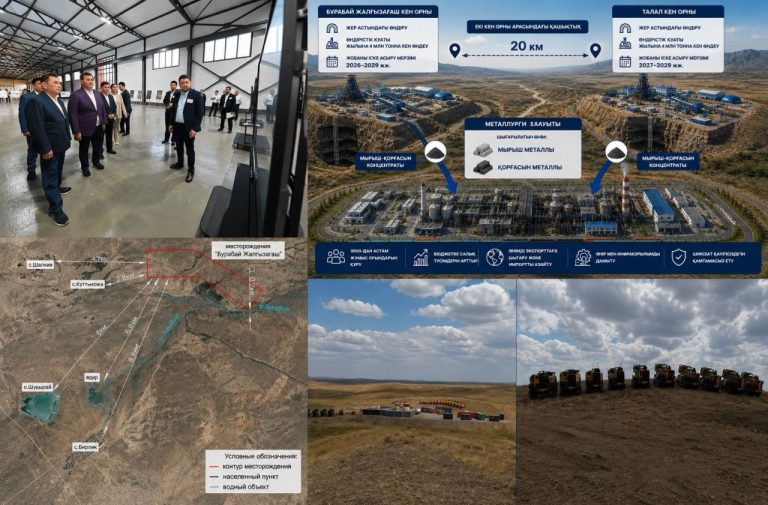
    Hongda Group is set to embark on a significant investment project in Kazakhstan, which could potentially surpass Kazcink and emerge as the largest producer of lead and zinc in Central Asia. Following a working visit by the First Deputy Prime Minister of Kazakhstan, Nurlan Naliyev, to the Kyzylorda region, attention has been drawn to this ambitious yet relatively low-profile project in the country’s mining and metallurgy sector. The project, valued at $1.3 billion, aims to establish two underground mines and two processing plants with a combined capacity of 8 million tonnes of ore per year, alongside a full-cycle metallurgical plant, creating over 3,000 jobs in the process.

    The project will focus on the Talap and Burabay-Zhalgyzagash deposits, located just 20 kilometres apart. The Burabay-Zhalgyzagash site will be developed through underground mining to a depth of 500 metres. Both deposits are part of the Akuyuk-Maidantal lead-zinc ore district in the Karatau region, which also houses the largest deposit in the area, Shalkiya. Initial exploration activities took place between 1980 and 1985, with detailed surveys conducted from 2010 to 2012. The reserves are classified under category C2, with forecasted resources rated as P1, showing an average content of 2.01% zinc and 1.62% lead, with geologists noting the potential for resource growth at greater depths.

    Investors have indicated that the metallurgical plant will have the capacity to produce 420,000 tonnes of zinc and 220,000 tonnes of lead annually, totalling 640,000 tonnes of metals. In comparison, Kazcink is projected to produce 251,800 tonnes of zinc and 76,700 tonnes of lead by 2025. Upon reaching its designed capacity, the new complex could produce 66.8% more zinc and 2.87 times more lead than Kazcink. If the project proceeds as planned, it stands to become the largest lead and zinc producer in Central Asia. Notably, the Chinese investors have already invested approximately 9 billion tenge in geological exploration, operating 15 drilling rigs simultaneously. While official reserves have yet to be disclosed, the scale of drilling and the proposed processing capacity suggest a substantial resource base. An official groundbreaking ceremony is expected later this year, reflecting a commendable approach where significant funds are first allocated for geological exploration to confirm resource viability before committing to the construction of a large-scale mining and metallurgical complex.


  • Tin One Mining Signs Memorandum for Tin Processing Plant in Kazakhstan

    Tin One Mining Signs Memorandum for Tin Processing Plant in Kazakhstan

    Tin One Mining has entered into a memorandum with the administration of the North Kazakhstan region to implement an investment project for the construction of a mining and processing plant at the Sarymbet tin deposit. The company plans to invest at least 150 billion tenge (approximately $315.5 million) into the development of the deposit, the construction of the processing plant, and associated infrastructure. This investment is subject to approval by the board of directors of Solidcore Resources, which controls the project.

    The Sarymbet deposit is noted as the largest undeveloped tin deposit in Central Asia, with resources estimated at 492.4 thousand tonnes of tin at a grade of 0.40% and 91.4 thousand tonnes of copper at a grade of 0.07%, according to JORC standards. The deposit accounts for over 70% of the total tin reserves in Kazakhstan. Discovered in 1985, the site has significant potential for contributing to the region’s industrial growth.

    Approximately 800 jobs are expected to be created as part of this project, with a focus on hiring local residents who possess the necessary education, qualifications, and professional competencies. Tin One Mining views this initiative as a long-term investment aimed at enhancing the industrial potential of the North Kazakhstan region and the country as a whole.

    The administration has committed to supporting the project’s implementation by facilitating interactions with government bodies and overseeing the investment project throughout its various stages. In November 2024, Solidcore Resources acquired a controlling stake of 55% in the project for $82.5 million from Berkut Mining, which remains involved in the project while Solidcore takes operational control.

    As of August 9, 2026, Tin One Mining is owned by Tin One Holding, which is in turn owned by Solidcore Eurasia LTD and Berkut Mining, both of which are part of the larger Solidcore Resources PLC structure. This investment marks a significant step in the development of Kazakhstan’s mining sector, particularly in the tin industry, which is poised for growth given the increasing global demand for tin and its applications in various industries.


  • Hongda Group Plans Major Lead and Zinc Project in Kazakhstan

    Hongda Group Plans Major Lead and Zinc Project in Kazakhstan

    Hongda Group is set to embark on a significant investment project in Kazakhstan that could surpass Kazcink, positioning itself as the largest producer of lead and zinc in Central Asia. The initiative, valued at $1.3 billion, was highlighted during a recent visit by Kazakhstan’s First Deputy Prime Minister, Nurlan Naliyev, to the Kyzylorda region. The project entails the construction of two underground mines and two processing plants in the Zhanakorgan district, with a combined capacity of 8 million tonnes of ore per year, alongside a full-cycle metallurgical plant. This development is expected to create over 3,000 jobs, contributing significantly to the local economy.

    The project will focus on the Talap and Burabay-Zhalgyzaghash deposits, located approximately 20 km apart. The Burabay-Zhalgyzaghash site will be developed using underground mining techniques to a depth of 500 meters. Both deposits are part of the Akuyuk-Maidantal lead-zinc ore district in the Karatau region, which is also home to the largest deposit in the area, Shalkiya. Initial exploration activities in this region took place between 1980 and 1985, with detailed surveys conducted from 2010 to 2012. The estimated reserves are classified as C2, with forecasted resources rated as P1. Geologists have noted an average zinc content of 2.01% and lead content of 1.62%, with potential for resource growth at depth.

    Investors have indicated that the metallurgical plant will have an annual output of 420,000 tonnes of zinc and 220,000 tonnes of lead, totalling 640,000 tonnes of metals. In comparison, Kazcink is projected to produce 251,800 tonnes of zinc and 76,700 tonnes of lead by 2025. Upon reaching full operational capacity, the new complex could produce 66.8% more zinc and nearly three times the amount of lead than Kazcink. If the project meets its outlined parameters, it stands to become the largest lead and zinc producer in Central Asia. Notably, the Chinese investors have already committed around 9 billion tenge to geological exploration, operating 15 drilling rigs simultaneously. Although official reserves have yet to be disclosed, the scale of drilling and the proposed processing capacity suggest a substantial resource base. An official groundbreaking ceremony is anticipated later this year, marking a significant step in the development of this ambitious project.


  • Qazaq Kalium Plans $2.4 Billion Potash Project in Western Kazakhstan

    Qazaq Kalium Plans $2.4 Billion Potash Project in Western Kazakhstan

    Qazaq Kalium, controlled by businessman Nurlan Artykbayev, is preparing to begin construction of a major potash mining and processing complex in western Kazakhstan, marking a significant step in the development of the country’s fertiliser industry.

    According to a statement of planned activities, the first phase of the mining and processing plant (GOK) will be built at the Satimola deposit in the Akzhayik district of West Kazakhstan region. Construction is expected to begin in April 2026 and last approximately 32 months, with commissioning scheduled for the first quarter of 2029.

    The Satimola deposit, located near the Ural River, holds potassium and boron-bearing salts and was originally discovered in the 1960s. The licence for its development was issued in 2023 for a period of 25 years. Mining operations are currently planned to continue until December 2050, after which a decision will be made on further development or site closure.

    The project  is designed with an annual processing capacity of 8.5 million tonnes of ore and output of up to 2 million tonnes of potassium chloride, including both granular and fine products. In the longer term, Qazaq Kalium aims to establish a larger комплекс capable of processing up to 25 million tonnes of potash ore annually, alongside 1 million tonnes of boron ore, producing fertilisers such as potassium chloride and boric acid.

    The total investment in the project has previously been estimated at approximately $2.4 billion. Infrastructure development will include the construction of railway access, power lines, water supply systems and a gas pipeline, with natural gas expected to be used in processing operations.

    Despite Kazakhstan’s agricultural sector having relatively low fertiliser usage domestically, the project is expected to target export markets, particularly China, where demand for potash remains strong.

    The development of Satimola has been under consideration since the 2010s, attracting interest from both domestic and international investors. The project has also been the subject of corporate disputes in the past before coming under the control of Artykbayev.

    Environmental and social concerns have been raised locally, particularly regarding the potential use of water from the Ural River and proposed extraction methods. However, according to the project documentation, no significant environmental constraints or cultural heritage sites have been identified within the project area.

    Exploration and preparatory works are already underway. As of late 2025, drilling and earthworks had progressed significantly, including the completion of a 490-metre control shaft and ongoing development of key mine shaft structures.

    The Satimola project is expected to position Kazakhstan as a notable player in the global potash market, diversifying its mining sector beyond metals into fertiliser production.

  • ACG-Asia Capital Group Plans Gold Exploration Project in Kazakhstan’s Katon-Karagay District

    ACG-Asia Capital Group Plans Gold Exploration Project in Kazakhstan’s Katon-Karagay District

    TOO “ACG-Asia Capital Group” is gearing up to conduct exploration and assessment work for alluvial gold in the Mayemer area of the Katon-Karagay district in the East Kazakhstan Region. The project documentation from the license holder has been made available for public review on Kazakhstan’s Unified Environmental Portal.

    The commencement of geological exploration is scheduled for May 2024, with completion expected by the autumn of 2026. Specialists aim to evaluate the reserves of the promising area according to categories C1 and C2 and include them in the state balance sheet based on the results of the exploration.

    The licensed area covers 4.54 square kilometers. While targeted exploration for alluvial gold has not previously been conducted within Mayemer, the company notes that based on tailings sampling and general geological indicators, the territory holds promise for identifying deposits. Preliminary estimates suggest prospective resources of 68 kilograms of precious metal under category P2.

    The plan includes conducting mining operations, tailings sampling, collecting large-volume samples, and estimating reserves. A total of 950 samples are set to be collected from all excavations (mining and routes) in the Mayemer area.

  • Ulytau Region Plans to Open Precious Metals and Polymetallic Complex

    Ulytau Region Plans to Open Precious Metals and Polymetallic Complex

    Plans to establish a complex for precious metals and polymetals in the Ulytau region have been revealed by regional authorities. The project, expected to launch in 2026, aims to produce 0.72 tons of Dore alloy, 10.8 thousand tons of lead concentrate, and 4.3 thousand tons of zinc concentrate, according to information provided by the authorities. Projects defining water protection zones and strips along the river within the planned mining area, as well as mining work plans, have been developed, as stated by the government agency. The estimated cost of opening the complex is 3.57 billion tenge, with efforts underway to obtain a mining license. Once operational, the facility aims to employ 140 people.

  • Savannah Resources Initiates Contentious Lithium Mining Venture in Portugal

    Savannah Resources Initiates Contentious Lithium Mining Venture in Portugal

    Savannah Resources, a London-based company, has embarked on a lithium mining project in Boticas, Portugal, which has garnered significant attention due to potentially becoming Western Europe’s largest lithium mine. This initiative is part of a broader push to capitalise on Portugal’s lithium reserves, which are over 60 000 tonnes, positioning the country as a key player in Europe’s strategy to secure a more self-sufficient battery value chain and reduce dependency on imported raw materials.

    This initiatives was approved by the Portuguese Environmental Agency last year, conditional on some premises, for this initiative to take place. However, the project has encountered substantial legal and environmental challenges. Portuguese prosecutors have raised concerns about the environmental permit granted to the project, citing potential violations and the risks it poses to the local environment, including the Barroso region — a world heritage site recognised for its agricultural significance since 2018.

    The primary issues highlighted include the project’s potential impact on this heritage site, inadequate assessments of mining waste management, and water contamination risks. This is significant as poor environmental strategies in the context of mining projects, such as those involving lithium extraction, can have significant health repercussions, as well as, fundamentally eroding local human rights. This relationship stems from the fact that environmental degradation often directly impacts the fundamental needs and rights of local communities. For example, water contamination and air pollution can impinge on the right to clean water, and healthy living conditions.

    In regions where mining projects for things like precious metals are situated, the environmental consequences can seriously disrupt local ecosystems, leading to loss of biodiversity, soil erosion, alteration of water courses and the water table. Environmental impacts can, in turn, affect agricultural productivity and access to natural resources that local populations depend on for their livelihoods, thereby, infringing upon their right to food security and economic stability.

    The Prosecutor’s Office has requested that the Administrative Court of Mirandela, in Northern Portugal, to annul the approval of the Boticas mine on the basis that it “suffers from the defect of violating the law”. Additionally, the cumulative environmental impact of Savannah’s project and another nearby lithium initiative by Lusorecursos in Montalegre has not been fully considered, raising concerns about the broader implications for the region’s ecosystem. In response, Savannah Resources has expressed it’s readiness to address these concerns and stated that the legal actions do not hinder the project’s operations.

    The legal challenges faced by Savannah Resources, couple with the ongoing investigation into alleged illegalities in lithium and ‘green hydrogen’ deals in Portugal, which led to the then-Prime Minister Antonio Costa’s resignation, highlighting the delicate and volatile state of environmental policy. The case surely serves as a serious reminder of the importance of adhering to legal and environmental standards to ensure sustainable development and trust in the workings of political institutions.

    With that being said, navigating the complexities of lithium mining projects such as the one undertaken by Savannah Resources necessitates a multi-faceted approach to the policy making to ensure sustainable development. There are a number of cogent options available to the Portuguese state, notably, Chile’s approach to managing it’s lithium reserves and the associated environmental and regulatory challenges could offer relevant insights for Portugal.

    Chile has significant lithium reserves, the largest in the world, and has positioned itself as a key player in the global lithium market. Chile has established a legal and regulatory framework that treats lithium as a strategic mineral, limiting its extraction to state, state-owned companies, or private firms in partnership with the Chilean Production Development Corporation. This framework aims to ensure that lithium mining benefits the country, while mitigating environmental impacts. Chile’s experience highlights the importance of a clear regulatory framework that balances economic interests with environmental protection and social responsibility. Given Portugal’s significant lithium reserves, and the environmental concerns surrounding the Savannah Resources project, adopting a strategic approach similar to Chile’s could help Portugal navigate the complexities of mining. In this sense, implementing a framework, perhaps similar to Chile’s, would hold companies accountable for their environmental compliance and provide clear, actionable guidelines for conducting mining operations sustainably.

    The National Lithium Strategy, announced in April 2023, is the clear frameworks to “exploit lithium in Chile’s salt flats”. Perhaps with the longer-term goal of creating the “National Lithium Company”, which should lead to negotiations with private companies wishing to explore and exploit the salt flats. With the largest share of lithium deposits in the world, the Chilean state is looking to create a balance between private and public sectors.

    Furthermore, there is a critical need to enhance the rigor and comprehensiveness of Environmental Impact Assessments. By mandating the EIAs to consider the cumulative impacts of nearby projects, policymakers can gain a more holistic understanding of potential environmental consequences, thereby facilitating the implementation of effective mitigation strategies.

    Equally important is the engagement of local communities and stakeholders in the decision-making processes. Such involvement ensures that the concerns and insights of those most directly impacted by mining activities are heard, leading to mining practices that are not only more socially accepted but also sustainable. Developing clear forums for local discussion, perhaps through state initiatives, are the most cogent manner in which to develop clear community guidance.

    Accordingly, the protection of heritage sites also demands attention, with the development of specific guidelines and regulations aimed at ensuring mining activities do not encroach upon or degrade cultural and environmental values. This is particularly pertinent in areas like the Barroso region, which holds significant agricultural and cultural importance.

    Additionally, adopting a sustainable mining practice is another cornerstone of our policy recommendations. Urging the use of advanced technologies in waste management, investing heavily in protective measures, as well as, ensuring that companies are prepared to financially compensate locals for any issues that may arise are vital. Water protection is another serious issue. Minimising the environmental impact through continuous and public testing of the water table is vital. Precious metal mining, particularly lithium and copper mines, can be disastrous for local water supply if not persistently analysed. impACT implores the Portuguese state to consider establishing a public dataset for analysis of the regions ecological analysis.

    Fostering cross-sector collaboration stands out as a vital strategy. By encouraging partnerships between the mining sector, environmental agencies, and research institutions, innovative solutions can be developed for waste reduction, the recycling of mining by-products, and the implementation of conservation strategies. Adoption of a similar public-private model, like Chile’s, may prove a good method of this collaboration.

    Through the implementation of these policy recommendations, countries like Portugal, endowed with significant lithium reserves, can leverage their natural resources to fuel economic growth and achieve strategic autonomy in the battery value chain. This approach ensure not only the safeguarding of environmental heritage but also the well-being of local communities, thereby aligning economic interests with sustainable and responsible environmental stewardship.