Tag: rare earths

  • Mkango Resources Completes Acquisition of Remloy Rare Earth Magnet Recycling Business

    Mkango Resources Completes Acquisition of Remloy Rare Earth Magnet Recycling Business

    Mkango Resources Ltd. has successfully finalised its acquisition of the Remloy rare earth magnet recycling business from Heraeus Amloy Technologies GmbH for €8 million (approximately US$9.3 million). This transaction, which was first announced on 20 May 2026, includes an initial payment of €5 million (around US$5.8 million) upon closing, with the remaining €3 million (approximately US$3.5 million) due on 28 August 2028, marking the second anniversary of the deal’s completion.

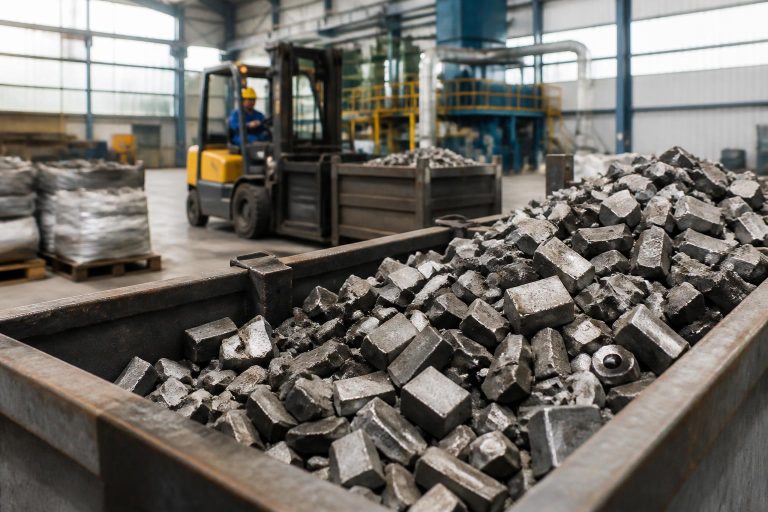
    Remloy operates a recycling facility in Bitterfeld, Germany, which employs a melting process to recycle end-of-life rare earth magnets. This process produces neodymium-iron-boron (NdFeB) alloy powders, catering to the bonded and hot-deformed magnet markets. The Remloy recycling method complements the short loop recycling process of HyProMag, which focuses on producing sintered magnets, and Mkango Rare Earths UK’s long loop recycling process aimed at generating mixed rare earth carbonates and oxides. The facility aims for a production capacity of at least 500 tonnes of NdFeB alloy powder annually.

    The acquisition comes with several advantages, including a fully commissioned production facility bolstered by substantial investments in equipment and feedstock. At the time of completion, Remloy had a significant stockpile of approximately 345 tonnes of end-of-life rare earth magnets and alloys, which will provide essential feedstock for both Remloy and HyProMag, supporting their growth strategies and creating future trading opportunities.

    Mkango’s CEO, William Dawes, expressed optimism about the acquisition, highlighting the potential to enhance the rare earth supply chain and recycling ecosystem in Germany and surrounding regions. He noted that Mkango is now strategically positioned across the entire rare earth supply chain in Europe and North America, with operations spanning recycling, magnet and alloy manufacturing in the UK, Germany, and the USA, as well as rare earth separation in Poland and mining activities in Malawi.

    David Bender, the newly appointed Managing Director of Remloy, emphasised the company’s readiness to scale up production and recycling capacities for rare-earth magnets. He believes that the integration into Mkango will significantly bolster supply chain resilience and security of supply in Europe, allowing Remloy to better serve its customers through enhanced synergies within the Mkango Group.

    Overall, this acquisition marks a significant step for Mkango Resources as it aims to solidify its position in the rare earth sector, particularly in the context of increasing demand for sustainable recycling solutions and the growing importance of rare earth materials in various industries.


  • Strategic Gains in Tungsten and Rare Earths: Almonty, Aurubis, and MP Materials Thrive Amidst Political Support

    Strategic Gains in Tungsten and Rare Earths: Almonty, Aurubis, and MP Materials Thrive Amidst Political Support

    In a landscape marked by increasing geopolitical tensions and a growing emphasis on domestic production, Almonty Industries, Aurubis, and MP Materials are emerging as key players in the mining sector, benefiting significantly from substantial financial backing from Washington and Brussels. The recent US decision to prohibit the export of tungsten waste and scrap without a licence highlights the strategic importance of tungsten, particularly as Almonty Industries prepares to ramp up operations at its Sangdong mine in South Korea. This mine, which is set to begin processing in July, boasts nearly 140,000 tonnes of ore valued at approximately USD 68 million. Almonty is well-positioned to address the ongoing supply shortage, with a remarkable 498% revenue increase to CAD 43 million and a gross margin of 60.7% reported in their latest quarterly figures. The company’s robust cash position of CAD 1.2 billion, bolstered by an USD 800 million senior notes offering, allows for significant investments, including a planned expansion of production capacity.

    Meanwhile, Aurubis, the Hamburg-based copper smelter, is navigating a complex year, marked by high metal prices and strong demand for sulphuric acid, alongside delays in its US expansion project. The company reported a 31% increase in operating earnings before tax (EBT) to EUR 374 million for the first nine months of the 2025/26 financial year, driven by rising copper prices and increased revenue from sulphuric acid. However, setbacks in the Richmond project have tempered investor enthusiasm, with full ramp-up now expected to be delayed by six months.

    On the other hand, MP Materials is showcasing operational progress with a 41% increase in NdPr production and a 127% rise in sales volume. Despite a GAAP loss of USD 20.3 million, the company is securing future revenues through strategic supply contracts with the US Department of Defense, which guarantees a minimum price for NdPr over the next decade. The company is also making strides in its magnet production, with expectations of over 1,000 tonnes of NdPr production in the upcoming quarter.

    The political support from both the US and EU is proving beneficial for these companies, as they navigate the complexities of the market. Almonty Industries is leveraging its strategic tungsten asset, while Aurubis is focused on solid operational performance despite expansion delays. MP Materials is capitalising on lucrative contracts and production advancements, although its share valuation remains a concern as market expectations may be overly optimistic. Overall, while the commodities boom is celebrated in stock markets, the path to sustained success for these companies is fraught with challenges and uncertainties.


  • Mkango Resources Completes Acquisition of Remloy Rare Earth Magnet Recycling Business

    Mkango Resources Completes Acquisition of Remloy Rare Earth Magnet Recycling Business

    Mkango Resources Ltd. has successfully completed its acquisition of the Remloy rare earth magnet recycling business from Heraeus Amloy Technologies GmbH for €8 million (approximately US$9.3 million). This strategic move, announced on 31 August 2026, marks a significant step in Mkango’s efforts to enhance its position within the rare earth supply chain in Europe. The transaction includes an initial payment of €5 million, with the remaining €3 million due on 28 August 2028.

    Remloy operates a fully commissioned recycling facility in Bitterfeld, Germany, which utilises a melting process to recycle end-of-life rare earth magnets into neodymium-iron-boron (NdFeB) alloy powders. This process complements Mkango’s existing recycling initiatives, including the short loop recycling process of HyProMag and the long loop recycling process of Mkango Rare Earths UK. With a target capacity of at least 500 tonnes per year, Remloy is poised to play a crucial role in the production of high-demand magnet materials.

    The acquisition comes at a time when the demand for rare earth materials is surging, driven by their critical applications in various high-tech industries. Mkango’s CEO, William Dawes, expressed optimism about the transaction, highlighting the potential for strengthening the rare earth supply chain and enhancing recycling capabilities in Germany and its neighbouring countries. He noted that Mkango is now uniquely positioned across the entire rare earth supply chain, with operations spanning recycling, magnet and alloy manufacturing in the UK, Germany, and the USA, as well as rare earth separation in Poland and mining activities in Malawi.

    David Bender, the newly appointed Managing Director of Remloy, emphasised the company’s readiness to scale up production and meet customer demands. He stated that the synergies within the Mkango Group would enhance their ability to provide a comprehensive range of products, thereby contributing to supply chain resilience and security of supply in the rare earth sector.

    As Mkango Resources continues to expand its operations, the integration of Remloy is expected to facilitate growth and innovation in rare earth magnet recycling, positioning the company as a key player in the European market. The strategic acquisition aligns with global trends towards sustainability and the circular economy, as industries increasingly seek to recycle and reuse materials to reduce environmental impact and ensure a stable supply of critical resources.

  • EU Struggles to Compete with US in Securing Critical Minerals

    EU Struggles to Compete with US in Securing Critical Minerals

    The European Union is at risk of falling further behind the United States in the race to secure critical minerals essential for defence and green technologies, as warned by European officials and industry leaders. The US has made significant investments over the past two years to ensure access to rare earth metals and other materials where China currently dominates global production. Since 2022, Washington has announced approximately $40 billion in provisional funding for mineral projects and has taken equity stakes in various domestic mining companies. Additionally, the US government has actively lobbied for American firms to win mining tenders in countries such as the Democratic Republic of Congo and Kenya.

    In contrast, the EU has designated dozens of strategic mineral projects to benefit from expedited permitting rules, committing around €6 billion to these initiatives this year. However, industry representatives caution that the EU’s pace is too slow to effectively kick-start the sector. Bernd Schäfer, CEO of EIT RawMaterials, expressed admiration for the US approach, stating that while Americans act decisively, Europeans tend to hesitate and over-administrate, resulting in lost time.

    The US is also working to establish a coalition of countries to create supply chains that circumvent China, through a new initiative known as the Forum on Resource Geostrategic Engagement (Forge). However, this initiative has raised scepticism in Brussels, particularly due to the previous US administration’s unpredictable stance towards the EU. European officials assert that the EU must adopt a similar approach to the US by securing offtake agreements and utilising financial tools to develop its critical minerals supply chain ahead of a new strategy set to be unveiled this autumn.

    The EU’s current efforts have primarily focused on designating strategic projects in mining, processing, and recycling, which benefit from faster permitting but lack guaranteed public funding. In stark contrast, the Trump administration invested heavily in developing its supply chain, including acquiring stakes in rare earth producers both domestically and in Europe. For instance, the Pentagon made a $400 million equity investment in MP Materials, a US rare earths producer, and signed a long-term agreement to establish a minimum price for neodymium-praseodymium, a critical alloy used in technologies like electric vehicles and robotics.

    Concerns have been raised about the potential for the US to become a second China for Europe in terms of dependence on rare earth metals. Schäfer noted that regardless of the methods employed by the Trump administration, the US has secured more deals in 18 months than Europe has in the past decade. Furthermore, the US government’s investments in European critical minerals companies, such as USA Rare Earth’s acquisition of British firm Less Common Metals, have sparked worries among European stakeholders.

    The European Court of Auditors has also indicated that despite Brussels selecting 75 strategic projects for streamlined permitting and investment access, it is ‘unlikely’ that many will meet the bloc’s 2030 targets for developing domestic supplies. A mining executive involved in one of the projects described the EU’s efforts as ‘disappointing’ in terms of financial support, highlighting the complexity of obtaining permits. While being designated as a strategic project may serve as effective marketing, it does not significantly alter the operational landscape for these initiatives.

  • Poland’s Critical Minerals Potential: A Key Player in Europe’s Supply Chain Strategy

    Poland’s Critical Minerals Potential: A Key Player in Europe’s Supply Chain Strategy

    As Europe seeks to reduce its reliance on Chinese imports of rare-earth elements (REE) and critical minerals, Poland emerges as a promising candidate to bolster the continent’s supply chain. With significant untapped reserves of critical raw materials, Poland could provide the EU with a strategic advantage in the clean energy, defense, and digital infrastructure sectors, especially as demand for these resources surges due to the rise of electric vehicles, wind turbines, semiconductors, and military hardware.

    The timing is politically advantageous for Poland, as the European Union has openly expressed its desire to diminish dependence on Chinese mineral imports. The Polish government is actively shaping policies and offering state support to attract industrial investment in the critical minerals sector. However, the transition from geological potential to operational mines is fraught with challenges. Industry experts caution that the process of converting known deposits into commercially viable mining operations is technically complex and capital-intensive.

    Poland faces significant hurdles, including a lack of specialized labor and processing infrastructure necessary to develop a robust supply chain. Additionally, any new extraction projects must comply with the EU’s stringent environmental and sustainability regulations, which can complicate and delay development efforts. This regulatory landscape has previously hindered mining initiatives across Europe, necessitating a careful approach to meet high standards.

    Despite these challenges, Poland’s unique combination of geological potential, political support from the EU, and an engaged national government positions it as a potential key player in Europe’s critical minerals landscape. If Poland can successfully navigate the financial, technical, and regulatory obstacles, it may play a crucial role in diversifying Europe’s supply chains, providing a viable alternative to Chinese sources. The mining industry will be closely monitoring whether Poland’s ambitions translate into operational mines or if its rare-earth potential remains largely unfulfilled for the time being.


  • EU Risks Falling Behind US in Securing Critical Minerals for Defence and Green Technologies

    EU Risks Falling Behind US in Securing Critical Minerals for Defence and Green Technologies

    The European Union (EU) is facing significant challenges in its efforts to secure critical minerals essential for defence and green technologies, with concerns that it is lagging behind the United States in this crucial race. European officials and industry leaders have expressed alarm over the EU’s slow progress in developing a robust supply chain for rare earth metals and other vital materials, particularly as the US has ramped up its investments and strategic initiatives in recent years.

    Since 2022, the US has committed approximately $40 billion (€34.22 billion) to mineral projects, actively taking equity stakes in domestic mining companies and lobbying for American firms to secure mining tenders in resource-rich countries such as the Democratic Republic of Congo and Kenya. This aggressive approach has positioned the US as a formidable player in the global minerals market, particularly in areas where China currently holds a dominant position.

    In contrast, the EU has earmarked around €6 billion for minerals projects this year and has initiated several strategic projects aimed at expediting permitting processes. However, industry experts argue that these efforts are insufficient and too slow to make a meaningful impact. Bernd Schäfer, CEO of EIT RawMaterials, highlighted the need for the EU to adopt a more decisive and proactive stance, stating that while the US swiftly implements ideas, Europe tends to hesitate and over-regulate, resulting in lost time.

    The US is also working to establish a coalition of nations to create supply chains that circumvent reliance on China, through initiatives like the Forum on Resource Geostrategic Engagement (Forge). However, this has raised scepticism within Brussels, particularly given the historically antagonistic relationship between the US and the EU under the Trump administration. European officials stress the importance of not being misled by US negotiations and emphasise the need for the EU to adopt similar strategies to secure critical minerals, including swift financial investments and offtake agreements.

    Despite the EU’s focus on designating strategic projects in mining, processing, and recycling, these initiatives lack guaranteed public funding, which further complicates their viability. The Trump administration’s substantial investments in the US supply chain, including a notable $400 million equity investment in US rare earths producer MP Materials, have raised concerns that the EU could become overly dependent on the US for critical minerals, mirroring its current reliance on China.

    Experts have noted that the US has executed more deals in the past 18 months than Europe has in the last decade, raising alarms about the EU’s ability to meet its 2030 targets for domestic mineral supply development. The European Court of Auditors has warned that while 75 strategic projects have been identified, many are unlikely to deliver timely results. A mining executive involved in one of these projects described the EU’s financial support as disappointing and noted that the complexity of obtaining permits remains a significant barrier to progress.


  • Greenland Mines Secures Approval for Sarfartoq Rare Earth Project Acquisition

    Greenland Mines Secures Approval for Sarfartoq Rare Earth Project Acquisition

    Greenland Mines (NASDAQ: GRML) announced on Friday that it has received formal approval from the Government of Greenland, through the Ministry of Business and Mineral Resources (Naalakkersuisut), for the indirect transfer of the Mineral Exploration License for the Sarfartoq carbonatite complex. This approval marks a significant milestone in the company’s acquisition of the Sarfartoq project from Neo Performance Materials for $35 million, satisfying one of the key regulatory closing conditions.

    The Sarfartoq project is touted as one of Greenland’s most advanced and compelling rare earth projects, primarily due to its high-grade deposits and favourable Arctic logistics. Located approximately 60 km from Kangerlussuaq in southeastern Greenland, the project features a carbonatite-hosted deposit that is notably enriched in Neodymium-Praseodymium (Nd-Pr).

    The project is backed by over 15 years of exploration efforts, including more than 23,000 meters of drilling, and carries a historic NI 43-101 Mineral Resource Estimate alongside a Preliminary Economic Assessment. According to the company, the historic resource indicates approximately 27 million kg of Nd oxides and 8 million kg of Pr oxides, concentrated within a zone containing 5.88 million tonnes of indicated material grading 1.77% total rare earth oxides (TREO) and 2.46 million tonnes inferred grading 1.59% TREO.

    Bo Møller Stensgaard, president of Greenland Mines, expressed optimism regarding the approval, stating, “This approval from the Government of Greenland is a fundamental milestone for our company and for the future of Sarfartoq. It reflects the strength of our relationships in Greenland and the confidence the Government places in our team to advance this project responsibly.”

    Stensgaard further emphasised the significance of the Sarfartoq project, calling it one of the most important undeveloped neodymium-praseodymium resources in the Western world. He highlighted that this approval is a foundational step towards establishing a genuine, Western-aligned rare earth supply chain from Greenland.

    Following the announcement, Greenland Mines’ stock surged, closing the day up over 22% on NASDAQ, with the company now holding a market capitalisation of $31.4 million. This positive market reaction underscores investor confidence in the potential of the Sarfartoq project and its implications for the rare earth supply chain in the region.


  • Lindian Resources Reports Progress on сRare Earths Project Ahead of Q4 2026 Production

    Lindian Resources Reports Progress on сRare Earths Project Ahead of Q4 2026 Production

    Lindian Resources Limited has announced significant advancements in the construction and operational readiness of its Kangankunde Rare Earths Project in Malawi, with first production slated for the fourth quarter of 2026. The company is on track for front-end commissioning by late October 2026, with practical completion expected in November 2026. As mining operations ramp up, ore is being mined and stockpiled in preparation for commissioning, while construction of the process plant and tailings storage facility (TSF) is progressing rapidly.

    The company is concurrently enhancing its operational capabilities across multiple regions, including Kazakhstan, Singapore, and Perth, to support the Kangankunde project and its recently acquired SARECO MREC Processing Facility in Kazakhstan. Lindian’s Executive Director, Zac Komur, highlighted the importance of this phase, noting that construction, mining, and operational readiness are advancing together, which is crucial for a smooth transition to production.

    Key infrastructure developments include the completion of the first phase of a 33kV powerline and ongoing water supply infrastructure enhancements, both critical for the commissioning of the process plant. The construction of the TSF is also on schedule, with civil works advancing towards completion by the end of October 2026.

    In addition to the project’s physical advancements, Lindian is focused on building its operational team, with key personnel being recruited and transferred to ensure a skilled workforce is in place for the upcoming production phase. The company is also expanding its corporate and operational support capabilities in Perth, further strengthening its position as it moves towards production.

    Overall, Lindian Resources is making significant strides in its efforts to establish the Kangankunde Rare Earths Project as a key player in the global rare earth supply chain, with the potential for substantial production capacity and strategic partnerships enhancing its market position.


  • Sweden Declares Critical Minerals Mining a National Security Interest

    Sweden Declares Critical Minerals Mining a National Security Interest

    In a significant move to bolster its mining sector and reduce reliance on foreign sources, particularly China, Sweden has officially designated the mining of critical metals and rare earth minerals as a national security interest. This announcement was made by Ebba Busch, Sweden’s Enterprise Minister and Deputy Prime Minister, on 23 July 2026. The strategy aims to enhance Sweden’s position in the global mining landscape, especially as China currently dominates the rare earth market, accounting for approximately 69% of global production. This dependency has raised concerns among Western nations, prompting Sweden to take decisive action to secure its mineral supply chains.

    Central to Sweden’s strategy is the Per Geijer deposit located at LKAB’s Kiruna mine, which is one of the European Union’s flagship projects aimed at reducing reliance on Chinese imports. The deposit boasts an impressive 1.2 billion tonnes of total mineral resources, including 2.2 million tonnes of rare earth oxides. Johan Menckel, the newly appointed President and CEO of LKAB, emphasised the company’s potential role in shaping Europe’s industrial value chains. The Swedish government plans to expedite the environmental permitting process for mining projects by establishing a dedicated authority, addressing current delays that hinder project approvals.

    Additionally, the government is exploring the establishment of a state-owned investment company to further support the mining sector. Deputy Prime Minister Busch highlighted the necessity for Sweden to leverage its rich natural resources and world-class mining companies. The strategy also includes a review of the mineral fee structure to ensure that local communities benefit more directly from mining activities. However, the expansion of mining rights has raised concerns among Sweden’s indigenous Sami population, who fear that increased mining activities could threaten their traditional way of life. As Sweden moves forward with its ambitious mining strategy, it must balance economic interests with the rights and concerns of local communities.


  • US Outpaces Europe in Critical Minerals Investment, Raising Supply Concerns

    US Outpaces Europe in Critical Minerals Investment, Raising Supply Concerns

    The United States is significantly outspending Europe in the race to secure critical minerals, according to a report from The Wall Street Journal. Over the past five years, Washington has committed approximately $46 billion to critical raw materials projects through various financial mechanisms, including grants, loans, and tax incentives. This figure is roughly eight times greater than the amount allocated by the European Union, as highlighted by an analysis from the French Institute of International Relations. This disparity in investment raises concerns that European manufacturers may remain overly reliant on Chinese supplies, which could jeopardise their competitiveness in the global market.

    The aggressive strategy adopted by the US has already begun to disrupt European efforts to establish independent supply chains for critical minerals. For instance, Pensana, a London-based rare earth developer, has shifted its plans for a processing plant from the UK to the US in order to take advantage of financing from the Export-Import Bank. Similarly, the Brazilian rare earth producer Serra Verde has secured US government-backed financing and has entered into a long-term agreement to sell its magnetic rare earth production, further illustrating the impact of US investment on international supply chains.

    In response to these developments, European industry leaders are expressing concerns about the potential for the US to dominate emerging non-Chinese supply chains. Pensana’s founder, Paul Atherley, described the situation as akin to ‘friendly fire’ among Western nations. In light of these challenges, the European Union is formulating its own response, which includes plans for a €3 billion financing hub, the establishment of strategic stockpiles, and partnerships with resource-rich countries such as Canada, Argentina, Norway, and South Africa. By 2030, the EU aims to ensure that no single country provides more than 65% of its strategic raw material needs, a goal that reflects the bloc’s commitment to diversifying its supply sources and reducing dependence on any one nation.