Tag: Mining industry

  • Rio Tinto Scales Back Lithium Expansion, Prioritises Capital Discipline and Existing Projects

    Rio Tinto Scales Back Lithium Expansion, Prioritises Capital Discipline and Existing Projects

    Rio Tinto has pared back its ambitions for rapid lithium growth, telling investors at its capital markets day in London that it will limit investment to projects already under development, with any further expansion contingent on market conditions and strict returns criteria.

    CEO Simon Trott confirmed that the company will complete its current slate of lithium projects — including the Rincon brine operation in Argentina and a single spodumene mine in Canada — to reach approximately 200,000 tonnes per year of lithium capacity by 2028. This figure is below the miner’s earlier guidance of 225,000 t/y, marking a recalibration of expectations amid a volatile market.

    Trott emphasised that Rio Tinto remains bullish on long-term lithium demand, particularly from grid-scale energy storage, but said capital discipline would take precedence over aggressive growth. The company is prioritising delivery of its major ongoing developments, including the Oyu Tolgoi underground expansion in Mongolia and the Simandou iron-ore megaproject in Guinea. Group capital expenditure is expected to fall below $10 billion from 2028.

    Rio Tinto has already halted spending at the Jadar lithium project in Serbia, which has been placed into care and maintenance after regulatory setbacks. The company is also reassessing its next steps in Canada, where the Whabouchi and Galaxy deposits are under review. Energy chief Jérôme Pécresse said both projects will remain active at minimal cost while Rio evaluates which — if either — will proceed. “It’s a reasonable decision to open one mine, not two, but too early to say which one,” he said.

    Trott reiterated that any new lithium investment would move forward only when market fundamentals justify it and when projects meet Rio Tinto’s financial thresholds. The miner has allocated roughly $3 billion per year for growth across the portfolio but will not deploy capital that cannot “move the needle” in terms of shareholder value.

    “We have a clear path to 200,000 tonnes by 2028 and that will be a fantastic business for us,” Trott said. “On other projects, we’ll continue to assess them based on the market fundamentals as they come up to sanction.”

    He added that Rio Tinto still possesses “the best undeveloped lithium assets in the business,” but emphasised that growth for its own sake is off the table. Maintaining a strong balance sheet is the priority, with cost savings from asset reviews and infrastructure optimisation expected to bolster shareholder returns.

  • Uzbekistan Positions Itself as a Global Critical Minerals Hub Through New “Mine-Metal-Market” Model

    Uzbekistan Positions Itself as a Global Critical Minerals Hub Through New “Mine-Metal-Market” Model

    Uzbekistan is rapidly emerging as a major industrial force in Central Asia, leveraging its rich geological endowment and newly modernized mineral sector to join the global critical minerals value chain. With the country ranked third worldwide in gold reserves and eighth in copper, but with only one-third of its territory fully explored, officials say the potential for new discoveries remains vast.

    Under President Shavkat Mirziyoyev, Uzbekistan has overhauled its geological and industrial policies, launching modern exploration programs and implementing advanced digital tools such as 3D modeling, JORC-compliant reporting and an updated subsoil management system aligned with international standards. A new law on the use of subsoil resources, which came into force in February 2025, is reshaping the regulatory environment to prioritize sustainability, investor protection and the development of high value-added industries.

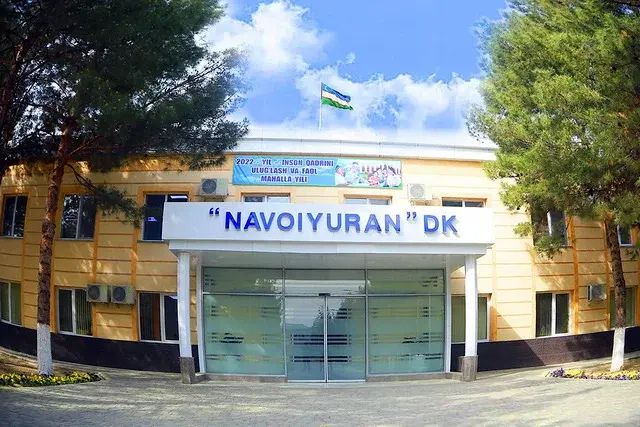
    At the center of this transformation is the Uzbekistan Technological Metals Complex (TMK), established in 2024 and tasked with demonstrating the country’s capabilities in critical raw materials and strengthening its role in global markets. TMK operates across the entire value chain — from mining to refined metals to finished industrial products — forming a fully integrated “mine-metal-market” ecosystem that includes exploration, processing, R&D and manufacturing.

    The company is currently advancing more than 100 projects across over 25 strategic raw materials, including tungsten, molybdenum, lithium, cobalt and graphite. As Uzbekistan expands its critical minerals ambitions, TMK has become a focal point of international cooperation, with the country signing strategic agreements with the United States, the European Union, Germany, the United Kingdom, Korea and several Central Asian neighbors. TMK itself now works with more than 50 global companies and has joined nine leading international industry associations, positioning it as an emerging player in shaping global standards and accessing cutting-edge technologies.

    Innovation and education have become key pillars of TMK’s strategy. The company has forged partnerships with top-tier institutions such as MIT in the United States and KU Leuven in Belgium to promote joint research, industrial PhD programs and technology transfer. In 2025, TMK launched the Higher School of Technological Metals — Uzbekistan’s first specialized educational institution meeting international standards for the critical minerals sector — developed in cooperation with the University of Pisa and the China University of Geosciences.

    TMK has also implemented globally recognized compliance and ESG practices, including ISO certifications in anti-corruption, compliance management and environmental management. Its initiatives are showcased at nearly 20 major international forums and exhibitions each year, including the Future Minerals Forum, PDAC and MINEX Europe, as the company seeks to expand engagement with global investors and industry leaders.

    As demand for critical minerals accelerates worldwide, Uzbekistan is positioning itself as a new strategic center anchored by a modern regulatory framework, substantial geological potential and a diversified value chain. Through TMK’s integrated approach and global cooperation network, the country aims to become a stable and reliable partner in the international critical minerals market.

  • Rio Tinto to Halt Serbia’s Jadar Lithium Project as Costs Rise and Progress Stalls

    Rio Tinto to Halt Serbia’s Jadar Lithium Project as Costs Rise and Progress Stalls

    Rio Tinto will suspend development of its long-delayed Jadar lithium project in Serbia, effectively mothballing what was once slated to become Europe’s largest lithium mine. The decision, first reported by Bloomberg and later confirmed by a company spokesperson, places the nearly $3-billion project into “care and maintenance” as the miner seeks to reduce spending and refocus its lithium strategy.

    The move ends Rio’s two-decade effort to unlock the massive Jadar deposit, discovered in 2004 and estimated to produce 58,000 tonnes of battery-grade lithium carbonate annually. Despite the project’s strategic importance for Europe’s battery supply chain, Jadar has repeatedly stalled amid regulatory hurdles, political uncertainty and strong community opposition. Serbia revoked Rio’s licence in 2022 over environmental concerns and only reinstated it last year, but permitting made little progress.

    In the internal memo cited by Bloomberg, Rio said it could no longer justify the level of investment given the limited advancement of the project. Earlier this year, the company raised Jadar’s cost estimate to nearly $3 billion, citing the need to meet stringent EU environmental and human rights standards.

    The suspension is part of broader cost-cutting measures under new CEO Simon Trott, who has introduced restructuring efforts and workforce reductions across the company. With Jadar shelved, Rio is expected to concentrate its lithium ambitions on South America, including Argentina’s Rincon project and joint ventures in Chile.

    Analysts say the decision underscores Rio’s pivot away from hard-rock assets inherited through its merger with Arcadium, and some expect those projects could be sold. The halt also deals a blow to EU plans to secure domestic lithium supply, as Jadar was projected to cover nearly 90% of Europe’s current demand.

  • Kazakhstan’s Sarytogan Deposit Confirmed as Source of Ultra-Pure Graphite

    Kazakhstan’s Sarytogan Deposit Confirmed as Source of Ultra-Pure Graphite

    Australian-listed Sarytogan Graphite Limited has confirmed that its Sarytogan deposit in Kazakhstan contains exceptionally pure graphite, with a carbon content reaching 99.9992%, according to the company’s latest research results.

    Geological surveys and drilling programs at the site have delivered outstanding findings. Results from the first 20 drill holes revealed graphite grades ranging from 30.8% to 41.3%, with several samples exceeding the 40% mark — levels rarely seen in global graphite deposits.

    With estimated reserves of 8.6 million tonnes of ore, Sarytogan ranks among the richest graphite deposits in the world, representing roughly one-third of global graphite resources, according to Orda.kz. The mine’s operational life is projected to extend for at least 60 years, though ongoing exploration suggests the resource base could be significantly larger.

    Sarytogan Graphite’s managing director Sean Gregory emphasized the uniqueness of the deposit, noting that drilling results confirm the presence of thick, high-grade graphite layers. “These results strengthen Sarytogan’s position as a world-class source of ultra-pure graphite,” he said.

    Flotation tests demonstrated that even without chemical pre-treatment, the thermally purified graphite reached 99.9992% carbon purity. Such premium-grade graphite is critical for use in lithium-ion batteries, advanced energy storage systems, and nuclear technologies.

  • Armenia’s Prime Minister Calls for Transparency and Higher Standards in Mining at Tsaghkadzor Forum

    Armenia’s Prime Minister Calls for Transparency and Higher Standards in Mining at Tsaghkadzor Forum

    The Mining Armenia Forum 2025 opened on Friday in the resort town of Tsaghkadzor, bringing together government officials, industry leaders, and experts to discuss opportunities and challenges facing Armenia’s mining sector.

    Prime Minister Nikol Pashinyan, delivering opening remarks, underscored the importance of transparency, professionalism, and education in the industry. He acknowledged the sector’s negative public perception and emphasized the need to rebuild trust.

    “We must recognize that the subsoil belongs to the people and the state, and it is essential for citizens to feel this is true,” Pashinyan stated. Highlighting state participation in the Zangezur Copper-Molybdenum Combine and the Amulsar mine, he noted that these projects symbolize shared national ownership.

    According to Pashinyan, the Zangezur Copper-Molybdenum Combine paid 148% more in taxes between 2018 and 2025 compared with the previous seven years. “What matters is not only the revenue growth for the state budget, but the fact that these funds translate into roads, schools, kindergartens, and security,” he said.

    The Prime Minister also stressed Armenia’s efforts to align its mining practices with leading international environmental standards, particularly as the country prepares to host the COP17 Biodiversity Conference in 2026. “Changing traditions is not easy, but care for the environment is a priority,” he said.

    He further emphasized mining as a knowledge-based industry requiring highly qualified professionals across multiple fields, noting its role in driving education, business development, and career opportunities for Armenians. “The more we raise our standards, the more highly skilled professionals we will produce,” he added.

  • ERG Opens Pioneering Solar-Powered School in Kazakhstan as Part of KZT15 Billion Education Drive

    ERG Opens Pioneering Solar-Powered School in Kazakhstan as Part of KZT15 Billion Education Drive

    The KZT7.8 billion (£13.7 million) school, which can accommodate 1,200 students, is part of ERG’s “ERG mektep” (“ERG for Schools”) programme. This initiative has channelled over KZT15 billion into education in Kazakhstan in recent years.

    The new building, spanning over 19,590 square meters, is one of the largest constructed under the state-led Keleshek Mektepteri (“Schools of the Future”) initiative. It incorporates modern features focusing on ergonomics, inclusivity, and energy efficiency. The school also features advanced security systems integrated with artificial intelligence.

    Shukhrat Ibragimov, Chairman of the Board of Directors and CEO of ERG, expressed pride in the project’s inclusion in the national initiative. He quoted Kanysh Satbayev, a prominent Kazakh scientist, stating, “The future belongs to young people. But in order to be prepared for this future, they need to be equipped with knowledge.”

    The school boasts 60 classrooms, four computer labs, a STEM laboratory, a robotics room, and language labs. It also includes hydroponic systems for biology and ecology studies and a media centre with a podcast studio. Digital assistants will assist teachers, providing tailored learning tasks for students.

    A key feature of the design is its focus on inclusivity, with accessible classrooms and special elevators to accommodate students with special educational needs. The Akim of the Kostanay Region, Mr Kumar Aksakalov, praised the collaboration between government and business, stating the school “meets all modern requirements” and will “become a solid foundation for fostering honesty, hard work, patriotism and civic responsibility among the younger generation.”

    In a joint programme with the Teach for Qazaqstan foundation, four specialist STEM teachers will join the new school to strengthen technical education. ERG has a history of supporting educational infrastructure in the country, having previously funded similar projects in the Pavlodar Region and modernisations in Aksu and Khromtau.

  • ABMEC Annual Conference and Exhibition Returns to Doncaster in November 2025

    ABMEC Annual Conference and Exhibition Returns to Doncaster in November 2025

    The Association of British Mining Engineering and Consultants (ABMEC) has announced the return of its Annual Conference and Exhibition, scheduled for 26–27 November 2025 at Doncaster Racecourse. The event, held in collaboration with the Mining Association of the United Kingdom (MAUK), will unite leading suppliers, manufacturers, and mine operators for one of the UK’s premier mining industry gatherings.

    The ABMEC Conference has established itself as a key platform for exploring the future of mining equipment, engineering excellence, and technological innovation. This year’s programme will feature keynote speeches from industry leaders, technical presentations, and an exhibitor showcase highlighting cutting-edge products, services, and solutions for the mining sector.

    Delegates can also expect extensive networking opportunities, while students are being offered free passes to encourage the next generation of engineers, consultants, and geoscientists to engage with the industry.

    Dr Kate Thornton, CEO of ABMEC, commented: “The ABMEC Conference is a vital platform for showcasing the innovation, resilience, and technical excellence that define the UK’s mining supply chain. We are especially proud this year to welcome the next generation of engineers and geoscientists through free student access, reinforcing our commitment to building a diverse and skilled future workforce.”

    With international speakers and a global audience, the 2025 event will continue to highlight the strengths of British mining engineering and consulting while addressing worldwide opportunities and challenges.

    Registration is now open for delegates and exhibitors. More information is available at www.abmec.org.uk or via email at enquiries@abmec.org.uk.

  • Kazakhmys Overhauls Safety Protocol Following Jomart Mine Tragedy

    Kazakhmys Overhauls Safety Protocol Following Jomart Mine Tragedy

    Kazakhstan’s mining and metallurgical giant Kazakhmys is implementing sweeping safety reforms following the February 2025 methane explosion at its Zhomart copper mine, which claimed seven lives. The tragedy exposed systemic risks in the sector, long regarded as one of the most hazardous in the country, and prompted regulators to issue 45 safety directives, over half of which have already been addressed.

    The company has since launched a comprehensive modernisation programme under its Digital Kazakhmys initiative. Key measures include real-time GPS tracking of all underground staff, predictive gas monitoring via advanced sensors integrated into the DMMS digital platform, and the installation of an in-house gas analysis laboratory. Additional safeguards—such as automatic equipment shutdowns when methane thresholds are exceeded—aim to reduce reliance on human intervention.

    Kazakhmys is also working with scientific institutes to study gas emissions in copper ore deposits, a relatively new phenomenon for the industry, with the aim of shaping updated mining regulations by 2026. The Zhomart mine has effectively become a testing ground for technologies that could transform Kazakhstan’s mining sector from one of the deadliest into a more predictable and manageable industry.

  • Kazakhstan Detects $1.9 Million in Subsoil Use Violations Through Digital Monitoring

    Kazakhstan Detects $1.9 Million in Subsoil Use Violations Through Digital Monitoring

    Since January 2025, Kazakhstan has operated a Unified Subsoil Use Platform, through which 2,443 operators have submitted electronic reports. The new digital monitoring tool has enabled regulators to uncover violations of subsoil use legislation.

    As a result, companies received notifications of breaches across 196 contracts and licenses, with total penalties amounting to 910 million tenge (approx. $1.9 million). In addition, 37 contracts were terminated — 30 for geological exploration, five for extraction, and two for combined activities. Authorities also revoked 61 licenses from non-compliant operators.

    The Ministry of Internal Affairs and the National Security Committee have halted illegal mining operations in four regions of the country. In the third quarter of this year, the agencies plan to issue about 350 notifications and conduct 65 on-site inspections.

    By the end of the year, a draft law on digitalization and auctions, along with amendments to allocate 50% of subscription bonuses to state geological exploration, will be submitted to the Parliament of Kazakhstan, Kazinform reports.

  • Dundee Precious Metals Shareholders Approve Adriatic Metals Acquisition and Corporate Rebranding

    Dundee Precious Metals Shareholders Approve Adriatic Metals Acquisition and Corporate Rebranding

    August 13, 2025

    Toronto, Canada – Dundee Precious Metals Inc. (TSX: DPM) has announced the results of its special meeting held on August 13, 2025, where shareholders overwhelmingly approved two key resolutions: the issuance of common shares in connection with the acquisition of Adriatic Metals plc and a name change for the company.

    Shareholder Approval for Acquisition and Name Change

    Shareholders voted to approve the issuance of DPM common shares as part of its proposed acquisition of Adriatic Metals plc, to be effected by a scheme of arrangement under Part 26 of the Companies Act. Additionally, shareholders approved an amendment to the company’s articles to change its name to “DPM Metals Inc.” or another name as approved by the board of directors, subject to regulatory approval.

    The voting results were as follows:

    Share Issuance: 121,852,918 votes in favor (99.73% of votes cast), 329,765 votes against (0.27%).
    Name Change: 125,346,665 votes in favor (99.81% of votes cast), 236,902 votes against (0.19%).
    A total of 122,182,683 shares were voted for the share issuance, representing approximately 73.19% of the issued and outstanding DPM shares. For the name change, 125,583,567 shares were voted, representing approximately 75.23% of the issued and outstanding DPM shares.

    Adriatic Shareholder Approval

    DPM also confirmed that Adriatic Metals plc has received the requisite shareholder approvals for the scheme of arrangement at its Court Meeting and General Meeting, both held earlier today.

    Next Steps and Completion of Acquisition

    The completion of the acquisition remains subject to the sanctioning of the scheme by the High Court of Justice in England and Wales, the delivery of a copy of the Court’s order to the Registrar of Companies in England and Wales, and the satisfaction or waiver of other conditions set out in the scheme document. The hearing for the Court’s sanction is currently scheduled for August 29, 2025. As announced by Adriatic, the scheme is expected to become effective on September 3, 2025.