The European Parliament, in a significant move, has voted to reduce regulatory burdens and diversify the sources of critical raw materials like lithium and silicon. This plan aims to secure a steady supply of these materials, which are essential for the production of solar panels, electric vehicle batteries, and other crucial elements of the EU’s green transition.
By approving this act with an overwhelming majority of 515 votes in favor and 34 against, the European Parliament seeks to decrease its reliance on a single country for more than 65% of any strategic raw material by 2030. The details of this act will now undergo negotiations between the parliament and the council.
Nicola Beer, a German MEP from the liberal Renew Europe group, who was responsible for the proposal, expressed that the European Parliament has taken a clear stance on the security of supply, emphasizing the path towards European sovereignty and competitiveness. The EU’s shift towards clean energy necessitates access to critical raw materials like lithium and silicon, as they are vital for electric vehicle batteries and solar panel semiconductors. Presently, the EU depends on a small number of countries, including China, as suppliers.
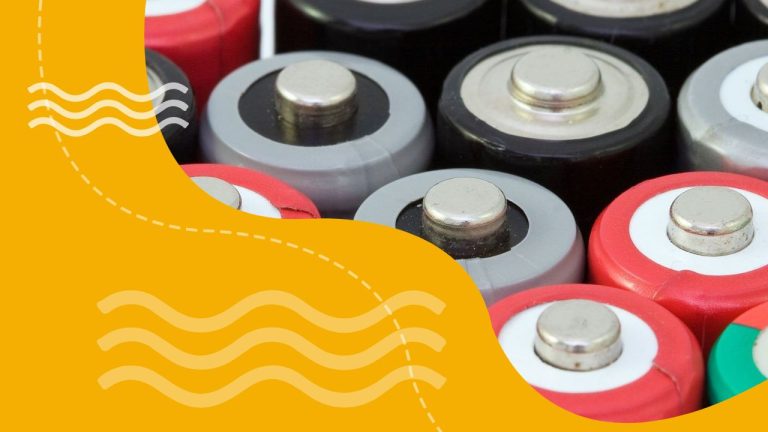
Hildegard Bentele, a German MEP from the center-right European People’s Party, stressed the importance of increasing the supply of reliable sources for raw materials, stating that electric mobility cannot thrive without batteries, and batteries cannot be produced without an adequate supply of lithium. She emphasized the need for a credible and strategic raw materials policy to achieve this goal.
The newly proposed plan establishes targets for the extraction, processing, and recycling of critical raw materials. By 2030, the EU aims to have the capacity to extract at least 10% of its demand and process 50% of its demand for these materials. The plan also includes provisions allowing for up to 20% of new processing capacity to come from partnerships with emerging markets. Furthermore, the recycling capacity is expected to reach 45% for the collection, sorting, and processing of strategic materials from waste.
Mohammed Chahim, a Dutch MEP from the center-left Socialists and Democrats, highlighted the potential to reduce import demand through improved material efficiency and recycling. He noted that the revised plan expands the scope of national circularity plans to encompass more reuse, refurbishment, and recycling, in comparison to the original proposal put forth by the European Commission.
According to the International Energy Agency’s net-zero emissions scenario, global demand for key critical minerals, including nickel, cobalt, lithium, copper, and neodymium, is projected to grow by 1.5 to seven times by the end of the decade. This underscores the urgency for the EU to diversify its sources of these materials.
Since the conflict between Russia and Ukraine exposed the EU’s overreliance on Russian gas imports, European politicians and businesses have been actively seeking alternative suppliers for key minerals. Markus Beyrer, the head of the industry lobby group BusinessEurope, acknowledged the European Parliament’s recognition of the importance of securing and diversifying the supply of critical raw materials. He particularly welcomed the support for streamlined permitting processes, reduced bureaucratic obstacles, and the focus on strengthening partnerships with trading partners.
However, some environmentalists have raised concerns regarding the act, fearing that it may lead to poorly regulated mines in countries like Finland, which is rich in critical minerals, thereby posing risks to the environment. They have criticized the proposal for expediting the issuance of permits without adequately raising the environmental standards that mining companies must adhere to.
Satu Jaatinen, a board member of MiningWatch Finland, an environmental nonprofit organization, emphasized that mines and the battery industry can be made sustainable by adopting existing technologies. She expressed disappointment that the industry is unwilling to make the additional investments required for sustainability, asserting that mines should reflect their true costs.
The negotiations and implementation of this act will play a significant role in shaping the EU’s approach to securing critical raw materials while balancing environmental concerns and sustainability.