Tag: investment

  • Uzbekistan to Launch Uranium Extraction at Four New Deposits

    Uzbekistan to Launch Uranium Extraction at Four New Deposits

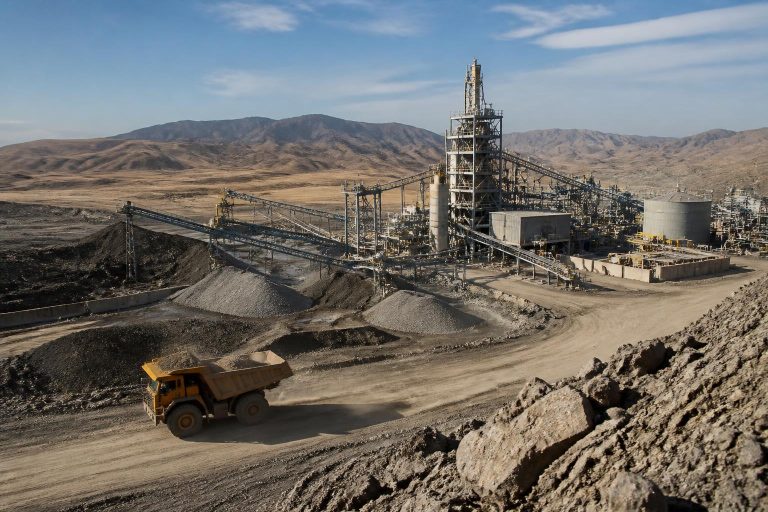
    President Shavkat Mirziyoyev has reviewed the latest developments and future plans for Uzbekistan’s coal and uranium industries during a recent presentation, according to the presidential press service.

    Discussions centred on increasing coal output, strengthening competition within the sector, and improving the use of existing reserves. It was noted that during the 2025–2026 autumn-winter season, the country plans to extract 10 million tonnes of coal — 1.3 million tonnes more than last season. Production so far has reached 9 million tonnes, up by 590,000 tonnes year-on-year, with next season’s goal set at 11 million tonnes.

    Efforts will focus on faster development of deposits in the Tashkent and southern regions, expanding selective extraction, and engaging additional excavators and outsourced equipment. By supporting private entrepreneurs, authorities expect to produce an extra 2.5 million tonnes of coal in 2026.

    Particular attention was given to the “Nishbosh” coal deposit in Angren, where a nearly $500 million investment project is set to begin production this year. With reserves of about 233 million tonnes, the site is expected to yield 1 million tonnes of coal in its first year and reach an annual output of 10 million tonnes. The project will also create around 880 permanent jobs.

    Separately, state company Uzkimyosanoat unveiled a $5 billion initiative to establish a new polymer production facility based on the chemical processing of coal. The plant will be capable of converting 8–9 million tonnes of coal into 1.18 million tonnes of polymer products annually.

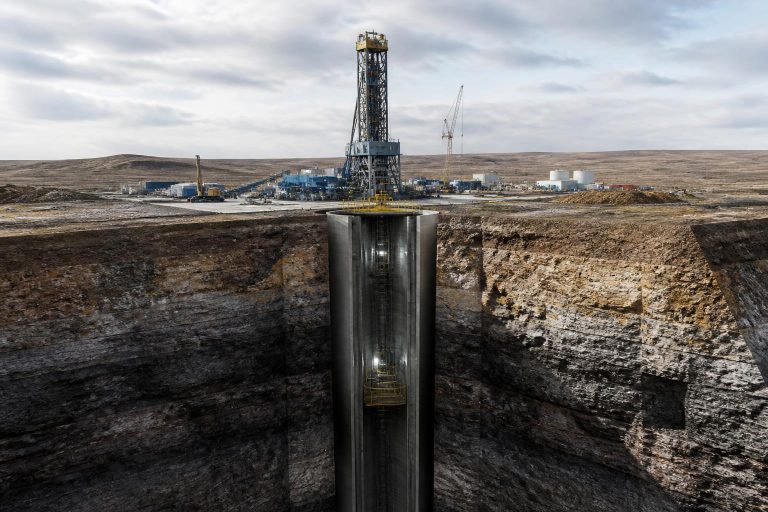
    In 2025, Uzbekistan produced 7,000 tonnes of uranium while confirmed reserves rose to 139,000 tonnes. This year, the government plans to start mining operations at four new deposits — ArnasayWestern KizilkukSouthern Jongeldi, and Eastern Agron. To accommodate rising output, additional uranium processing capacity will be developed, including stable supplies of sulphuric acid and technical sulphur.

  • UK deepens engagement with Kazakhstan through green growth, critical minerals and people-to-people ties

    UK deepens engagement with Kazakhstan through green growth, critical minerals and people-to-people ties

    The United Kingdom is recalibrating its engagement with Kazakhstan, placing growing emphasis on green technology, critical minerals, education and cultural cooperation, according to UK Ambassador to Kazakhstan Sally Axworthy.

    In an interview with The Astana Times, Axworthy said London sees Kazakhstan as a key long-term partner as global supply chains shift and demand for sustainable growth increases. Rather than pressure or politics, the UK approach is built around practical cooperation, business links and human connections.

    She noted that the UK Embassy’s role extends well beyond traditional diplomacy, focusing on connecting Kazakh businesses with British expertise. This cooperation is already visible in Kazakhstan’s urban landscape, with major architectural landmarks designed by British firms. These include Khan Shatyr in Astana by Foster and Partners, the newly opened Almaty Museum of Arts by Chapman Taylor, and the Tselinny Center of Contemporary Culture by British architect Asif Khan.

    Beyond flagship projects, Axworthy stressed that small and medium-sized enterprises are a growing priority. Through the Green and Inclusive Growth Programme, the UK is supporting startups with financing and advisory services, particularly in green, digital and AI-driven sectors. She confirmed that a new venture capital fund is being set up to invest in startups, with a special focus on green technologies and women-led businesses.

    Digital innovation has also become a key area of cooperation. During the Digital Bridge forum, the UK Embassy supported an event where startups from across Central Asia pitched to investors, reflecting Kazakhstan’s ambitions in artificial intelligence and technology-led growth.

    On energy and climate policy, Axworthy said the UK’s own decarbonisation experience underpins its partnership offer. She noted that the UK now generates about half of its electricity from green sources and has cut emissions by nearly 50% since 1990 while expanding its economy by 80%. This, she said, aligns naturally with Kazakhstan’s net-zero target for 2060.

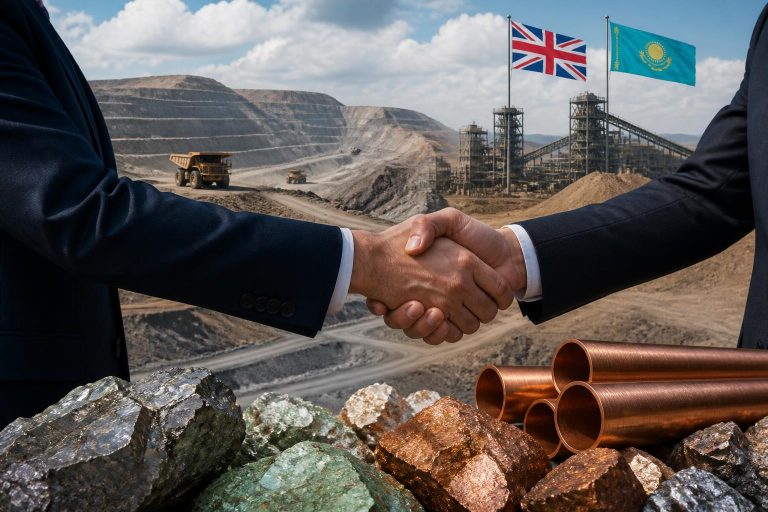
    Critical minerals are central to this cooperation. Axworthy outlined the UK’s updated Critical Minerals Strategy, which focuses on domestic production, financial infrastructure and resilient supply chains. While the UK is developing resources such as lithium and tin in Cornwall, she highlighted London’s role as a global financial hub and the importance of partnerships with resource-rich countries like Kazakhstan.

    She cited joint projects already under way, including rhenium recycling through a partnership between Maritime House and Zhezkazgan Redmet, with output expected to supply up to a quarter of global rhenium demand for uses such as aircraft turbines produced by Rolls-Royce. A vanadium project by Ferro-Alloy Resources could eventually meet up to 10% of global demand.

    Education and standards underpin these economic ties. Axworthy pointed to the opening of a branch campus of Cardiff University in Astana, offering courses in geological exploration, as well as cooperation on transparency standards through the Extractive Industries Transparency Initiative.

    Addressing geopolitics, Axworthy described Kazakhstan’s multivector foreign policy as logical given its geography and said the UK does not expect exclusive alignment. She recalled remarks by former UK foreign secretary David Cameron that partnership with Britain is about mutual security and prosperity, not choosing sides.

    Education and culture remain among the strongest pillars of bilateral relations. Nearly half of Kazakhstan’s Bolashak scholars have studied in the UK, and British universities such as De Montfort University, Coventry University and Cardiff now operate campuses in Kazakhstan. Axworthy also highlighted the role of the British Council and growing cultural links, from Kazakh language courses at Oxford University to increased interest from British creative industries.

    She added that Kazakhstan’s tourism and cultural potential is still under-represented in the UK, noting strong interest among British travellers and pointing to Almaty as a city with particular appeal.

  • Kazakhstan to invest $500 million in high-resolution geological mapping to boost mineral exploration

    Kazakhstan to invest $500 million in high-resolution geological mapping to boost mineral exploration

    Kazakhstan’s government is launching a new phase of subsoil exploration aimed at significantly expanding geological coverage using modern prospecting methods, in line with instructions from President Kassym-Jomart Tokayev.

    As part of this effort, 20 projects were developed last year to carry out geological mapping at a scale of 1:50,000 across a total area of 100,000 square kilometres, with plans to cover an additional 30,000 square kilometres of the most prospective areas each year. This represents a major increase in detail compared with the Soviet-era standard of 1:200,000 mapping.

    Over the next three years, the government plans to allocate 240 billion tenge, or around $500 million, to implement these projects, conduct seismic surveys in poorly studied sedimentary basins, and build modern geological infrastructure. By comparison, total investment in the sector over the past 15 years amounted to $469 million.

    The programme includes analysis of remote sensing data, aerogeophysical and geochemical surveys, and extensive fieldwork. Areas were selected based on factors such as reserve depletion, the absence or minimal presence of subsoil users, and potential for priority minerals. The identified zones show high prospects for discoveries of copper, gold, lead, zinc, rare earth elements, barite and bauxite.

    Seismic exploration is also planned in underexplored oil and gas basins, including the North Torgai, Shu-Sarysu and Syrdarya regions. In parallel, Kazakhstan intends to modernise its laboratory and analytical base and continue the digitalisation of geological data.

    According to the government, the shift to detailed geological mapping at this scale will significantly improve the accuracy of geological forecasts and align Kazakhstan with international best practice seen in the European Union, Canada, Australia and China. Detailed regional mapping is viewed as a foundation for identifying promising areas, reducing geological and investment risks, and attracting private investment into exploration and mining.

  • Kazakhstan launches large-scale programme to refine geological mapping and resource forecasts

    Kazakhstan launches large-scale programme to refine geological mapping and resource forecasts

    Kazakhstan will roll out a three-year programme of advanced subsurface studies aimed at improving the accuracy of geological forecasting, according to the Ministry of Industry and Construction. A central element of the initiative is the transition to geological mapping at a scale of 1:50,000, which is four times more detailed than the Soviet-era standard of 1:200,000.

    In 2025, authorities approved 20 projects covering a total area of 100,000 square kilometres. During the next stage, around 30,000 square kilometres of the most prospective territories are expected to be studied annually. Funding of 240 billion tenge, or about $500 million, has been allocated for geological exploration of 20 sites, seismic surveys in poorly studied sedimentary basins, and the creation of a digital geological data infrastructure. This represents the largest level of investment in the sector in the past 15 years.

    The programme includes analysis of satellite imagery, aerogeophysical and geochemical surveys, as well as extensive fieldwork. Areas were selected based on declining reserves, the absence of active subsoil users, and strong potential for key minerals. Priority targets include zones prospective for copper, gold, lead, zinc, rare earth metals, barite and bauxite.

    Special focus will be placed on oil and gas potential. Seismic surveys are planned in the North Torgai, Shu-Sarysu and Syrdarya basins, alongside upgrades to laboratory facilities and the digitisation of geological data.

    According to Ulzhabay Ismailov, генеральный директор GeoByte-Info, mapping at a 1:50,000 scale makes it possible not only to chart territories in detail but also to reconstruct geological history, identify ore distribution patterns and better assess exploration prospects. Refining forecast resources in the R3 and R2 categories will help more precisely select targets for subsequent exploration, he said.

  • Kazakhstan outlines major mining and metallurgical projects planned for the coming year

    Kazakhstan outlines major mining and metallurgical projects planned for the coming year

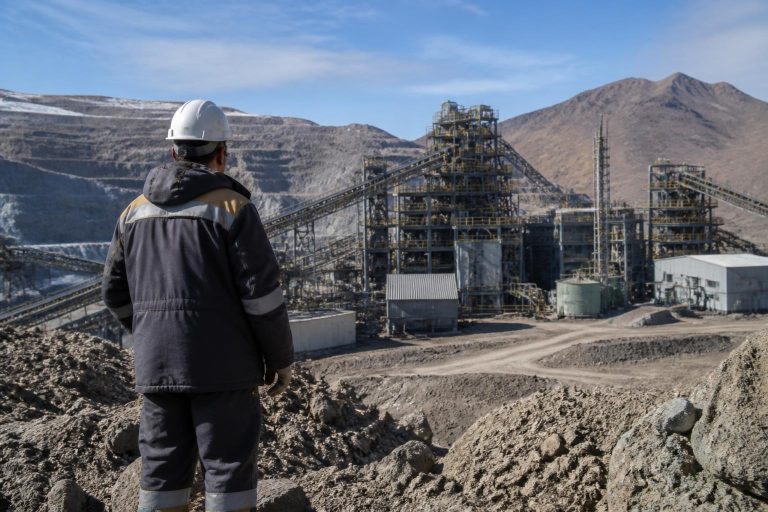
    After reviewing the mining and metallurgical facilities launched across the country last year, Kazakhstan is now turning its attention to key sector development plans for the year ahead. Several large-scale projects are set to move forward, spanning titanium, zirconium, polymetals and copper production.

    In 2026, the Obukhov Mining and Processing Plant in the North Kazakhstan region is scheduled to be relaunched at the Obukhov titanium-zirconium deposit. Rare Metals Kazakhstan plans to mine up to 800,000 tonnes of ore annually and produce around 30,000 tonnes of rutile-zirconium concentrate and ilmenite. Most of the output will be exported to China, which dominates global production and consumption of rare and rare-earth metals.

    Another project involving the resumption of mining is underway in the Kyzylorda region, where development of the Shalkiya polymetallic deposit will continue. The asset belongs to a subsidiary of Tau-Ken Samruk. The concentrator is designed to process up to 4 million tonnes of ore per year, with total investments in the non-ferrous metals project estimated at 323 billion tenge.

    In addition, a hydrometallurgical plant is expected to open in the Pavlodar region next year. Fonet Er-Tai Mining plans to produce cathode copper using raw materials from the Kodzhanchad group of deposits. The facility will have an annual capacity of 5,000 tonnes, with investments totaling 9.4 billion tenge.

    Another major development is the launch of a mining and processing plant at the Koksai deposit in the Zhetysu region. Construction is being carried out by the Consolidated Construction Mining Company, a subsidiary of Kazakhmys. The project предусматривает annual production of up to 50 million tonnes of copper ore. In addition to copper, the deposit contains silver and gold, with total ore reserves exceeding 823 million tonnes. Total capital expenditures for the project reached 976 billion tenge.

  • Sale of Kazakhmys Corporation Finalised, New Owner to Take Over in December

    Sale of Kazakhmys Corporation Finalised, New Owner to Take Over in December

    Negotiations over the sale of Kazakhstan’s Kazakhmys Corporation have been completed, with the company expected to change ownership in December. According to National Business Kazakhstan, the agreement on the transfer of ownership is planned to be signed before the end of the year and has already received regulatory approval.

    The new owner of Kazakhmys will be Nurlan Artykbayev, founder of construction group Qazaq Stroy, whose personal wealth is estimated at about 228 million dollars. Qazaq Stroy’s press service told NBK that the preliminary value of the transaction, based on both independent and joint audits, stands at 3.85 billion dollars.

    Following the ownership change, Kazakhmys’ strategic priorities are expected to remain intact. Qazaq Stroy said the arrival of a new shareholder will strengthen the company’s long-term strategy, focusing on improving operational efficiency, expanding the resource base, and implementing a large-scale investment program. The Kazakhmys group currently includes 37 companies and major production facilities, many of which are operating at around 50% capacity and require modernization.

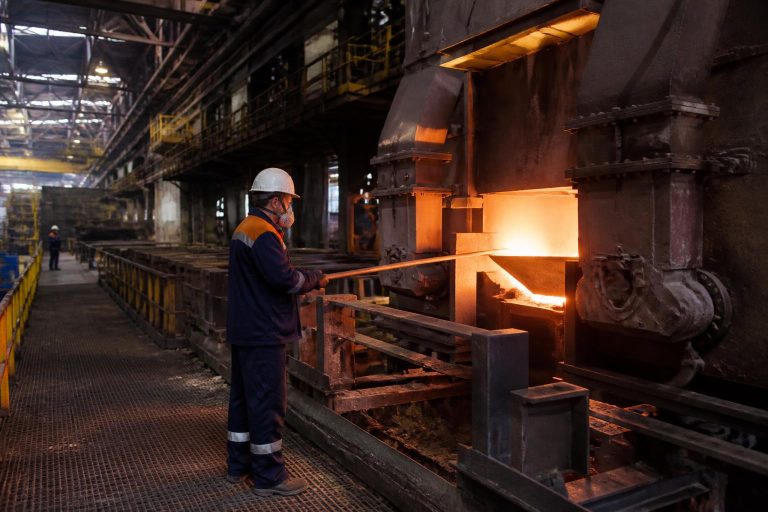
    For the period from 2026 to 2045, planned investments exceed 3 trillion tenge, or more than 5.5 billion dollars. These funds are earmarked for upgrading processing plants, introducing hydrometallurgical technologies, developing underground mining projects, and expanding power generation capacity. The company’s target is to increase copper production to about 500000 tons per year by 2032.

    Nurlan Artykbayev, aged 50, has also controlled Qazaq Kalium Ltd. since 2023, a company developing the Satimola potash deposit. In 2024, one of his companies acquired a 9% stake in Kazakhtelecom from Jusan Bank.

    Kazakhmys’ main shareholder has been oligarch Vladimir Kim, who owns 70% of the corporation and is also the principal owner of KAZ Minerals Group and RBK Bank. The remaining 30% of Kazakhmys Holding Ltd is controlled by his business partner Eduard Ogay. Media outlets have indicated they will continue to monitor developments surrounding the transaction in case its terms change.

  • East Star and Xinhai Agree on Joint Development of Verkh-Uba Copper Project in Kazakhstan

    East Star and Xinhai Agree on Joint Development of Verkh-Uba Copper Project in Kazakhstan

    UK-listed East Star Resources Plc has announced that it has signed a preliminary agreement with China’s Xinhai Mining Services Limited to jointly develop the Verkh-Uba copper deposit in Kazakhstan.

    Under the terms of the agreement, Xinhai Mining Services will lead the phased development of the project, which is estimated to require investments of around 65 million US dollars. The parties expect to finalize and sign a binding agreement within the next six months.

    The Chinese partner will fully finance all stages of project development, including approximately 5000 meters of additional drilling to refine resource estimates and the construction and commissioning of a mining and processing facility with an annual capacity of 1 million tonnes. As investment volumes increase at each stage, Xinhai’s stake in the joint venture will rise from an initial 15 percent to as much as 70 percent.

    East Star noted that the involvement of a strategic partner will reduce project risks and accelerate development timelines. The joint venture will also allow the company to redirect its efforts toward the discovery and evaluation of additional deposits, as East Star holds several other promising gold and copper licenses. These include the Talovskoye and Rulikhinskoye sites, with the latter estimated under JORC standards to contain 23 million tonnes of copper ore at an average grade of 2.4 percent.

    In Kazakhstan, East Star focuses on the exploration of gold and base metals and has been conducting exploration activities for more than three years at three sites: Verkh-Uba, Talovskoye, and Snezhnoye. In February 2025, the company reported the identification of additional base metal resources, with JORC-compliant estimates for Verkh-Uba at that time placing resources at 20.3 million tonnes of ore containing 1.16 percent copper, 1.54 percent zinc, and 0.27 percent lead.

  • Kyrgyzstan Unveils Critical Minerals Strategy at MINEX Eurasia Conference in London

    Kyrgyzstan Unveils Critical Minerals Strategy at MINEX Eurasia Conference in London

    London, 1 December 2025 – The MINEX Eurasia conference in London hosted a keynote address by H.E. Meder Mashiev, Minister of Natural Resources, Ecology, and Technical Supervision of Kyrgyzstan, outlining the country’s strategic vision for its critical minerals sector.

    Kyrgyzstan’s Strategic Minerals Vision

    The Minister outlined Kyrgyzstan’s methodical approach to prioritising and developing its critical minerals sector, identifying 21 key minerals based on global demand, local deposits, and resource concentrations. Kyrgyzstan’s analysis resulted in the selection of 4 priority projects, 5 promising deposits, and 16 prospective areas for further study and development. These assets, spread across antimony, beryllium, rare earths, molybdenum, bismuth, zinc, silver, and others, offer significant commercial and strategic potential for investors and end-users in energy, electronics, and high-value manufacturing.

    Investment and Development Framework

    State companies, notably Kyrgyzgeology, are driving exploration and project development, supported by government incentives and openness to international partnership. Strategic sites are being actively promoted for joint ventures or direct investment. Major domestic and international firms manage several large sites, while more than 100 mining enterprises operate in the country—spanning gold, copper, and polymetallic ores.

    Tax and Licensing Regime

    The session detailed Kyrgyzstan’s tax policy, which includes a mix of one-time bonuses for mining rights, royalties, profit tax, and VAT. The overall effective tax burden stands between 25–30%, complemented by social and environmental levies such as waste disposal, emissions, and water usage fees. Procedures for subsoil use licensing are harmonized with those in neighbouring countries, with initiatives being considered to simplify the processes and make it more transparent.

    ESG, Transparency, and Sustainable Mining

    Kyrgyzstan’s evolving strategy strongly emphasizes environmental, social, and governance (ESG) standards, aiming to foster responsible mineral development, minimize ecological impact, ensure transparency, and maximize benefits for local communities. The new strategy promotes the deployment of advanced technologies, environmental sustainability, and transparent investment processes, aligning with best practices to attract reliable, long-term partners.

    Opportunities for International Partnership

    Kyrgyzstan welcomes active collaboration with global investors and mining enterprises, seeking to leverage modern mining technologies, improve environmental outcomes, and maximize economic benefits. The country’s critical mineral strategy is closely linked to green growth targets and broader Eurasian supply chain integration.

  • Asia United Steel to Launch Rolling Steel Production in Almaty Region by 2027

    Asia United Steel to Launch Rolling Steel Production in Almaty Region by 2027

    Asia United Steel is set to invest 289 billion tenge in launching a rolling steel production facility in the Kazbek Bek industrial zone of the Almaty region, according to the regional administration. The company plans to implement the project in three stages using funding from foreign investors.

    The plant is expected to begin operations in 2027, with an annual output capacity of up to 1.2 million tonnes of steel. Once it reaches full capacity, the new Asia United Steel facility is projected to become a major exporter of rolled steel products to Central Asian markets.

    The production site will meet modern environmental standards. In particular, the plant will be equipped with energy-efficient electric furnaces for steel melting. Using electricity instead of coal is expected to significantly reduce environmental impact.

    Located within a designated industrial zone, the facility will have access to essential engineering infrastructure and railway routes capable of handling up to 100 railcars per day.

    Kazbek Bek is one of six industrial zones currently operating in the Almaty region. The total area of the zone is 900 hectares, and accumulated investment has already reached 559 billion tenge.

  • Uzbekistan’s Akfa Group Launches Construction of $600 Million Manufacturing Complex in the United States

    Uzbekistan’s Akfa Group Launches Construction of $600 Million Manufacturing Complex in the United States

    Uzbekistan’s Akfa Group has begun construction of a major manufacturing facility in Kentucky, marking one of the largest US industrial investments by a Central Asian company to date. Founder and former Tashkent mayor Jakhongir Artikkhodjayev said the project, developed jointly with a Turkish partner, will produce aluminum goods, automotive components, and parts for solar panels and window systems.

    Artikkhodjayev confirmed that $105 million will be invested during the first year of construction, with total project funding expected to reach $600 million. The Kentucky complex is intended to strengthen Akfa’s industrial footprint abroad while supporting US demand for specialized aluminum and renewable energy components.

    The businessman, who leads a diversified portfolio including Artel Electronics, Akfa Aluminium, Akfa Logistics and other companies, has been expanding domestic and international projects since leaving his post as Tashkent mayor in 2023. In Uzbekistan, he recently announced plans to launch six new hotels and develop a large medical clinic in partnership with a US healthcare provider.