Tag: Geological Exploration

  • Uzbek Geological Exploration Advances Across Multiple Sites with Coal, Polymetallic, and Non-Metallic Discoveries

    Uzbek Geological Exploration Advances Across Multiple Sites with Coal, Polymetallic, and Non-Metallic Discoveries

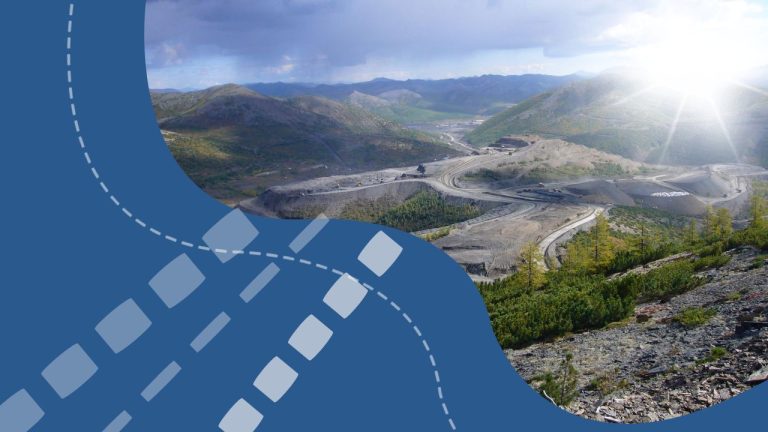
    Uzbek Geological Exploration JSC has reported significant progress across multiple exploration sites, highlighting ongoing developments in the country’s resource sector. At the Uriqli site, part of the Surkhandarya field expedition under the Gissar central geological exploration expedition, coal seams numbered 1 through 6 have been successfully identified as a result of recent mining works.

    Simultaneously, polymetallic ore bodies are under evaluation at the northern section of the Khandiza ore field, while detailed exploration continues at the Vodny Say section. Exploration activities have concluded at the Severny area, where a comprehensive geological report is now being finalized for submission to the State Reserves Committee (GKZ) in 2025.

    In parallel, the field evaluation of non-metallic mineral resources is ongoing at several locations. These include celestine at Chigatai, dolomite at Loilik, gypsum at Shurobsoy, and basalt at Badava. The corresponding exploration reports are also expected to be submitted for review to the State Commission on Mineral Reserves (SCP) within the year.

  • Kazakhstan Faces Geologist Shortage Due to Gap in Specialist Training

    Kazakhstan Faces Geologist Shortage Due to Gap in Specialist Training

    Kazakhstan is experiencing a severe shortage of geologists due to a long pause in the development of the profession. This was reported by Margulan Baibatyrov, Deputy Chairman of the Committee of Geology at the Ministry of Industry and Construction, according to Kazinform News Agency.

    According to him, despite the high salaries and the prestige of the profession, there was a period in Kazakhstan’s geological exploration history when the work of geologists was not in demand. This led to a significant gap of about 30 years between generations of specialists.

    The exact number of geologists currently needed in the country was not specified, but Baibatyrov noted that all graduates from universities specializing in this field are successfully employed.

    The issue of the shortage of qualified geologists was previously raised by Rashid Zhaksylykov, Chairman of the Board of the Association of Legal Entities “Union of Oilfield Service Companies of Kazakhstan.” In an interview with Kazinform in March 2025, he emphasized the need to intensify the training of specialists in this area.

  • Uzbek Geologists Discover New Coal Seams at Urikli Site

    Uzbek Geologists Discover New Coal Seams at Urikli Site

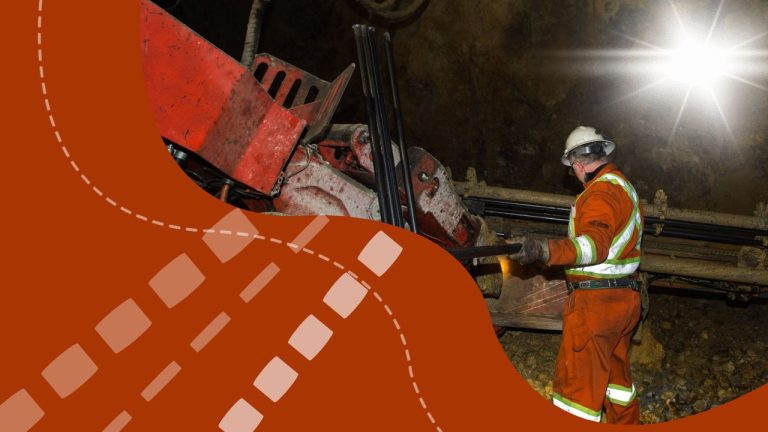
    Specialists from the Surkhandarya Field Expedition, part of the Hissar Central Geological Exploration Expedition under JSC “Uzbekgeologorazvedka,” are conducting underground and surface tunneling operations to assess coal reserves at the Urikli site.

    During the course of the underground exploration, coal seams numbered 3, 4, 5, and 6 were identified. Geological exploration continues, with further assessments underway to determine the full extent and potential of the deposit.

    These efforts form part of a broader initiative to explore and utilize Uzbekistan’s mineral resources more effectively.

  • 15th MINEX Kazakhstan Forum Highlights Second Phase of Mining Law Reform

    15th MINEX Kazakhstan Forum Highlights Second Phase of Mining Law Reform

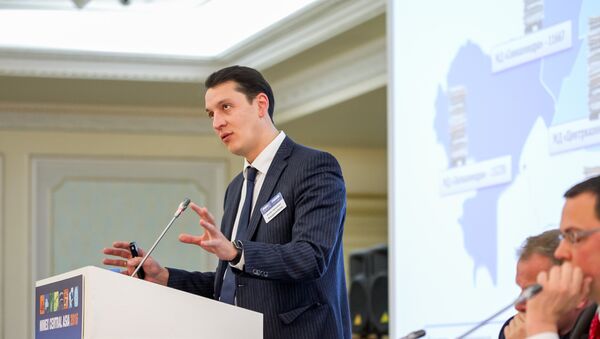
    The 15th anniversary MINEX Kazakhstan Forum has officially opened in Astana, bringing together over 450 delegates and more than 100 speakers from 30 countries, including Central Asia, Europe, the Americas, the Middle East, Southeast Asia, Africa, and Australia. The forum emphasizes Kazakhstan’s growing importance in the global mineral resource market.

    The central theme of the event is “A New Era in Kazakhstan’s Mineral Development: From Exploration to Processing.” Key discussions focused on sustainable development, ESG principles, technological innovation, digitization, investment, exploration, and cross-border cooperation.

    During the plenary session, Nikolai Radostovets, Executive Director of the Republican Association of Mining and Metallurgical Enterprises (AGMP), highlighted the need to continue reforms in subsoil use and taxation.

    He praised the government’s proactive efforts in attracting both domestic and foreign investment in geological exploration. Over 3,000 licenses have been issued, demonstrating momentum in the sector. However, Radostovets emphasized that a second phase of subsoil use reform is necessary to address remaining legislative gaps.

    Notably, he proposed splitting the current Subsoil Code into two separate laws — one for hydrocarbons and another for solid minerals — to better address the specific needs of each sector.

    Radostovets also outlined key priorities for transforming the sector:

    • Classifying exploration expenses as tax-deductible,

    • Introducing agreements for processing low-grade deposits,

    • Stimulating the processing of technogenic mineral formations,

    • Developing a new Tax Code with provisions tailored to the mining sector.

    One of the central issues is the introduction of royalties for new and existing deposits. While initial industry reactions were hesitant, similar to past transitions from contracts to licensing, Radostovets expressed optimism that fair and competitive royalty rates will encourage investment and higher value-added processing.

    The executive also called for greater alignment between the Subsoil Code and other legislation, such as the Water and Land Codes, to address legal inconsistencies.

    Legislative amendments — more than 60 proposals — are currently under review by the Ministry of Industry and Construction. A working group will begin public discussions in the coming weeks, and the finalized amendments are expected to be submitted to Parliament in September 2025.

    Radostovets stressed the importance of coal as a strategic resource, advocating for investment in coal chemistry despite global calls to move away from coal combustion. He also promoted the development of industrial clusters, including copper and aluminum clusters, to support local value-added production.

    “We are optimistic. The MINEX Kazakhstan Forum not only facilitates dialogue and debate but helps us move forward with meaningful reforms in Kazakhstan’s mining sector,” Radostovets concluded.

  • 15th International Mining and Geology Forum MINEX Kazakhstan Kicks Off in Astana

    15th International Mining and Geology Forum MINEX Kazakhstan Kicks Off in Astana

    The 15th anniversary of the International Mining and Geology Forum MINEX Kazakhstan has commenced in Astana, attracting over 100 leading speakers and 450 delegates from 30 countries, including Central Asia, Europe, North and South America, the Middle East, Southeast Asia, Africa, and Australia. The participation of global industry leaders highlights Kazakhstan’s growing significance as a key player in the global minerals market.

    The forum’s central theme, “A New Era in Kazakhstan’s Mineral Resource Development: From Exploration to Processing,” addressed critical industry topics such as sustainable development, ESG principles, technological innovation, digitalization, investment, exploration, and cross-border cooperation.

    During the plenary session, Nikolai Radostovets, Executive Director of the Association of Mining and Metallurgical Enterprises (AGMP), emphasized the need for continued reforms in subsoil use legislation and taxation. He noted that the Kazakhstani government is actively working to attract both foreign and domestic companies to geological exploration, with over 3,000 licenses already issued. A second phase of reforms in subsoil use is now anticipated.

    Radostovets highlighted that while the 2017 Subsoil Code initiated industry reforms—introducing a licensing system and establishing CRISCO Association—some issues remain unresolved. President Kassym-Jomart Tokayev has since stressed the importance of completing these reforms. Currently, the Ministry of Industry and Construction is reviewing over 60 amendments to the Subsoil Code, including proposals from AGMP.

    One key discussion point was the potential division of the Subsoil Code into separate codes for hydrocarbons and solid minerals, as seen in other countries, to address differing industry needs. Radostovets also underscored the importance of royalty rates for new deposits, stating that consultants are evaluating rates to align with international tax standards and encourage higher processing levels.

    Additionally, he called for public discussions on proposed amendments, noting that past legislative gaps in the Water and Land Codes had led to enforcement challenges. A working group under the Ministry will soon review amendments, with parliamentary consideration expected by September 2025.

    Radostovets also addressed the need for investment in coal, despite global shifts away from coal burning, emphasizing coal chemistry development and cluster initiatives for copper and aluminum. He expressed optimism that MINEX Kazakhstan would facilitate progress in the second phase of subsoil use reforms.

  • Kazakhstan to Invest Over 7 Billion Tenge in Geological Exploration Over Next Two Years

    Kazakhstan to Invest Over 7 Billion Tenge in Geological Exploration Over Next Two Years

    Kazakhstan has announced plans to allocate more than 7.6 billion tenge from the state budget for geological exploration and mineral resource studies in 2025-2026. According to the Ministry of Industry and Construction, the funds will be used for geological re-evaluation, mineragenic mapping, and deep-level mapping of the country’s territory. By the end of 2026, the geological and geophysical awareness of Kazakhstan’s land is expected to increase to 2.2 million square kilometers, up from 2 million square kilometers in 2023.

    The ministry highlighted Kazakhstan’s significant reserves of manganese ore, chromium, lead, zinc, titanium, and lithium. The country ranks second globally in manganese ore reserves, with 600 million tons, and eighth in iron ore deposits, with 12.5 billion tons. Additionally, Kazakhstan holds 30% of the world’s chromite ore reserves and boasts extensive deposits of lead and zinc.

    Kazakhstan also possesses the world’s largest chromium reserves and is the second-largest holder of uranium. Annual production includes 907.9 thousand tons of manganese ore, 6.1 million tons of chromium, 280 thousand tons of zinc, 110 thousand tons of lead, and 15 thousand tons of titanium.

    In efforts to attract investment, the ministry reported ongoing collaborations with the European Union, United States, United Kingdom, and other nations. Foreign companies are encouraged to participate in subsoil use auctions through a digital state platform. Furthermore, Kazakhstan officially joined the Minerals Security Partnership Forum in 2024, enhancing opportunities for projects and policy dialogues on critical minerals at both governmental and corporate levels.

  • Kazakhstan Showcases Its Geological Potential at PDAC 2025 in Toronto

    Kazakhstan Showcases Its Geological Potential at PDAC 2025 in Toronto

    The Prospectors & Developers Association of Canada (PDAC) 2025, the largest international mining convention, has officially opened in Toronto. The event brings together key industry leaders, investors, and government representatives from around the world.

    As part of the exhibition, Kazakhstan inaugurated its national pavilion, highlighting the country’s geological potential. The opening ceremony was attended by Deputy Minister of Industry and Construction Iran Sharkan, AIFC Governor Renat Bekturov, Kazakhstan’s Ambassador to Canada Dauletbek Kusainov, and PDAC Vice President Karen Rees.

    One of the key events on the first day was the international forum “Meet Kazakhstan: The Power of Geology in the Ninth Largest Nation.” Speaking at the session, Deputy Minister Iran Sharkan emphasized Kazakhstan’s rich geological heritage and mineral resources, including lithium, niobium, and tantalum.

    “Kazakhstan has a strong history in geological exploration and mining. We are committed to creating favorable conditions for investment and cooperation with both local and international partners. We actively adopt new exploration and mining technologies, while also prioritizing environmental sustainability in resource extraction and processing,” he stated.

    The panel featured leading global experts in the mining and metallurgy sector, including Canada’s Deputy Minister for Lands and Mineral Resources Rinaldo Genti, Cove Capital founding partner Pini Althaus, Neo Performance Materials VP of Corporate Development Vasileios Tsianos, Hatch Minerals Managing Director Konrad Blake, and European Commission Deputy Head of Mission Madalina Ivanica.

    PDAC 2025 will run until March 5, with the Kazakh delegation actively engaging in meetings with partners and representatives from major mining companies.

  • Kazakhstan’s Industry Minister Discusses Subsoil Use Reforms with Mining Chamber

    Kazakhstan’s Industry Minister Discusses Subsoil Use Reforms with Mining Chamber

    Kanat Sharlapaev, the Minister of Industry and Construction of Kazakhstan, held a quarterly meeting with members of the Kazakhstan Mining Chamber Association. The association unites 45 companies, both domestic and foreign investors.

    The Minister emphasized that junior and large international companies entered Kazakhstan after reforms in the subsoil use sector and are making significant contributions to the geological study of the country’s territory.

    He also underscored the importance of private investments and the introduction of advanced technologies in geological exploration.

    During an open dialogue, Kanat Sharlapaev and Chamber members discussed the further development of international reporting standards, taxation issues, and challenges affecting the investment climate.

    The Minister stressed the need to continue the reform process in the subsoil use sector and called for more active cooperation with the Association to develop Kazakhstan’s geological sector.

  • Kazakhstan Summarizes 2024 Results in Geology and Subsoil Use

    Kazakhstan Summarizes 2024 Results in Geology and Subsoil Use

    The Ministry of Industry and Construction of Kazakhstan has released its report on the results for 2024 in the fields of geology and subsoil use. A key objective for the Ministry is to increase the geological exploration of Kazakhstan’s territory to replenish the country’s mineral resource base, thus supporting the active development of all industrial sectors.

    Kazakhstan’s mineral resource base includes over 9,500 deposits, including 987 deposits of solid minerals, 355 hydrocarbon deposits, more than 3,500 deposits of common minerals, and over 4,500 groundwater deposits.

    In the past year, 23 new deposits were registered by subsoil users, and the exploration results showed an increase in reserves: 20 tons of gold, 48,000 tons of copper, 464,000 tons of chrome, and about 290,000 tons of lead and zinc.

    The average reserve fulfillment coefficient for gold, uranium, iron, and manganese has shown a 2% increase over the last decade.

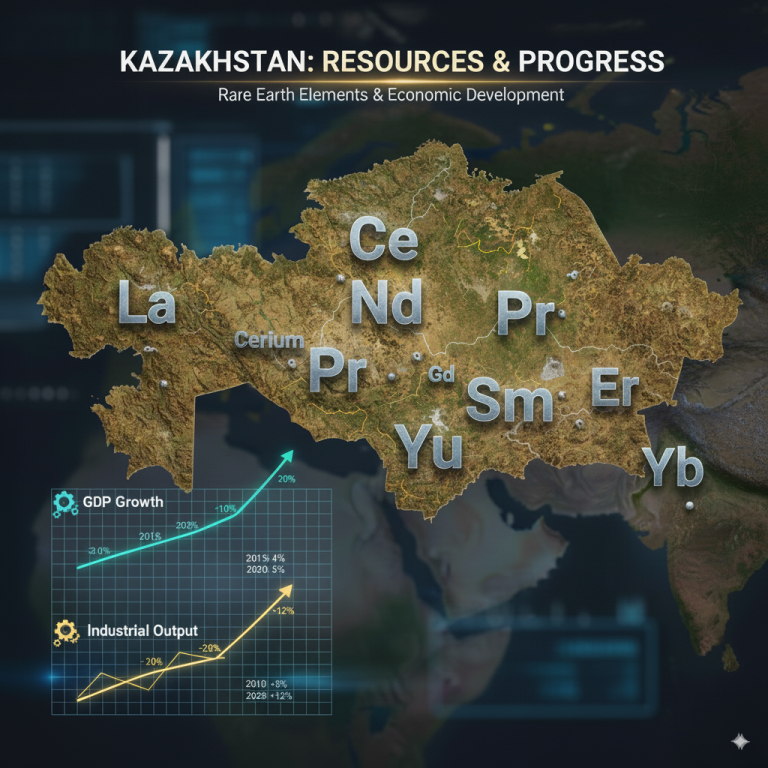
    Efforts to attract investments into subsoil use are also ongoing, with the state geological exploration program identifying 38 promising areas for solid minerals, including rare earth metals (2.6 million tons), beryllium (23,800 tons), brown coal (1.1 billion tons), gold (19 tons), zirconium (2 million tons), niobium (500,000 tons), and tungsten (400,000 tons).

    Additionally, the Kuyretykol deposit has been discovered, with reserves of around 800,000 tons of rare earth metals, including cerium and lanthanoids.

    The opening of areas available for geological exploration has led to a significant rise in private investments for the exploration of solid minerals. In 2023, private investment increased 2.5 times compared to 2018, reaching 82 billion tenge.

    In 2024, 606 exploration licenses were issued, showing growth from previous years. For mining, 33 licenses were issued.

    Private investment in geological exploration is on the rise, as businesses show increased interest in searching for promising subsoil areas. In 2024, two electronic auctions took place, with major foreign companies such as Rio Tinto, Fortescue, Kratos Resources, and others competing with local companies like Kazakhmys and ERG Exploration for exploration rights.

    Foreign companies are already operating in Kazakhstan, investing in exploration with at least 41 billion tenge and social obligations totaling 7.8 billion tenge, covering an area of 25,000 km². The expected results from the exploration of these deposits are expected between 2026 and 2028.

    Growth in private investment in geological exploration is directly linked to the level of funding and effectiveness of early-stage geological studies that identify promising exploration areas. State geological exploration funding amounts to approximately 8 USD per square kilometer.

    From 2018 to 2023, the allocation for geological exploration amounted to 51.2 billion tenge, while investments in subsoil use exploration reached 357 billion tenge.

    In January 2025, an electronic auction for 21 plots took place, attracting over 50 companies. The total signing bonus amounted to 20 billion tenge, with investments of 40 million USD attracted.

    Stable funding for state geological exploration positively impacts private investments and stimulates further exploration. This is essential for expanding the country’s mineral resource base.

    On January 1, 2025, the Unified Subsoil Use Platform (minerals.e-qazyna.kz) was launched, providing open access to all geological data. The platform has digitized 22 government services, processing 506 applications since its launch. It contains a register of geological reports, including over 60,000 reports for free online access, and provides detailed information about licenses, contracts, occupied and free territories, and previous geological and geophysical studies.

    For specific geological materials, subsoil users can apply through the National Geological Service’s website, and requests are processed within five business days.

  • Kazakhstan’s Unified Subsoil Use Platform Processes 506 Applications

    Kazakhstan’s Unified Subsoil Use Platform Processes 506 Applications

    Since the launch of minerals.e-qazyna.kz, authorities have processed 506 applications from subsoil users for geological exploration, mining, and other state services. This was announced during an expanded meeting of the Ministry of Industry and Construction of Kazakhstan.

    According to Vice Minister of Industry Zhanat Dubirova, by 2025, the Unified Subsoil Use Platform (USP) will offer a seamless process, from application submission to auction participation and license issuance for exploration or extraction.

    The official noted that the full launch of the USP in early 2024 was the result of extensive work since July 2024. Developers analyzed international geological portals from Canada, the UK, Finland, and the UAE, redesigned business processes, and restructured the platform’s architecture.

    Currently, the website provides 22 state services in geology and subsoil use. To facilitate transactions, an “electronic wallet” service has been introduced, allowing companies to pay subscription bonuses directly on the platform.

    The National Geological Service has digitized and uploaded approximately 56,200 secondary geological reports. Additionally, the monitoring of contractual obligations for solid mineral deposits and the submission of annual reports by exploration and mining companies has been automated.

    In January 2024, the USP auctioned 26 subsoil plots, with investors acquiring 21, generating 20.69 billion tenge in revenue.