Tag: Energy Transition

  • Cornish Lithium Becomes First UK Company to Produce Lithium Hydroxide Monohydrate

    Cornish Lithium Becomes First UK Company to Produce Lithium Hydroxide Monohydrate

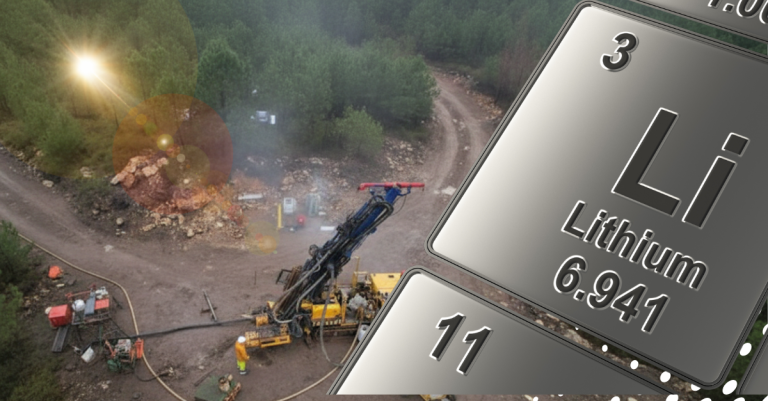
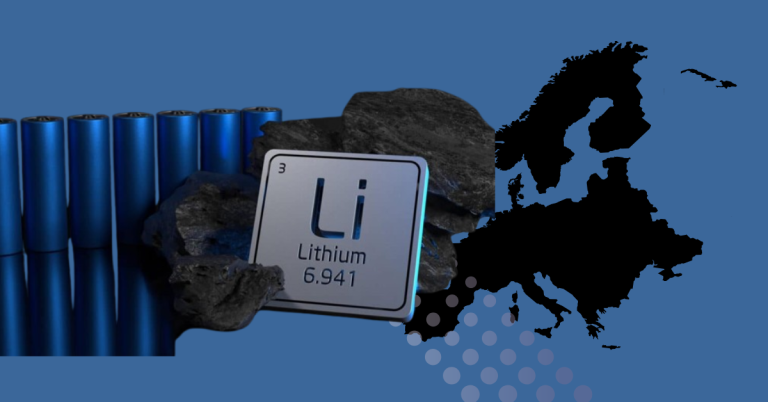
    Cornish Lithium has announced that it has become the first company in the United Kingdom to produce lithium hydroxide monohydrate (LHM), a key component used in electric vehicle batteries, grid-scale energy storage, and consumer electronics.

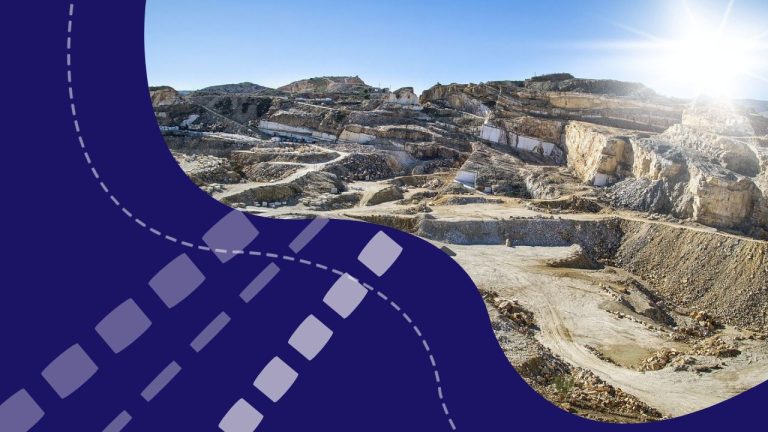
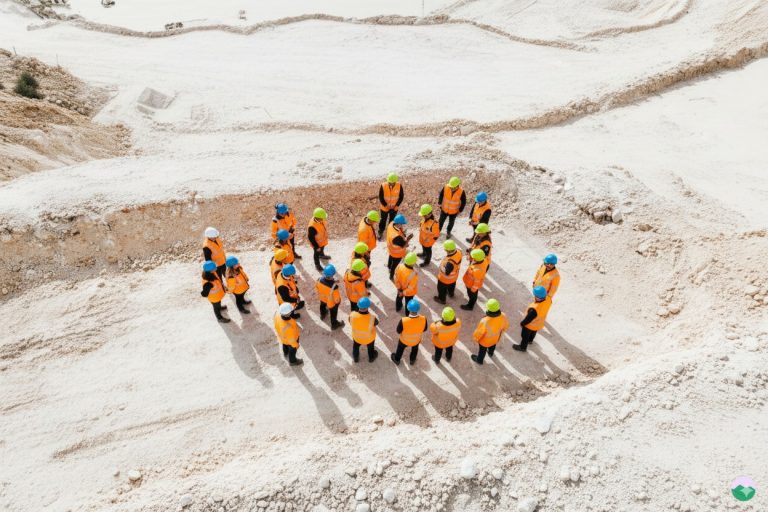
    The breakthrough was achieved at a repurposed Сhina clay quarry in Cornwall, where the company used patented low-carbon processing technology to extract lithium from Cornish granite.

    Founder and Executive Chairman Jeremy Wrathall called it a landmark achievement for both the company and the UK’s battery industry:

    “We can test every single stage of it on an industrial scale — that’s why it is such an important day for us. Our faith in investing £10 million in this project has been vindicated.”

    The milestone marks a significant advance toward establishing a domestic lithium supply chain, a critical step as the UK transitions to electric mobility and renewable energy storage.

    Mining consultant James McFarlane praised the accomplishment, noting the rapid pace of development:

    “The company was only founded in 2016 and began exploring the hard rock potential in St Austell in 2019. To go from that to producing LHM domestically from their own deposit is a massive milestone that deserves recognition.”

    Cornish Lithium said it plans to construct a commercial-scale lithium processing and refining plant capable of producing up to 10,000 tonnes of LHM per year. The facility is expected to be operational by 2029, creating around 300 new jobs and contributing £800 million to the UK economy.

    The project is seen as a cornerstone of Britain’s effort to secure critical mineral independence and reduce reliance on imported battery materials, aligning with the UK government’s net-zero and green industrial strategies.

  • U.S.–China Trade Escalation Puts Spotlight on Kazakhstan’s Rare Earth Potential

    U.S.–China Trade Escalation Puts Spotlight on Kazakhstan’s Rare Earth Potential

    Global markets endured one of their most volatile days since the early stages of the U.S.–China trade war, after China expanded export controls on rare earth elements and U.S. President Donald J. Trump announced sweeping new tariffs and export restrictions in response.

    In a series of social media posts, Trump first suggested there was “no reason” to meet Chinese President Xi Jinping at the upcoming APEC Summit, before declaring that China would impose “large-scale export controls” on nearly all its products starting November 1. The White House later confirmed that the U.S. would respond with 100% tariffs on Chinese imports and new export restrictions on critical software “on or before November 1.”

    The escalation has injected new urgency into the global scramble for rare-earth supply chains, pushing attention beyond East Asia to Central Asia, particularly Kazakhstan — one of the few countries outside China with verified rare-earth reserves and a functioning mining sector.

    Kazakhstan’s Rising Role in Supply Diversification
    Kazakhstan’s mineral wealth is rooted in Soviet-era geological mapping, with modern surveys confirming vast deposits of neodymium, praseodymium, dysprosium, terbium, and samarium — all essential for electric vehicles, wind turbines, and advanced defense systems. The Zhana Kazakhstan deposit in the Karagandy region could become one of the largest rare-earth reserves globally, pending validation of resource estimates.

    According to U.S. defense classifications, these are “critical defense materials.” Both the Pentagon and the Defense Logistics Agency have begun building stockpiles and identifying non-Chinese refining partners, but the challenge lies not in geology — Kazakhstan’s resources are proven — but in processing and commercialization.

    Existing facilities such as the Stepnogorsk Chemical Plant and Ulba Metallurgical Plant could be adapted for rare-earth processing, while the SARECO joint venture has already demonstrated the recovery of magnet-critical elements from uranium residues. The Kuirektykol deposit, rich in neodymium and dysprosium, further strengthens Kazakhstan’s feedstock base. However, infrastructure remains tailored to uranium and base metals, not the precise requirements of rare-earth refining.

    Legal Reforms and Foreign Partnerships
    Kazakhstan’s Unified Code on Subsoil Use (2018) has made the country more attractive to Western investors by clarifying ownership and capital entry rules. Since then, over $40 billion in new foreign mining investment has entered the sector. European and Japanese firms are now exploring partnerships in refining, metallurgy, and supply-chain development.

    The government’s focus is shifting from raw extraction toward value-added production, aligning with global efforts to reduce dependence on Chinese processing. Still, sustained investment will depend on policy consistency, financing mechanisms, and export infrastructure.

    Strategic Context: Central Asia’s Balancing Act
    Kazakhstan’s push to develop its rare-earth potential reflects a regional strategy to manage interdependence with China while courting Western partnerships. While China remains a dominant trading partner, Kazakhstan’s access to the Caspian Sea and international capital markets gives it greater flexibility than most of its neighbors.

    Recent trade volatility and increased Chinese port fees have added pressure to diversify trade routes, not by abandoning China, but by building redundant corridors and risk-mitigated financing.

    The United States, meanwhile, views Kazakhstan not as a substitute for China but as a strategic component in a diversified supply network. The U.S. International Development Finance Corporation (DFC) is assessing refining feasibility studies under strict governance and environmental standards.

    At the C5+1 meeting in Dushanbe on September 4, U.S. and Central Asian officials discussed rare-earth cooperation as part of broader economic diversification efforts — signaling a shift from diplomatic rhetoric to working-level engagement.

    Outlook
    As export controls and tariffs deepen supply chain instability, Kazakhstan is emerging as a key analytical focus for policymakers and investors seeking long-term alternatives. Its rare-earth deposits and industrial base give it potential leverage in the global realignment of strategic materials — but realizing that potential will depend on its ability to scale processing, secure investment, and build reliable transport routes.

    Rather than serving as a replacement for China, Kazakhstan illustrates how mid-sized economies are positioning themselves as essential nodes in a fragmented, multipolar supply chain system.

  • Tajikistan Targets Role in Global Rare Earth Supply Chain, Eyes Lithium and Antimony Production Expansion

    Tajikistan Targets Role in Global Rare Earth Supply Chain, Eyes Lithium and Antimony Production Expansion

    Tajikistan holds deposits of 10 out of 12 metals critical for the global energy transition, with six already being mined, Minister of Industry and New Technologies Sherali Kabir said at the Dushanbe 2025 International Investment Forum, according to Asia-Plus.

    Kabir outlined the government’s vision for Tajikistan to become an active player in the global rare earth supply chain, emphasizing that the country was once a hub for rare earth production within the former Soviet Union. Of the three rare earth processing plants that existed in the USSR, two were located in Tajikistan and one in Russia.

    Authorities are now in talks with international partners to modernize these facilities, with Kabir noting that the government expects “very good results” from these negotiations in the near future.

    Tajikistan is also doubling down on antimony, one of its most abundant resources. The country ranks second globally in terms of antimony reserves. Four new processing plants are in the pipeline, at various stages ranging from feasibility studies to construction.

    The minister also highlighted the growing copper industry, confirming that domestic production has already begun and that the government plans to significantly expand output by attracting foreign investment.

    Kabir further revealed that Tajikistan has large deposits of nickel and lithium ores, adding that the country’s ambition is to become the first among CIS nations to launch lithium production — a crucial material for batteries and clean energy technologies.

  • Germany Expects EU Approval for €1.75 Billion Coal Exit Compensation to LEAG

    Germany Expects EU Approval for €1.75 Billion Coal Exit Compensation to LEAG

    The German government expects the European Commission to give the green light “within weeks” for €1.75 billion in compensation payments to LEAG, the lignite mining and power company operating in eastern Germany. The payments form part of Germany’s broader coal phase-out plan, which aims to end coal-fired power generation by 2038 at the latest, according to the Ministry for Economic Affairs and Climate Action (BMWK).

    The legislative changes needed to unlock the funds were recently approved by Germany’s coalition government. The compensation package, first agreed in 2020, had faced delays in Brussels due to differences over the timeline for the eastern German coal exit, which lags behind the 2030 phase-out already underway in western Germany.

    Under the revised plan, LEAG, owned by Czech energy group EPH, will receive €377 million to reimburse earlier payments into funds for recultivation of mining areas. From 2025 to 2029, the company is set to receive €91.5 million per year in additional payments from the federal budget to support environmental restoration and social transition measures.

    The compensation is part of Germany’s Coal Exit Law, which seeks to cushion the social and economic consequences of the energy transition for affected regions and workers. The government has said these payments will ensure “a fair and orderly exit from lignite power.”

    LEAG may also qualify for further compensation for so-called social costs — losses related to early plant closures or infrastructure decommissioning. These payments could extend until 2042, depending on determinations by the Federal Network Agency (BNetzA) regarding lost profits or system reliability needs.

    Critics have questioned the scale of the compensation, arguing that it may cover profits companies would not have earned under normal market conditions. Environmental groups have also expressed frustration that the eastern coal phase-out remains slower than in western Germany.

    LEAG, which operates in Lusatia, continues to be a key regional employer and economic anchor in eastern Germany, where the coal exit is closely linked to the rollout of new gas-fired capacity to maintain energy security. Germany plans to tender up to 20 gigawatts of gas plants to support grid stability — a process delayed nearly two years and still pending EU approval.

  • EU Grants Poland Derogation to Keep Coal Plants Running Until 2028

    EU Grants Poland Derogation to Keep Coal Plants Running Until 2028

    The European Commission has granted Poland a derogation allowing the country to keep its coal-fired power plants operating within the EU’s capacity market until the end of 2028, providing a temporary reprieve for Europe’s last remaining coal producer.

    The decision enables the Polish government to extend financial support to coal units that exceed the EU’s emission cap of 550 grams of CO₂ per kilowatt-hour (kWh), a limit set under the EU Regulation 2019/943. The approval applies from 1 July 2025 through 31 December 2028 and covers both hard coal and lignite power plants.

    The move offers a lifeline to Poland’s coal sector, which still underpins much of the country’s power generation. While the EU is accelerating efforts to phase out fossil fuels in line with the Paris Agreement, Poland remains heavily reliant on coal for electricity and heating — a stance that has increasingly set it apart from other member states.

    Under the derogation, supplementary capacity auctions will be permitted if Poland’s main auctions fail to secure adequate generation capacity to meet the national reliability standard. These short-term contracts, limited to a maximum of one year (or six months for 2025), will be available to coal-fired units that exceed the CO₂ threshold.

    However, the European Commission’s approval comes with strict conditions. Poland must:

    • Update its National Resource Adequacy Assessment (NRAA) with a 10-year projection plan, analyzing plant closures, new constructions, and temporary shutdowns.

    • Conduct detailed modeling to accurately estimate future electricity exports and imports based on sound economic assumptions.

    • Demonstrate that maintenance and refurbishment schedules reflect actual operational plans and national conditions.

    The Commission emphasized that the derogation should not undermine the EU’s long-term decarbonization objectives and is intended as a transitional measure to maintain grid reliability during Poland’s energy transition.

    Poland’s dependence on coal remains significant, accounting for the vast majority of its power generation. Industry experts estimate the Polish state spends about €235,000 per hour subsidizing coal operations.

    Elsewhere in Europe, countries including Germany, the Czech Republic, and Slovenia have accelerated coal phase-outs, selling or shutting down key plants to meet EU divestment and climate targets.

    While global efforts continue to shift toward renewable energy, the Energy Information Agency recently reported that coal consumption could rise in several nations over the next decade due to slow renewable deployment and energy security concerns.

    For now, Poland stands as the EU’s last coal stronghold, facing growing pressure to align its energy system with Europe’s green transition.

  • Czech Republic to Close Final Hard-Coal Mine by 2026, Ending an Era of Coal Mining

    Czech Republic to Close Final Hard-Coal Mine by 2026, Ending an Era of Coal Mining

    The Czech Republic has announced plans to shut down its last operating hard-coal mine by 2026, marking the country’s final step in its transition away from fossil fuels. The move will make Poland the only remaining EU member still producing hard coal, underlining the Czech government’s commitment to achieving climate neutrality and phasing out all coal by 2033.

    The ČSM mine, located in Moravia-Silesia near the Polish border, will be the last to close. Despite remaining profitable, mining company OKD and the Czech government agreed that the phase-out should occur while operations are still financially sustainable, ensuring a managed and economically stable closure.

    The closure, however, has sparked fierce public debate and regional backlash. The government’s plan to transform the area into a green industrial zone, including a proposed lithium battery gigafactory, has drawn criticism from local residents and civil society groups.

    Martin Bohoněk, of the environmental organization Zachovejme Poolší (“Let’s Save Poolší”), said the project risks displacing the community’s identity without adequately addressing social needs:

    “They are building on the last green space in the area, but they will not be building homes, hospitals, or schools for it.”

    The proposed industrial development would cover an area equivalent to 380 football fields, a scale that locals rejected in a 2024 referendum. Many fear the project will attract foreign labor while offering few direct benefits to the existing population.

    The closure also raises concerns about job losses in the region, historically known as the “boiler room of Europe.” Socioeconomic experts warn that young people are likely to migrate to Czech cities in search of better opportunities, deepening the region’s demographic challenges.

    Meanwhile, Poland now accounts for 98% of the EU’s hard-coal output, producing about 48 million tonnes annually and heavily relying on state subsidies estimated at €235,000 per hour to keep its mines running.

    Although controversial, the Czech government views the decision as a strategic and necessary transition. By ending coal mining while introducing new green industries, it hopes to reposition the region as a hub for clean-energy technologies, even as questions remain about social and environmental balance.

  • Slovenia Drafts Law to Close Velenje Coal Mine by 2033, Backed by €1.1 Billion Transition Plan

    Slovenia Drafts Law to Close Velenje Coal Mine by 2033, Backed by €1.1 Billion Transition Plan

    Slovenia’s government has begun consultations on a draft law to gradually close the Velenje coal mine and liquidate its operator, Premogovnik Velenje, marking a major step toward the country’s coal phase-out by 2033.

    The planned legislation is a cornerstone of Slovenia’s energy transition strategy, aligning with EU climate neutrality targets while ensuring a fair transition for affected workers and communities.

    Under the proposal, coal extraction and closure operations will run in parallel until 2033, allowing for a phased reduction of the workforce and continued heat supply for Saleska Valley residents. Post-closure, remediation and monitoring activities will continue until 2045.

    The bill includes provisions for employee retirement packages, severance pay, social programs, asset divestment, environmental rehabilitation, and long-term oversight of the mine’s shutdown.

    The government said the program will receive €1.1 billion ($1.3 billion) from the state budget through 2045 — roughly €50 million annually — supplemented by funds from company operations and asset sales.

    Premogovnik Velenje reported a net loss of €816,000 in 2024, narrowing from €5.7 million in 2023, with coal production dropping to 2.17 million tonnes from 2.44 million tonnes the previous year.

    The Velenje mine, Slovenia’s only active coal mine, supplies the nearby Šoštanj Thermal Power Plant, a key source of electricity and heating. Its gradual closure represents one of the country’s most significant industrial and environmental transitions to date.

  • Montenegro Extends Pljevlja Coal Mine Concession Until 2050

    Montenegro Extends Pljevlja Coal Mine Concession Until 2050

    The Government of Montenegro has granted a 24.5-year concession for coal extraction at the Pljevlja mine, extending production of lignite deposits until 2050. The agreement was formally exchanged by Minister of Energy and Mining Admir Šahmanović and Nemanja Laković, CEO of Rudnik uglja Pljevlja (RUP), during a ceremony marking Miner’s Day and the mine’s 73rd anniversary.

    According to the Ministry, the concession ensures long-term use of significant coal reserves in the Pljevlja basin, one of northern Montenegro’s most important mining regions. The mine is required to produce at least 1.65 million tons of lignite annually, with the concession fee set at 4% of the market value of the extracted reserves.

    Šahmanović stressed that the country’s goal is to develop mining responsibly and in line with international standards, while also preparing for the challenges of a just transition. The sites covered under the concession include Potrlica, Kalušići, Grevo, and Rabitlje.

    Nearly all of the mine’s output supplies the Pljevlja thermal power plant, Montenegro’s only coal-fired power station and its largest electricity producer. However, the draft National Energy and Climate Plan proposes 2041 as the provisional closure date for the plant, depending on the pace of the transition and security of energy supply.

  • Estonia Opens First Rare Earth Magnet Plan

    Estonia Opens First Rare Earth Magnet Plan

    Europe’s first large-scale rare earth magnet production plant has opened in Estonia, marking a watershed moment in the EU’s efforts to secure supply chains for critical raw materials. The facility, developed by Canadian group Neo Performance Materials at an investment of $75 million, is more than just a factory—it represents Europe’s growing determination to reduce its reliance on China in the race toward renewable energy and electric mobility.

    Why Rare Earth Magnets Matter

    Rare earth magnets are a cornerstone of the energy transition. They power electric motors in vehicles, enable the operation of wind turbines, and play a role in advanced electronics. Without them, scaling up clean technology becomes almost impossible. The challenge is that China has long dominated both the processing and production chains, supplying over 90 percent of the world’s rare earth magnets and an estimated 98 percent of Europe’s demand. This dominance has left industries on the continent vulnerable.

    When Beijing tightened export controls on certain rare earth materials earlier this year, European manufacturers reported severe delays in securing supplies. Such disruptions risk derailing the EU’s aggressive targets for decarbonisation and the expansion of electric vehicle production. As Neo’s chief executive Rahim Suleman put it, “Customer motivations are incredibly high to diversify their supply base and to have localized supply chains.”

    A Strategic Investment for Europe

    The new Estonian plant will initially produce 2,000 tonnes of rare earth magnets annually, with plans to scale up to 5,000 tonnes. While this is still only a fraction of projected European demand—forecast to rise from roughly 22,000 tonnes today to 60,000 tonnes within the next decade—it represents a critical first step toward supply diversification.The facility’s operations are closely linked with Neo’s nearby separation plant, creating an integrated processing hub inside the EU. Raw materials will be sourced from Australia and Malaysia, regions that Europe considers more geopolitically reliable than China.

    Beyond private investment, the project has enjoyed notable public support: a €18.7 million grant from the EU’s Just Transition Fund and a $50 million line of credit from Export Development Canada.European Commission president Ursula von der Leyen underscored the significance, stating that the magnets produced in Estonia are “indispensable to growth and innovation.” Her comments align with the EU’s strategic goal of processing at least 40 percent of its critical raw materials domestically, part of a broader strategy to insulate the bloc from geopolitical shocks.

    Industrial Demand and Auto Sector Stakes

    The automotive sector stands at the heart of the rare earth magnet debate. German auto suppliers Bosch and Schaeffler have already signed contracts with Neo, highlighting the desperation among manufacturers to lock in alternative supply lines. Electric vehicles rely heavily on permanent magnets for motors, making uninterrupted access critical to Europe’s industrial competitiveness.At the same time, Europe faces a delicate balancing act. Producing magnets outside China comes at a cost premium, driven by higher environmental standards, energy costs, and raw material logistics. But as Suleman pointed out, the magnet within an electric vehicle motor represents only a small fraction of the total cost. For carmakers increasingly judged by their ability to produce cleaner vehicles, paying a premium for secure, non-Chinese inputs may soon be seen as a necessary trade-off.

    Europe vs. U.S.: Diverging Paths

    The EU is not the only region scrambling to insulate itself from China’s grip on rare earths. The United States has moved aggressively, fueled by larger federal subsidies and sharper geopolitical confrontation with Beijing.

    Washington has poured billions into rare earth mining and processing projects, while Europe has leaned more heavily on public–private partnerships and industry demand.

    Suleman contrasted the two approaches bluntly: “In the U.S., they’re chasing government money, and in Europe we’re chasing customers—or customers are chasing us.” Europe’s model may take longer to scale, but some argue it will prove more resilient, given that it is anchored in long-term demand rather than temporary government incentives.

    The Limits of Diversification

    Despite bold moves like the Estonian plant, Europe cannot entirely sever ties with China in the near future. Analysts suggest that at best, 30 percent of global rare earth magnet production could shift outside Chinese borders in the next decade, leaving Beijing with enduring dominance. France has spearheaded several projects to challenge this control, but insufficient mining and processing capacity across the continent means Europe will remain dependent on imports.

    Furthermore, the global raw material supply chain itself has bottlenecks. While Australia is emerging as a reliable supplier, and southeast Asia provides alternatives, scaling these sources to cover growing demand will take time, investment, and political stability.

    A Turning Point for Europe’s Green Transition

    The Estonian facility is ultimately a symbol of Europe’s intent to claim greater agency in a strategically vital industry. As electric vehicle adoption accelerates and renewable power scales, the demand for rare earth magnets will only intensify. Neo Performance Materials’ new plant will not solve Europe’s dependency overnight. But by anchoring at least part of the value chain closer to home, it signals to both industry and policymakers that strategic autonomy in essential raw materials is not only desirable but possible.

    For Europe, Estonia is just the beginning. The continent will need more facilities, stronger alliances with trusted suppliers, and coordinated industrial policies to reduce its rare earths vulnerability. The magnet plant may be a modest contribution in terms of tonnage, but geopolitically, it is a giant leap forward.

  • Ferroglobe PLC Suspends Silicon Metal Production in Europe, Citing Market Pressures and Need for Fair Competition

    Ferroglobe PLC Suspends Silicon Metal Production in Europe, Citing Market Pressures and Need for Fair Competition

    Ferroglobe PLC, a leading producer of silicon metal, has revealed plans to temporarily halt all silicon production in France and Europe beginning this October. This decision follows severe challenges impacting the European silicon industry, as highlighted by Benjamin Crespy, Chief Operating Officer at Ferroglobe PLC, in a recent interview with Les Echos. The suspension is driven by collapsing demand from key sectors and falling prices, which are largely attributed to less constrained and more carbon-intensive low-cost imports.

    Benjamin Crespy emphasised the critical need to restore fair competition in the European silicon market. Without immediate and decisive action, Europe risks losing its sovereign silicon production capacity, falling short of its carbon emission targets, and forfeiting access to a strategic material essential for the energy transition, green mobility, defense technologies, and other key industries.

    High-purity silicon metal is used by many industries. In the chemical industry it is used for producing silicon compounds as well as silicon wafers used in photovoltaic solar cells and electronic semiconductors. And aluminum manufacturers use it to improve the already useful properties of aluminum. When used with aluminum, silicon improves its castability, hardness and strength.

    Besides, aluminum demand has been growing steadily in recent years, as a reflection of the economic activity in both the developed and developing word. This demand of lighter and more economical material has triggered a growth in Silicon metal consumption by aluminum manufacturers.

    Ferroglobe PLC remains committed to producing high-quality silicon metal and collaborating with customers and partners to innovate and enhance competitiveness. However, Crespy stressed that securing Europe’s future in silicon requires collective efforts and decisive measures to address the current market pressures and restore a level playing field. The company’s decision serves as a stark reminder of the challenges facing the European silicon industry and the importance of safeguarding its strategic interests.