Tag: China

  • China Deepens Grip on Uzbekistan’s Mineral Sector Amid Global Race for Critical Resources

    China Deepens Grip on Uzbekistan’s Mineral Sector Amid Global Race for Critical Resources

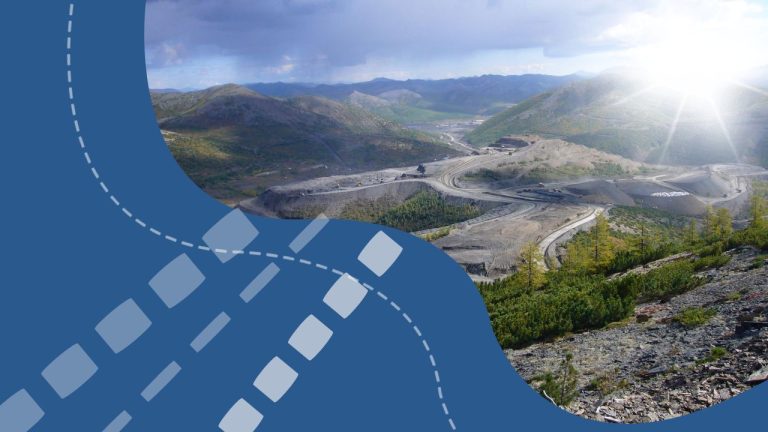
    As global powers intensify their pursuit of critical minerals, Central Asia has emerged as a strategic pivot. Among its nations, Uzbekistan stands out—not only for its rich deposits of copper, tungsten, molybdenum, and rare earth elements, but also for its increasingly central role in China’s mineral strategy.

    Already heavily involved in the region’s energy and infrastructure sectors, China has taken a proactive investment stance in Uzbekistan’s mining industry. In 2024, Limaomaoli Metal Company launched construction of the Syurenata mining complex in Parkent, aimed at processing 1 million tons of iron ore concentrate annually. Simultaneously, China Baoli Technologies is investing $200 million in a non-ferrous metal facility in the Ipak Yuli Free Economic Zone, targeting up to 45,000 tons of annual output with $18 million in export potential.

    Copper, a linchpin in global energy transition efforts, is another key focus. China Mining Energy Group is spearheading a $200 million copper mining project in Chust (Namangan region), expected to yield 30,000 tons per year and create 420 local jobs. Additionally, Boi Yi Da is planning a new copper processing plant in the same region, while a $2.7 billion project to tap copper and silver reserves in Bobotog is under negotiation.

    For Uzbekistan, these ventures promise significant job creation, technological transfer, and a move up the value chain—critical steps toward its goal of becoming a producer of value-added mineral products. They also reflect Tashkent’s broader push to localize mineral processing, boost exports, and attract FDI into downstream sectors.

    For Beijing, meanwhile, these deals help secure raw materials essential for its green economy and industrial resilience, while also reducing reliance on vulnerable maritime supply routes. The copper and iron ore flowing from Uzbekistan may soon become vital to China’s supply diversification strategy.

    Yet, the growing Chinese footprint is not without challenges. Concerns around environmental degradation and transparency in resource deals are mounting. Public unease over Chinese firms acquiring mineral rights is increasingly voiced in Uzbek media and civil society. Moreover, critics warn that unless Chinese investments support advanced processing, Uzbekistan risks becoming locked into the role of a mid-tier raw exporter.

    There’s also increasing Western interest. France has inked uranium deals with Tashkent, and the U.S. recently signed a critical minerals investment agreement. China’s accelerated moves may reflect efforts to edge out competitors and reinforce dominance over global mineral supply chains.

    Ultimately, China’s growing influence in Uzbekistan’s mining sector presents both a strategic opportunity and a test. A long-term, mutually beneficial partnership will require more than capital—it will demand transparency, environmental responsibility, and alignment with Uzbekistan’s industrial transformation goals.

  • Central Asia Emerges as Strategic Battleground in Global Race for Rare Earths

    Central Asia Emerges as Strategic Battleground in Global Race for Rare Earths

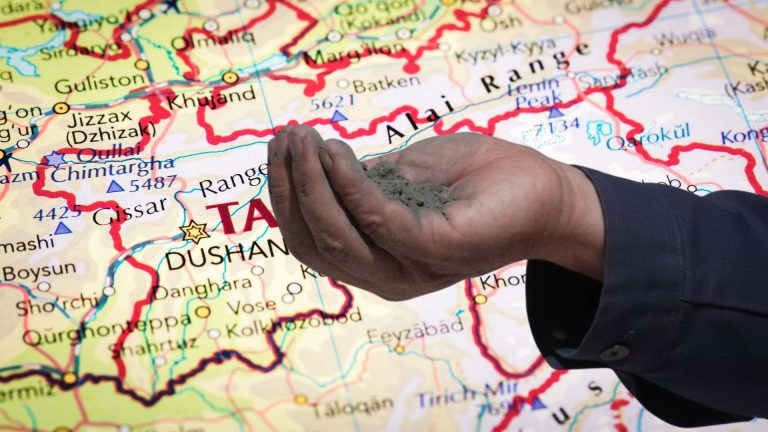
    Central Asia is rapidly gaining geopolitical significance due to its rich reserves of rare earth elements (REEs) and strategic minerals that are vital for modern technologies, green energy, and defense industries. As global powers intensify their competition for control over these critical resources, the region is transforming into a strategic focal point for economic and political influence.

    According to the U.S. Geological Survey, Central Asia holds a vast share of the world’s strategic minerals: 38.6% of global manganese ore, 30.07% of chromium, 20% of lead, 12.6% of zinc, and 8.7% of titanium. It also possesses essential rare earth elements like scandium, yttrium, and lanthanides. Kazakhstan’s President Kassym-Jomart Tokayev has described rare earths as the “new oil,” underlining their importance to economic transformation and energy independence.

    As the West seeks to reduce dependency on China, Central Asia has become a key alternative supply hub. The U.S. and EU are ramping up investments in the region’s mining sector. Initiatives like the Mineral Security Partnership (MSP), C5+1 Critical Minerals Dialogue, and Team Europe’s Global Gateway aim to build supply chain resilience. France’s Orano is investing $500 million in Uzbekistan, while the EU is backing green infrastructure and mining diversification projects in Kazakhstan and beyond.

    The U.S., through ERICEN and TIFA, is promoting trade diversification and infrastructure investment, while the G7 has committed to investing $200 billion in Central Asia by 2027, with a focus on Kazakhstan.

    Meanwhile, China continues to dominate with $63 billion in regional investments, primarily in mining and infrastructure. Through the Belt and Road Initiative (BRI), it holds strategic stakes in mining projects in Kazakhstan and Kyrgyzstan and is planning to build nuclear reactors to reinforce its grip on energy and resource supply chains. Russia maintains significant trade with Central Asia and leverages mining and energy collaborations to sustain its influence, including nuclear projects in Tajikistan.

    Central Asian states are trying to strike a balance among competing powers. By shifting from raw material suppliers to value-added economies, they aim to strengthen sovereignty while maximizing the benefits of global interest. However, this balancing act comes with risks: environmental degradation, economic overreliance on foreign powers, and exposure to volatile commodity markets.

    The sustainability of this multipolar strategy will shape the region’s economic future. Whether Central Asia can maintain autonomy amid intensifying competition or becomes caught between competing global giants remains a defining question for the coming decade.

  • European Commission Throws the Door Wide Open to Mining

    European Commission Throws the Door Wide Open to Mining

    The European Commission has identified 47 strategic projects to help the EU become self-sufficient in critical raw materials. More than half of these involve mining plans, several of which are controversial.

    In its effort to reduce Europe’s reliance on external suppliers—particularly countries like China—the European Commission wants at least 10 percent of critical raw materials used within the EU to be sourced domestically by 2030. Additionally, it aims for 40 percent of these materials to be processed inside Europe, while no more than 15 percent should come from any single non-EU country. To support this goal, the Commission has selected 47 “strategic” projects that will benefit from funding and expedited permits. Over half focus on extracting raw materials from the ground, ranging from Norway to Sweden, Germany, and Spain.

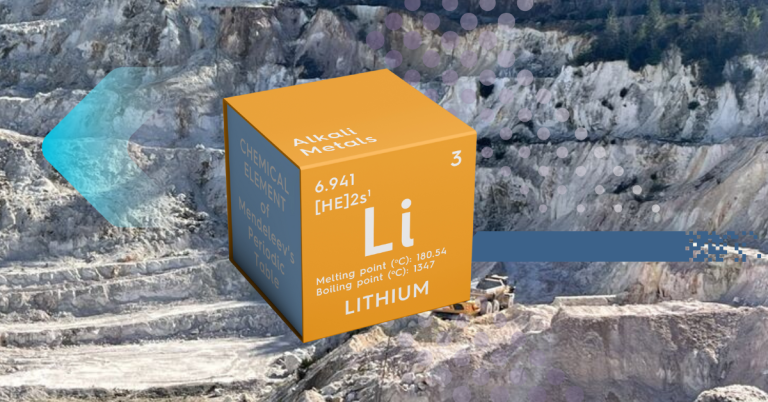
    “It’s crucial for Europe’s independence to mine more of its own lithium, nickel, and other metals,” a European Commission Vice President explains. “We can’t keep relying on third parties for such vital resources.” Some of the proposed mines have already stirred controversy—for example, certain lithium mining projects—due to concerns over environmental impact, water usage, and potential harm to local communities. Nevertheless, the Commission views these initiatives as essential for the EU’s green transition and for manufacturing batteries, solar panels, and wind turbines.

    Two Billion Euros for Drilling and Digging

    Under the EU’s plan, two billion euros from the Recovery and Resilience Facility will be allocated to mining initiatives. This includes both developing new mines and expanding or modernizing existing sites. One example is the proposed development of Europe’s largest lithium deposit in the Czech Republic, along with expansions of nickel and cobalt mines in Finland. The Commission also wants to promote the recycling of batteries, electronics, and other products so that precious metals can be recovered and reused. Additionally, the plan involves building strategic stockpiles of critical raw materials, similar to how the EU manages its gas reserves.

    Despite these efforts, experts caution that the EU’s aspirations for raw materials may be overly ambitious. “We’re not going to be completely self-sufficient,” says one raw materials analyst. “Demand for these metals is skyrocketing because of the energy transition and digitalization, so we won’t be able to extract enough on our own.” According to the analyst, the best strategy is to diversify supply chains and forge stable partnerships with countries such as Australia, Canada, and Chile—though this will require making Europe a more appealing trade partner, especially since China has been heavily investing in those regions.

    The Commission acknowledges that the new raw materials plan is not a cure-all. “Still,” says a spokesperson, “it’s a critical step toward reducing our dependence on a single supplier.”

  • Resistance Hinders Europe’s Push for Critical Raw Material Mining

    Resistance Hinders Europe’s Push for Critical Raw Material Mining

    The European Union’s ambitions to boost domestic mining for critical minerals like lithium, essential for its climate transition goals, are encountering fierce resistance from environmental groups and local communities. Despite the EU’s Critical Raw Material Act (CRMA) targeting self-sufficiency in metals such as lithium and cobalt, delays and protests threaten to derail projects across member states, raising concerns about the bloc’s ability to meet its green energy targets.

    The CRMA, adopted in 2023, aims to reduce reliance on imports from China and other nations by fast-tracking permits for strategic mining projects. However, activists argue these initiatives prioritize industrial interests over ecological preservation. In Portugal’s Barroso region, for instance, plans to extract lithium—a key component in electric vehicle batteries—have sparked demonstrations, with protesters holding signs declaring “No to the mine” and “Stop Lithium.” Similar tensions exist in Spain’s Serra da Lousã area, where locals fear deforestation and water contamination from mining operations.

    With over 200 mining projects stalled across Europe, the continent’s path to energy independence remains fraught. As activists chant “Just Transition, Not Just Extraction,” the EU must navigate a precarious balance between securing raw materials and safeguarding its green credentials.

    In recent years, Australia has overtaken France and Portugal in terms of lithium production. Is that a problem? From the perspective of the European Commission, it is one of the first “warning signs” regarding the supply of critical raw materials. Lithium is crucial for the batteries used in electric vehicles and energy storage systems, and its demand is expected to increase significantly in the coming decades.

    The European Commission’s Vice-President Frans Timmermans recently warned about this situation during a meeting with Dutch ministers. He stated: “This is not just an issue for the Netherlands; it affects all of Europe.” The commission aims to ensure that Europe can produce sufficient amounts of these materials domestically to meet its needs.

    Several factors make it challenging for Europe to secure its supply of critical raw materials. One reason is the high environmental standards in Europe, which often lead to delays or cancellations of mining projects. Additionally, there is significant public opposition to mining activities, particularly in densely populated areas.

    These challenges have led to calls for increased domestic mining in Europe. Critics argue that Europe’s reliance on imports from countries like China poses risks. Chinese lithium mining has been criticized for its environmental impact, leading some European policymakers to push for greater self-sufficiency.

    The Critical Raw Materials Act (CRMA), adopted by the EU in 2023, aims to address these concerns by promoting sustainable mining practices and reducing dependency on imports. However, implementing this act faces numerous obstacles, including regulatory hurdles and public resistance.

    One challenge is the lack of political consensus on mining projects. In many European countries, mining is seen as environmentally harmful, and local communities often oppose new mines. This opposition can delay or derail projects, even when they are deemed necessary for the transition to renewable energy.

    Another factor is the limited availability of suitable mining sites within Europe. Many potential sites are located in protected areas or regions with strict environmental regulations. This makes it difficult to find locations where mining can be conducted without significant environmental impact.

    Despite these challenges, some European countries are taking steps to increase their domestic production of critical raw materials. For example, Germany has launched several initiatives to explore and develop domestic mining opportunities. Similarly, Sweden and Finland are investing in research and development to improve mining technologies and reduce environmental impacts.

    However, critics argue that these efforts are insufficient. They point out that the pace of development is too slow, and current projects may not be able to meet future demand. There are also concerns about the social and economic impacts of mining, particularly in rural areas where mines are often located.

    To address these issues, the European Commission has proposed several measures, including financial incentives for sustainable mining projects and stricter regulations on imported materials. The goal is to create a balanced approach that ensures both environmental protection and resource security.

    In conclusion, while Europe is making progress towards greater self-sufficiency in critical raw materials, significant challenges remain. Balancing environmental concerns with the need for resources will require innovative solutions and strong political will. Without decisive action, Europe risks becoming increasingly dependent on foreign suppliers, which could undermine its ability to achieve its climate goals.

  • Global Tensions Rise as Nations Compete for Critical Minerals and Rare Earth Elements

    Global Tensions Rise as Nations Compete for Critical Minerals and Rare Earth Elements

    The world is on the verge of a new geopolitical conflict centered around rare earth elements (REEs)and critical minerals, which are essential for high-tech industries, clean energy, space exploration, and military technologies. These resources have become the focal point of global competition, driven by their strategic importance and economic value.

    Countries like the United States, China, and emerging powers such as Türkiye are aggressively positioning themselves to secure access to these minerals. For instance, former U.S. President Donald Trump has pursued aggressive policies toward Ukraine, Greenland, and Canada, aiming to leverage their mineral-rich territories. Ukraine, which holds 5% of global rare earth reserves and the largest titanium reserves in Europe, is being courted by the U.S. for a $500 billion REE deal in exchange for security guarantees.

    China currently dominates the REE market, controlling one-third to half of global reserves and nearly 95% of production capacity. This monopoly has raised concerns among Western nations, who are increasingly dependent on Chinese supplies. The U.S. Department of Energy and the European Commission have classified these materials as strategic commodities, prompting efforts to reduce reliance on China and diversify supply chains.

    Meanwhile, Türkiye is emerging as a key player, with significant boron reserves and the discovery of the Eskişehir REE reserve, positioning it second only to China. The Turkish government is investing heavily in mapping and securing its mineral resources to achieve strategic commodity independence.

    As demand for REEs surges due to advancements in green technologies, artificial intelligence, and defense systems, nations are scrambling to secure their share of these vital resources. The competition is not just about economic gain but also about geopolitical influence and national security.

  • Kazakhstan and China Discuss Nuclear Energy Cooperation

    Kazakhstan and China Discuss Nuclear Energy Cooperation

    Kazakhstani President Kassym-Jomart Tokayev met with Shen Yanfeng, General Director of China National Nuclear Corporation (CNNC), to explore opportunities for collaboration in nuclear energy.

    During the discussion, Tokayev outlined Kazakhstan’s strategic plans for the sector, highlighting the recent establishment of the Nuclear Energy Agency to oversee the industry’s systematic development. He expressed interest in CNNC’s extensive expertise as a leading force in China’s nuclear sector.

    Shen Yanfeng, in turn, provided an overview of CNNC’s projects both within China and internationally. The meeting also covered potential cooperation in advancing peaceful nuclear technologies and training Kazakhstani specialists.

    CNNC, founded in 1999, is China’s largest state-owned enterprise dedicated to nuclear energy development, technological innovation, and research.

  • Reducing Dependence on China: The Push for Domestic Critical Minerals Production

    Reducing Dependence on China: The Push for Domestic Critical Minerals Production

    In a recent Fox Business segment, Cove Capital Chairman and CEO Pini Althaus emphasized the growing urgency to reduce reliance on China for critical minerals—a dependence he described as “just not tenable anymore.” As geopolitical tensions escalate and supply chain vulnerabilities come into sharper focus, Althaus highlighted the importance of securing domestic sources of rare earth elements and other essential materials vital to modern industries, including technology, defense, and renewable energy.

    The discussion centered around two key developments: Ukraine’s mineral deal and Cove Capital’s joint venture in the Akbulak rare earth project. These initiatives underscore a broader global effort to diversify supply chains and reclaim control over resources that are indispensable to economic and national security.

    The Strategic Importance of Critical Minerals

    Critical minerals, such as neodymium, lithium, cobalt, and dysprosium, play an indispensable role in manufacturing everything from smartphones and electric vehicles to advanced military equipment like guided missiles and radar systems. However, China currently dominates the global market for these materials, controlling approximately 60% of mining operations and nearly 90% of processing capacity worldwide.

    This heavy reliance on China has raised alarms among U.S. policymakers and business leaders, particularly amid escalating trade disputes and concerns about Beijing’s influence over strategic industries. Althaus warned that depending on a single country for such crucial inputs poses significant risks, especially during times of geopolitical instability or conflict.

    “The world is waking up to the fact that we cannot continue outsourcing our critical mineral needs to China,” Althaus said during the interview. “It’s not just about economics—it’s about sovereignty and ensuring that we have access to the resources necessary to sustain our technological and industrial leadership.”

    Ukraine’s Mineral Deal: A Step Toward Diversification

    One promising development discussed in the segment was Ukraine’s recent agreement to explore and develop its vast mineral reserves. The Eastern European nation is believed to hold substantial deposits of titanium, uranium, and other critical minerals, which could help alleviate Europe’s—and by extension, the West’s—dependence on Chinese imports.

    Althaus praised the deal as a “game-changer” for regional supply chains, noting that it represents a proactive step toward building alternative sources of critical minerals outside of China’s orbit. By investing in Ukraine’s mining sector, Western nations can simultaneously support Kyiv’s economic recovery while advancing their own strategic interests.

    “This isn’t just about helping Ukraine rebuild—it’s about creating a more resilient and diversified global supply chain,” Althaus explained. “Every ton of critical minerals produced in Ukraine is one less ton we need to source from China.”

    Cove Capital’s Joint Venture in Akbulak

    Another focal point of the conversation was Cove Capital’s involvement in the Akbulak rare earth project, located in Kazakhstan. Through a joint venture with local partners, the company aims to extract and process rare earth elements from one of Central Asia’s most promising deposits. If successful, the project could provide a significant boost to non-Chinese supplies of these vital materials.

    Althaus described the Akbulak initiative as part of a larger mission to establish a reliable, ethical, and geopolitically stable source of critical minerals. He stressed the importance of adhering to high environmental and labor standards throughout the extraction process, contrasting this approach with some of the questionable practices associated with Chinese mining operations.

    “We’re not just focused on producing these minerals—we’re committed to doing so responsibly,” Althaus stated. “That means minimizing environmental impact, respecting workers’ rights, and fostering long-term partnerships with host countries.”

    Why Domestic Production Matters

    The push for greater self-sufficiency in critical minerals comes at a pivotal moment for the United States and its allies. With the Biden administration prioritizing clean energy technologies and Congress passing legislation like the Inflation Reduction Act—which includes incentives for domestic battery production—the demand for critical minerals is expected to surge in the coming years.

    However, without secure access to these resources, America’s transition to a green economy could face significant hurdles. Althaus pointed out that relying on foreign suppliers, particularly those tied to adversarial regimes, undermines efforts to achieve true energy independence.

    “If we want to lead the charge in renewable energy and advanced manufacturing, we need to take ownership of our supply chains,” he argued. “That starts with investing in domestic projects and forging alliances with trusted partners who share our values.”

  • U.S. Shifts Strategy to Secure Critical Minerals, Following China’s Playbook

    U.S. Shifts Strategy to Secure Critical Minerals, Following China’s Playbook

    For decades, while China strategically secured minerals worldwide, the United States rarely used foreign policy to obtain the resources it needed. However, under President Donald Trump, this approach has shifted dramatically. Within the first 40 days of his term, Trump expressed interest in acquiring Greenland for its rare earths, annexing Canada for its uranium and copper reserves, and securing control over Ukraine’s rare earths and titanium in exchange for continued U.S. support.

    The fate of the Ukraine minerals deal remains uncertain following a heated exchange between Trump and Ukrainian President Volodymyr Zelensky. While Zelensky insists he is ready to sign the agreement, Trump has expressed doubts about its viability. Regardless of the outcome, experts argue that integrating mineral diplomacy into U.S. foreign policy is essential for national security. However, without significant government investment and diplomatic efforts—mirroring China’s approach—this initiative may fall short.

    The U.S. holds less than 2% of global reserves for rare earths, graphite, cobalt, and nickel, making collaboration with resource-rich nations critical. In contrast, China has strategically positioned itself as a global leader in mineral processing, importing vast quantities of raw materials to dominate industries like electric vehicle manufacturing.

    The draft agreement with Ukraine proposes a joint fund to manage revenue from Ukraine’s natural resources. However, the lack of modern geological data on Ukraine’s mineral deposits raises questions about the economic viability of these resources. Developing a mine and separation plant could cost between 500millionand1 billion, a risky investment without up-to-date surveys.

    To succeed, the U.S. must increase funding for geological mapping, invest in infrastructure in mineral-rich regions, and provide financial support to mitigate risks for private mining companies. Without these steps, the U.S. risks falling further behind China in the global race for mineral security.

  • China Export Curbs Push European Bismuth Prices to Highest Since 2008

    China Export Curbs Push European Bismuth Prices to Highest Since 2008

    European bismuth prices have surged to their highest levels since 2008, driven by concerns over impending export restrictions from China. The move, viewed as a retaliatory measure amidst escalating global trade tensions, has sparked fears of a significant supply crunch for the metal, which is crucial in pharmaceuticals, cosmetics, and nuclear research.

    Earlier this month, China announced its intention to impose export controls on five key metals: tungsten, tellurium, molybdenum, bismuth, and indium. This decision comes in response to recently implemented tariffs by the United States.

    The immediate impact on the European spot market has been dramatic. Bismuth prices, previously stable at around $6 per pound, have soared to between $12 and $18 this week. Market traders anticipate further price increases in the coming weeks.

    China’s dominance in the bismuth market is substantial. According to the United States Geological Survey (USGS), the nation accounted for over 80% of global bismuth production last year, producing approximately 13,000 tonnes. While other countries, including Japan, South Korea, and Laos, contribute to the remaining supply, traders highlight the limited availability of bismuth from these sources compared to China.

    “We have been inundated with enquiries from both our EU and US clients,” stated a European-based trader, emphasising the growing concern. They further noted that US consumers would be particularly vulnerable should the trade dispute between China and the US escalate.

    With global trade tensions on the rise, it is expected that China may further utilise its control over critical minerals as a strategic tool. The recent price surge in Europe signals the potential for significant market volatility and supply chain disruptions.

  • Chinese East Hope Group to Implement Major Non-Ferrous Metals Project in Kazakhstan

    Chinese East Hope Group to Implement Major Non-Ferrous Metals Project in Kazakhstan

    East Hope Group, a leading Chinese company in non-ferrous metals production, has launched a major investment project in Kazakhstan. Chairman of the Board of JSC “NC” KAZAKH INVEST, Erzhan Elekeev, met with East Hope Group’s CEO Changjun Meng to discuss the prospects of collaboration in the production and advanced processing of non-ferrous metals.

    As part of this investment project, East Hope Group plans to build a large industrial park in Kazakhstan, introducing cutting-edge technologies in the field of non-ferrous metallurgy for deep processing and production of finished products. The project’s cost is expected to exceed $12 billion, with the company planning to supply products to the European Union, Central Asia, and China. The project aims to create up to 10,000 new jobs at various stages of implementation.

    Changjun Meng mentioned that the company has registered a subsidiary in Kazakhstan, which will serve as the main operational center for the project, coordinating further steps for its implementation. Preliminary geodetic and hydrogeological surveys of land plots in several regions have already been conducted, and the company plans to start more detailed studies soon. Erzhan Elekeev emphasized the project’s importance for the development of Kazakhstan’s processing industry and highlighted that its implementation would be a significant step in strengthening economic ties with international partners. “Attracting major strategic investors like East Hope Group opens new perspectives for Kazakhstan. We view this project not only in terms of investment volumes but also in the context of introducing advanced technologies, creating new jobs, and localizing production. The project’s implementation will allow Kazakhstan to occupy a key position in the global non-ferrous metals supply chain and significantly expand the export of finished products.

    We are ready to provide comprehensive support and create favorable conditions for the successful implementation of investments,” stressed Erzhan Elekeev. The parties also discussed the prospect of signing an investment agreement, which would outline the main conditions of cooperation and secure the parties’ commitments. In particular, East Hope Group expressed its readiness to sign a tripartite framework agreement with the Ministry of Foreign Affairs and the Ministry of Industry and Construction of Kazakhstan, marking an important milestone in the project’s development. Following the meeting, Erzhan Elekeev and Changjun Meng expressed confidence in the successful implementation of the initiative and noted Kazakhstan’s high potential as an industrial hub for non-ferrous metals production and deep processing.

    Background Information

    East Hope Group is one of the world’s largest producers in the field of metallurgy and technological innovations. The company has invested approximately $10 billion in the construction of low-carbon industrial complexes in China and continues to expand its international presence. As of 2022, East Hope Group ranked 39th among China’s top 500 private enterprises and 24th in the ranking of China’s top 500 private manufacturing enterprises. The group comprises over 300 subsidiaries. Its main assets are concentrated in mainland China (mainly in Shanghai, Beijing, Xinjiang, Ningxia, Inner Mongolia, Jiangsu, and Hubei), with subsidiaries operating in Vietnam, Cambodia, Singapore, Indonesia, the UAE, and other countries. East Hope Group’s commercial and residential real estate projects are located in Shanghai and Chengdu. Its alumina processing facilities are in Henan province, aluminum production facilities in Baotou and Xinjiang, silicon production facilities in Fukang, and feed and additive production facilities in Xinjiang, Jiangsu, Hubei, Shanghai, and Beijing. —