Rio Tinto said on Tuesday that it will need a robust fourth-quarter performance to hit its 2025 iron ore shipment target, as Chinese demand strengthens on the back of infrastructure-driven stimulus and front-loaded global investment ahead of potential new tariffs.
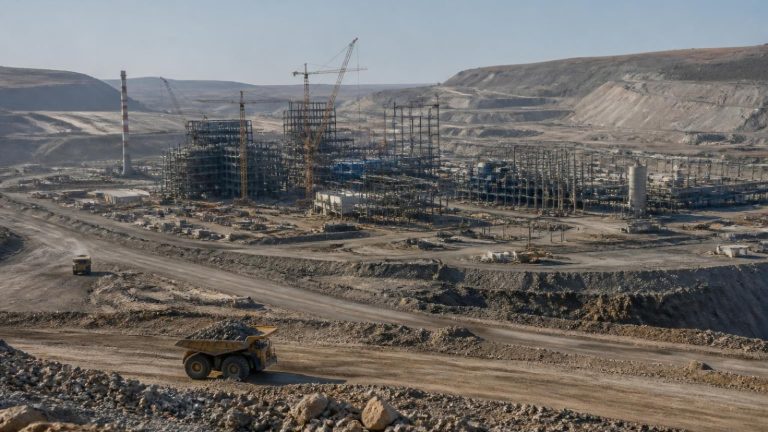
The world’s largest iron ore miner reported 84.3 million tonnes of iron ore shipped from its Western Australia operations during the third quarter, slightly below the Visible Alpha consensus estimate of 85.5 million tonnes. Despite the shortfall, iron ore prices have climbed to their highest levels since February, fuelled by Beijing’s targeted infrastructure programs that have spurred steel production.
China’s iron ore imports reached a record high in September, according to Rio, reflecting renewed industrial momentum despite ongoing economic challenges such as deflation, weak manufacturing, slow exports, and persistent property market struggles.
Rio reaffirmed its annual shipment guidance of 323–338 million tonnes, but noted that four cyclones earlier this year disrupted output, meaning results are likely to fall near the lower end of the range.
“A strong Q4 performance is required as the system remains tightly balanced and has limited ability to mitigate further losses,” the company said.
Shares of Rio Tinto (ASX: RIO) jumped 3.6% in early trading to their highest since late September, tracking gains across major iron ore producers. BHP and Fortescue Metals Group also rose more than 2% each.
Under its new CEO Simon Trott, who restructured Rio into three main divisions — iron ore, aluminium and lithium, and copper — the company continues to focus on safety and diversification. Rio confirmed that shipments from its Simandou project in Guinea remain on track to begin before year-end, despite a recent fatality at the site.
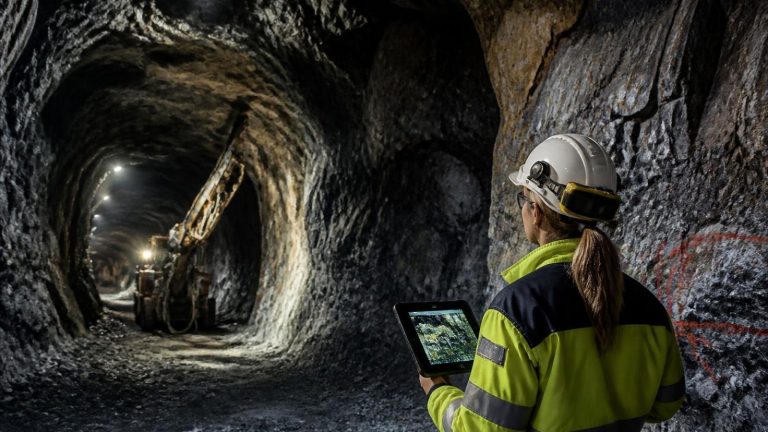
Beyond iron ore, Rio reported record copper production at Oyu Tolgoi in Mongolia, forecasting a more than 50% increase in copper output this year as demand surges for energy transition metals. The miner also logged a second consecutive record quarter for bauxite production, prompting an upward revision of its full-year forecast to 59–61 million tonnes, supported by strong performance at the Amrun mine in northern Australia.