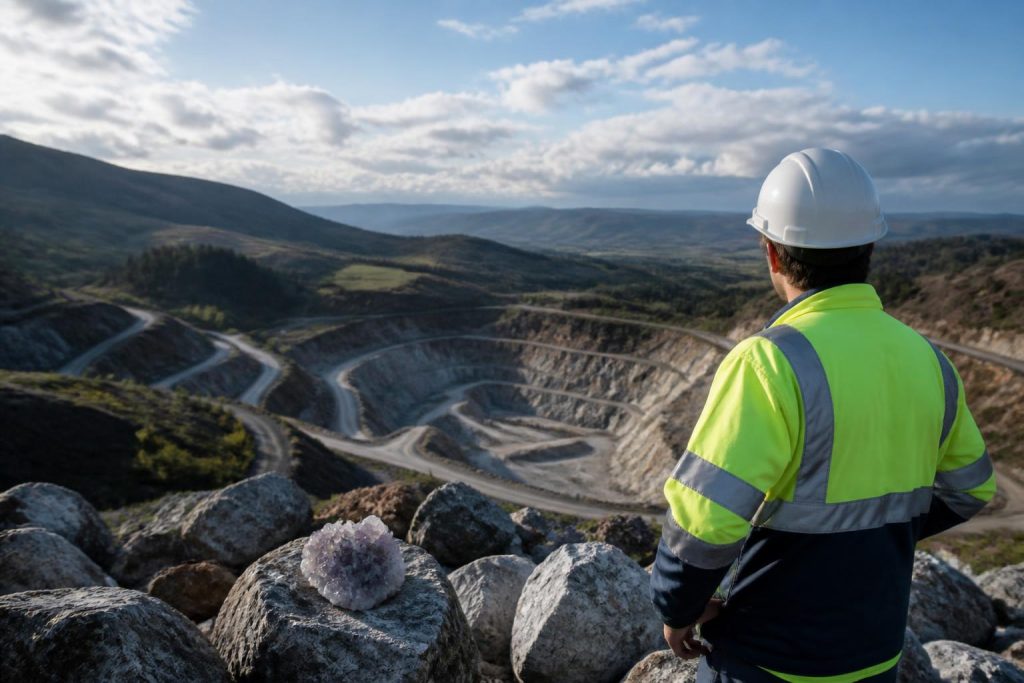
Savannah Resources has secured new backing from local landowners for its Barroso lithium project in northern Portugal, which is set to become Europe’s largest lithium mine. This development comes as the company seeks to navigate years of community opposition and legal challenges that have delayed the project. The Barroso project, with a capital expenditure of $417 million, has been designated as strategic by the EU, highlighting its importance in establishing a European lithium supply chain critical for the electric vehicle industry.
The company announced three new benefit-sharing agreements with local communal land managers, known as baldios, which aim to ensure that the communities have a stake in the project and its benefits. CEO Emanuel Proença emphasised that these agreements are not just about land access but also about recognising the rights of local communities that have managed these lands for generations. Savannah is optimistic about receiving its final environmental licence in the third quarter of this year, with plans to make a final investment decision by the end of the year and commence production by 2028.
Despite the backing from local landowners, the Barroso project has faced significant opposition from residents and environmental groups concerned about its potential impact on agriculture, water resources, and biodiversity in the region, which is recognised by the UN as a Globally Important Agricultural Heritage System. The project’s feasibility study, released in July, indicated that it could produce an average of 183,000 tonnes of spodumene concentrate annually, enough to supply batteries for approximately 500,000 electric vehicles.
Savannah’s study also projected a robust after-tax net present value of $913 million and an internal rate of return of 43%, with a payback period of less than two years. The project is positioned competitively within the global hard-rock lithium cost curve, with average operating costs estimated at $473 per tonne of concentrate.
To address environmental concerns, Savannah has proposed measures such as dry-stack tailings, a lined storage facility, and a water recycling system. The new agreements with local baldios include provisions for community participation in project oversight, local reinvestment of project benefits, and inflation-indexed rental payments. Additionally, a partnership with the regional baldios secretariat aims to support forest management and wildfire prevention in the area.
Portugal has a history of lithium production for the ceramics industry, but the Barroso project represents a significant step towards developing a large-scale battery materials sector in the country. Earlier this year, the Portuguese government awarded Savannah a €110 million grant to support the advancement of the Barroso project, further underscoring the official backing for this initiative. The project has also seen a 40% increase in its mineral reserve estimates, reinforcing its economic viability as it aims to become western Europe’s first major lithium mine.