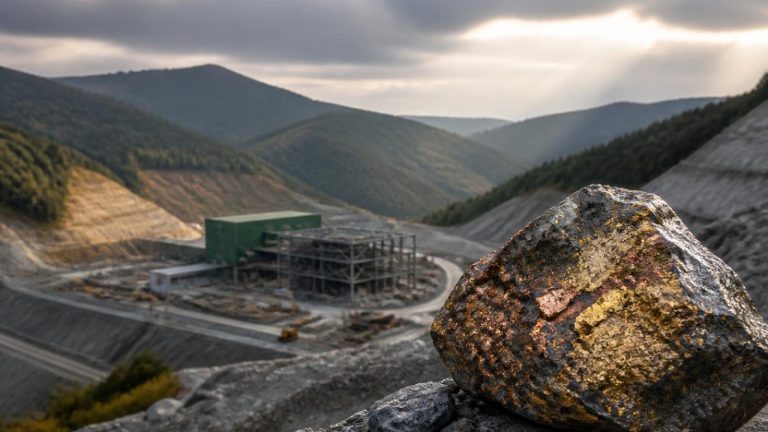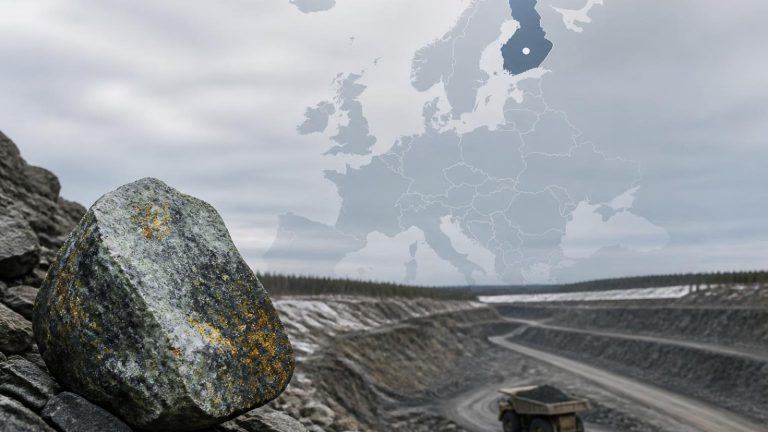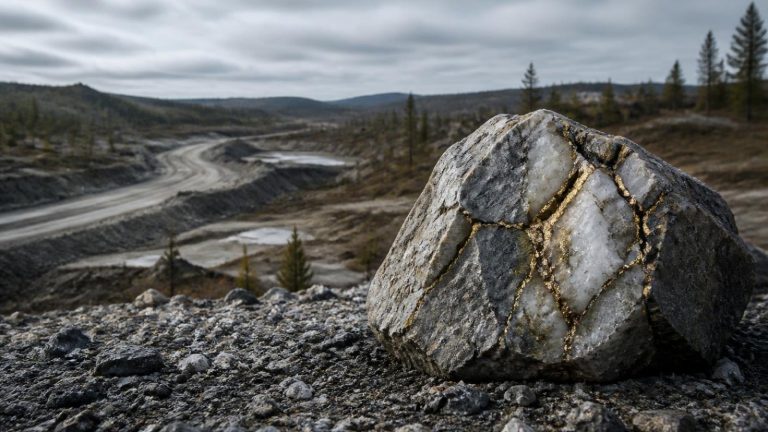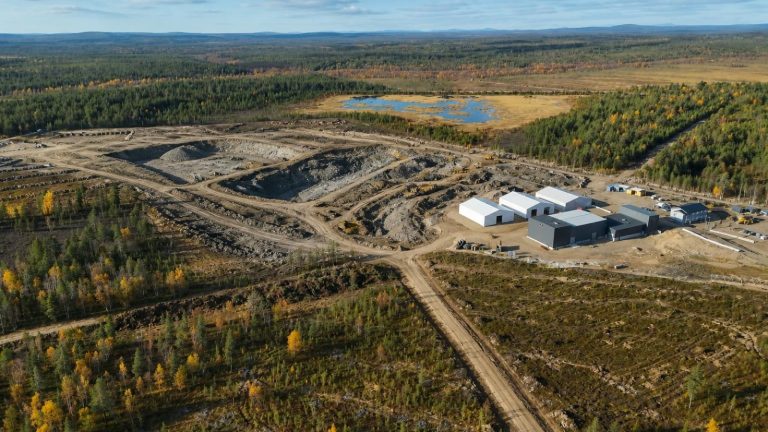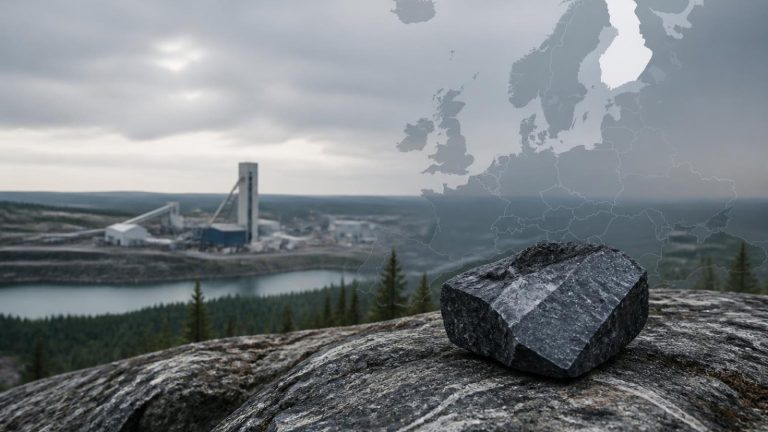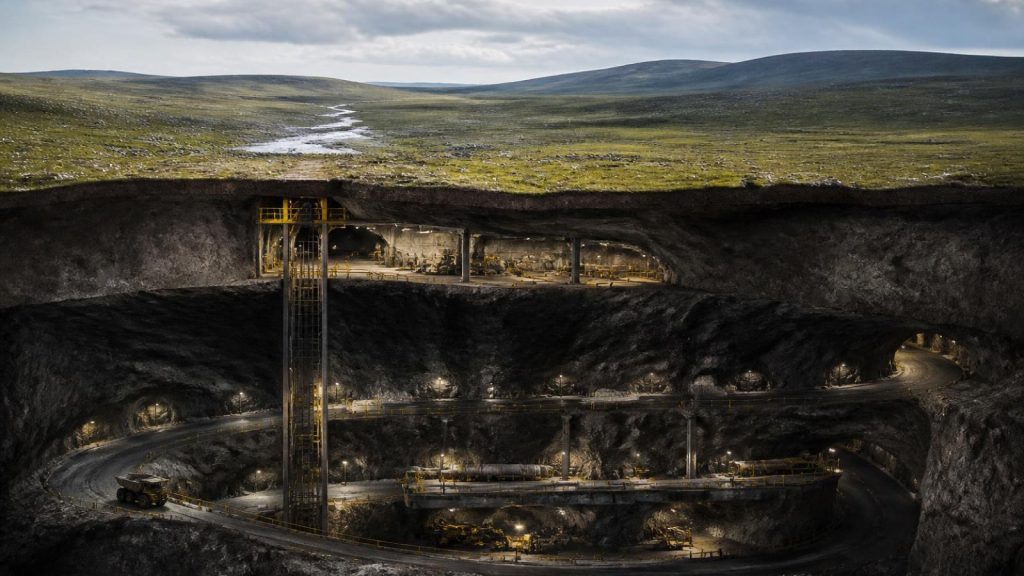
The Sakatti mine, a new mining project, is set to operate with a focus on environmental sustainability by employing underground mining techniques. Notably, there will be no above-ground structures within the conservation area, ensuring that the natural landscape remains largely undisturbed. The ore extraction will take place entirely underground, with the factory area strategically located outside the conservation zone.
To manage waste effectively, the mine will return waste rock and tailings underground as paste fill, utilising part of the waste rock for local infrastructure construction. The remaining tailings will be filtered and disposed of dry in the mill area, enhancing water management practices. This innovative approach aims to minimise the environmental footprint of the mining operation.
Access to the mine will be facilitated through an extensive underground inclined tunnel system, exceeding five kilometres in length. This system is designed to ensure that all materials, equipment, personnel, water, and ventilation are transported underground, thereby reducing surface disruption. The tunnels are sealed to prevent contamination, and process water recycling is maximised, with all effluents undergoing purification before being released, ensuring that no treated water enters the conservation area.
Although the Sakatti deposit is not particularly large, its high mineral content allows for the extraction of more metals with less mining activity, resulting in reduced mining waste. The project exemplifies how modern mining practices can align with environmental conservation efforts, showcasing a commitment to sustainable resource extraction while meeting the demands of the industry.