Tag: Finland

  • Metso Partners with GTK to Develop New Pilot Plant for Minerals Processing in Finland

    Metso Partners with GTK to Develop New Pilot Plant for Minerals Processing in Finland

    Metso, a leading industrial machinery and engineering company, has entered into a significant agreement with the Geological Survey of Finland (GTK) to engineer and deliver process technology for GTK Mintec’s new pilot plant located in Outokumpu, Finland. This pilot plant is set to enhance GTK’s research and service offerings for the mining and minerals industry, particularly in the realm of circular economy materials.

    The collaboration between Metso and GTK has been characterised by a long-standing partnership, with the design of the process lines being developed in close cooperation with GTK experts. While the financial details of the order remain undisclosed, it has been recorded in the Minerals segment’s orders for the third quarter of 2026. GTK Mintec aims to have the pilot plant operational by the end of 2028, reinforcing its position as a prominent developer of circular economy and minerals processing solutions on an international scale.

    Saku Vuori, the director-general of GTK, highlighted the importance of this initiative, stating that GTK Mintec is a strategic focus for the organisation. He emphasised that the minerals processing research services are crucial for advancing the circular economy, and this agreement marks a significant advancement in enhancing the services provided to the industry.

    Piia Karhu, president of Metso minerals, echoed these sentiments, noting that the new pilot plant builds upon decades of collaboration between the two entities in developing minerals processing solutions. The facility will serve as an excellent environment for the development and testing of innovative processing and circular economy solutions, aimed at improving resource and energy efficiency within the industry.

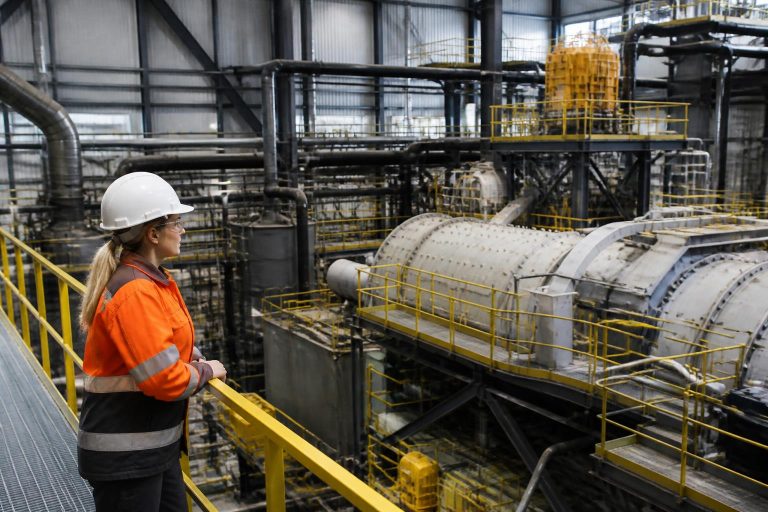
    The pilot plant will feature modern facilities for pilot-scale testing and optimisation of various process technologies. It will not only accommodate conventional beneficiation technologies but also focus on energy-efficient solutions that minimise water and chemical consumption. Key technologies to be tested include high pressure grinding rolls, ore sorting, primary grinding circuits, fine grinding technologies, and flotation applications.

    Moreover, the facility will enable the piloting of advanced solutions for side-stream processing, dry stacking of tailings, and closed-loop process water circuits, utilising cutting-edge water treatment and filtration technologies. Metso has confirmed that two process lines with varying capacities will be constructed, allowing for both large-scale plant testing and smaller-scale test work, such as studies using drill core samples in the early stages of mining projects.

    An advanced digitalisation and automation environment will also be integrated into the pilot plant, where process data will be automatically collected from equipment and measurement points throughout the facility. This innovation is expected to expedite the analysis of test results, enhance data quality, and provide customers with more comprehensive reporting capabilities, ultimately supporting the industry’s goals for sustainable and efficient mineral processing.


  • JENNMAR Partners with Outokumpu to Enhance Operations at Kemi Mine in Finland

    JENNMAR Partners with Outokumpu to Enhance Operations at Kemi Mine in Finland

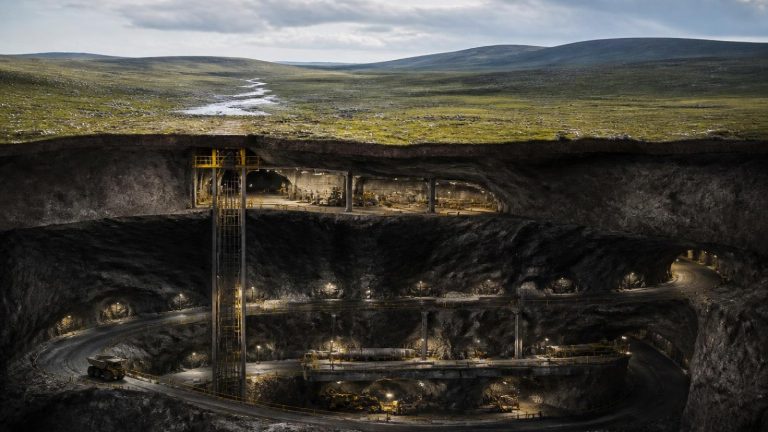
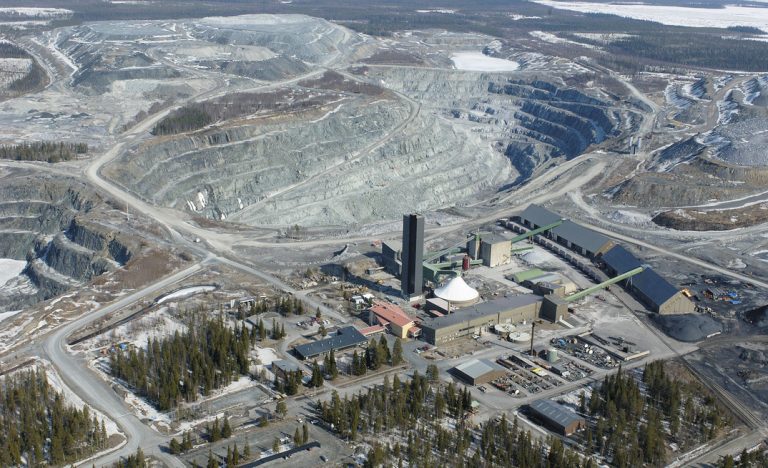
    JENNMAR, a prominent services and infrastructure provider, has announced a significant long-term partnership with Outokumpu, a leading stainless steel manufacturer and miner, to supply ground control products for the Kemi Mine. This mine is not only the largest underground mine in Finland but also holds the distinction of being Europe’s only operational chrome mine. The collaboration aims to enhance operational efficiency and streamline commercial transactions between JENNMAR and Outokumpu’s management teams.

    To facilitate this partnership, JENNMAR has established a new entity, Jennmar Finland, which is specifically designed to improve the efficiency of business dealings related to the Kemi Mine. This strategic move underscores JENNMAR’s commitment to supporting one of Europe’s most significant mining operations. Mike Petkovich, President of Jennmar Europe, expressed enthusiasm about the partnership, highlighting the Kemi Mine’s stature as an impressive mining operation and an excellent opportunity for JENNMAR to showcase its extensive range of products and technical capabilities in the region.

    The Kemi Mine, known for its rich chrome deposits, plays a crucial role in the European mining landscape. The partnership with JENNMAR is expected to bolster Outokumpu’s operational capabilities, ensuring that the mine continues to meet the growing demand for chrome in various industries. As the mining sector increasingly focuses on efficiency and sustainability, collaborations like this one are vital for driving innovation and enhancing productivity in the industry.

    Overall, this partnership marks a significant development in the Finnish mining sector, reflecting the ongoing evolution of mining operations in Europe and the importance of strategic alliances in achieving operational excellence. JENNMAR’s expertise in ground control products will be instrumental in supporting the Kemi Mine’s operations, paving the way for future advancements in mining technology and practices.


  • Sibanye-Stillwater’s Keliber Lithium Project Achieves Key Operational Milestones in Finland

    Sibanye-Stillwater’s Keliber Lithium Project Achieves Key Operational Milestones in Finland

    Sibanye-Stillwater’s Keliber lithium project in Finland is making significant strides in its operational ramp-up, marking a pivotal moment in the company’s efforts to enhance lithium production. Following the successful commencement of the Syväjärvi open-pit mine earlier in 2026, the project has now seen the Päiväneva concentrator achieve an impressive 142 hours of continuous testing. This phase is crucial as it aims to safely scale up the production of high-quality spodumene concentrate, a key material in the lithium battery supply chain.

    The ongoing infrastructure development at the Kokkola Industrial Park lithium refinery is also noteworthy. The area has been recently asphalted, signalling progress as teams undertake essential preparatory work to initiate production. This development is expected to bolster the overall efficiency and output of the Keliber project, which is strategically positioned to meet the growing demand for lithium in electric vehicle batteries and other applications.

    Sibanye-Stillwater has made it a priority to keep stakeholders informed about the project’s progress. Interested parties can view the rapid advancements and layout of the facilities through the official project updates available on the Sibanye-Stillwater Keliber Video Gallery. Additionally, the construction timeline is accessible via the Keliber Project Progress Playlist on YouTube, providing a visual representation of the project’s evolution.


  • Finland’s Strategic Vision for Sustainable Mining and Minerals Development

    Finland’s Strategic Vision for Sustainable Mining and Minerals Development

    Finland is positioning itself as a global leader in responsible and sustainable mining practices, particularly through the integration of artificial intelligence (AI) in its mineral operations. The country is exploring ways to enhance its capabilities in the minerals and metals sector, which is deemed a strategic asset for economic growth. This sector not only fosters innovation and creates high-quality jobs but also strengthens Finland’s export capabilities. However, the complexity of the value chains associated with mining necessitates a comprehensive understanding of the interdependencies that exist throughout the production sequence, including the roles of investors, end-users, and decision-makers.

    In a recent brainstorming session involving key Team Finland organisations, stakeholders discussed how to unlock more sustainable and value-adding projects and investments, both domestically and in international markets. The discussions highlighted the importance of maximizing economic impact and maintaining a sustainable competitive advantage by delivering clear value to customers at every stage of the mining process. The session also acknowledged the growing influence of geopolitical and geo-economic factors on the sector, which can significantly affect investments, supply chain resilience, and overall market dynamics.

    Participants identified several prospective actions to address the challenges faced by the sector, including increasing awareness and showcasing Finland’s unique strengths to an international audience. The collaborative effort aims to enhance the visibility of Finland’s capabilities in sustainable mining and to foster partnerships that can lead to innovative solutions and projects. The enthusiasm and commitment expressed during the session suggest a promising future for Finland’s mining sector, with further actions and initiatives expected to emerge in the coming months.

    The event was hosted by the Technology Industries of Finland and included representatives from various organizations, including the Ministry for Foreign Affairs of Finland, the Geological Survey of Finland, and Mining Finland. The collaborative spirit and the quality of discussions indicate a strong foundation for advancing Finland’s position in the global mining industry.

  • Sokli Project: Paving the Way for Finland’s Critical Minerals Self-Sufficiency

    Sokli Project: Paving the Way for Finland’s Critical Minerals Self-Sufficiency

    The Sokli project is emerging as a cornerstone for Finland’s ambitions to achieve self-sufficiency in critical minerals. In collaboration with the Regional Council of Lapland and the Joint Municipal Authority of Eastern Lapland, stakeholders recently convened to assess the project’s progress and explore the opportunities it presents for Finnish companies both now and in the future. The discussions highlighted the potential of Sokli to not only bolster local economies but also to contribute to national goals regarding sustainable mineral production.

    A significant aspect of the Sokli initiative is the ‘More than a Mine’ project, which is funded by Business Finland. This initiative aims to foster innovative solutions and establish business and cooperation networks within the mining sector. The emphasis on collaboration among research institutions, businesses, and various stakeholders is seen as vital for cultivating sustainable growth and enhancing competitiveness in Finland’s mining industry.

    As the development of Sokli progresses in stages, it is crucial to maintain an open dialogue about the opportunities the project can generate on both regional and national levels. The engagement of local communities and businesses is essential to ensure that the benefits of the project are maximised and that it aligns with Finland’s broader economic and environmental objectives.

    The Sokli project represents a proactive step towards securing Finland’s position in the global critical minerals market, which is increasingly important in the context of the European Union’s strategic goals. As discussions continue and the project evolves, it is clear that Sokli is set to play a pivotal role in shaping the future of sustainable mining in Finland.

  • NordX Metals Confirms Significant Uranium Mineralization at Riutta Project in Finland

    NordX Metals Confirms Significant Uranium Mineralization at Riutta Project in Finland

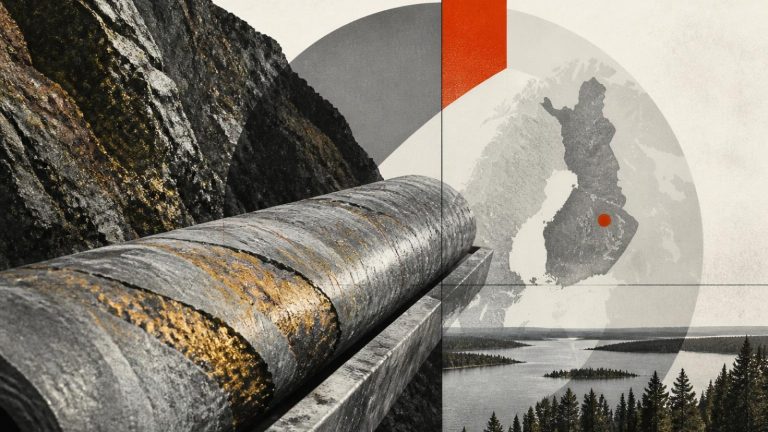
    NordX Metals Corp. has announced promising assay results from a historical drill core resampling program at its wholly-owned Riutta project, located near Joensuu in eastern Finland. The results confirm significant shallow uranium mineralization, with the most notable finding being an intersection of 11.3 metres grading 0.68% U3O8 from a depth of 21.2 metres in drill hole AREVA DH1. This hole, drilled in 2008 by AREVA (now Orano), had previously gone unassayed due to the company’s global restructuring and a downturn in uranium prices. The core was later acquired by Mawson Resources, which reported a historical result in 2011 consistent with NordX’s recent findings.

    In addition to the standout result from the Ristimonttu prospect, other notable intervals were identified, including 2 metres at 0.20% U3O8 and 1.75 metres at 0.033% U3O8 from other drill holes. The resampling program also revealed anomalous grades of copper and silver, indicating a potentially rich mineral environment. Jon Franklin, President and Director of NordX, expressed excitement over the results, highlighting the potential for significant near-surface uranium mineralization along a 3.6-kilometre trend at Riutta.

    The Riutta uranium occurrence has a rich history, first discovered in 1958, with four exploration campaigns conducted over the years. Despite extensive drilling, only a limited number of holes have been drilled in recent decades. The project has yielded over 500 mineralized boulders, with many assaying above 1% uranium. The geological setting of Riutta is interpreted as a structurally controlled, low-temperature hydrothermal uranium system, suggesting further exploration could uncover additional resources.

    The resampling was conducted under strict quality assurance protocols, ensuring the reliability of the assay data. The results have been reviewed by a qualified geologist, adding credibility to the findings. NordX aims to advance its exploration efforts at Riutta, capitalising on the confirmed mineralization to attract investment and support further development of the project.

    In summary, the confirmation of significant uranium mineralization at the Riutta project marks a pivotal moment for NordX Metals, positioning the company for potential exploration success in Finland’s uranium sector. As the demand for uranium continues to grow, the results from Riutta could play a crucial role in meeting future energy needs.


  • Finland’s Critical Materials Industry: Navigating Bottlenecks for Sustainable Growth

    Finland’s Critical Materials Industry: Navigating Bottlenecks for Sustainable Growth

    Finland’s critical materials industry is at a crossroads, facing significant challenges in capital investment, processing capacity, and regulatory approval that hinder its ability to meet rising demand for essential minerals. Despite having ample deposits, the European Union (EU) currently attracts only a fraction of global mineral exploration investment, which is a stark contrast to countries like Canada and Australia. A recent study by the European Investment Bank (EIB) highlights that to achieve the EU’s 2030 domestic supply targets, exploration spending must increase tenfold. This indicates that the real bottleneck lies not in the availability of resources but in the capability to develop them effectively.

    The industry must shift its focus from merely increasing extraction volumes to strategically positioning itself around critical bottlenecks in the value chain. Companies that can manage these bottlenecks—such as financing, permitting, and processing—will be better equipped to capture value and mitigate risks associated with commodity price fluctuations and regulatory challenges. For instance, firms like Terrafame and Outokumpu are redefining their business models by moving beyond raw material extraction to producing high-value battery chemicals and lower-carbon steel, respectively. This transition reflects a broader trend where the emphasis is on processing capabilities and customer integration rather than just resource ownership.

    Moreover, the Finnish mining sector is grappling with two significant tensions: the need for capital and legitimacy, and the relationship between processing and performance. While strategic relevance is crucial for attracting investment, it does not guarantee acceptance for new mining projects. Companies must demonstrate environmental and social credibility to secure permits and financing. The path forward for Finland’s critical materials industry lies in developing capabilities that address these tensions, ensuring that operations remain viable and competitive in an increasingly complex market. The long-term winners will be those who can navigate these challenges and turn constraints into opportunities for sustainable growth.


  • Sibanye Stillwater Reaffirms Battery Metals Strategy Despite Keliber Impairment

    Sibanye Stillwater Reaffirms Battery Metals Strategy Despite Keliber Impairment

    South African mining group Sibanye Stillwater remains committed to its battery metals strategy despite recording an additional 2.46 billion rand ($152.6 million) impairment on its Keliber lithium project in Finland, CEO Richard Stewart said during a results call.

    The company, which began in 2013 with three gold mines before expanding into platinum group metals, has in recent years diversified into lithium, nickel and zinc as part of a strategic shift toward metals used in renewable energy and decarbonization technologies.

    In 2025, Sibanye booked total impairments of 7.8 billion rand on Keliber, reflecting a weaker long-term price outlook for lithium hydroxide. The asset is currently valued at approximately 9 billion rand. Earlier in February 2025, the company also withdrew plans to invest in the Rhyolite Ridge lithium project in the United States after lithium prices declined sharply.

    Stewart said the group’s long-term strategy remains focused on supplying critical metals that support the global energy transition. At Keliber, Sibanye has opted for a phased production approach, beginning with spodumene concentrate while deferring potential production of battery-grade lithium hydroxide until market conditions improve.

    He added that policy initiatives by the European Union and the United States to reduce reliance on Chinese battery metals could improve the long-term pricing environment for projects such as Keliber.

    Financially, Sibanye reported headline earnings of 2.44 rand per share in 2025, compared with 0.64 rand the previous year. The improvement was driven by stronger commodity prices, including a 39% increase in the average rand gold price and a 28% rise in the average South African platinum group metals basket price.

    The stronger performance enabled the diversified miner to declare its first dividend since 2023.

  • Finland Launches First Lithium Mine to Boost Europe’s Battery Supply Chain

    Finland Launches First Lithium Mine to Boost Europe’s Battery Supply Chain

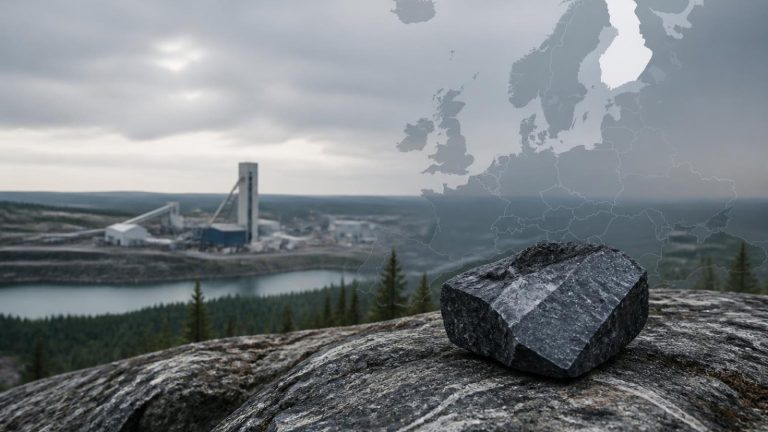
    Finland has officially opened its first lithium mine, marking a milestone in Europe’s push to secure domestic battery raw materials and reduce reliance on imports.

    Mining company Keliber has begun lithium extraction in western Finland, initiating what is described as Europe’s first integrated battery-grade lithium production chain. According to Finnish broadcaster Yle, the project is designed not only to mine lithium ore but also to process it into battery-grade lithium chemicals within Europe.

    CEO Hannu Hautala said the operation gives Europe a strategic advantage by shortening supply routes compared to shipments from China. The company expects that local production will strengthen Europe’s battery manufacturing ecosystem, particularly as electric vehicle demand continues to grow.

    The project spans three municipalities — Kaustinen, Kokkola and Kronoby — forming a regional industrial cluster that links mining operations with processing facilities. The lithium concentrate will be refined into battery-grade material at a dedicated plant in Kokkola.

    The launch comes amid intensifying efforts across the European Union to develop domestic sources of critical minerals essential for electric vehicles and renewable energy technologies. By establishing a local lithium supply chain, Finland aims to position itself as a key contributor to Europe’s broader energy transition and industrial resilience strategy.

  • Outokumpu to Build $45 Million Pilot Plant in U.S. to Scale Up Sustainable Chromium Production

    Outokumpu to Build $45 Million Pilot Plant in U.S. to Scale Up Sustainable Chromium Production

    Finland’s Outokumpu, Europe’s largest stainless steel producer, announced plans to invest $45 million in a new pilot plant in New Hampshire, marking a major step toward industrial-scale production of low-carbon, high-purity chromium materials. The facility is scheduled to begin operations in the first half of 2027, the company said.

    The investment follows the establishment of a research laboratory near Boston in 2024, where Outokumpu developed and tested proprietary technology over the past four years. The company has successfully scaled production of enriched ferrochrome and chromium metal from laboratory scale (1 g) to pre-pilot scale (1 kg).

    The pilot plant will aim to prove the industrial feasibility and scalability of this process by increasing daily output from 1 kg to 1 ton. It will produce two high-value materials:

    • Enriched ferrochrome with 65% chromium content, and

    • Chromium metal with more than 90% chromium content.

    If successful, Outokumpu plans to follow up with the construction of a full-scale industrial plant capable of producing 10,000 tons per year between 2029 and 2030, unlocking the full commercial potential of its proprietary technology by 2030.

    The company’s new process promises a significantly lower carbon footprint compared to conventional methods, while creating opportunities to supply premium-grade chromium materials for aerospace, defense, and energy sectors, where demand for sustainable, high-performance metals is growing rapidly.

    “Backed by years of research, we are leveraging proprietary technology targeting premium-priced, high-purity metals essential for demanding sectors,” said Stefan Erdmann, Outokumpu’s Chief Technology Officer. “With limited Western supply and growing demand, we see a significant market opportunity for sustainable, high-performance materials.”