Tag: Environmental Sustainability

  • Uzbekistan at a Crossroads: Balancing Critical Minerals Boom with Environmental Sustainability

    Uzbekistan at a Crossroads: Balancing Critical Minerals Boom with Environmental Sustainability

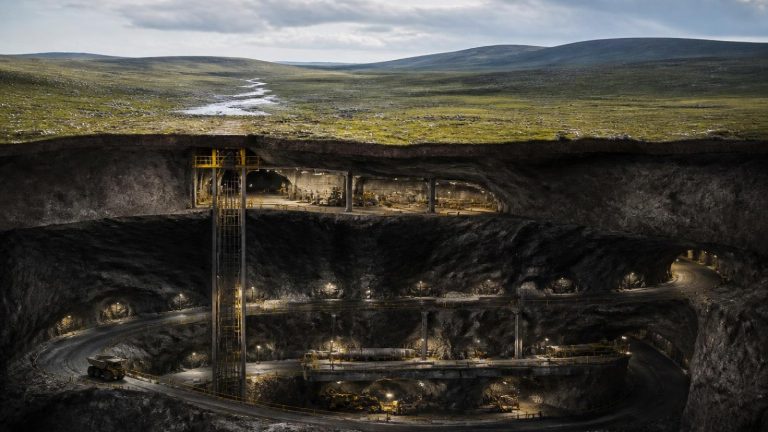
    Uzbekistan stands on the brink of a transformative opportunity as global demand for critical minerals— essential for clean energy and high-tech manufacturing — surges at an unprecedented rate. With vast reserves of gold, copper, lithium, and rare earth elements, the nation has the potential to become a major global supplier. However, history warns that such resource wealth can be a double-edged sword, bringing both economic growth and environmental risks.

    The global shift toward electric vehicles, renewable energy, and digital technologies has created an insatiable appetite for critical minerals. Already a top 10 gold producer in 2024 and a growing exporter of copper, Uzbekistan is well-positioned to capitalize on its untapped mineral wealth. If managed wisely, this sector could attract billions in investment, create jobs, and elevate the country’s global economic standing.

    Yet, the risks are significant. The so-called ‘resource curse’ — where resource-rich nations experience economic booms followed by environmental degradation, corruption, and instability — looms large. Uzbekistan faces pressing challenges, including transboundary water pollution from Kazakhstan’s industrial waste, which contaminates the Syr Darya River. Heavy metals, arsenic, and other toxins threaten agriculture, food security, and public health. Without strict safeguards, expanding mining operations could turn this golden opportunity into an ecological disaster.

    The Aral Sea crisis, one of Central Asia’s most infamous environmental catastrophes, serves as a stark reminder of the consequences of mismanaged industrial development. Once the world’s fourth-largest lake, the Aral Sea has shrunk to 10% of its former size due to unsustainable water diversions for cotton production. This disaster devastated local economies, destroyed biodiversity, and left behind toxic dust storms that continue to harm public health.

    To avoid a similar fate, Uzbekistan must adopt strategic policies and sustainable practices. Key measures include establishing binding agreements with Kazakhstan to regulate industrial waste, enforcing strict environmental standards for mining projects, and investing in modern, water-efficient technologies. Regional cooperation, scientific research, and public engagement will also be critical to ensuring long-term prosperity.

    The decisions made today will shape Uzbekistan’s economic future and environmental legacy. By prioritizing responsible resource management, innovation, and cooperation, Uzbekistan can lead Central Asia in sustainable mining while becoming a global supplier of critical minerals for the clean energy transition.

  • Metso Launches Cu POX Leaching Solution to Revolutionize Copper Sulphide Processing

    Metso Launches Cu POX Leaching Solution to Revolutionize Copper Sulphide Processing

    Metso has unveiled its groundbreaking Cu POX leaching solution, a cutting-edge hydrometallurgical process designed to enhance copper sulphide leaching efficiency while prioritizing environmental sustainability. This innovative technology addresses the growing challenges of changing ore compositions and depleting deposits, offering a scalable and flexible solution for the mining industry.

    At the heart of the process is Metso’s proprietary OKTOP Autoclave unit, which oxidizes copper concentrate under high pressure and temperature. This generates a copper-bearing pregnant leach solution (PLS), which is further processed through solvent extraction and electrowinning (SX-EW) to produce high-purity LME Grade A copper cathodes.

    Petteri Pesonen, Metso’s Copper Hydrometallurgy Technology Manager, explained, “The Cu POX leaching process uses high-temperature oxidation to convert sulphide sulphur into sulphate and sulphuric acid, ensuring efficient copper dissolution with recovery rates of up to 99%. It also minimizes environmental impact by reducing emissions and optimizing resource use, such as through closed-loop water systems.”

    The technology is designed to integrate seamlessly with existing SX-EW infrastructure and can enhance heap leaching operations by supplementing PLS production as resources diminish. Metso provides comprehensive support, from batch testing and pilot trials to plant commissioning and training, ensuring a smooth implementation process.

    In a related development, Metso secured a contract with Barrick Gold in September 2024 to supply key process equipment for the Lumwana copper project in Zambia, further solidifying its position as a leader in copper processing innovation.

  • Ireland Strategic Investment Fund Backs Irish Minerals Fund with €30m Investment

    Ireland Strategic Investment Fund Backs Irish Minerals Fund with €30m Investment

    The Ireland Strategic Investment Fund (ISIF) has revealed a €30 million investment in an Irish fund dedicated to mining ventures. The recipient of ISIF’s investment is the Irish Minerals Fund, supported by Lionhead Resources, a private equity firm specializing in mining investments. The focus of the fund will be to pursue minority stakes in environmentally sustainable mining projects within the Republic of Ireland.

    The Irish Minerals Fund’s investment strategy will prioritize projects with established mineral deposits, particularly those centered around zinc extraction. Nick Ashmore, ISIF’s director, emphasized the significance of the investment in promoting responsible mineral extraction, highlighting its potential to bolster indigenous businesses and create skilled jobs, particularly in rural areas.

    Finance Minister Michael McGrath echoed these sentiments, noting the historical significance of the mining sector in Ireland and the potential for job creation in regional areas.

    Lionhead Resources, based in London and South Africa, specializes in investments that support the transition to a low-carbon economy and the needs of a rapidly urbanizing global population.

    The investment coincides with the European Union’s recent approval of the Critical Raw Materials Act (CRMA), aimed at reducing dependence on Chinese dominance in critical mineral supply chains, particularly for technologies essential to energy transition such as electric vehicles and renewable energy.

  • Ukrainian Steel Industry Embraces Digital Transformation for Environmental Sustainability

    Ukrainian Steel Industry Embraces Digital Transformation for Environmental Sustainability

    In a bid to enhance environmental sustainability, Yuriy Ryzhenkov, CEO of Metinvest Group, emphasizes the pivotal role of digital technologies in revolutionizing the Ukrainian steel industry. Speaking at the B7 Italy 2024 conference, Ryzhenkov highlighted the transformative potential of IT and artificial intelligence (AI) in steering traditional sectors towards greener practices.

    Ryzhenkov underscored the remarkable strides made by the Ukrainian steel sector, leveraging AI and analytics to bolster process efficiency. Notably, Azovstal surpassed competitors in 2021, courtesy of AI applications, while augmented reality expedited maintenance tasks and advanced computer vision systems elevated product quality standards. Despite the challenges posed by geopolitical tensions, internal data management systems ensured operational continuity during tumultuous times.

    Acknowledging the global momentum towards environmental initiatives like the Green Deal, Ryzhenkov emphasized the indispensable role of metallurgy in this trajectory. While the industry grapples with traditional frameworks, digitalization emerges as a catalyst for fostering sustainability, efficiency, and competitiveness. Ryzhenkov stressed the necessity of integrating digital and green transitions within heavy industries to align with evolving global paradigms.

    However, Ryzhenkov cautioned against the inherent challenges in navigating this transition, citing a shortage of IT specialists adept at facilitating transformation. The evolving landscape necessitates a paradigm shift in talent acquisition, with Metinvest now training IT professionals to spearhead green and digital initiatives, marking a significant departure from conventional recruitment strategies.

    The B7 Italy 2024 conference, hosted by Confindustria, provided a platform for dialogue among G7 nations’ businesses and governments, amplifying discussions on sustainable industrial practices. Amidst geopolitical uncertainties, Ryzhenkov reaffirmed Metinvest’s unwavering commitment to green strategies, aligning with Ukraine’s accelerated pursuit of EU integration.

  • Landmark Court Decision Reverberates Through Poland’s Energy Landscape

    Landmark Court Decision Reverberates Through Poland’s Energy Landscape

    In a groundbreaking decision with far-reaching implications for Poland’s energy sector, the Voivodeship Administrative Court (WSA) in Warsaw has overturned an environmental ruling concerning the Turów lignite coal mine, operated by PGE GiEK. While the ruling doesn’t immediately halt mine operations, it underscores the delicate balance between energy demands and environmental preservation, prompting state-owned power company PGE GiEK to contemplate future strategies.

    Background and Court Ruling: The court’s ruling follows a lawsuit challenging the environmental impacts of the Turów mine, situated near the Polish-Czech border. Criticizing the lack of consideration for a bilateral agreement with the Czech Republic addressing cross-border mining effects, the WSA’s decision resonates beyond legal realms. Despite the verdict, Turów’s operations, vital for Poland’s electricity supply, remain unaffected. PGE GiEK vows compliance with environmental standards and continues investing in mitigating measures.

    Environmental Measures and Investments: PGE GiEK’s substantial investments target minimizing Turów mine’s environmental footprint. Initiatives include constructing an underground anti-filtration screen to safeguard Czech water resources and implementing various ecological and noise-reduction endeavors. These efforts underscore Poland’s struggle to balance energy demands with environmental obligations, shaping the nation’s energy transition trajectory.

    Implications for Future Energy Policy: Although subject to further legal proceedings, the court ruling prompts reflection on Poland’s coal mining future and its broader energy policy. Amidst efforts to diversify energy sources and reduce coal dependency, the Turów case epitomizes the challenges of transitioning towards sustainable energy while ensuring energy security. Beyond Turów, the discourse resonates with Poland’s energy direction and environmental legacy considerations.

  • Qarmet:  A New Era for Kazakhstani Metallurgy Under Domestic Ownership

    Qarmet: A New Era for Kazakhstani Metallurgy Under Domestic Ownership

    Following the state acquisition of ArcelorMittal Temirtau and the departure of its long-standing investor in 1995, Qarmet JSC remains a focal point of interest. Ambitious plans are underway for the enterprise under the new domestic shareholder, with implementation overseen by the government. The top priorities set by the company’s management reflect a commitment to revitalizing operations and ensuring safety.

    Upon the tragic incident at the Kostyanko mine last year, the Kazakhstani government opted to terminate investment cooperation with ArcelorMittal Temirtau, acquiring its assets for $286 million. The Allur Group of companies, led by Andrey Lavrentyev, emerged as the new owner, restoring the plant’s historical name — Qarmet.

    In addition to asset acquisition, the investor has pledged an additional $3 billion for production modernization and environmental protection, with $1.3 billion earmarked for the current year alone. With the new ownership and name come renewed optimism among the plant’s workers, anticipating solutions to existing equipment and working condition issues.

    Talgat Temirkhanov, Qarmet’s official representative, highlighted the development of a comprehensive plan for industrial safety and production modernization, leveraging international best practices and collaborations with industry leaders like BaowuSteel and the Boston Consulting Group.

    The company’s management underscores the priority of restoring production while enhancing labor safety, with a focus on addressing critical equipment issues. General Director Vadim Basin outlined moderate production targets for 2024, anticipating increases in steel and iron ore concentrate production alongside a slight decrease in coal mining volumes.

    In alignment with the name change, Qarmet’s focus extends to environmental sustainability, labor protection in mines, and social responsibility. Investments in new drilling rigs, modern heading combines, and gas monitoring stations underscore the commitment to improving production environments.

    Decisions have been made to introduce positioning systems at all mines, along with plans for central dispatching and mine degassing. New construction initiatives include the development of coke batteries, polymer coating lines, and beneficiation plants, signaling a drive toward revitalizing the plant and empowering its workforce.

  • Kumtor Gold Company Exceeds Gold Production Targets in 2023, Boosting Revenue and Profit

    Kumtor Gold Company Exceeds Gold Production Targets in 2023, Boosting Revenue and Profit

    Kumtor Gold Company, based in Kyrgyzstan, achieved remarkable milestones in 2023, surpassing its gold production targets and recording significant revenue and profit growth. The company’s production output totaled 15.567 tons of gold, slightly higher than the amount sold, which stood at 15.577 tons, reflecting robust operational efficiency and market demand. With revenue from production activities soaring to $849 million, Kumtor Gold exceeded its planned revenue of $734.2 million, driving a net profit of $302.4 million, well beyond the projected $194 million. Tax contributions to the republican budget further underscored the company’s substantial economic impact, amounting to 17.241 billion soms ($192.787 million).

    In a strategic move to optimize workflow and modernize equipment, Kumtor Gold implemented measures resulting in savings exceeding $30 million, demonstrating its commitment to operational excellence. Despite a reduction in capital investment volume to $111.5 million compared to the previous year, the company’s focus on efficiency enhancements yielded impressive financial outcomes.

    Moreover, Kumtor Gold reaffirmed its commitment to regional development by allocating significant funds to various initiatives. Notably, $8.389 million was directed towards the development of the Issyk-Kul region, while $5.033 million was allocated to the Naryn region development fund. Additionally, contributions to the Regional Development Partnership Fund and the Nature Development Fund further underscored the company’s dedication to environmental sustainability and community welfare.

    Kumtor Gold Company remains a cornerstone of the mining industry in Kyrgyzstan, spearheading the operation of the Kumtor project, the country’s largest gold mining enterprise. With a commitment to excellence, responsible production practices, and community engagement, Kumtor Gold continues to drive economic growth and social development in the region.

  • Rovina Valley project is setting a new standard for sustainable mining in Romania

    Rovina Valley project is setting a new standard for sustainable mining in Romania

    Toronto-listed Euro Sun Mining, under the leadership of South African CEO Grant Sboros, is charting a new course for gold and copper mining in Romania with its Rovina Valley project. This initiative not only aligns with the European Union’s Critical Raw Materials Act but also sets a new standard for environmental sustainability in mining operations. Sboros’s active engagement with the Romanian government and the local community underscores a collaborative approach to ensure the project’s success and compliance.

    Euro Sun Mining’s Rovina Valley project is a beacon of innovation in the mining industry, emphasizing the exclusion of cyanide and wet tailings from its process. This method reflects a growing trend towards more environmentally friendly mining practices. The project’s focus on copper, a critical raw material, is timely given the EU’s increasing emphasis on securing a sustainable supply of such materials. The environmental impact assessment, nearing completion, is a testament to the project’s commitment to minimizing its ecological footprint.

    Engaging with communities and government for mutual growth

    Grant Sboros’s proactive dialogue with Romanian officials and the community at large is pivotal in navigating the bureaucratic and social landscapes. Such engagement is crucial for aligning the project’s goals with those of the local population and the broader Romanian economy. The government’s projected earnings of 45% from the project underline its potential economic impact. Furthermore, the comparison with Gabriel Resources’ Roșia Montană project highlights a shift in Romania’s mining sector towards more sustainable and community-friendly practices.

    Setting the stage for a sustainable mining future

    The Rovina Valley project, slated to begin production in mid-July 2026, represents a significant step forward in the mining industry’s journey towards sustainability and economic viability. The possibility of extending the mine’s life by exploring and potentially doubling its resources speaks to the project’s long-term vision. As the European Union focuses on critical raw materials, projects like Rovina Valley are crucial for demonstrating how mining can evolve to meet modern demands for sustainability and economic contribution.

    This ambitious project not only reflects a significant economic opportunity for Romania but also a model for future mining operations worldwide. The emphasis on environmental sustainability, community engagement, and alignment with critical raw material needs positions the Rovina Valley project as a pioneering initiative in the global mining industry.

  • How does the environmental agenda affect Kazakhstan’s industry?

    How does the environmental agenda affect Kazakhstan’s industry?

    The adoption of ESG principles, encompassing environmental, social, and corporate governance aspects, is gaining momentum worldwide, and Kazakhstan is no exception. According to inbusiness.kz, major manufacturing companies in the country are actively modernizing their facilities, implementing measures to reduce emissions, and promoting waste recycling practices.

    By incorporating ESG principles into their operations, companies can not only improve their environmental impact but also enhance their social and managerial aspects, ultimately leading to improved financial and economic performance. Natalya Lim, a partner at PwC, emphasizes the urgent need for a global and unified approach to address critical issues such as climate change, poverty, inequality, and water scarcity.

    Lim believes that the corporate sector plays a decisive role in overcoming these challenges, and organizations in Kazakhstan are demonstrating their readiness to take responsibility and drive positive changes. In the industrial sector, companies like “KazMunaiGaz” are leading the way by adopting their own “Low Carbon Development Program for 2022-2031.” The objective of this program is to reduce greenhouse gas emissions by 15% by 2031 compared to the baseline year of 2019.

    Moreover, “KazMunaiGaz” is actively collaborating with partners to develop renewable energy projects with a total capacity of at least 1 gigawatt, along with an energy storage system of 300/600 megawatts. These efforts reflect the commitment of Kazakhstani companies to sustainable development and their contribution to mitigating environmental challenges while driving economic growth.
    Another industrial giant, Eurasian Resources Group, is actively working on reducing emissions at its facilities and minimizing their environmental impact. For instance, on August 10th, they showcased a unique ore processing plant for handling the tailings of the Donskoy Mining and Processing Plant to the Prime Minister of Kazakhstan, Alihan Smailov. This plant was built by the multinational company “Kazchrome” (a subsidiary of ERG) in the city of Khromtau, Aktobe region.

    Why is this project important? The Donskoy Mining and Processing Plant was founded in 1938 in Khromtau and is the world’s second-largest deposit of confirmed chromium reserves. The ore extracted here is used for the production of ferroalloys in metallurgy, the manufacturing of refractories, and in the chemical industry for producing chromium compounds.

    Every year, in the process of crushing and grinding chromium ore at the plant, around 900,000 tons of tailings waste are generated. Currently, there are already 14.5 million tons of accumulated tailings containing up to 35% chromium oxide. “Kazchrome” decided to address this issue by constructing the ERG Green ore processing plant.

    This plant will enable the extraction of chromium oxide from the tailings through gravity-based enrichment, and the resulting commercial concentrate can be used in metallurgy for further processing.

    The new facility will allow for the processing of approximately 1.7 million tons of tailings annually, both the existing waste and the continuously generated new waste. Consequently, this will not only improve the environmental conditions in the Aktobe region but also enhance the economic efficiency of the plant itself.

    “The most important thing is that after processing, the tailings must be properly reclaimed in accordance with all environmental standards to minimize the impact on the environment and public health,” commented Alihan Smailov during his visit to the factory.

    In parallel with this, by the end of 2024, as part of the program for processing accumulated tailings, three more initiatives are planned to be implemented. As a result, ERG will ensure the production of 200,000 tons of ferrochrome, leading to an additional revenue of approximately 10 billion tenge in tax receipts annually for the state.

    “Following the company’s mission and ESG principles, management must ensure high environmental standards. Therefore, the group has developed an Environmental Strategy as part of our comprehensive ‘Green Metallurgy’ program. Within the environmental strategy until 2030, we plan to invest 228 billion tenge,” noted Shuhrat Ibragimov, Chairman of the Supervisory Board and member of the Board of Directors of ERG, during the project presentation.

    Investors are involved in the process
    Initiatives like these require substantial investments, and modernizing existing facilities or building new ones is difficult without the assistance of investors.

    For example, the total investment in the ERG Green plant project amounted to 96 billion tenge. Part of the funding was provided by the Development Bank of Kazakhstan, which, according to the project list, has actively begun working in the ESG direction.

    “We consider supporting projects that adhere to the principles of sustainable development to be important. This project aligns with the Environmental Code’s principles of sustainable development – the preservation of natural resources for current and future generations, as well as the principle of integration – the balance between environmental tasks and economic development,” commented Marat Yelibaev, Deputy Chairman of the Board of BRK.

    Like other development institutions, the Development Bank of Kazakhstan is focusing on projects that incorporate ESG principles into their operations. For instance, earlier this year, the bank issued its first “green” bonds, and the proceeds from the bond issuance were directed towards a project by the KEGOC company for modernizing the power grids in Western Kazakhstan.

    In the summer, a credit agreement was signed with the “Almaty Power Plants” to convert TEC-2 in Almaty to natural gas. This project will be financed jointly with the European Bank for Reconstruction and Development and the Asian Development Bank.

    From the example of BRK and other financial institutions, a clear trend is emerging: ESG initiatives of businesses are of interest to investors. This signals that in the near future, many more environmental projects will be implemented by industrial and infrastructure companies.