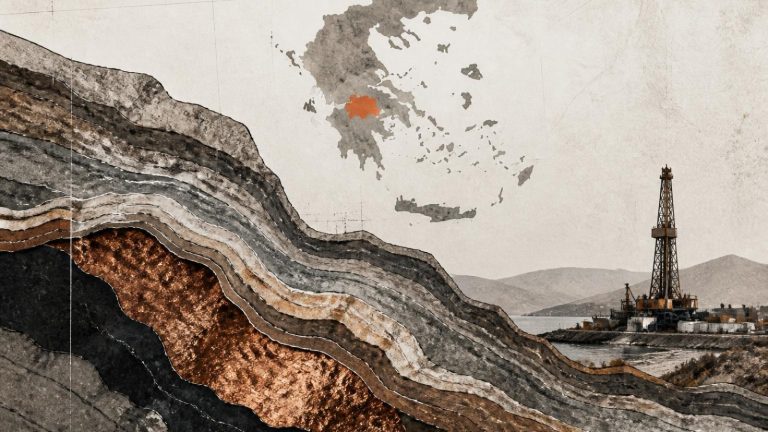
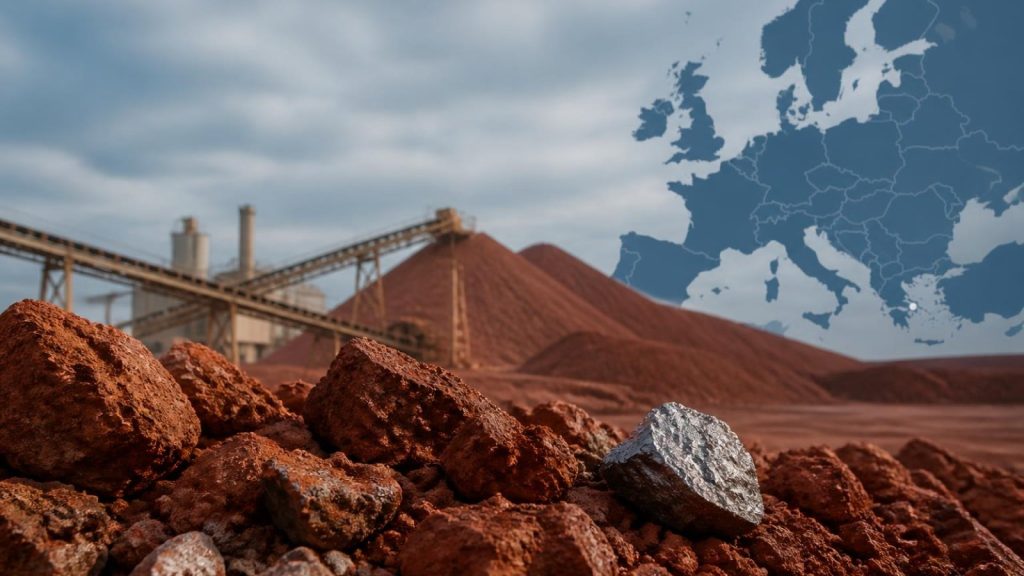
Europe is ramping up its investments in critical raw materials production to lessen its reliance on China, particularly in the wake of geopolitical tensions and supply chain vulnerabilities. A notable example of this initiative is Greece’s Metlen, which is committing €295.5 million to expand its bauxite and alumina production while also developing gallium production capabilities. This expansion is bolstered by a €90 million loan from the European Investment Bank, highlighting the EU’s commitment to fostering domestic production of essential materials.
Gallium, a key component in semiconductors, radar systems, and advanced electronics, has seen a significant concentration of its production in China, which accounted for 99% of global primary gallium output in 2024, according to the US Geological Survey. Metlen aims to produce 50 tonnes of gallium annually, which aligns with Europe’s current demand. The company expects to commence production in 2027, marking a significant step towards achieving self-sufficiency in this critical material.
However, despite the ambitious plans, Metlen has already secured long-term contracts with buyers in the US and Japan, while European customers have been hesitant to commit, often opting for cheaper supplies from China. This reluctance poses a challenge for European producers who require predictable revenues to justify their substantial investments. The management at Metlen acknowledges the need for European buyers to balance cost management with the necessity of supporting local production.
The situation underscores a broader issue within Europe’s industrial strategy, which must align its strategic objectives with the commercial realities faced by producers and their customers. While the demand from the US and Japan is promising for Metlen, there is a pressing need for the EU to implement mechanisms that encourage long-term procurement of critical raw materials from local sources. As European industries evolve, it is anticipated that demand for domestically produced materials will grow, fostering a more resilient supply chain and reducing dependency on external sources.
The case of Metlen illustrates both the opportunities and challenges that lie ahead as the continent navigates the complexities of establishing a sustainable and competitive raw materials sector.