Tag: clean energy

  • UK Government Integrates Trelavour Lithium Project into National Infrastructure Programme

    UK Government Integrates Trelavour Lithium Project into National Infrastructure Programme

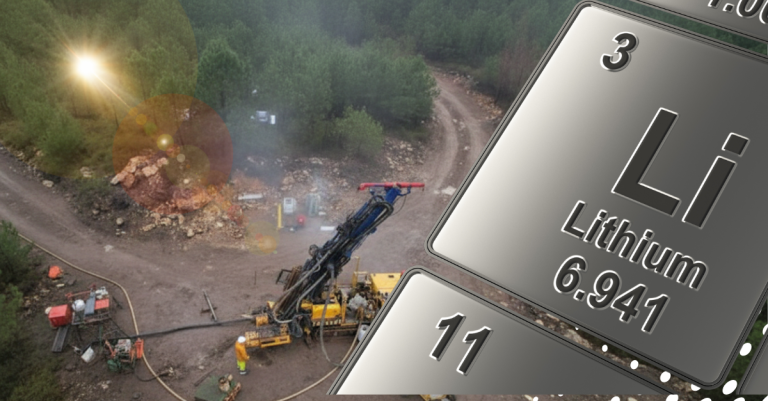
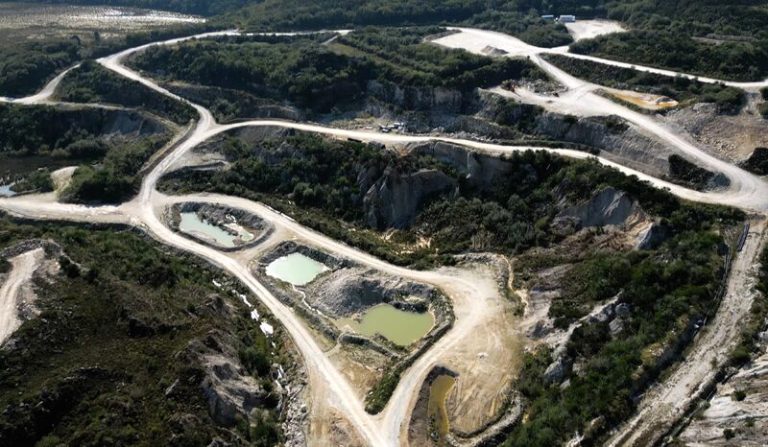
    In a significant move for the UK mining sector, the Government has included the Trelavour Lithium Project in its Lead Environmental Regulator pilot programme. This initiative places the project alongside other major infrastructure undertakings such as Sizewell C, East West Rail, and the Lower Thames Crossing, marking a pivotal moment for the Cornish Lithium initiative. Previously, the notion of a lithium project in Cornwall being recognised alongside nuclear energy and national grid developments would have seemed implausible. However, the Trelavour project is now the only critical minerals project featured in this prestigious list, highlighting its importance to the UK’s energy future.

    The inclusion in the pilot programme provides a streamlined regulatory process, as the Environment Agency will serve as the single point of contact for environmental regulation. This coordination aims to facilitate quicker decision-making and enhance communication between various regulatory bodies. The government’s commitment to improving the efficiency of the regulatory framework is crucial, as it allows projects like Trelavour to progress without unnecessary delays. The expectation is that while standards remain unchanged, the time taken to reach decisions will be significantly reduced.

    This shift in perspective reflects a broader recognition of domestic lithium as a vital component of national infrastructure. As the UK seeks to bolster its battery and clean energy supply chains, the Trelavour Lithium Project is increasingly seen as essential rather than merely a niche mining operation. The government’s approach underscores the importance of better coordination in delivering national ambitions and ensuring that critical minerals projects are realised.

    The Trelavour project represents a key step in the UK’s reindustrialisation efforts, demonstrating how strategic planning and regulatory support can facilitate the development of critical mineral resources. The focus on lithium is not just about mining; it is about laying the groundwork for a sustainable energy future, where domestic resources are harnessed to support the transition to clean energy technologies. As the UK continues to navigate its energy landscape, the successful implementation of projects like Trelavour will be instrumental in achieving its long-term sustainability goals.

  • Rio Tinto Mothballs Controversial $2.95bn Jadar Lithium Project in Serbia

    Rio Tinto Mothballs Controversial $2.95bn Jadar Lithium Project in Serbia

    The Rio Tinto Group has placed its contested $2.95-billion Jadar lithium project in Serbia into “care and maintenance”, according to an internal memo this week. The move, confirmed by a company spokesperson, effectively halts active development on what was slated to be Europe’s largest lithium mine, capable of supplying an estimated 90% of the continent’s current lithium demand.


    Key Takeaways and Context

    The decision is a direct consequence of a “lack of progress in permitting” and sustained fierce local opposition and political volatility in Serbia. CEO Simon Trott’s focus on simplifying the company’s sprawling portfolio and cutting spending also played a role, especially given the project’s high capital allocation with no immediate production in sight.

    What does “Care and Maintenance” mean for Jadar?

    “Care and maintenance” is a mining industry term for a temporary suspension of operations. It means that while the site is not actively being developed, it is being managed to ensure it remains in a safe, stable, and environmentally compliant condition so that operations could be recommenced at a later date if regulatory, economic, or social conditions improve.

    Rio Tinto reiterated that it “remains in Serbia” and continues to view Jadar as an “exceptional quality” deposit with the potential to play a “significant role in the energy transition” of Serbia and Europe. Their immediate focus will be on supporting employees and fulfilling legal obligations as responsible landowners in the Jadar valley.


    🇪🇺 Critical Hit to EU’s Raw Materials Strategy

    The mothballing of Jadar is a significant setback for the European Union’s ambitions for self-sufficiency in key battery metals, as outlined in the Critical Raw Materials Act (CRMA).

    • Strategic Project Loss: Jadar was designated as one of the EU’s few Strategic Projects outside of its borders, specifically for lithium. At its estimated full capacity of 58,000 tonnes of lithium carbonate annually, it was considered a cornerstone for establishing a secure, diversified, and domestic European battery supply chain, reducing reliance on dominant suppliers like China.
    • A Warning on Governance: The project’s failure underscores a critical dilemma for the EU. As Peter Tom Jones highlights, attempts to increase self-sufficiency through projects in third countries must not lead to “uncritical support for autocratic regimes”. The sustained local opposition, environmental concerns, and political instability in Serbia—an EU candidate country—demonstrate that effective governance and a democratization process are as critical as the resource itself.
    • Alternative Lithium Projects: The focus will now intensify on accelerating other European lithium projects, such as those in Portugal, France, and Finland, to meet the CRMA’s targets.

    This situation calls for the EU to demand robust ecological and social standards—potentially through collaboration with third-party verification bodies like the Initiative for Responsible Mining Assurance (IRMA)—to rebuild confidence in such projects in the Western Balkans and beyond.

  • China’s Mineral Export Curbs Could Shave Over $1 Billion from US GDP — Macquarie

    China’s Mineral Export Curbs Could Shave Over $1 Billion from US GDP — Macquarie

    China’s export restrictions on a handful of critical minerals could cost the United States more than $1 billion annually in GDP losses, according to new research by Macquarie Group.

    The analysis, led by chief economist Ric Deverell, modeled the potential impact of Beijing’s export controls on four rare earth elements — samarium, lutetium, terbium, and dysprosium — along with gallium, all of which appear on the US government’s updated list of 60 critical minerals, which now also includes copper and silver.

    While the direct trade exposure may appear limited, Macquarie’s study highlights how supply disruptions to these small but indispensable materials could ripple through the defense, semiconductor, and clean-tech sectors, amplifying the economic impact far beyond their raw import value.


    The Numbers Behind the Risk

    In 2024, the US mined $17.5 billion worth of minerals domestically but imported $65 billion, Macquarie reported. Although China accounted for just $2 billion, or 3% of total US mineral imports, the concentration of value-added processing and material specialization in China means even a limited export ban could have disproportionate effects.

    Macquarie found that the US was:

    • 100% import reliant on 12 critical minerals, and

    • over 50% dependent on imports for another 33.

    For rare earths, the dependency is especially acute. The US relies on imports for around 80% of its rare earth compounds and metals, and about 70% of that supply originates from China.

    While the nominal import value of these materials is small — around $170 million in 2024, with $120 million sourced from China — the knock-on effects of an export halt could dent US GDP by over $1 billion in a single year, Macquarie estimated.

    The report also flagged gallium — a key input in semiconductors, LEDs, and defense electronics — as another potential choke point.


    Strategic, Not Just Economic, Damage

    Beyond direct losses, Macquarie warned that the strategic cost of supply disruption would be significant. Rare earths and gallium underpin advanced manufacturing, defense systems, and energy technologies, sectors that are difficult to substitute or reshore quickly.

    “Even a temporary interruption in these supply chains would carry lasting industrial and strategic repercussions,” the report noted.


    Australia’s Emerging Role

    Macquarie analysts also pointed to Australia as a potential replacement source for US critical mineral imports currently coming from China.

    Australia, which recently signed a Critical Minerals Framework agreement with the US, holds over 15% of the world’s critical mineral reserves and already produces nearly half of the minerals on Washington’s critical list.

    Although Australian exports currently account for just 2% of US critical mineral imports, investment in the sector is accelerating. As of October 2024, more than $50 billion in new projects were in the pipeline, positioning Australia to play a much larger role in diversifying Western supply chains.

    “Over time, Australia could feasibly replace all Chinese-origin critical minerals in the US import mix,” Macquarie said.

  • Cornish Lithium Becomes First UK Company to Produce Lithium Hydroxide Monohydrate

    Cornish Lithium Becomes First UK Company to Produce Lithium Hydroxide Monohydrate

    Cornish Lithium has announced that it has become the first company in the United Kingdom to produce lithium hydroxide monohydrate (LHM), a key component used in electric vehicle batteries, grid-scale energy storage, and consumer electronics.

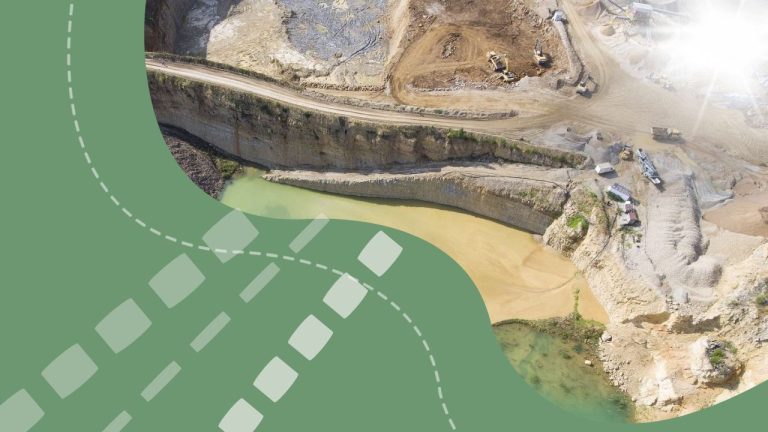
    The breakthrough was achieved at a repurposed Сhina clay quarry in Cornwall, where the company used patented low-carbon processing technology to extract lithium from Cornish granite.

    Founder and Executive Chairman Jeremy Wrathall called it a landmark achievement for both the company and the UK’s battery industry:

    “We can test every single stage of it on an industrial scale — that’s why it is such an important day for us. Our faith in investing £10 million in this project has been vindicated.”

    The milestone marks a significant advance toward establishing a domestic lithium supply chain, a critical step as the UK transitions to electric mobility and renewable energy storage.

    Mining consultant James McFarlane praised the accomplishment, noting the rapid pace of development:

    “The company was only founded in 2016 and began exploring the hard rock potential in St Austell in 2019. To go from that to producing LHM domestically from their own deposit is a massive milestone that deserves recognition.”

    Cornish Lithium said it plans to construct a commercial-scale lithium processing and refining plant capable of producing up to 10,000 tonnes of LHM per year. The facility is expected to be operational by 2029, creating around 300 new jobs and contributing £800 million to the UK economy.

    The project is seen as a cornerstone of Britain’s effort to secure critical mineral independence and reduce reliance on imported battery materials, aligning with the UK government’s net-zero and green industrial strategies.

  • China Tightens Grip on Tajikistan’s Antimony Industry

    China Tightens Grip on Tajikistan’s Antimony Industry

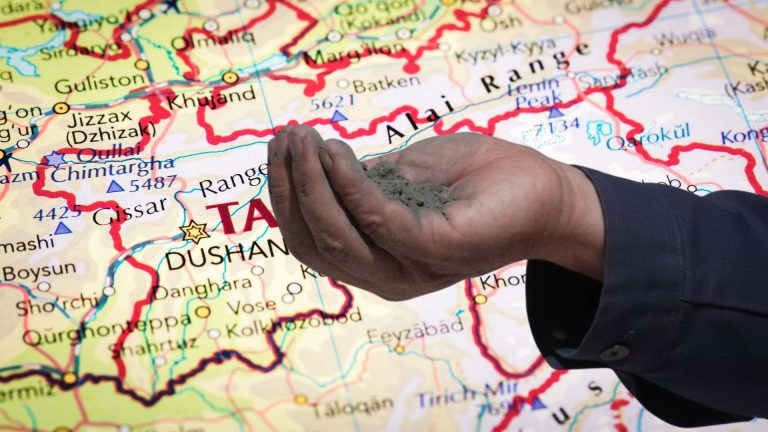
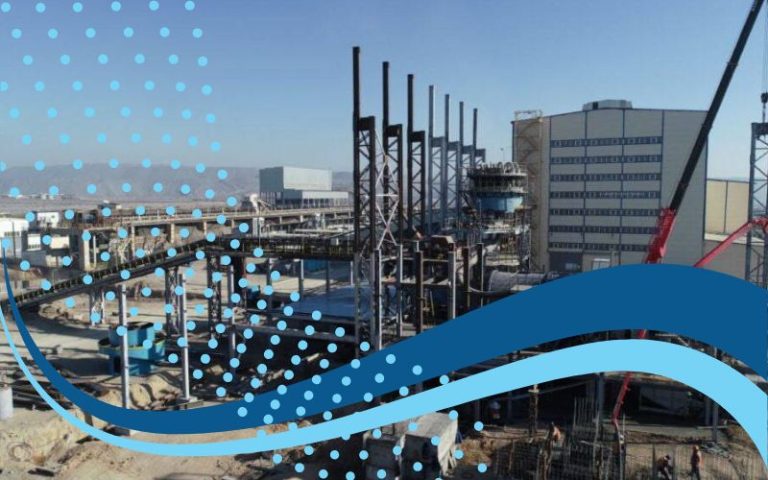
    In Tajikistan’s mountainous heartland, the Soviet-era Saritag antimony mine stands testament to China’s growing influence in Central Asia. Run by the joint venture Talco Gold, a collaboration between Tajik and Chinese companies, the mine produces over 5,000 tonnes of antimony concentrate daily, crucial for many industrial applications. The ore is crushed, ground in large drums, and then separated from the metal using chemical reagents before being dried and bagged as 30% pure antimony. This large-scale operation was made possible by a significant Chinese investment in 2022, which is now being followed by the construction of a new purification plant.

    Pictures of Tajikistan’s long-time President Emomali Rakhmon coexist with portraits of Chinese leader Xi Jinping on posters juxtaposing the country’s past with its present economic reality. While remnants of the Soviet era remain, China has overtaken Russia as the dominant power in the region’s crucial mining sector.

    The full potential of the mine is yet to be unlocked. China’s ambitious $359 million project aims to build a state-of-the-art purification plant on the site, allowing for even greater control over the antimony production chain.

    The Chinese investment, pouring in, signals a strategic move to secure access to vital resources and cement political ties. While offering much-needed economic boost to Tajikistan, it raises concerns about resource dependence and potential environmental consequences.

    This narrative paints a picture of delicate balance: economic prosperity coupled with increasing reliance on a single partner, leaving Tajikistan to navigate the complex landscape of China’s expanding geopolitical footprint in Central Asia.

  • Europe Opens First Rare-Earth Magnet Plant in Estonia to Curb Dependence on China

    Europe Opens First Rare-Earth Magnet Plant in Estonia to Curb Dependence on China

    Europe has launched its first rare-earth magnet production facility in Narva, Estonia, marking a critical step toward reducing reliance on China for components vital to clean energy and electric mobility. The Canadian-built plant, supported by the European Union, is expected to supply magnets for over one million electric vehicles and 1,000 offshore wind turbines annually.

    Permanent magnets, primarily made with rare earths, are considered essential for high-efficiency motors used in electric cars and renewable energy technologies. At present, China provides around 90% of the EU’s magnet demand.

    With an annual capacity of 2,000 metric tonnes, the Narva plant tailors magnet production to the specifications of European automotive manufacturers and wind turbine producers. The facility draws on rare-earth powders imported from Australia, processed alongside other metals to create the permanent magnets.

    The €75 million investment includes €14 million from the EU’s Just Transition Fund, designed to help regions most affected by the shift to climate neutrality. Currently employing around 80 people, the plant could eventually support up to 1,000 jobs.

    For Narva, long dependent on carbon-intensive oil shale extraction, the factory represents a turning point. “This kind of factory will bring new industrial companies. Of course, it forces us to develop our workforce,” said Narva’s mayor, Katri Raik, who described the investment as a vote of confidence in the city’s future despite its location on the EU’s border with Russia.

    Neo Performance Materials, the Canadian company behind the project, also operates a rare-earth separation plant and research facilities in nearby Sillamäe. For engineers such as Zorjana Mural, who once left academia for the oil and gas industry, the project has been transformative: “When I joined the project there was no building, no walls, nothing. Now it’s filled with machines. It’s really exciting to imagine the future.”

  • Eurasian Resources Group Launches Major Wind Farm in Kazakhstan

    Eurasian Resources Group Launches Major Wind Farm in Kazakhstan

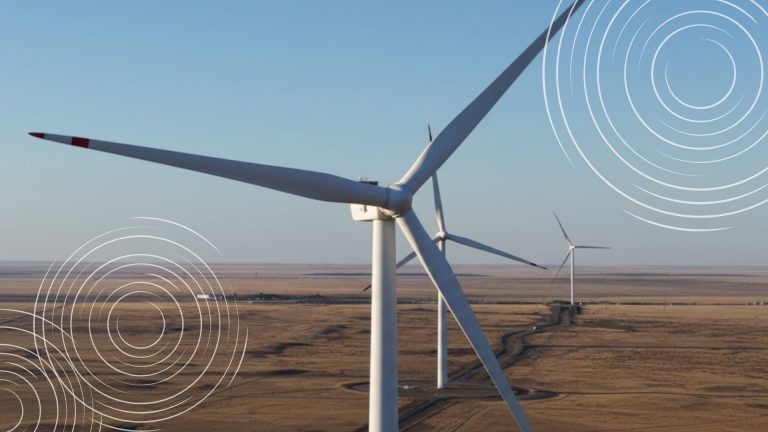
    Eurasian Resources Group (ERG), a global metals and mining company headquartered in Luxembourg, has opened the Khromtau wind farm in Kazakhstan with a capacity of 150 megawatts of green energy. The project is one of the largest renewable energy facilities in Kazakhstan and Central Asia and required an investment of more than US$142 million. The wind farm is located in the Aktobe Region and includes 24 turbines. The facility will generate more than 500 million kilowatt hours of green energy annually. All in all, the facility will help reduce up to 440,000 tonnes of carbon dioxide emissions and save more than 300,000 tonnes of coal each year. The project has been implemented by ERG Capital Projects, a Group subsidiary, with financial support from the Development Bank of Kazakhstan.

    During the opening ceremony of this critical green energy project, Shukhrat Ibragimov, CEO and Chairman of the Board of Directors of ERG, said: “With its Khromtau wind power project, the Group makes a major contribution towards achieving Kazakhstan’s national goal of increasing the share of renewable energy sources. ERG is committed to ESG principles, and the new Khromtau wind power farm is a logical and very ambitious next step while implementing this. ERG’s first wind power project has already become a symbol of our transition to green energy.”

    The ESG Agenda is part of the company’s Strategy. The Group’s medium-term goal is to reduce the carbon footprint of its core products (aluminium, ferroalloys and iron ore pellets) by 30%. To achieve this, ERG is implementing projects with cumulative investments totalling US$300 million. In addition to wind power, these projects include switching the Kacharsky heating centre to gas in the Iron Ore Division, reducing steam consumption and improving the alumina production process in the Aluminium Division, and building a ferroalloy gas recycling power facility at the Aktobe Ferroalloys Plant to convert secondary energy resources into electricity.

  • Torngat Metals Secures Rare Earth Supply Deal with German Magnet Maker VAC

    Torngat Metals Secures Rare Earth Supply Deal with German Magnet Maker VAC

    Montreal-based Torngat Metals has signed a memorandum of understanding (MoU) with German company Vacuumschmelze (VAC) to pursue a long-term supply agreement for rare earth oxides. The non-binding deal was formalised in Berlin on Tuesday, marking a significant step in diversifying the global rare earth supply chain.

    The agreement was signed by Torngat Metals CEO Yves Leduc and VAC CEO Erik Eschen, with the attendance of Canada’s Minister of Energy and Natural Resources Tim Hodgson and Germany’s Minister for Economic Affairs and Energy Katherina Reiche. Both nations have been actively seeking to reduce dependence on China, which currently dominates the global rare earths industry, particularly for technologies such as wind turbines, electric vehicles, and defence systems.

  • UK Launches New ESG Paper to Drive Responsible Lithium Supply Chain Development

    UK Launches New ESG Paper to Drive Responsible Lithium Supply Chain Development

    The UK’s ESG Working Group, under the Competition and Markets Authority (CMA), has launched a comprehensive new paper focused on advancing a responsible and sustainable lithium supply chain within the country. This initiative comes as lithium, a mineral deemed “critical” by the UK and many international partners, becomes increasingly vital for clean energy generation and storage technologies.

    The paper, developed in collaboration with Minviro and other prominent ESG experts, academics, and industry representatives, outlines a strategic roadmap for the UK to lead by example in responsible lithium sourcing and lithium-ion battery manufacturing.

    The report features a foreword from Noah Law MP, Chair of the UK All-Party Parliamentary Group (APPG) for Critical Minerals, highlighting governmental support for sustainable mineral sourcing. It also examines recent policy developments, such as the UK Critical Minerals Strategy, Invest 2035, the EU Battery Regulation, and the Critical Raw Materials Act, emphasizing the UK’s commitment to sustainable growth in critical mineral supply.

    A core focus of the report is on life cycle assessments (LCAs) and other validation tools designed to mitigate environmental and social risks throughout the lithium supply chain. From extraction and processing to cathode material production and battery recycling, the report provides a detailed examination of ESG risks and opportunities at every stage.

    The paper concludes with multi-stakeholder recommendations aimed at bolstering the UK’s capacity to secure a sustainable and responsible domestic lithium supply, ensuring alignment with international ESG standards and long-term environmental goals.

  • District Metals’ Viken Project Now Second Largest Uranium Deposit Globally Following Major Resource Update

    District Metals’ Viken Project Now Second Largest Uranium Deposit Globally Following Major Resource Update

    District Metals (TSXV: DMX) has unveiled a significant upgrade to its Viken uranium project in central Sweden, announcing a new resource estimate that positions the project as the second largest uranium deposit in the world. The update has driven a substantial increase in the company’s share price, reflecting investor enthusiasm.

    The updated resource now totals 456 million indicated tonnes with a grade of 175 parts per million (ppm) uranium oxide (U3O8), equating to 176 million contained pounds of U3O8. This marks an almost ninefold increase compared to the previous 2010 resource estimate. Inferred resources also saw a significant boost, growing by 44% to 4.33 billion tonnes at a grade of 161 ppm U3O8, yielding 1.53 billion contained pounds.

    District CEO Garrett Ainsworth expressed that the impressive growth in the resource estimate highlights the strong continuity in grade and thickness of the mineralized Alum Shale formation across the Viken deposit. He also mentioned the potential for further expansion of the inferred resource, further underscoring the project’s promising future.

    Following the announcement, District Metals’ shares surged by 23%, reaching C$0.35 per share in afternoon trading on Tuesday, giving the company a market capitalization of C$45.9 million.

    Sweden’s Uranium Revival
    The new resource estimate for Viken is bolstered by the growing momentum for uranium in Sweden. The country is on the cusp of lifting its 2018 ban on uranium exploration and mining. The Swedish government, led by Prime Minister Ulf Kristersson, has been pushing to overturn the ban since 2023, with legislative changes expected to come into effect by January 2024.

    While Sweden’s uranium output is small on the global stage, its resources represent 27% of Europe’s total, according to the Swedish Geological Survey. The global demand for uranium, driven by the need for zero-emission energy sources, is also creating a favorable environment for Sweden’s uranium projects.

    Global Ranking of Viken
    Viken’s resource estimate places it among the largest uranium projects in the world. District Metals’ analysis, compared to other global uranium projects, positions Viken just below BHP’s Olympic Dam polymetallic project in South Australia, based on the total contained uranium.

    Additional Critical Minerals
    In addition to uranium, the Viken deposit hosts significant amounts of other critical minerals. The indicated vanadium resource has increased more than 16 times, with 2.85 billion pounds of vanadium oxide (V2O5) at a grade of 2,836 ppm. The inferred vanadium resource has grown by 45% to 24.29 billion pounds at a grade of 2,543 ppm V2O5.

    The indicated zinc resource totals 413 million pounds, grading 411 ppm zinc, and the inferred resource adds 3.9 billion pounds at a grade of 417 ppm. The nickel resources are also notable, with 332 million pounds of nickel in the indicated category at a grade of 330 ppm, and 3 billion pounds in the inferred category at a grade of 321 ppm.

    Next Steps
    The Swedish government’s plans to lift the uranium mining ban will influence District’s decision on whether to proceed with a preliminary economic assessment for Viken in the fourth quarter of 2023. The new resource estimate is based on 122 holes, including drilling data from previous operators between 2006 and 2012.