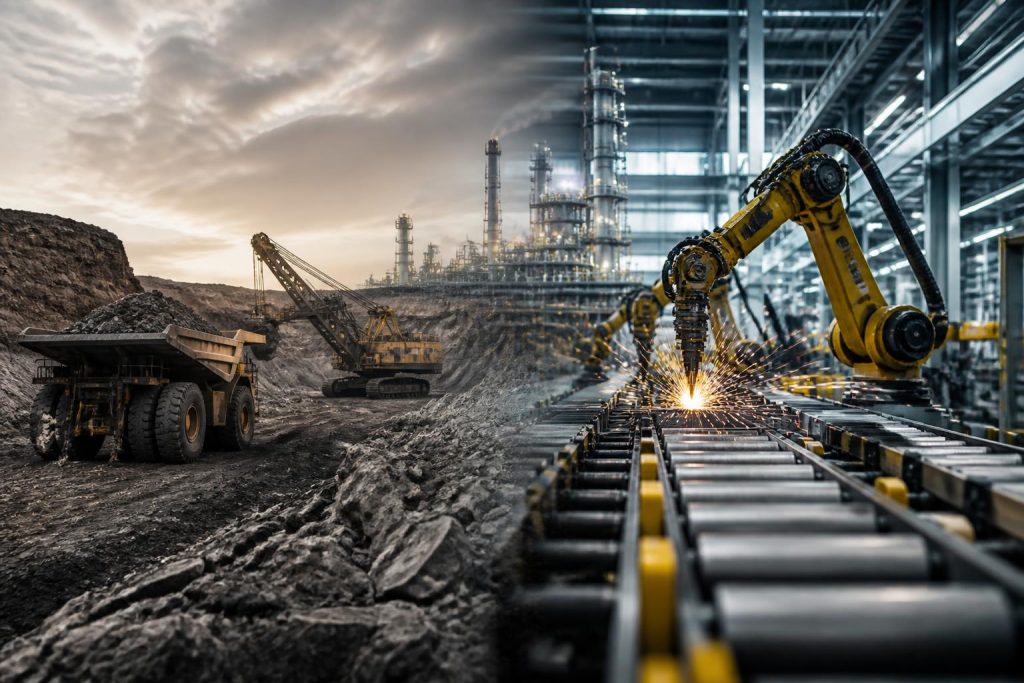
Kazakhstan’s industrial landscape is undergoing significant changes, as recent reports reveal a divergence in growth trajectories between the manufacturing and mining sectors. While the mining industry, a cornerstone of the Kazakh economy, continues to face challenges, the manufacturing sector is witnessing a robust expansion driven by increased domestic demand and foreign investment. This shift is indicative of broader economic trends in the region, where countries are increasingly focusing on diversifying their economies away from traditional resource dependence.
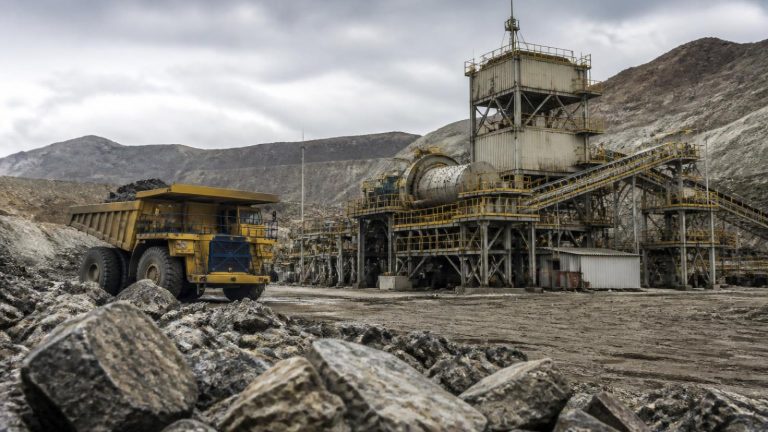
The mining sector, which has historically been a major contributor to Kazakhstan’s GDP, is grappling with fluctuating global commodity prices and regulatory hurdles. Despite these challenges, the sector remains vital, particularly in the extraction of critical minerals essential for modern technologies. However, the lack of investment in infrastructure and technology has hindered its potential growth.
In contrast, the manufacturing sector is thriving, bolstered by government initiatives aimed at fostering innovation and attracting foreign capital. This growth is evident in various industries, including machinery, food processing, and textiles, which are benefiting from improved supply chains and a skilled workforce. The government’s focus on industrialisation is expected to continue, with plans to enhance production capabilities and expand export markets.
As Kazakhstan navigates these divergent paths, the interplay between mining and manufacturing will be crucial. Policymakers are urged to create a balanced approach that supports both sectors, ensuring sustainable economic growth. The future of Kazakhstan’s industrial landscape will depend on how effectively these sectors can adapt to changing global dynamics and local demands. Stakeholders in the mining industry are particularly encouraged to innovate and invest in sustainable practices to remain competitive in an evolving market.
In conclusion, Kazakhstan’s industrial growth narrative is one of contrasts, with the mining sector needing to adapt to a rapidly changing environment while the manufacturing sector capitalises on new opportunities. This duality presents both challenges and opportunities for the nation’s economic future, highlighting the importance of strategic planning and investment in both areas.