Tag: industrial growth

  • Kazakhstan’s Industrial Growth Highlights Diverging Trends in Manufacturing and Mining Sectors

    Kazakhstan’s Industrial Growth Highlights Diverging Trends in Manufacturing and Mining Sectors

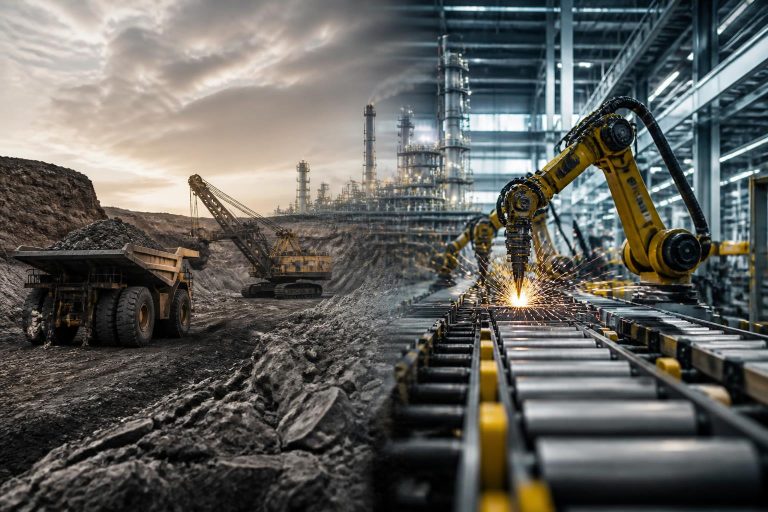
    Kazakhstan’s industrial landscape is undergoing significant changes, as recent reports reveal a divergence in growth trajectories between the manufacturing and mining sectors. While the mining industry, a cornerstone of the Kazakh economy, continues to face challenges, the manufacturing sector is witnessing a robust expansion driven by increased domestic demand and foreign investment. This shift is indicative of broader economic trends in the region, where countries are increasingly focusing on diversifying their economies away from traditional resource dependence.

    The mining sector, which has historically been a major contributor to Kazakhstan’s GDP, is grappling with fluctuating global commodity prices and regulatory hurdles. Despite these challenges, the sector remains vital, particularly in the extraction of critical minerals essential for modern technologies. However, the lack of investment in infrastructure and technology has hindered its potential growth.

    In contrast, the manufacturing sector is thriving, bolstered by government initiatives aimed at fostering innovation and attracting foreign capital. This growth is evident in various industries, including machinery, food processing, and textiles, which are benefiting from improved supply chains and a skilled workforce. The government’s focus on industrialisation is expected to continue, with plans to enhance production capabilities and expand export markets.

    As Kazakhstan navigates these divergent paths, the interplay between mining and manufacturing will be crucial. Policymakers are urged to create a balanced approach that supports both sectors, ensuring sustainable economic growth. The future of Kazakhstan’s industrial landscape will depend on how effectively these sectors can adapt to changing global dynamics and local demands. Stakeholders in the mining industry are particularly encouraged to innovate and invest in sustainable practices to remain competitive in an evolving market.

    In conclusion, Kazakhstan’s industrial growth narrative is one of contrasts, with the mining sector needing to adapt to a rapidly changing environment while the manufacturing sector capitalises on new opportunities. This duality presents both challenges and opportunities for the nation’s economic future, highlighting the importance of strategic planning and investment in both areas.


  • Tajikistan Revises Economic Forecast: Investments Up, Aluminum Down

    Tajikistan Revises Economic Forecast: Investments Up, Aluminum Down

    The government of Tajikistan has officially revised its economic development forecast for the period 2027–2029, signalling a significant shift in the nation’s growth strategy. The new medium-term scenario highlights a strategic pivot towards industrial expansion, moving away from the traditional reliance on primary commodity exports. This adjustment comes in response to changing domestic dynamics and evolving global commodity trends, as the country seeks to bolster its economic resilience.

    Key revisions in the macroeconomic framework indicate a substantial increase in expectations for inbound investments, which are now seen as a primary pillar for the revised outlook. The government has set ambitious targets for heavy manufacturing and freight transportation, reflecting a proactive approach to enhancing industrial capacity. This shift is essential as Tajikistan aims to diversify its economic base and reduce vulnerability to fluctuations in global commodity prices.

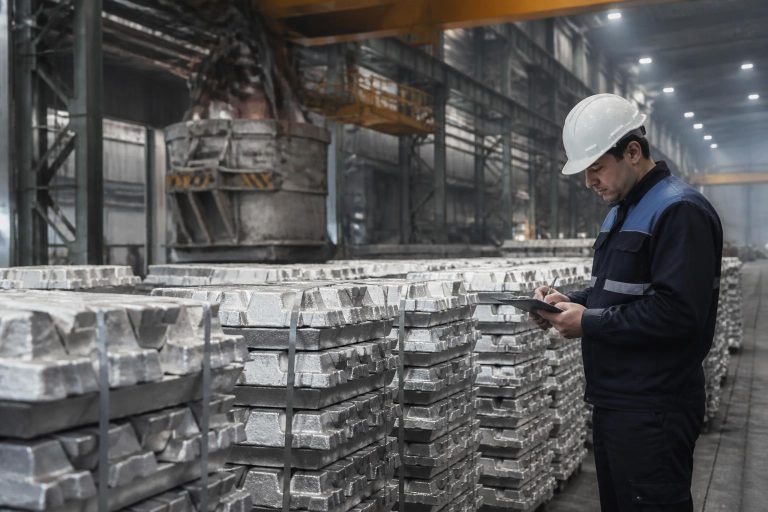
    Conversely, the forecast for aluminum production—a historically significant export for Tajikistan—has been downgraded. The government has reduced its production and revenue projections for this sector, aligning with broader regional warnings from institutions such as the Asian Development Bank and the Eurasian Fund for Stabilization and Development. Analysts have previously highlighted the cooling global prices for primary metals, including aluminum, as a potential headwind for the Tajik economy.

    Additionally, specific segments within the agricultural sector have also seen downward adjustments in forecasts, indicating challenges in this area as well. The revised economic model for 2027–2029 reflects a proactive adjustment to these cooling commodity markets, with a clear focus on enhancing industrial capacity and promoting domestic investment.

    As Tajikistan navigates this shifting economic landscape, the government’s strategic pivot towards industrialisation could play a crucial role in stabilising the economy and fostering sustainable growth. The implications of these changes for Tajikistan’s trade balance with regional partners and the exact percentage targets for GDP growth remain areas of interest for further analysis.

  • Kazakh PM Orders New Measures to Accelerate Metallurgical Sector Growth

    Kazakh PM Orders New Measures to Accelerate Metallurgical Sector Growth

    Prime Minister Olzhas Bektenov has directed Kazakhstan’s Ministry of Industry and Construction to formulate additional stimulus measures for the country’s metallurgical sector within the next month, signaling a renewed push to boost industrial output and investment. The directive was announced during a government meeting reviewing Kazakhstan’s socio-economic performance in the first half of 2026. Bektenov tasked the ministry, alongside state mining company Tau-Ken Samruk, with ensuring full utilization of non-ferrous metallurgical enterprises, including by supplying imported gold for domestic refining. In the ferrous metallurgy segment, the Prime Minister highlighted the need for Qarmet, under its modernization program, to expand its product range to include items most in demand in both domestic and international markets. Bektenov stressed that the pace of growth in the manufacturing sector depends on the timely implementation of investment projects. He instructed the ministry and regional administrations to review all investment projects within one week to identify challenges and outline specific remedial measures. Additionally, the Prime Minister ordered the submission of draft amendments within one month to introduce new mechanisms aimed at improving the efficiency of Kazakhstan’s special economic zones. Bektenov also emphasized the importance of maintaining current construction activity levels, calling for continuous monitoring of housing commissioning and swift resolution of emerging issues. He recalled President Kassym-Jomart Tokayev’s directive to begin a large-scale program for building social and infrastructure facilities, with a particular focus on modern healthcare institutions. The announcement follows earlier reports that Kazakhstan plans to launch eight non-ferrous metallurgy projects in 2026, expected to create over 1,500 jobs, underscoring the government’s commitment to expanding the mining and metals sector as a key driver of economic growth.

  • Kazakhstan Reviews 2025 Industrial Performance and Sets Ambitious Digital and Infrastructure Targets for 2026

    Kazakhstan Reviews 2025 Industrial Performance and Sets Ambitious Digital and Infrastructure Targets for 2026

    Kazakhstan’s Ministry of Industry and Construction has reviewed its 2025 performance and outlined strategic priorities for the coming years during a Board meeting chaired by First Deputy Prime Minister Roman Sklyar.

    Opening the session, Industry and Construction Minister Yersayin Nagaspayev said the sector had entered a new phase of development, supported by rising industrial output, record housing completions, major investment projects, and reforms in subsoil use.

    Manufacturing output grew by 6.4% in 2025, driven by gains in metallurgy, mechanical engineering, chemicals, construction materials, and rubber and plastics production. A total of 190 projects worth approximately 1.5 trillion tenge were commissioned, creating more than 22,000 permanent jobs. Three new special economic zones were established, and 13 major investment agreements were signed.

    The construction sector also delivered record results, with 20.1 million square metres of housing commissioned, exceeding the planned target. A new Construction Code was adopted to support long-term sector stability.

    In subsoil use, the updated Subsoil Code introduced legislative and institutional reforms to strengthen the country’s mineral resource base. Seventeen new deposits were registered, and detailed geological mapping at a 1:50,000 scale will cover 100,000 square kilometres this year.

    Digital transformation featured prominently in the review. The Unified Subsoil Use Platform now provides 22 online public services and has issued more than 700 licences. Approximately 4.6 million geological reports have been digitised. AI-based construction monitoring and a digital project management system for energy and utilities modernisation were also launched.

    Looking ahead to 2026–2027, the ministry plans large-scale digital reforms in construction, mandatory digital twins for industrial enterprises from 2027, expanded smart utility metering, and broader use of Big Data and AI in geological exploration. Around 200 industrial projects worth 1.7 trillion tenge are scheduled for launch in 2026, with nearly 19,400 new jobs expected.

    Concluding the meeting, Sklyar stressed the Ministry’s heightened accountability under Kazakhstan’s evolving constitutional framework and instructed officials to accelerate investment planning, expand geological exploration to 2.2 million square kilometres, strengthen rare earth and rare metal strategies, and advance nationwide digitalisation initiatives.

  • Kazakhstan Reports Steady Growth in Manufacturing Sector Over 11 Months

    Kazakhstan Reports Steady Growth in Manufacturing Sector Over 11 Months

    Kazakhstan’s manufacturing industry has shown sustained growth over the first 11 months of the year, with output rising by a combined 5.9%, Vice Minister of Industry and Construction Olzhas Saparbekov said at a government meeting on December 17 2025, according to Zakon.kz.

    Saparbekov noted that positive dynamics were recorded across key manufacturing segments, including metallurgy, mechanical engineering, the chemical industry, construction materials, and light industry. In metallurgy, production volumes increased by 1.1%, supported by higher output of gold, copper, steel, and pig iron.

    The vice minister said the overall improvement is largely the result of measures aimed at increasing utilization of domestic production capacities and strengthening raw material supplies for processing enterprises.

    Mechanical engineering posted particularly strong growth, with output up 11.6%. The increase was driven by higher production of transport vehicles, agricultural and railway machinery, as well as various types of equipment and household appliances.

    Earlier, Deputy Prime Minister and Minister of National Economy Serik Zhumangarin reported that Kazakhstan’s economy expanded by 6.4% in January–November. Growth in the real sector reached 8.3%, outpacing the services sector, which grew by 5.3% over the same period.

  • Kazakhstan Leads Central Asia in Industrial Output

    Kazakhstan Leads Central Asia in Industrial Output

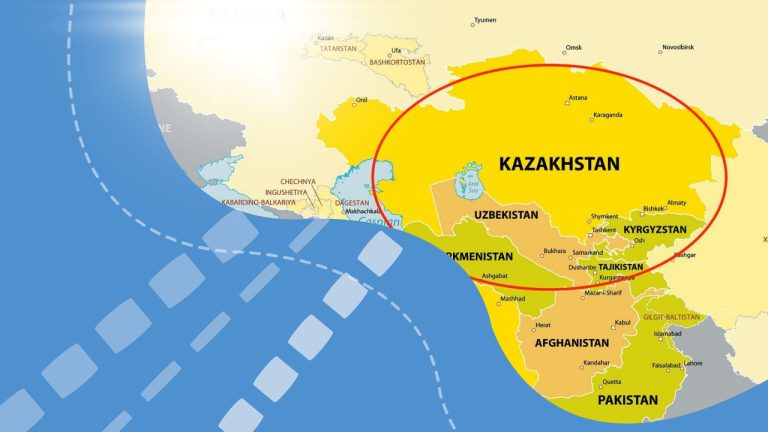
    In 2024, Kazakhstan emerged as the industrial leader of Central Asia, with total industrial output reaching $106.8 billion, according to the Ministry of Industry. This figure surpasses Uzbekistan’s output by 1.5 times, Kyrgyzstan’s by 16 times, and Turkmenistan’s by nearly 22 times.

    Kazakhstan ranked second in the region for processing volume at $52.2 billion, trailing only Uzbekistan. The country also placed second in the CIS, following Russia, which recorded $1.3 trillion in industrial output, including $896.5 billion from manufacturing. Other notable CIS figures include:

    • Uzbekistan: $68.3B (processing: $58B)

    • Belarus: $62.4B (processing: $56B)

    • Azerbaijan: $37.7B (processing: $11.2B)

    • Armenia: $7.6B (processing: $5.5B)

    • Moldova: $7.6B (processing: $4.6B)

    • Kyrgyzstan: $6.7B (processing: $5.2B)

    • Tajikistan: $4.9B

    • Turkmenistan: $0.5B (processing only)

    In 2024, Kazakhstan launched 180 industrial projects worth 1.3 trillion tenge, generating 14,400 permanent jobs. Key highlights include:

    • KamLitKZ Foundry (Kostanay): 45K tons of cast iron parts annually, 500 jobs

    • Boguty Tungsten Mining (Almaty): 3.3M tons of ore/year, 10K tons of concentrate, 350 jobs

    • Kyzyl Aray Copper: 30K tons of cathode copper/year, 780 jobs

    • Ulytau Gold: Producing 1.78 tons of gold and 1.98 tons of silver/year, 300 jobs

    • KZTA Valve Factory: 45K units/year, 200 jobs

    • TechnoNICOL Insulation Plant (Almaty): 1.4M m³ of stone wool/year, 220 jobs

    In 2025, 190 projects valued at 1.5 trillion tenge are expected to create 20,000 new jobs. Notable plans include:

    • Astana Motors Auto Plant (Almaty): $182B tenge, 2.2K jobs, capacity: 90K vehicles/year

    • KIA Plant (Kostanay): $90B tenge, 1.5K jobs, 70K vehicles/year

    • Liman Field Development (Aktobe): $241.4B tenge, 460 jobs, 1.2M tons of ore/year

    • Ekibastuz FerroAlloys Plant (Pavlodar): $92.4B tenge, 800 jobs, 240K tons of ferrosilicon/year

    • PZTM Rail Welding Plant (Aktobe): $21.4B tenge, 297 jobs, 825 km of rails and 290K sleepers/year

    • TEMPO Kazakhstan Steel Pipe Plant (Karaganda): $15B tenge, 400 jobs, 250K tons/year

    • QazAlPack Aluminum Packaging Modernization (Shymkent): $21.7B tenge, 112 jobs, 1.15B cans/year

    • Silumin of Qazaqstan Radiator Plant (Karaganda): $18.6B tenge, 183 jobs, 3.7M units/year

    President Kassym-Jomart Tokayev continues to emphasize the strategic importance of manufacturing, which experts say reflects a structural transformation of the economy, rising value-added production, and increased investment appeal.

    Meanwhile, S&P Global Ratings reaffirmed Kazakhstan’s sovereign credit rating at ‘BBB-/A-3’ with a stable outlook, citing strong fiscal and external buffers as key factors supporting resilience to external shocks.

  • President Tokayev Reviews Industrial Progress and Sets New Goals for Kazakhstan’s Development

    President Tokayev Reviews Industrial Progress and Sets New Goals for Kazakhstan’s Development

    President Kassym-Jomart Tokayev met with Minister of Industry and Construction Yersain Nagaspayev on April 2, 2025, to discuss the ministry’s achievements in 2024 and outline key priorities for the coming period.

    Minister Nagaspayev reported significant growth in industrial investments and exports of processed goods last year, with plans to further boost production volumes in 2025. He also highlighted progress in geology and digitalization, including the launch of a Unified Subsoil Use Platform, digitized urban planning projects, and plans to introduce a single utility bill system even in rural areas. Additionally, the ministry is developing an AI-powered geological database to enhance resource exploration.

    Following the report, President Tokayev assigned several urgent tasks. These include increasing high-value industrial output, creating a national registry of domestic manufacturers, and improving investor engagement. The President also stressed the importance of meeting housing construction targets, expanding water supply coverage, and further digitizing construction and utility services.

    Furthermore, the ministry must ensure the timely commissioning of industrial facilities and implement subsoil use reforms efficiently. Tokayev emphasized strict oversight in supporting local manufacturers to strengthen Kazakhstan’s economic resilience.

  • Kazakhstan’s Mining Sector Boosts Local Industry with 70 Contracts Worth 39.6 Billion Tenge

    Kazakhstan’s Mining Sector Boosts Local Industry with 70 Contracts Worth 39.6 Billion Tenge

    From 2020 to 2024, mining companies in Kazakhstan have signed 70 contracts worth a total of 39.6 billion tenge to purchase products from domestic manufacturers, according to the country’s Ministry of Industry and Construction. This initiative is part of a broader effort to strengthen ties between the mining sector and local industries, including machine-building, metallurgical, metalworking, and chemical enterprises.

    Over the past five years, the ministry has facilitated the signing of 353 long-term agreements valued at 226.1 billion tenge between mining companies and local suppliers. These contracts cover a wide range of products, such as pumping equipment, valves, transformers, conveyor systems, automation tools, metal structures, wheels, rubber-metal linings, lime, reagents, and spare parts.

    Additionally, light industry enterprises have been supplying specialized clothing, footwear, and personal protective equipment (PPE) to mining operations. The majority of these offtake contractsare concentrated in the East Kazakhstan, Karaganda, Pavlodar, and Aktobe regions. The East Kazakhstan region leads in the number of agreements, largely due to the presence of two major mining companies, KAZ Minerals and Kazzinc.

  • Kazakhstan Sees Significant Growth in Coal Production and Industry Revenue in January

    Kazakhstan Sees Significant Growth in Coal Production and Industry Revenue in January

    Kazakhstan’s mining sector experienced a notable surge in January, with mineral extraction reaching 10.08 million tons, marking a 12.9% increase compared to the same period last year. According to the Bureau of National Statistics of Kazakhstan, coal production accounted for 9.7 million tons, reflecting a 14.7% year-on-year growth, while lignite extraction declined to 380,700 tons, an 18.8% dropfrom January 2023.

    The production of coal concentrate also showed positive trends, with 292,700 tons processed in the country’s enrichment plants during the first month of the year, a 4.7% increase compared to the previous year. In monetary terms, the industry’s output rose to 52.29 billion tenge, representing a 16.7% growth from 2023. This growth has significantly contributed to Kazakhstan’s industrial production index, which stood at 101.3% compared to January 2023.

    During a February meeting of the Ministry of Industry and Construction, industry stakeholders reviewed last year’s performance, outlined plans for 2025, and discussed preparations for the heating season. The domestic market currently requires 7.9 million tons of solid fuel, with 7.53 million tons already supplied. Additionally, coal reserves at storage facilities have increased to 476,000 tons.

    It is worth noting that industry players have previously expressed opposition to transitioning under the management of the Ministry of Energy.

  • Moldova’s Industrial Production Records 0.9% Growth in 2024

    Moldova’s Industrial Production Records 0.9% Growth in 2024

    Moldova’s industrial production increased by 0.9% year-on-year during the first nine months of 2024, driven by a strong performance in the mining sector, which surged by 9.9%, according to the National Bureau of Statistics (BNS). The report, based on seasonally adjusted data, highlighted a consistent trend with unadjusted figures also showing a 0.9% growth over the same period.

    However, the monthly figures for September revealed a decline, with industrial output falling by 3.3% year-on-yearbased on unadjusted data, and by 2% in seasonally adjusted terms. The BNS did not provide a month-on-month comparison for September.