Tag: manufacturing

  • Kazakhstan’s Industrial Growth Highlights Diverging Trends in Manufacturing and Mining Sectors

    Kazakhstan’s Industrial Growth Highlights Diverging Trends in Manufacturing and Mining Sectors

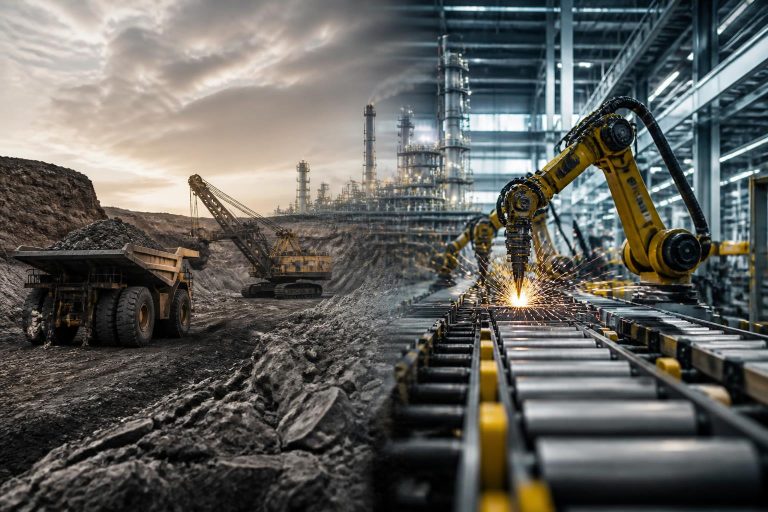
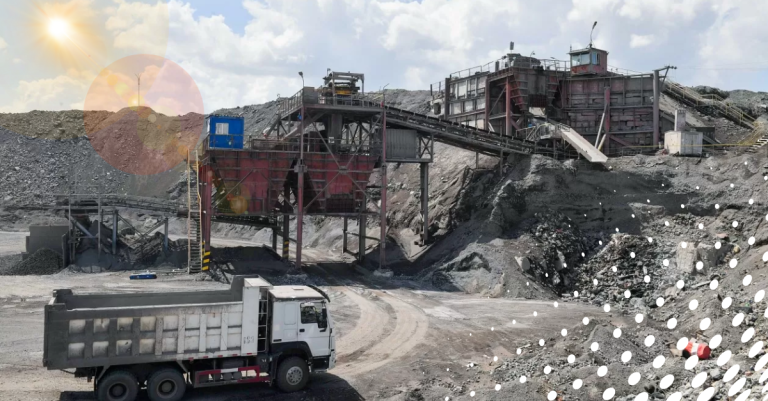
    Kazakhstan’s industrial landscape is undergoing significant changes, as recent reports reveal a divergence in growth trajectories between the manufacturing and mining sectors. While the mining industry, a cornerstone of the Kazakh economy, continues to face challenges, the manufacturing sector is witnessing a robust expansion driven by increased domestic demand and foreign investment. This shift is indicative of broader economic trends in the region, where countries are increasingly focusing on diversifying their economies away from traditional resource dependence.

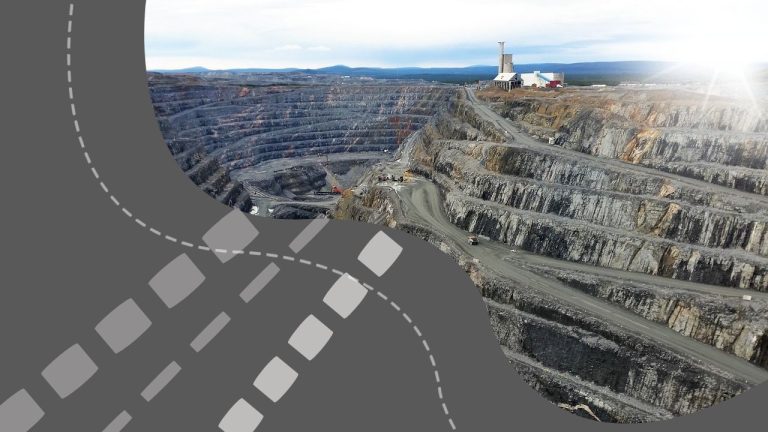
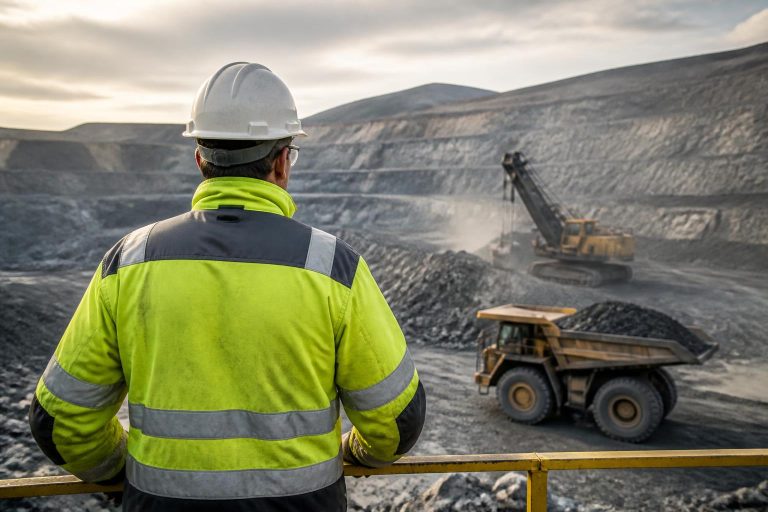
    The mining sector, which has historically been a major contributor to Kazakhstan’s GDP, is grappling with fluctuating global commodity prices and regulatory hurdles. Despite these challenges, the sector remains vital, particularly in the extraction of critical minerals essential for modern technologies. However, the lack of investment in infrastructure and technology has hindered its potential growth.

    In contrast, the manufacturing sector is thriving, bolstered by government initiatives aimed at fostering innovation and attracting foreign capital. This growth is evident in various industries, including machinery, food processing, and textiles, which are benefiting from improved supply chains and a skilled workforce. The government’s focus on industrialisation is expected to continue, with plans to enhance production capabilities and expand export markets.

    As Kazakhstan navigates these divergent paths, the interplay between mining and manufacturing will be crucial. Policymakers are urged to create a balanced approach that supports both sectors, ensuring sustainable economic growth. The future of Kazakhstan’s industrial landscape will depend on how effectively these sectors can adapt to changing global dynamics and local demands. Stakeholders in the mining industry are particularly encouraged to innovate and invest in sustainable practices to remain competitive in an evolving market.

    In conclusion, Kazakhstan’s industrial growth narrative is one of contrasts, with the mining sector needing to adapt to a rapidly changing environment while the manufacturing sector capitalises on new opportunities. This duality presents both challenges and opportunities for the nation’s economic future, highlighting the importance of strategic planning and investment in both areas.


  • Europe Warned of New “China Shock” as Industrial Dependence Deepens

    Europe Warned of New “China Shock” as Industrial Dependence Deepens

    Europe is facing growing concerns over a new “China shock” that analysts warn could accelerate deindustrialisation across the continent, threaten local manufacturing, and deepen dependence on Chinese imports.

    Trade experts and industry representatives say the combination of heavily subsidised Chinese production, low-cost exports, and currency imbalances is placing severe pressure on European factories and supply chains. The concerns echo the original “China shock” experienced in the United States after China joined the World Trade Organization, a period linked to the loss of millions of industrial jobs due to rising imports.

    Jens Eskelund, president of the European Chamber of Commerce in Beijing, warned that the issue extends far beyond finished goods such as electric vehicles. According to Eskelund, Europe is becoming increasingly dependent on Chinese-made industrial components embedded throughout the continent’s manufacturing sector.

    The growing reliance on Chinese suppliers has prompted fresh discussions within the European Union over industrial resilience and supply chain security. European commissioners are expected to hold urgent talks later this month on possible measures to reduce strategic dependence, including proposals requiring companies to source critical components from multiple suppliers.

    Industry groups argue that Chinese state subsidies and exchange rate distortions are allowing Chinese products to undercut European competitors. German economist Jürgen Matthes suggested that the yuan may be significantly undervalued against the euro, making Chinese imports dramatically cheaper for European buyers.

    Oliver Richtberg, head of foreign trade at the European machinery and equipment manufacturing association VDMA, said European companies are increasingly choosing Chinese suppliers because they offer products at lower prices while approaching European quality standards. He warned that the trend is already damaging Europe’s industrial base and contributing to substantial job losses.

    Recent data cited by trade analysts highlights Europe’s growing dependence on Chinese chemical and industrial products. In sectors such as amino acids and polyhydric alcohols, Chinese imports account for the overwhelming majority of EU supply volumes, raising concerns that domestic production may eventually become economically unviable.

    Trade figures also show China’s surplus with the European Union continuing to expand. Analysts argue that tariffs imposed by the EU on Chinese electric vehicles in 2024 have been largely offset by exchange rate shifts and continued Chinese export growth.

    Germany has been particularly affected, with estimates suggesting that around 250,000 industrial jobs have disappeared since 2019. The automotive sector has experienced some of the sharpest declines, while China recently overtook the United States as Germany’s largest trading partner.

    Andrew Small, director of the Asia programme at the European Council on Foreign Relations, said existing EU measures are insufficient to address the scale of imports and industrial pressure facing Europe. He noted that while Brussels is preparing legislation such as the Industrial Accelerator Act and updates to cybersecurity rules aimed at limiting strategic dependence, most of the measures are unlikely to take effect before 2027.

    Analysts say the EU now faces mounting pressure to introduce faster support mechanisms for European industry while balancing concerns over trade retaliation from Beijing. Environmental, industrial, and geopolitical debates surrounding Europe’s economic relationship with China are expected to intensify in the coming months.

  • Heavy Industry Issues “Code Red” for Europe: Urgent Call to Halt 2026 Carbon Cost Hikes

    Heavy Industry Issues “Code Red” for Europe: Urgent Call to Halt 2026 Carbon Cost Hikes

    BRUSSELS – In a major intervention aimed at the highest levels of EU governance, Euromines and a coalition of Europe’s energy-intensive industries (EIIs) have issued a stark warning: without immediate policy intervention, the continent faces “irreversible deindustrialisation.”

    The joint statement, released on 2 February 2026, comes at a critical juncture for European manufacturing. Highlighting a “deteriorating fast” situation, the industry group revealed that production levels in some sectors plummeted by as much as 40% in 2025.


    Key Alarms: A Sector in Retreat

    The coalition, representing a turnover of €1.5 trillion and 6.6 million employees, argues that the backbone of Europe’s strategic autonomy—including steel, cement, chemicals, and mining—is crumbling under three main pressures:

    • Sky-High Energy: Costs remain twice as high as pre-crisis levels.

    • Crushing Carbon Prices: CO2 prices are now roughly four times higher than in 2020, far outpacing international competitors.

    • Global Trade Headwinds: Unfair trade practices, exacerbated by aggressive US tariffs and state-induced global overcapacities, have left European firms unable to compete.

    “In 2025 alone, an estimated 200,000 jobs were lost in these sectors. This is a critical situation at a time when self-sufficiency is becoming increasingly important,” the statement warns.


    The “Four Pillars” of Survival

    As EU leaders prepare for an informal summit on competitiveness on 12 February, the industry is demanding a “Clean Industrial Deal” with four immediate priorities:

    1. Freeze Carbon Cost Hikes: A total pause on any planned increases in carbon costs for 2026. The group warns that upcoming reductions in “free allocations” could slash support by up to 34%, a move they label “detrimental.”

    2. Target €50/MWh Energy: Aligning with the landmark Draghi Report, industries are calling for all levers to be pulled to bring industrial electricity costs down to €50/MWh to make electrification viable.

    3. Aggressive Trade Defense: Rapid deployment of Trade Defence Instruments (TDIs) to counter “economic coercion” and non-EU imports produced under lower environmental standards.

    4. “Proudly Made in Europe” Demand: New rules in public procurement to prioritise European-made products, ensuring that the EU’s high environmental and social standards are reflected in market demand.


    Looking Ahead

    The timing of this statement is no coincidence. It serves as a direct “input” for the 12 February retreat at Alden Biesen Castle, where European Council President António Costa has invited former Italian PMs Mario Draghi and Enrico Letta to discuss a radical overhaul of the Single Market.

    With carbon prices projected by some analysts to reach €100/t in early 2026, the industry’s message is clear: Europe cannot afford to pay for tomorrow’s climate goals by bankrupting today’s industrial base.

  • Kazakhstan’s jewellery industry posts strong growth backed by state support

    Kazakhstan’s jewellery industry posts strong growth backed by state support

    Kazakhstan’s jewellery industry is expanding rapidly, supported by a package of state measures aimed at strengthening domestic production and reducing costs for manufacturers.

    According to official data, jewellery production in the country increased by 41.3% year on year in the first ten months of 2025, reaching $4.1 million. Imports rose by 39.6% to $174.7 million, while exports jumped 7.3 times to $54.5 million. Domestic consumption also grew, up 3.2% to $124.3 million.

    Growth in the sector is closely linked to long-standing government support mechanisms. Since 2016, jewellery manufacturers have been entitled to annual quotas allowing them to purchase up to 300 kg of gold. Refined gold is sold primarily to the National Bank of Kazakhstan, which acquired about 74 tonnes in 2025. The same mechanism is applied through sales of granulated refined gold by Tau-Ken Altyn.

    Additional support was introduced in January 2023 with the abolition of VAT on the purchase of quota gold by jewellery producers operating in Kazakhstan. In 2025, manufacturers purchased 38 kg of gold under this exemption, compared with 34.3 kg a year earlier.

    The sector has also benefited from the inclusion of jewellery manufacturing in the list of priority activities within the Astana Special Economic Zone, as well as the removal of mandatory assay hallmarking for domestically produced silver jewellery.

    In total, Kazakhstan has 4,542 registered participants in the jewellery trade, including 445 manufacturers. The industry operates under the national law regulating precious metals and gemstones.

  • European Commission seeks industry backing for ‘Made in Europe’ push ahead of Industrial Accelerator Act

    European Commission seeks industry backing for ‘Made in Europe’ push ahead of Industrial Accelerator Act

    The European Commission is urging business leaders to support and sign a French-led initiative aimed at increasing the share of industrial production based in Europe, as the EU prepares to unveil its Industrial Accelerator Act (IAA).

    According to a letter seen by Euronews, the Commission is calling on representatives from energy-intensive sectors such as steel and aluminium to back a stronger “Made in Europe” component in forthcoming legislation. The move is intended to revive Europe’s struggling industrial base amid mounting competition from China and the United States.

    The appeal comes days before the planned presentation of the Industrial Accelerator Act, which seeks to accelerate the decarbonisation of heavy industry while preserving the competitiveness of European production. The initiative builds on earlier EU legislation adopted in 2024 that prioritised domestic clean-technology manufacturing as part of the bloc’s goal to achieve climate neutrality by 2050.

    In the letter, European Commission Executive Vice-President Stéphane Séjourné warned that Europe faces a stark choice as global trade becomes increasingly shaped by tariffs, subsidies and export restrictions. Without an ambitious and pragmatic industrial policy, he argued, the EU risks a gradual erosion of its industrial capacity, technological know-how and economic sovereignty.

    Supporters say the IAA could significantly strengthen European competitiveness at a time when traditional sectors such as cement and steel, as well as emerging net-zero technologies, are grappling with weak demand and aggressive international competition. However, critics caution that the proposal could undermine competition within the EU’s single market, particularly disadvantaging member states with less developed industrial frameworks compared with countries like France and Germany.

    Several member states, including Czechia, Estonia, Finland, Ireland, Latvia, Malta, Portugal, Sweden and Slovakia, warned in December that the planned law could distort competition and affect prices, quality and business conditions across the bloc.

    Key elements of the proposal, including quotas for European-made products, financing mechanisms and state-aid rules, remain under discussion. EU officials have floated potential targets requiring 60% to 80% of certain products to be produced in Europe, with provisions to count output from non-European firms operating within the EU as “Made in Europe”.

    The Commission is also exploring ways to align supply and demand by creating so-called “lead markets” for low-carbon industrial products such as green steel and hydrogen, supported by demand-side measures. In parallel, state-aid rules may be loosened, potentially allowing member states to fund decarbonisation projects without prior notification to the Commission.

    European industry leaders have reacted positively, citing a record €350 billion trade deficit with China in 2025. In a separate letter, business representatives described the IAA as an act of economic independence, echoing warnings from former European Central Bank president Mario Draghi that Europe risks long-term decline if it fails to close the gap with global competitors.

    The Industrial Accelerator Act, initially delayed in December, is currently scheduled for presentation on 29 January, although further postponements remain possible.

  • Uzbekistan’s Akfa Group Launches Construction of $600 Million Manufacturing Complex in the United States

    Uzbekistan’s Akfa Group Launches Construction of $600 Million Manufacturing Complex in the United States

    Uzbekistan’s Akfa Group has begun construction of a major manufacturing facility in Kentucky, marking one of the largest US industrial investments by a Central Asian company to date. Founder and former Tashkent mayor Jakhongir Artikkhodjayev said the project, developed jointly with a Turkish partner, will produce aluminum goods, automotive components, and parts for solar panels and window systems.

    Artikkhodjayev confirmed that $105 million will be invested during the first year of construction, with total project funding expected to reach $600 million. The Kentucky complex is intended to strengthen Akfa’s industrial footprint abroad while supporting US demand for specialized aluminum and renewable energy components.

    The businessman, who leads a diversified portfolio including Artel Electronics, Akfa Aluminium, Akfa Logistics and other companies, has been expanding domestic and international projects since leaving his post as Tashkent mayor in 2023. In Uzbekistan, he recently announced plans to launch six new hotels and develop a large medical clinic in partnership with a US healthcare provider.

  • EU Sets Up “Special Channel” with China to Secure Rare Earth Supply

    EU Sets Up “Special Channel” with China to Secure Rare Earth Supply

    The European Union has established a special communication channel with Chinese authorities to ensure the continuous flow of rare earth materials essential for European industries, EU Trade Commissioner Maros Sefcovic said on Wednesday.

    The move comes after China imposed export controls on rare earths earlier this year, triggering alarm in Europe over possible disruptions to the supply of critical materials used in electric vehicles, wind turbines, and permanent magnets — key components for clean energy and high-tech manufacturing.

    Speaking at the 2025 GCC–EU Business Forum in Kuwait, Sefcovic told Reuters that he had held multiple discussions with Chinese Commerce Minister Wang Wentao, emphasizing that bureaucratic delays in export procedures could have a “very negative impact on production and manufacturing in the EU.”


    Fast-Track Cooperation Mechanism

    Brussels and Beijing have agreed to prioritize export permit applications from European companies. Through the newly established channel, EU and Chinese officials are jointly reviewing and fast-tracking export approvals for rare earth shipments.

    According to Sefcovic, European companies have submitted about 2,000 applications since the controls were introduced, with just over half already approved. He said the EU was urging China to accelerate the remaining cases while pursuing broader supply chain diversification.

    “We continue to press for faster processing,” Sefcovic said, adding that Europe is simultaneously developing alternative rare earth sources, including new mining and magnet production projects in Estonia.


    Wider Context

    The announcement follows months of tension between Europe and Beijing after China’s export restrictions on rare earths and related technologies. Although subsequent deals with the EU and the United States helped ease the immediate supply squeeze, both regions have intensified efforts to reduce dependence on Chinese critical materials.

    On Tuesday, the European Commission confirmed that EU and Chinese officials discussed introducing general export licenses to simplify rare earth shipments — similar to arrangements reportedly secured by the United States.

  • Kazakhstan Leads Central Asia in Industrial Output

    Kazakhstan Leads Central Asia in Industrial Output

    In 2024, Kazakhstan emerged as the industrial leader of Central Asia, with total industrial output reaching $106.8 billion, according to the Ministry of Industry. This figure surpasses Uzbekistan’s output by 1.5 times, Kyrgyzstan’s by 16 times, and Turkmenistan’s by nearly 22 times.

    Kazakhstan ranked second in the region for processing volume at $52.2 billion, trailing only Uzbekistan. The country also placed second in the CIS, following Russia, which recorded $1.3 trillion in industrial output, including $896.5 billion from manufacturing. Other notable CIS figures include:

    • Uzbekistan: $68.3B (processing: $58B)

    • Belarus: $62.4B (processing: $56B)

    • Azerbaijan: $37.7B (processing: $11.2B)

    • Armenia: $7.6B (processing: $5.5B)

    • Moldova: $7.6B (processing: $4.6B)

    • Kyrgyzstan: $6.7B (processing: $5.2B)

    • Tajikistan: $4.9B

    • Turkmenistan: $0.5B (processing only)

    In 2024, Kazakhstan launched 180 industrial projects worth 1.3 trillion tenge, generating 14,400 permanent jobs. Key highlights include:

    • KamLitKZ Foundry (Kostanay): 45K tons of cast iron parts annually, 500 jobs

    • Boguty Tungsten Mining (Almaty): 3.3M tons of ore/year, 10K tons of concentrate, 350 jobs

    • Kyzyl Aray Copper: 30K tons of cathode copper/year, 780 jobs

    • Ulytau Gold: Producing 1.78 tons of gold and 1.98 tons of silver/year, 300 jobs

    • KZTA Valve Factory: 45K units/year, 200 jobs

    • TechnoNICOL Insulation Plant (Almaty): 1.4M m³ of stone wool/year, 220 jobs

    In 2025, 190 projects valued at 1.5 trillion tenge are expected to create 20,000 new jobs. Notable plans include:

    • Astana Motors Auto Plant (Almaty): $182B tenge, 2.2K jobs, capacity: 90K vehicles/year

    • KIA Plant (Kostanay): $90B tenge, 1.5K jobs, 70K vehicles/year

    • Liman Field Development (Aktobe): $241.4B tenge, 460 jobs, 1.2M tons of ore/year

    • Ekibastuz FerroAlloys Plant (Pavlodar): $92.4B tenge, 800 jobs, 240K tons of ferrosilicon/year

    • PZTM Rail Welding Plant (Aktobe): $21.4B tenge, 297 jobs, 825 km of rails and 290K sleepers/year

    • TEMPO Kazakhstan Steel Pipe Plant (Karaganda): $15B tenge, 400 jobs, 250K tons/year

    • QazAlPack Aluminum Packaging Modernization (Shymkent): $21.7B tenge, 112 jobs, 1.15B cans/year

    • Silumin of Qazaqstan Radiator Plant (Karaganda): $18.6B tenge, 183 jobs, 3.7M units/year

    President Kassym-Jomart Tokayev continues to emphasize the strategic importance of manufacturing, which experts say reflects a structural transformation of the economy, rising value-added production, and increased investment appeal.

    Meanwhile, S&P Global Ratings reaffirmed Kazakhstan’s sovereign credit rating at ‘BBB-/A-3’ with a stable outlook, citing strong fiscal and external buffers as key factors supporting resilience to external shocks.

  • Bulgaria’s Industrial Sectors Need Comprehensive Strategy to Overcome Challenges

    Bulgaria’s Industrial Sectors Need Comprehensive Strategy to Overcome Challenges

    Bulgaria’s manufacturing and mining sectors are currently facing serious challenges due to global economic shifts and rising competition. High energy consumption and largely outdated equipment make these sectors particularly vulnerable. A comprehensive National Industrial Strategy is necessary, aligning with European Union priorities such as the European Green Deal and the Net-Zero Industry Act, to increase sustainability, competitiveness, and innovation.

    According to Petar Murginski, the manufacturing and mining sectors are vital to Bulgaria’s economy, significantly contributing to industrial production and employment. However, high energy consumption, outdated equipment, and a heavy reliance on fossil fuels pose significant challenges. The 2023 European Semester Country Report for Bulgaria shows that 63% of the country’s energy mix comes from fossil fuels, while renewables only account for 15%. Additionally, Bulgaria has one of the lowest circular economy rates in Europe, with only 4.8% material reuse compared to an EU average of 11.5%, according to the 2022 Eurostat Circular Economy Report.

    Despite these challenges, Bulgaria holds significant potential in critical raw materials and green technology adoption. The country’s strategic position in the European supply chain is underutilized, and there are substantial regional disparities in productivity and infrastructure. The Sofia Capital region alone generates 41% of the national GDP, according to 2022 National Statistical Institute GDP Data. To address these issues, a comprehensive National Industrial Strategy focusing on reducing carbon emissions, enhancing energy efficiency, and promoting the circular economy is essential.

    The strategy’s primary objective should be to facilitate Bulgaria’s transition towards greener, more innovative, and technologically advanced industries. It aims to increase competitiveness by promoting resource efficiency, digitization, and circular economy practices. Aligning Bulgaria’s industrial growth with EU policies, such as the Critical Raw Materials Act, and setting clear policy objectives to empower the Bulgarian Ministry of Economy and Industry are crucial for implementing reforms that enhance productivity, attract investment, and secure strategic autonomy.

    Key Findings reveal that both the mining and manufacturing sectors face significant technological gaps and supply chain vulnerabilities. High energy consumption per unit of production and outdated equipment make these industries particularly vulnerable. Modernizing equipment and processes is essential to increase efficiency and reduce carbon emissions. Investment in new technologies and infrastructure is crucial for overcoming these challenges. Supply chain disruptions, especially of critical raw materials, also present significant risks to industrial stability.

    Despite these challenges, there is considerable potential for green technology adoption. Bulgaria’s strategic position and rich mineral resources offer opportunities for sustainable development. Enabling zero-emission technologies and promoting the circular economy are critical. Investing in renewable energy sources and improving energy storage solutions can significantly enhance the sustainability of these sectors.

    The strategy recommends several measures for modernization and sustainability, including modernizing existing infrastructure, adopting new technologies to improve energy efficiency, and reducing emissions. Implementing circular economy practices, encouraging innovation through investment in research and development, and supporting companies in the green technology sector are vital for sustainable growth.

    Policy recommendations include providing incentives for the adoption of zero-emission technologies, supporting projects that contribute to carbon neutrality, encouraging the circular use of critical raw materials, and supporting recycling initiatives. Developing industrial parks as hubs for innovation and sustainable growth is also emphasized, with a focus on upgrading infrastructure, creating favorable conditions for attracting strategic investors, and addressing regional disparities.

    The strategy outlines a clear roadmap for implementation, including engaging with key stakeholders, establishing a monitoring and evaluation framework, and maintaining flexibility to adapt based on ongoing feedback and changing conditions.

    Expected outcomes include enhanced competitiveness, sustainable growth, increased adoption of sustainable practices, and reduced regional disparities. Linking the strategy to EU funding opportunities, such as the Critical Raw Materials Act, Innovation Fund, and LIFE Programme, is crucial for its successful implementation and achieving sustainable growth.