Esil-Mining, a subsidiary of the British company Resources Enterprise Limited, is set to begin tungsten extraction at the Aksoран deposit in the North Kazakhstan region in 2028. This information is detailed in an environmental impact report associated with the revised mining plan, which was reviewed by the Qazba.kz portal.
According to the project documentation, preparatory and capital mining works are scheduled for 2027, with industrial ore extraction commencing the following year. By this time, a processing plant is also expected to be operational.
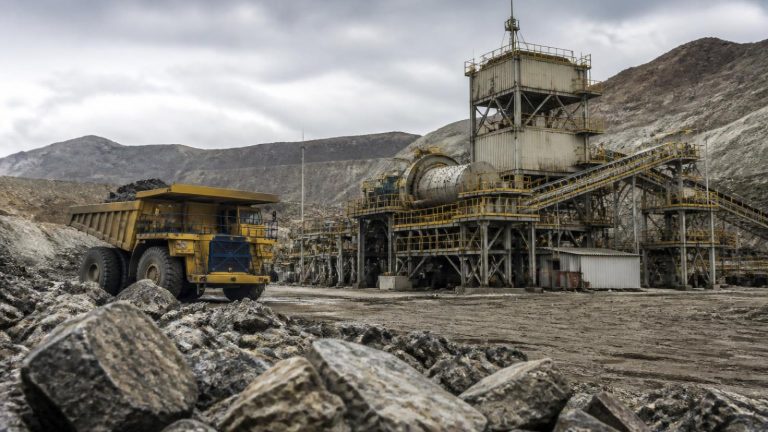
The deposit will be mined using underground methods, which are projected to provide maximum economic efficiency compared to open-pit or combined mining techniques. The mine’s operational lifespan is estimated at 16 years, with 13 years dedicated to extraction. Once at full capacity, the site will produce approximately 1 million tonnes of ore annually.
The operational reserves of the deposit are reported to be 13.9 million tonnes of ore, with a tungsten trioxide content of 0.45%, equating to around 61.9 thousand tonnes of the metal. Additionally, the ore contains a by-product of molybdenum, estimated at about 3.8 thousand tonnes.
The site is located within the protective zone of the Kokshetau National Park, where a ban on geological exploration and extraction has been in place since 2021. However, Esil-Mining is exempt from this restriction as it obtained the necessary permits in 2020, prior to the amendments coming into force, allowing the company to operate in compliance with the law.
Nonetheless, the proximity to a protected natural area imposes certain limitations on the operator. For instance, only electric equipment is to be used in the mining operations. All machinery, except for the watering underground machine and surface transport, will also be electrically powered.