Tag: metallurgy

  • Azerbaijan Aims to Elevate Aluminum Industry Through Strategic Partnerships

    Azerbaijan Aims to Elevate Aluminum Industry Through Strategic Partnerships

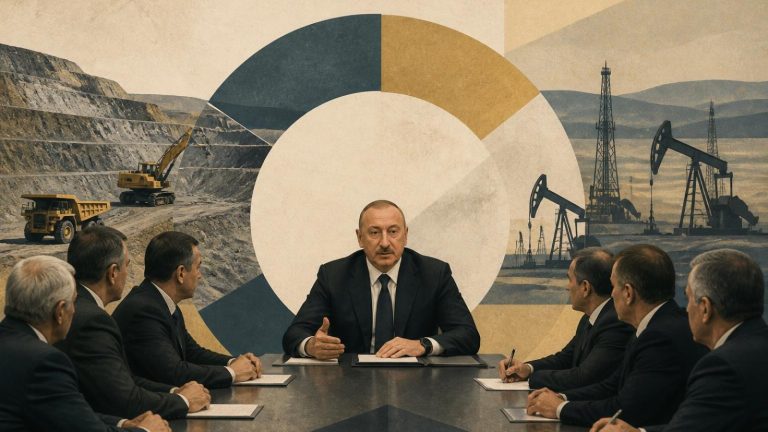
    Azerbaijan is positioning its aluminum industry as a cornerstone of its industrial diversification strategy, particularly through recent discussions with China’s Xinjiang Joinworld Co., Ltd. While Azerbaijan already boasts an established aluminum sector, led by Azeraluminium as the only primary aluminum producer in the South Caucasus, the focus of these talks extends beyond mere production increases. The discussions aim to leverage foreign technology, investment, and expertise to enhance the existing industrial capacity, thereby elevating the country’s position in the global industrial value chain.

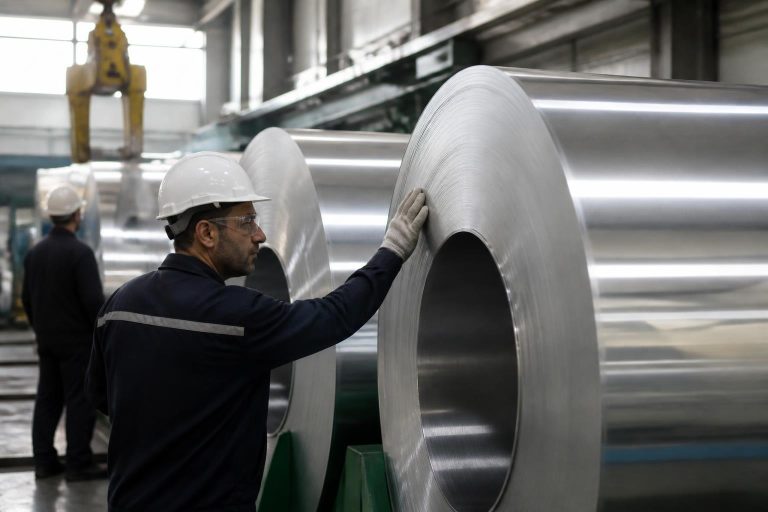
    Economy Minister Mikayil Jabbarov highlighted that the collaboration with Xinjiang Joinworld is centred on joint projects that incorporate modern technologies and innovative solutions. This approach signifies a shift from merely increasing aluminum output to developing advanced capabilities that can produce higher-value products. The potential for Azerbaijan lies in transforming raw aluminum into products such as sheets, rolled products, and specialized alloys, which can significantly boost industrial value compared to exporting basic aluminum.

    Azerbaijan’s existing foundation for this expansion includes previous modernization efforts aimed at increasing production capacity and developing rolled aluminum products. Past collaborations with German technology partners have also focused on enhancing production and processing capabilities. The ongoing discussions with Chinese firms, including Wanji and Sunstone, indicate a strategic exploration of various segments within the Chinese industrial ecosystem, rather than a singular investment focus.

    The benefits of these partnerships extend beyond foreign capital; technology transfer is crucial. Modern metallurgical production demands sophisticated equipment and process management, and partnerships with experienced international companies can expedite the development of these capabilities domestically. Additionally, Azerbaijan has already established aluminum as a significant non-oil export, with over 40,500 tons exported in 2022, valued at $114 million. The country is now aiming to shift towards higher-value processed products.

    This strategy aligns with Azerbaijan’s broader economic diversification goals, utilising its strengths in energy, infrastructure, and logistics to create new revenue streams. Given that aluminum production is energy-intensive, Azerbaijan’s energy resources offer a competitive edge. The country’s strategic location along the Middle Corridor, which connects China and Europe, further enhances its potential as a manufacturing hub for regional markets, including Türkiye and Central Asia.

    The development of the Western Industrial Park underscores Azerbaijan’s commitment to deeper processing and stronger connections between raw material extraction and manufacturing. However, while discussions with Xinjiang Joinworld are promising, concrete details regarding investment size, production capacity, and timelines are still pending. The true economic impact will only be realised if these discussions culminate in a tangible joint venture and production plan.

    Ultimately, the key question for Azerbaijan is not why it needs China, but how it can synergise its existing industrial base with international technology and investment to produce more sophisticated and valuable aluminum products. This could mark a significant evolution in Azerbaijan’s aluminum narrative, transforming it into a vital player in the global market.


  • Qarmet Advances Major Construction Projects to Enhance Production Capacity

    Qarmet Advances Major Construction Projects to Enhance Production Capacity

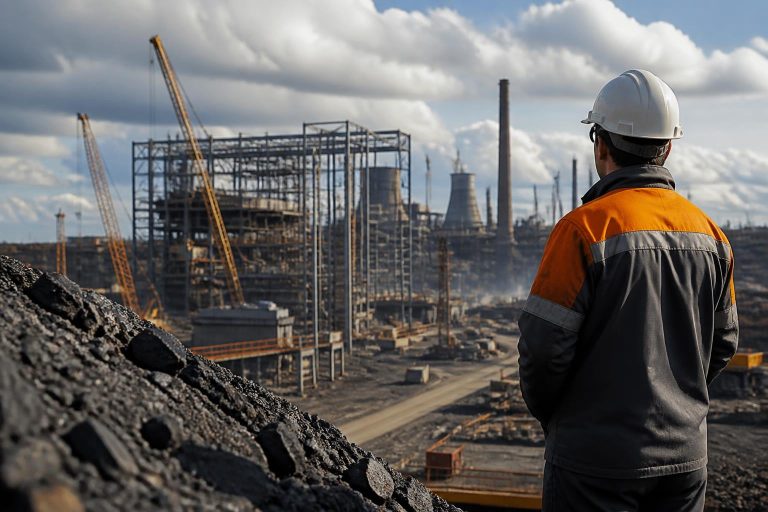
    Qarmet is making significant strides in the construction of strategically important facilities that are set to underpin the company’s future production growth, product line expansion, and extensive technological upgrades. The new production capacities are taking shape, with massive concrete foundations and installed metal structures and technological equipment already visible on-site.

    A key project in this initiative is the construction of a new section rolling mill, with engineering, equipment supply, installation supervision, and construction work being managed by CERI. To date, over 1,500 tonnes of rebar and more than 1,500 tonnes of metal structures have been delivered to the site. The complex will feature 11 overhead cranes, with construction activities progressing across the entire site: specialists are pouring concrete for the foundations of buildings and technological equipment, erecting reinforced concrete frames, and installing metal structures and crane equipment.

    The project is currently in an active implementation phase. Once the new section rolling mill is operational, Qarmet will be able to produce an additional 540,000 tonnes of metal products annually. The facility will also commence the production of high-strength rebar grades A600 and A1000, alongside new product types that are in demand in both domestic and international markets, including angles and channels.

    Simultaneously, large-scale construction is underway at the new coke battery No. 8-9 site. Currently, the coal tower structure is being erected at a height of +5.3 meters, and the upper foundation slab for coke battery No. 9 is being reinforced. Specialists are also working on soil development and reinforcing the flue gas ducts of the transverse bore, constructing the walls of the longitudinal bore of KB-9, and laying the foundation for the future chimney.

    At coke battery No. 8, the installation of metal structures continues, with 300 out of the planned 500 tonnes already installed. The groundwork for the end platforms of coke batteries No. 8 and No. 9 has been fully completed. Once the complex is operational, its production capacity will reach 1.5 million tonnes of dry coke per year. The implementation of this project will strengthen Qarmet’s raw material base and enhance the resilience of its complete metallurgical cycle.

    “The new section rolling mill and coke batteries No. 8-9 are crucial elements of Qarmet’s extensive investment programme and a clear testament to the company’s ongoing technological renewal. Today, the construction sites are not only forming the bodies of future productions but are also laying the foundation for the new industrial strength of the enterprise. The implementation of these projects will increase output volumes, expand the range of in-demand metal products, strengthen the raw material base, and enhance the resilience of the entire production cycle,” noted Qarmet specialists.

    Tons of concrete and metal structures are already taking shape in the outlines of new productions. Step by step, Qarmet is renewing key links in the technological chain, implementing modern solutions, and creating capacities that will define a new level of efficiency, reliability, and competitiveness for the company for decades to come.


  • China Introduces Hard Pure Gold: A Revolutionary Advancement in Gold Jewelry

    China Introduces Hard Pure Gold: A Revolutionary Advancement in Gold Jewelry

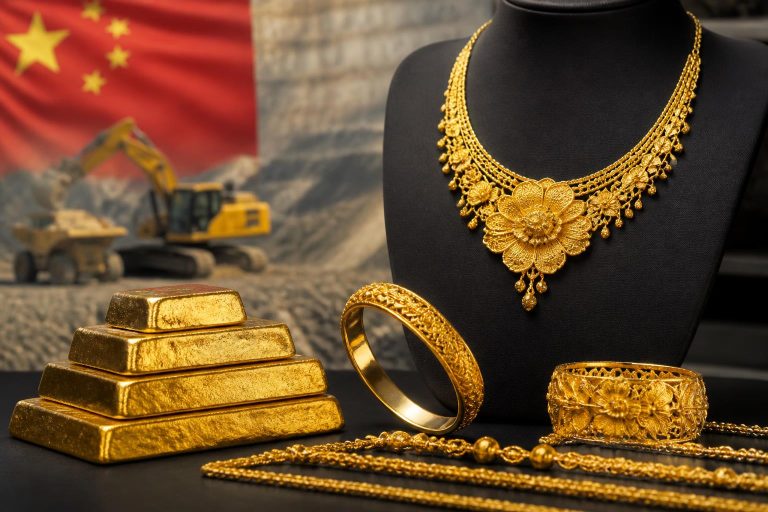
    China has unveiled an innovative form of 24-carat gold known as Hard Pure Gold (硬足金), a metallurgical breakthrough that combines the purity of traditional 24-carat gold with the hardness and durability of lower-carat alloys. This new material has rapidly gained dominance in the Chinese jewellery market, thanks to advancements in nanocrystalline engineering and microstructural modifications that fundamentally alter gold’s behaviour at the atomic level.

    Unlike conventional pure gold, Hard Pure Gold maintains a purity of over 99.9% while being up to four times harder than standard 24K gold. It resists scratching, bending, and deformation, all while preserving the deep yellow luster that has long been cherished in Chinese culture. This innovation has transformed the gold jewellery industry, allowing major brands such as Chow Tai Fook, Lukfook, and China Gold to create intricate, lightweight, and durable designs without compromising on investment purity.

    Officially established as a new category of high-purity gold jewellery in May 2025, Hard Pure Gold represents a significant technological advancement in the production of nearly pure (24K) gold that is significantly harder and more durable than traditional 24K gold without reducing its purity. The category has been endorsed by the Ministry of Industry and Information Technology (MIIT) in collaboration with the Chinese jewellery industry and the World Gold Council, aiming to create a global standard for modern high-purity jewellery that combines traditional purity with enhanced mechanical strength.

    This breakthrough is not only a milestone for jewellery manufacturing but also for materials science. By controlling grain size through severe plastic deformation, controlled annealing, and surface hardening, metallurgists have successfully transformed one of nature’s softest metals into a technologically advanced form of pure gold. Hard Pure Gold is defined as jewellery containing no less than 99.0% gold and possessing a hardness of at least 60 HV, achieved through microstructural modifications rather than alloying.

    The introduction of Hard Pure Gold has significant implications for the market and culture. According to the China Gold Association, jewellery made from pure gold now accounts for over 60% of 24-carat gold sales in major Chinese cities. Consumers appreciate its combination of purity, durability, and modern design, while it retains the traditional association of pure gold with prosperity and heritage, appealing to younger buyers seeking lightweight, contemporary styles. The technology also enhances China’s competitiveness in exports, as markets in Singapore, Malaysia, and Japan increasingly adopt products made from Hard Pure Gold.

    Despite its success, Hard Pure Gold faces ongoing challenges, including repair and resizing issues that can alter its microstructure and reduce hardness, confusion in labelling where some sellers mislabel products as ‘hard gold’, and increased production costs associated with advanced processing techniques. To address these challenges, China’s national standard GB/T 18043–2020 now provides clear definitions and testing criteria for verifying Hard Pure Gold products.

    In conclusion, Hard Pure Gold (硬足金) represents a fusion of ancient luxury and cutting-edge metallurgy. By engineering the crystalline structure of gold rather than altering its chemistry, Chinese scientists and jewellers have transformed one of the softest precious metals on Earth into a durable, high-performance, and culturally significant innovation. This development underscores China’s leadership in materials science technology and the evolving future of pure gold craftsmanship.


  • Kazakhmys Invests Over 25.2 Billion Tenge in Modernisation of Zhezkazgan Copper Smelting Plant

    Kazakhmys Invests Over 25.2 Billion Tenge in Modernisation of Zhezkazgan Copper Smelting Plant

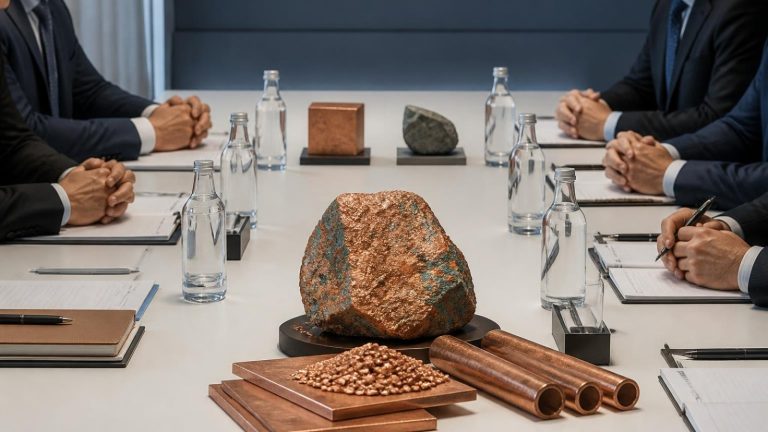
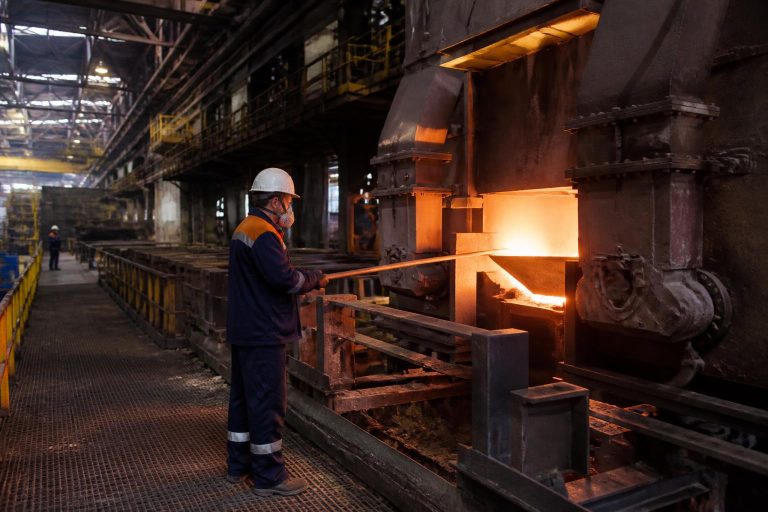
    Kazakhmys Corporation has announced a significant investment of over 25.2 billion tenge aimed at modernising the Zhezkazgan Copper Smelting Plant, a key metallurgical facility within the group. The investment will be allocated towards capital repairs, technical re-equipment, and the enhancement of production infrastructure, with the overarching goal of ensuring the plant’s sustainable operation, improving industrial safety, and enhancing both technological efficiency and environmental performance.

    The comprehensive modernisation programme encompasses major production workshops, energy management systems, infrastructure facilities, and social amenities. A substantial portion of the investment, amounting to 15.9 billion tenge, is dedicated to the capital repair of critical metallurgical equipment. This includes extensive renovations to the second ore-thermal furnace, anode furnaces, and converter blocks, which are expected to bolster the reliability of the technological processes and extend the lifespan of the equipment.

    Additionally, 3.6 billion tenge will be invested in upgrading technological equipment. This includes the installation of 234 polymer concrete baths in the copper electrolysis shop, replacement of the power transformer, and the installation of a new bridge crane. The smelting shop will see the replacement of the carousel casting machine, while the heat supply shop will upgrade its turbocharger.

    The development of production infrastructure is also a priority, with 4.4 billion tenge earmarked for this purpose. Projects include the capital repair of cooling tower No. 1, roof replacement in the copper electrolysis shop, and restoration of the converter department’s roofing. Concurrently, the renovation of shower facilities in the administrative and domestic complex of the smelting shop is being completed to improve the working conditions for employees.

    By the end of the year, Kazakhmys plans to allocate an additional 1.4 billion tenge for the capital repair of equipment in the charge preparation shop and the establishment of a specialised area for the safe maintenance of crane equipment. This comprehensive modernisation effort is part of Kazakhmys’s long-term investment programme aimed at enhancing its metallurgical enterprises, ensuring more reliable production processes, improving equipment efficiency, and creating a safer and more comfortable working environment for its workforce.


  • Uzbekistan and KAIST Explore Collaborative Opportunities in Metallurgy and Education

    Uzbekistan and KAIST Explore Collaborative Opportunities in Metallurgy and Education

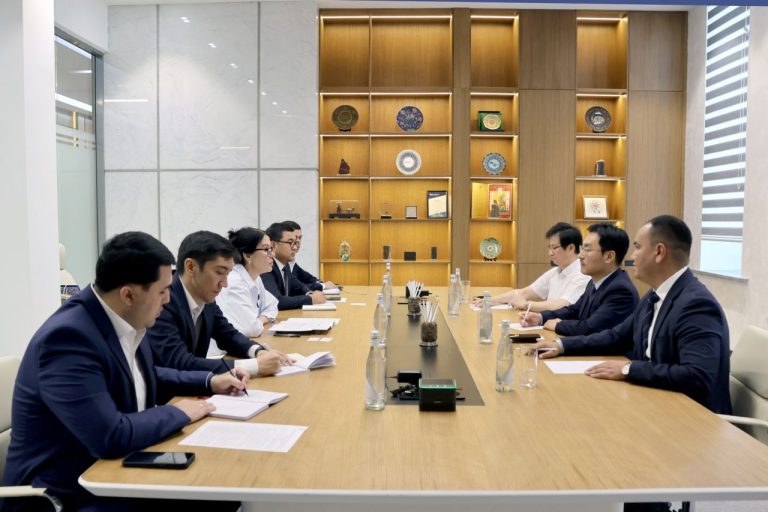
    On 31 July 2026, F. Khamidova, the First Deputy Minister of Mining Industry and Geology of Uzbekistan, met with a delegation from the Korea Advanced Institute of Science and Technology (KAIST), led by Professor Shin Byungha, the Head of the Department of Materials Science and Engineering. The meeting focused on the potential for expanding scientific, technological, and academic cooperation between Uzbekistan and South Korea, particularly in the metallurgical sector.

    The discussions highlighted the importance of implementing joint projects aimed at enhancing mineral processing technologies and fostering collaborative research initiatives. Both parties recognised the need for innovation in the mining and metallurgy sectors, which are crucial for Uzbekistan’s economic development. The meeting also underscored the significance of academic exchange programmes and the training of highly qualified specialists, which are essential for building a skilled workforce capable of advancing the industry.

    As a result of the meeting, Uzbekistan and KAIST agreed to continue developing joint initiatives and prepare proposals to further strengthen their bilateral cooperation in science, education, and technology. This partnership is expected to contribute significantly to the advancement of Uzbekistan’s mining industry and enhance the capabilities of its educational institutions.


  • Uzbekistan and KAIST Explore Collaborative Opportunities in Metallurgy and Education

    Uzbekistan and KAIST Explore Collaborative Opportunities in Metallurgy and Education

    On 31 July 2026, F. Khamidova, the First Deputy Minister of Mining Industry and Geology of Uzbekistan, met with a delegation from the Korea Advanced Institute of Science and Technology (KAIST), led by Professor Shin Byungha, the Head of the Department of Materials Science and Engineering. The meeting focused on enhancing scientific, technological, and academic cooperation between Uzbekistan and South Korea, particularly in the metallurgical sector.

    The discussions highlighted the potential for joint projects aimed at introducing advanced mineral processing technologies and promoting collaborative research initiatives. Both parties recognised the importance of integrating cutting-edge technology into Uzbekistan’s mining and metallurgy sectors to boost efficiency and sustainability. The meeting also underscored the significance of educational collaboration, with plans for academic exchange programmes and the training of highly qualified specialists to strengthen the workforce in both countries.

    As a result of the meeting, Uzbekistan and KAIST agreed to continue developing joint initiatives and to prepare proposals that would further enhance bilateral cooperation in science, education, and technology. This partnership is expected to foster innovation and drive growth in the mining and metallurgy sectors, positioning both nations as leaders in the field.


  • Kazakh PM Orders New Measures to Accelerate Metallurgical Sector Growth

    Kazakh PM Orders New Measures to Accelerate Metallurgical Sector Growth

    Prime Minister Olzhas Bektenov has directed Kazakhstan’s Ministry of Industry and Construction to formulate additional stimulus measures for the country’s metallurgical sector within the next month, signaling a renewed push to boost industrial output and investment. The directive was announced during a government meeting reviewing Kazakhstan’s socio-economic performance in the first half of 2026. Bektenov tasked the ministry, alongside state mining company Tau-Ken Samruk, with ensuring full utilization of non-ferrous metallurgical enterprises, including by supplying imported gold for domestic refining. In the ferrous metallurgy segment, the Prime Minister highlighted the need for Qarmet, under its modernization program, to expand its product range to include items most in demand in both domestic and international markets. Bektenov stressed that the pace of growth in the manufacturing sector depends on the timely implementation of investment projects. He instructed the ministry and regional administrations to review all investment projects within one week to identify challenges and outline specific remedial measures. Additionally, the Prime Minister ordered the submission of draft amendments within one month to introduce new mechanisms aimed at improving the efficiency of Kazakhstan’s special economic zones. Bektenov also emphasized the importance of maintaining current construction activity levels, calling for continuous monitoring of housing commissioning and swift resolution of emerging issues. He recalled President Kassym-Jomart Tokayev’s directive to begin a large-scale program for building social and infrastructure facilities, with a particular focus on modern healthcare institutions. The announcement follows earlier reports that Kazakhstan plans to launch eight non-ferrous metallurgy projects in 2026, expected to create over 1,500 jobs, underscoring the government’s commitment to expanding the mining and metals sector as a key driver of economic growth.

  • Kazakhstan and South Korea to Establish Rare Earth Research Centre in Almaty

    Kazakhstan and South Korea to Establish Rare Earth Research Centre in Almaty

    Satbayev University, in partnership with the Korea Institute of Industrial Technology (KITECH) and the Korea National Institute of Rare Metals (KORAM), will establish a Kazakh-Korean Centre for Rare and Rare Earth Metals Research at the Institute of Metallurgy and Ore Beneficiation in Almaty.

    During a joint meeting, representatives of the three institutions discussed the next stages of the project, including the installation of advanced scientific equipment and future areas of research and technological cooperation.

    According to the Korean partners, the new centre will serve as a leading research platform for training highly qualified specialists in rare and rare earth metals, while providing Kazakh researchers with access to state-of-the-art laboratory facilities and expanding opportunities for scientific research and technology development.

    Satbayev University Rector Professor Meiram Begentayev said the initiative would combine the scientific expertise of Kazakhstan and South Korea to advance technologies for the deep processing of strategic mineral resources, strengthen research capabilities and support the development of internationally competitive specialists.

    The project aligns with Kazakhstan’s strategy to expand value-added processing of mineral resources. The country is currently a global supplier of 21 of the 34 minerals identified as critical raw materials.

    The centre is expected to become one of Kazakhstan’s first specialised full-cycle research and technology facilities dedicated to rare and rare earth metals. It will focus on developing environmentally friendly technologies for producing high- and ultra-high-purity rare metals and rare earth elements, with research progressing through pilot testing to industrial implementation.

    In addition to technology development, the centre will conduct both fundamental and applied research, as well as pilot-scale testing of new technologies for the integrated processing of primary mineral resources and secondary industrial materials.

  • Uzbekistan to Establish Project Office to Oversee Steel Industry and Scrap Metal Market

    Uzbekistan to Establish Project Office to Oversee Steel Industry and Scrap Metal Market

    Uzbekistan will establish a dedicated project office under the government to oversee the country’s ferrous metallurgy sector, President Shavkat Mirziyoyev announced during a meeting on the industry’s development.

    The new office is expected to begin operations within one month. In addition, an electronic platform, E-lom, will be launched at the beginning of August to monitor the circulation of ferrous metals across the country.

    The project office will conduct daily analysis of the steel market, compile data on supply and demand for raw materials and finished metal products, and maintain digital passports for metal products. Through the E-lom platform, all transactions involving ferrous metals will be tracked in real time.

    According to the government, the new measures are designed to promote fair competition, stabilize prices and strengthen oversight of the steel sector by increasing transparency throughout the supply chain.

    Officials also highlighted the importance of improving scrap metal collection. The Bekabad Metallurgical Plant currently produces around 40% of its rolled steel using recycled scrap, while the remaining 60% relies on imported raw materials. Each year, the plant receives approximately 700,000 tonnes of ferrous scrap, but an estimated additional 500,000 tonnes remains outside the formal market, circulating through the shadow economy.

    The government expects that tighter monitoring and digital tracking will help bring more scrap into the legal supply chain, reducing reliance on imports and improving raw material availability for domestic steel production.

  • Kazakh Exporters Face Rising Costs Under EU Carbon Border Mechanism

    Kazakh Exporters Face Rising Costs Under EU Carbon Border Mechanism

    The European Union’s Carbon Border Adjustment Mechanism (CBAM), which came into force in 2026, is creating new compliance challenges for Kazakh металлургical exporters supplying the European market.

    CBAM is designed to account for carbon dioxide emissions generated during the production of imported goods and serves as an environmental standard for both European and foreign manufacturers. Kazakh exporters are now required to maintain detailed carbon reporting in order to preserve access to EU markets.

    More than half of Kazakhstan’s aluminum exports are destined for the European Union. In addition to the aluminum sector, the new rules also apply to ferrous metallurgy products.

    Kazakhstan’s Ministry of Trade and Integration, the International Trade Centre (ITC) and QazTrade conducted an assessment of CBAM’s impact on local businesses and prepared practical recommendations for metallurgical companies adapting to the new framework.

    According to the study, exporters of raw aluminum, ferrochrome, steel bars and rods could face annual CBAM-related costs of around €114 million if export volumes remain at 2025 levels.

    QazTrade Deputy Chairman Nurlan Kulbatyrov said Kazakh industrial exporters have already begun adapting to the new EU requirements. Support measures are being introduced to help companies reduce financial pressure and maintain the competitiveness of Kazakh products in the European market.

    During a June 3 seminar, representatives of business, government and international organizations discussed methods for monitoring and verifying emissions, as well as opportunities linked to greener industrial production.

    One of the report’s authors, ITC expert Joost Pauwelyn, noted that Kazakhstan exports more than €600 million worth of steel and aluminum products to the EU annually. He warned that European greenhouse gas regulations could increase annual costs for Kazakh exporters by more than €100 million. Approximately 90% of the additional burden is expected to fall on steel bars and rods. In some cases, CBAM-related expenses could exceed the value of the exported product itself.

    Pauwelyn outlined several measures that could significantly reduce the financial impact on producers, including:

    • Monitoring and declaring actual emissions rather than relying on default values
    • Accrediting Kazakh verification bodies
    • Reducing greenhouse gas emissions at production facilities
    • Developing domestic carbon pricing mechanisms in Kazakhstan