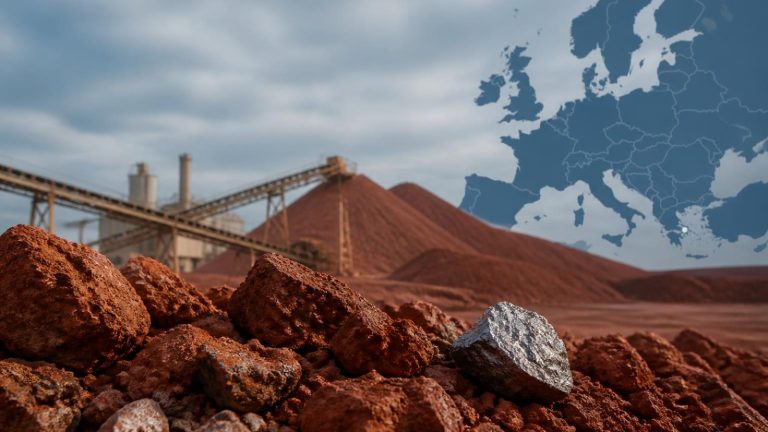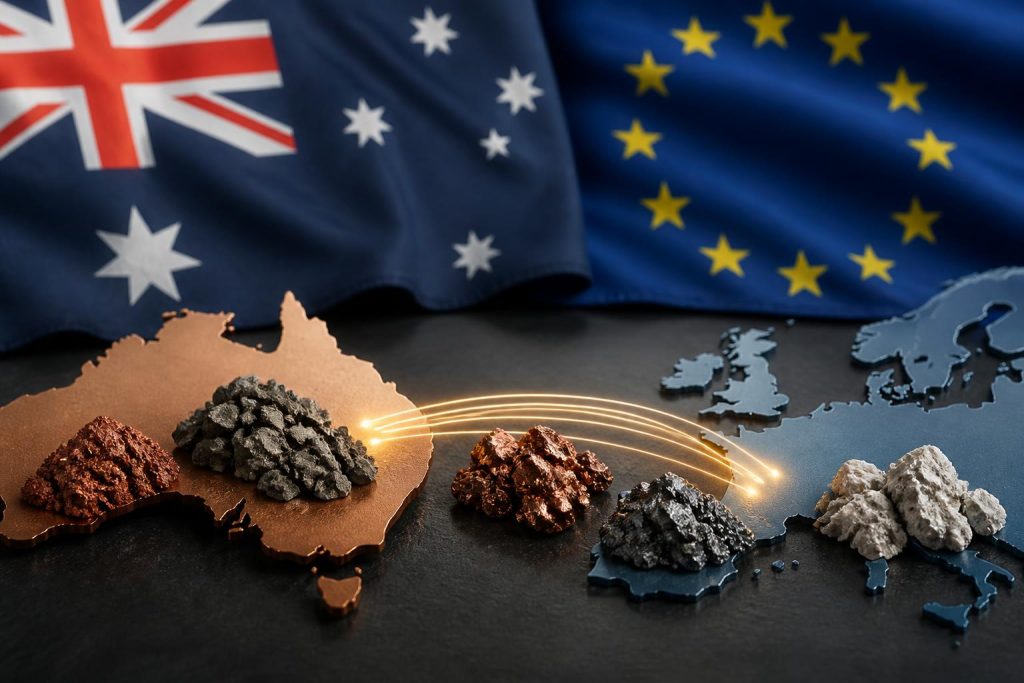
In 2026, two significant reports highlight the escalating challenges Europe faces regarding raw materials. The European Investment Bank indicates that the EU must ramp up its annual mineral exploration budget from approximately €200 million to €2 billion to meet the objectives of the Critical Raw Materials Act, marking a tenfold increase. Currently, the EU accounts for a mere 3% of global mineral exploration budgets, while Australia and Canada contribute 16% and 20%, respectively. Additionally, the International Energy Agency’s Global Critical Minerals Outlook reveals a 9% decline in global critical minerals investment in 2025, alongside a more than 10% drop in exploration spending, all while processing capacity becomes increasingly concentrated.
The rising prices of base metals, with copper and tin increasing by one-third and lithium prices more than doubling, underscore the urgency of the situation. This is no longer just a mining issue; it is a matter of Europe’s industrial competitiveness and economic security, particularly in the context of the energy transition.
Australia’s role in this scenario is pivotal. Beyond financial investment, Europe requires experienced management teams, geologists, engineers, and companies willing to navigate the complexities of project development. Australia has cultivated a robust ecosystem for resource exploration and development, with the Australian Securities Exchange (ASX) being a leading market for financing junior resource companies. This expertise is increasingly being leveraged in Europe.
A notable example is Vulcan Energy, which is developing its Phase One Lionheart lithium and renewable energy project in Germany. The company has successfully produced battery-quality lithium hydroxide from geothermal brine, marking a significant milestone in European lithium production. Vulcan has secured a €2.2 billion financing package, including €250 million from the European Investment Bank, to fund its ambitious project.
Other Australian companies are also making strides in Europe. GreenX Metals is exploring the Tannenberg copper project in Hesse, Germany, while EQ Resources operates the Barruecopardo tungsten mine in Spain. These projects highlight the potential of revisiting historic mining regions with modern techniques and international capital.
The collaboration extends beyond Europe, with Australian companies like St George Mining developing projects in Brazil while partnering with Spanish firms to enhance processing technologies. This tri-lateral approach exemplifies the interconnected nature of global resource supply chains.
As European investors increasingly seek opportunities in early-stage exploration, the potential for collaboration between Australian and European entities grows. The relationship between these regions could be crucial in building resilient critical minerals supply chains that are essential for future industrial demands. Matthew Reynolds, a key figure in fostering these connections, emphasises the importance of international partnerships in addressing the global raw materials challenge.