Tag: Collaboration

  • Australia and Europe: A Collaborative Approach to Critical Minerals Supply Chains

    Australia and Europe: A Collaborative Approach to Critical Minerals Supply Chains

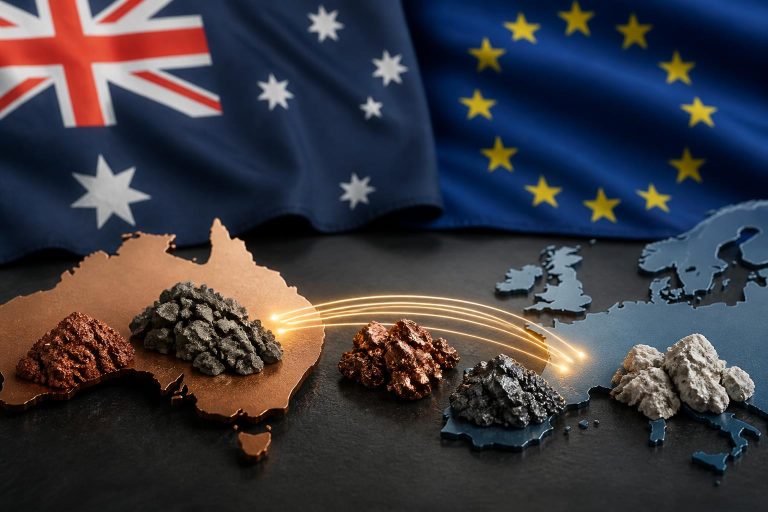
    In 2026, two significant reports highlight the escalating challenges Europe faces regarding raw materials. The European Investment Bank indicates that the EU must ramp up its annual mineral exploration budget from approximately €200 million to €2 billion to meet the objectives of the Critical Raw Materials Act, marking a tenfold increase. Currently, the EU accounts for a mere 3% of global mineral exploration budgets, while Australia and Canada contribute 16% and 20%, respectively. Additionally, the International Energy Agency’s Global Critical Minerals Outlook reveals a 9% decline in global critical minerals investment in 2025, alongside a more than 10% drop in exploration spending, all while processing capacity becomes increasingly concentrated.

    The rising prices of base metals, with copper and tin increasing by one-third and lithium prices more than doubling, underscore the urgency of the situation. This is no longer just a mining issue; it is a matter of Europe’s industrial competitiveness and economic security, particularly in the context of the energy transition.

    Australia’s role in this scenario is pivotal. Beyond financial investment, Europe requires experienced management teams, geologists, engineers, and companies willing to navigate the complexities of project development. Australia has cultivated a robust ecosystem for resource exploration and development, with the Australian Securities Exchange (ASX) being a leading market for financing junior resource companies. This expertise is increasingly being leveraged in Europe.

    A notable example is Vulcan Energy, which is developing its Phase One Lionheart lithium and renewable energy project in Germany. The company has successfully produced battery-quality lithium hydroxide from geothermal brine, marking a significant milestone in European lithium production. Vulcan has secured a €2.2 billion financing package, including €250 million from the European Investment Bank, to fund its ambitious project.

    Other Australian companies are also making strides in Europe. GreenX Metals is exploring the Tannenberg copper project in Hesse, Germany, while EQ Resources operates the Barruecopardo tungsten mine in Spain. These projects highlight the potential of revisiting historic mining regions with modern techniques and international capital.

    The collaboration extends beyond Europe, with Australian companies like St George Mining developing projects in Brazil while partnering with Spanish firms to enhance processing technologies. This tri-lateral approach exemplifies the interconnected nature of global resource supply chains.

    As European investors increasingly seek opportunities in early-stage exploration, the potential for collaboration between Australian and European entities grows. The relationship between these regions could be crucial in building resilient critical minerals supply chains that are essential for future industrial demands. Matthew Reynolds, a key figure in fostering these connections, emphasises the importance of international partnerships in addressing the global raw materials challenge.


  • Sokli Project: Paving the Way for Finland’s Critical Minerals Self-Sufficiency

    Sokli Project: Paving the Way for Finland’s Critical Minerals Self-Sufficiency

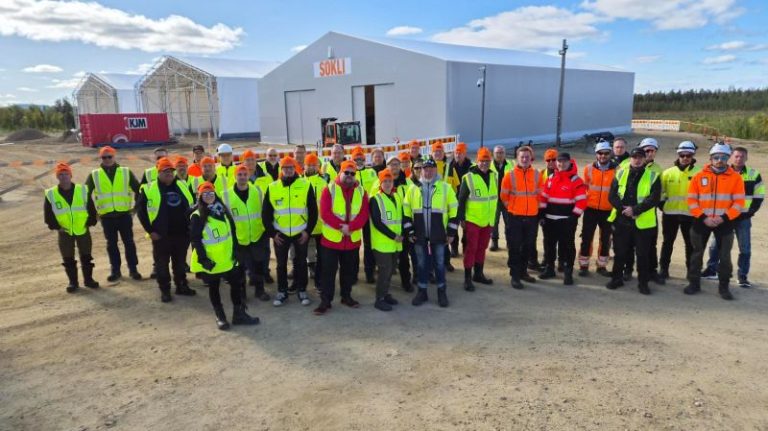
    The Sokli project is emerging as a cornerstone for Finland’s ambitions to achieve self-sufficiency in critical minerals. In collaboration with the Regional Council of Lapland and the Joint Municipal Authority of Eastern Lapland, stakeholders recently convened to assess the project’s progress and explore the opportunities it presents for Finnish companies both now and in the future. The discussions highlighted the potential of Sokli to not only bolster local economies but also to contribute to national goals regarding sustainable mineral production.

    A significant aspect of the Sokli initiative is the ‘More than a Mine’ project, which is funded by Business Finland. This initiative aims to foster innovative solutions and establish business and cooperation networks within the mining sector. The emphasis on collaboration among research institutions, businesses, and various stakeholders is seen as vital for cultivating sustainable growth and enhancing competitiveness in Finland’s mining industry.

    As the development of Sokli progresses in stages, it is crucial to maintain an open dialogue about the opportunities the project can generate on both regional and national levels. The engagement of local communities and businesses is essential to ensure that the benefits of the project are maximised and that it aligns with Finland’s broader economic and environmental objectives.

    The Sokli project represents a proactive step towards securing Finland’s position in the global critical minerals market, which is increasingly important in the context of the European Union’s strategic goals. As discussions continue and the project evolves, it is clear that Sokli is set to play a pivotal role in shaping the future of sustainable mining in Finland.

  • Uzbekistan and KAIST Explore Collaborative Opportunities in Metallurgy and Education

    Uzbekistan and KAIST Explore Collaborative Opportunities in Metallurgy and Education

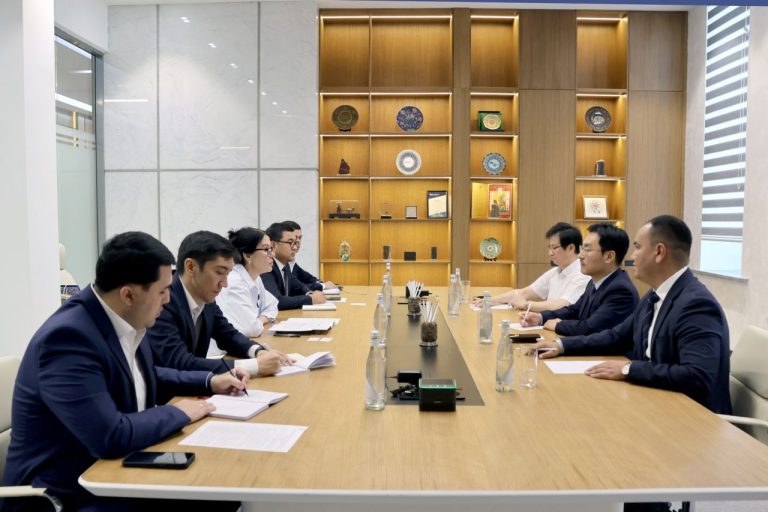
    On 31 July 2026, F. Khamidova, the First Deputy Minister of Mining Industry and Geology of Uzbekistan, met with a delegation from the Korea Advanced Institute of Science and Technology (KAIST), led by Professor Shin Byungha, the Head of the Department of Materials Science and Engineering. The meeting focused on enhancing scientific, technological, and academic cooperation between Uzbekistan and South Korea, particularly in the metallurgical sector.

    The discussions highlighted the potential for joint projects aimed at introducing advanced mineral processing technologies and promoting collaborative research initiatives. Both parties recognised the importance of integrating cutting-edge technology into Uzbekistan’s mining and metallurgy sectors to boost efficiency and sustainability. The meeting also underscored the significance of educational collaboration, with plans for academic exchange programmes and the training of highly qualified specialists to strengthen the workforce in both countries.

    As a result of the meeting, Uzbekistan and KAIST agreed to continue developing joint initiatives and to prepare proposals that would further enhance bilateral cooperation in science, education, and technology. This partnership is expected to foster innovation and drive growth in the mining and metallurgy sectors, positioning both nations as leaders in the field.


  • Kazakhstan to Collaborate with Afghanistan in Geology and Natural Resource Extraction

    Kazakhstan to Collaborate with Afghanistan in Geology and Natural Resource Extraction

    In a bid to enhance cooperation in the field of geology and natural resource extraction, Kazakhstan announces plans to establish a technical committee comprising domestic and foreign geologists, as reported by the press service of the Prime Minister of the republic. Vice Prime Minister of Kazakhstan, Serik Zhumangarin, engaged in discussions with Afghan counterparts to pave the way for future collaboration. Notably, representatives from Kazakhstani companies such as “Kazakhmys Barlau” and ERG Exploration were also involved in the deliberations.

    Afghanistan’s subsoil is renowned for its wealth in iron and non-ferrous ores, coal, and rare earth minerals. Additionally, the country boasts significant hydrocarbon reserves. It is anticipated that the potential partnership will soon provide Kazakh specialists with maps highlighting prospective areas and documents verifying the presence of mineral resources.

  • President of Uzbekistan Reviews Copper Mining and Processing Project in Collaboration with China

    President of Uzbekistan Reviews Copper Mining and Processing Project in Collaboration with China

    President Shavkat Mirziyoyev of Uzbekistan visited the site of a copper mining and processing project in cooperation with China, located in the Chust district of the Namangan region, on March 25. Geologic exploration is expected to commence as early as April. A representative of the company, Li Fang Yuan, stated that China Mining Energy Group, established in 2003 with assets totaling $32 billion and a workforce of 40,000 across 17 countries, engages in gold, copper, and aluminum mining.

  • Uzbekistan Mulls Collaboration with China Nuclear Uranium for Black Shale Uranium Mining

    Uzbekistan Mulls Collaboration with China Nuclear Uranium for Black Shale Uranium Mining

    In a bid to bolster its uranium mining capabilities, Uzbekistan is considering a partnership with China Nuclear Uranium Co. Ltd for the development of black shale uranium mines, according to reports from Trend. Discussions between representatives of China Nuclear Uranium and Jamal Fayzullaev, the director general of Navoiyuran State Enterprise, have centered around the potential production of black shale uranium at the Jantuar and Ma’danli deposits situated in the Navoi region.

    Geological surveys have been conducted at key sites, including the Ma’danli and Koscheka fields within the Auminzatau Mountains. Sampling and analysis activities at the Ma’danli field have provided insights into the feasibility of extracting uranium and other rare elements from the ore composition, laying the groundwork for potential development in the area.

    This prospective collaboration follows a memorandum of understanding signed in November 2023 between Navoiyuran and China National Nuclear Corporation, outlining mutual cooperation in uranium mining and processing endeavors in Uzbekistan. As part of this agreement, discussions have revolved around various investment initiatives within the uranium sector, signaling a growing partnership between the two entities.

    Jamal Fayzullaev, highlighting future plans, disclosed Navoiyuran’s ambitions to ramp up uranium production by 1.5 times while simultaneously reducing production costs by 20.1 percent. The enterprise aims to intensify geological prospecting activities, covering over 1 million meters of exploration area, alongside extensive drilling operations spanning 3.8 million meters for uranium production purposes in 2024.

  • Kazakhstan-EU Meeting Emphasizes Collaboration on Critical Raw Materials and Green Energy Initiatives

    Kazakhstan-EU Meeting Emphasizes Collaboration on Critical Raw Materials and Green Energy Initiatives

    A gathering convened by the Kazakh Embassy in Belgium on March 5th attracted approximately 60 high-ranking officials from the European Union alongside representatives from the EU business community. Central to the discussions at this significant meeting was the collaboration between Kazakhstan and Europe pertaining to critical raw materials (CRM), green hydrogen, and batteries.

    In November 2022, Kazakhstan and the European Union cemented their cooperation by signing a Memorandum of Understanding on sustainable raw materials, batteries, and renewable hydrogen value chains. This milestone agreement was accompanied by the adoption of a detailed Roadmap for implementation throughout 2023.

    During the meeting, Bolat Akchulakov, energy advisor to the president of Kazakhstan, underscored the strategic significance of the Kazakhstan-EU Memorandum of Understanding. He highlighted its pivotal role in fostering a strategic partnership aimed at collectively advancing the objectives of a green transition.

    Luc Devigne, deputy managing director for Eastern Europe and Central Asia at the European External Action Service (EEAS), lauded the Kazakhstan-EU relationship as a “success story of cooperation.” He reiterated the EU’s commitment to further strengthen this partnership, ensuring the sustainability of supply chains and the mutual achievement of climate change goals.

    As part of the event, Kazakhstan’s national company, Kazakh Invest, delivered a comprehensive report on CRM at its Brussels office. The report highlighted that Kazakhstan currently produces 19 out of the 34 critical raw materials listed by the European Union. Additionally, it was emphasized that Kazakh manufacturers presently supply the EU with beryllium, tantalum, and titanium. Furthermore, there exists untapped potential to explore other raw materials in Kazakhstan, with the prospect of establishing processing plants for nickel, cobalt, manganese, and lithium. This strategic initiative would enable Kazakh enterprises to make substantial contributions to the production of batteries, which are integral components for electric vehicles.

  • AMMC and Navoiyuran: cooperation in the field of digital transformation

    AMMC and Navoiyuran: cooperation in the field of digital transformation

    On August 17 of this year, the Almalyk Mining and Metallurgical Plant was visited by a delegation of representatives of the state enterprise “Navoiyuran” engaged in activities in the field of digitalization.

    In the executive office of the plant, a meeting was held between the Deputy Chairman of the Board of JSC “Almalyk MMC” for digitalization Abdulla Azizov, profile specialists of the plant with representatives of the state enterprise “Navoiyuran”.

    During the meeting, the guests were provided with information about the work carried out as part of the digital transformation of the AGMK. According to A. Azizov, during the past year, the plant implemented 48 projects (23 of them planned, 25 unplanned) in this direction. These are projects related to the improvement of business process management systems, automation of the mining and transport complex and production automation. This year, more than 40 projects and other tasks are planned to be implemented. Of these, 17 have already been implemented (business process management – 5, infrastructure and cybersecurity – 4, production management – 2 and process automation – 6). For example, in order to improve the efficiency of the management system and digitalization of office work in the department of road transport, an information system for managing vehicles and logistics (Transport Management System) was introduced, through which more than 1,000 units of vehicles and equipment are monitored. Also, the submission and acceptance of applications for transport is carried out completely electronically.

    In accordance with the concept of paperless office work (Paperless work) and a unified identification system, the AMMC introduced the E-Talon information system, within which more than 36,000 employees were provided with new ID-cards. As a result, the amount of paper work has been reduced, and the reporting process now takes less than 7 times less time. More than 20 electronic templates have been created in the information system “Journals”. The system made it possible to keep 70% of paper journals in electronic form and analyze the data.

    Thanks to the information system of interactive dashboards (BI), the speed of automatic collection and processing of “online” information of production and business processes, as well as various automated systems, has increased by 80%. 6 types of paper reports were digitized, which reduced the time of their formation by 3 times.

    Also introduced: digital archive (paper consumption reduced by 25%); project management system (25% more efficient management, analysis and control); a new digital radio station at the Yoshlik I quarry (100 vehicles and 35 workers are provided with radio communications); IP telephony in the Kochbulak, Semguron and Kairagach mines (10 km of fiber optic communication lines have been laid).

    In order to automate production processes and use modern information systems, 27 modern digital strain gauges were installed at the copper processing plant. This made it possible to achieve an accuracy of measuring the weight of ore in the technological process up to 99.8%. Also, in order to automate the technological process of the seventh monosection, 405 instrumentation and 26 control cabinets were installed. Adjusted and put into operation 320 dosing pumps and 14 new tanks for reagents.

    Together with specialists from Metso-Outotec and Engineering Dobersek, the uninterrupted operation of the control system, instrumentation of the Vanyukov furnace and the sulfuric acid shop of the copper smelter was ensured.

    As part of the introduction of automatic control of mills (SAU-3M) in the Khandiza mining department, instrumentation cabinets were completely updated, which made it possible for the operator to control deviations from the technological regulations and monitor the state of the technological equipment.

    During the visit, the guests also visited the Kalmakyr mining department, a copper processing plant, where they could personally observe the operation of all information technology systems introduced as part of digitalization.

    Thus, the representatives of the delegation were familiarized in detail with the ERP, SCADA, LIMS, SAP systems, as well as programs for monitoring and analyzing production processes and data.

    – “Today we managed to witness the active work carried out at the AMMC in the field of information technology. Currently, our company pays great attention to the processes of digitalization of production. During the visit, we managed to learn a lot of new and useful things for ourselves. We also decided to purchase software systems from AGMK for their further implementation at home. Another important point that we drew attention to is that the processes of digitalization at the AGMK are proceeding quite quickly. And it pays off at a relatively low cost. We plan to further strengthen our cooperation with the plant,” Khasan Khaydarov, Deputy General Director for Transformation of Navoiyuran Group of Companies, shared his impressions of the visit.

    It should be noted that the purpose of this visit is to ensure the implementation of the Decree of the President of the Republic of Uzbekistan dated July 14, 2022 No. PP-319 “On measures to increase the volume of production, processing of uranium and the transformation of the State Enterprise Navoiyuran in 2022-2030”.