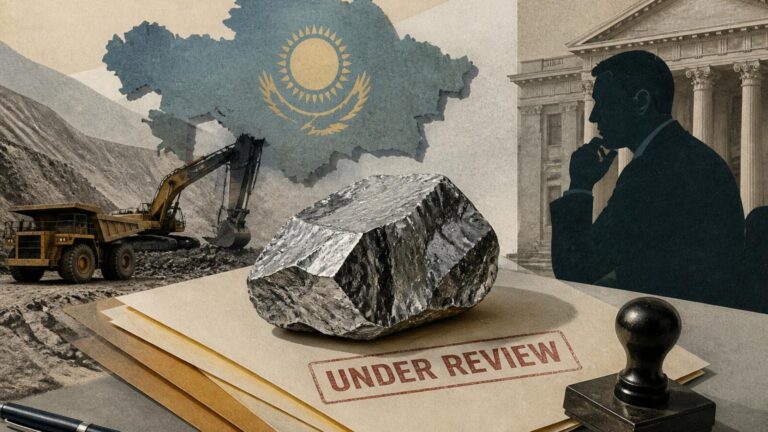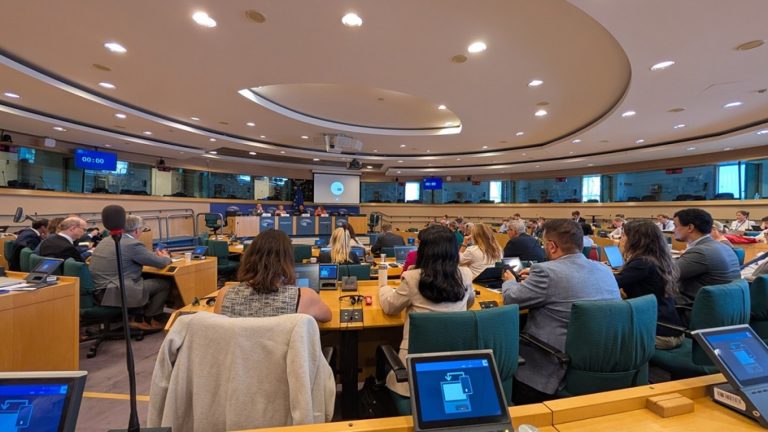

Central Asia has made strides in adopting the Committee for Mineral Reserves International Reporting Standards (CRIRSCO), although the transition to new systems is still ongoing. The recent three-day CRIRSCO training in Kyrgyzstan, conducted from 17 to 19 November under a UK International Development programme, marks a significant step for the region, which includes Kyrgyzstan and Tajikistan. This event prompts a reflection on the decade-long journey of code adoption across Central Asia and its tangible outcomes.
Kazakhstan became the tenth member of CRIRSCO in 2016, establishing the Kazakhstan Code for Reporting Resource and Reserves (KAZRC) based on the International Reporting Template. Kyrgyzstan initiated its transition in 2017, culminating in the approval of its UN-backed Kyrgyz Code for Reporting (KyrRC) in 2024, which it operates alongside the Soviet-era GKZ system. Uzbekistan has adopted JORC-style practices since around 2019-20, although it has not officially joined CRIRSCO or the Extractive Industries Transparency Initiative (EITI). Meanwhile, Tajikistan and Turkmenistan continue to rely solely on the Soviet GKZ classification, with no signs of transitioning to modern reporting standards.
A common challenge across these jurisdictions is the dual reporting system, which complicates the transition process. The state balance still dictates licensing obligations and development conditions, meaning that the GKZ report holds legal weight while the Competent Person’s report is primarily for financial purposes. Companies are required to pay for both reports but often do not reconcile them, limiting the effectiveness of the new codes in domestic governance.
Another significant constraint is the availability of qualified professionals. The effectiveness of a reporting code is directly linked to the number of professionals willing to endorse their estimates under a recognised body. While CRIRSCO membership necessitates the existence of a Recognised Professional Organisation, it does not automatically generate a pool of experienced practitioners, which is crucial for the credibility of the reporting process.
Legacy data presents a further challenge, particularly the verification of historical sampling that adhered to outdated GKZ protocols. For instance, when SRK reclassified the Muruntau project to JORC standards, the primary obstacle was not geological but rather the provenance of the data. Without verifiable data, a Competent Person cannot endorse a report, rendering much exploration work nearly valueless for financing. This necessitates significant re-evaluation of existing resource bases, which often goes unfunded in reform budgets.
The urgency of these issues is underscored by recent geopolitical developments. In February, Washington signed a critical minerals pact with Tashkent, and Brussels followed with a raw materials memorandum of understanding in 2024. Additionally, the European Bank for Reconstruction and Development (EBRD) committed €2.2 billion to Central Asia in 2024 alone. This influx of capital and political will is occurring much more rapidly than the necessary reporting frameworks that would convert state balance entries into bankable resources.
Moving forward, the key indicators to watch will not be further announcements of code adoption but rather the first instances of state balances that defer to a Competent Person’s report, the initiation of disciplinary actions by Recognised Professional Organisations, and the financing of projects based on locally signed reports rather than those sourced externally.