As the COP31 climate talks commence in Türkiye, the coal multilateral organisation FutureCoal has urged negotiators to prioritise energy security, affordability, and industrial development over political rhetoric. FutureCoal, which positions itself as a neutral representative body for the coal industry, expressed concerns that previous climate negotiations have often devolved into mere exercises in drafting language without yielding substantial results. Michelle Manook, the chief executive of FutureCoal, highlighted that the renewed focus on energy security, although welcome, has come too late. She emphasised that coal remains a crucial component of electricity generation and industrial development in many regions around the globe.
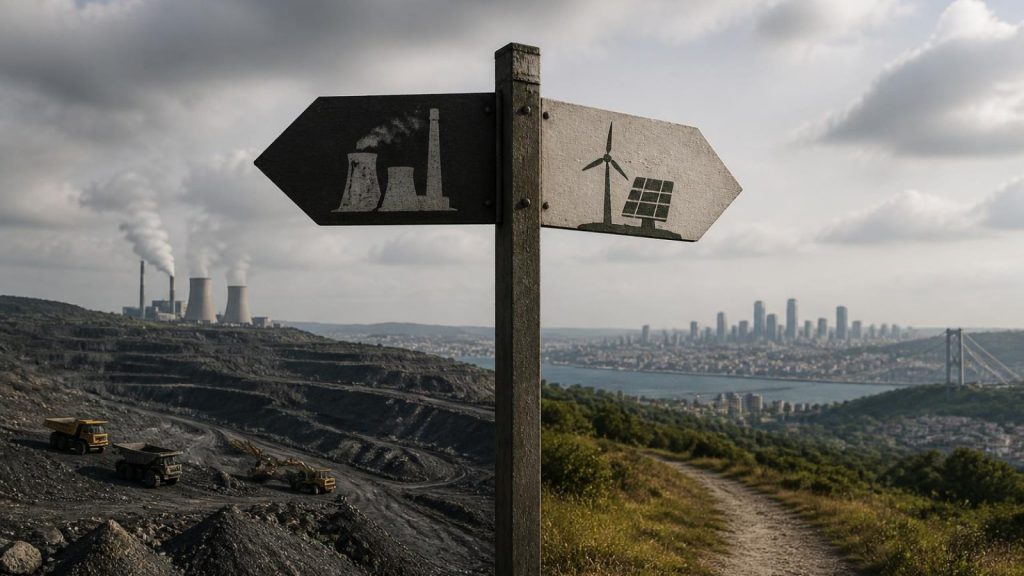
Manook articulated that the pressing question is not about the rapid elimination of coal but rather how to enhance its mining, processing, and utilisation. FutureCoal advocates for broader access to financing and regulatory approvals for technologies that can achieve measurable emissions reductions, such as carbon capture and storage, higher-efficiency generation, and methane abatement. The organisation supports the integration of renewables alongside coal within diverse energy systems, asserting that investment decisions should be driven by environmental performance rather than the type of fuel used.
The organisation pointed to several major industrial economies that are already leveraging coal technologies beyond power generation. For instance, China is converting domestic coal into chemicals, fertilisers, and synthetic fuels to mitigate exposure to volatile international markets. India is advancing coal gasification to bolster domestic industrial production, while South Africa has a long history of utilising coal-derived fuels and chemicals. These initiatives reflect FutureCoal’s Sustainable Coal Stewardship strategy, which promotes greater efficiency, emissions management, and higher-value applications across the coal value chain.
Manook also stressed that COP31’s principles of dialogue, consensus, and action should foster closer collaboration with industry stakeholders, engineers, and technology developers, particularly in developing economies where access to reliable and affordable energy is critical. She reiterated FutureCoal’s long-standing advocacy for the recognition of all fuels and technologies since the Paris Agreement in 2015, emphasising that countries should be free to pursue solutions tailored to their unique circumstances. If COP31 aims to transform dialogue into actionable outcomes, it must include industry voices and acknowledge the technologies currently being developed and deployed. A more inclusive approach, she argued, would provide a stronger foundation for meaningful climate action.