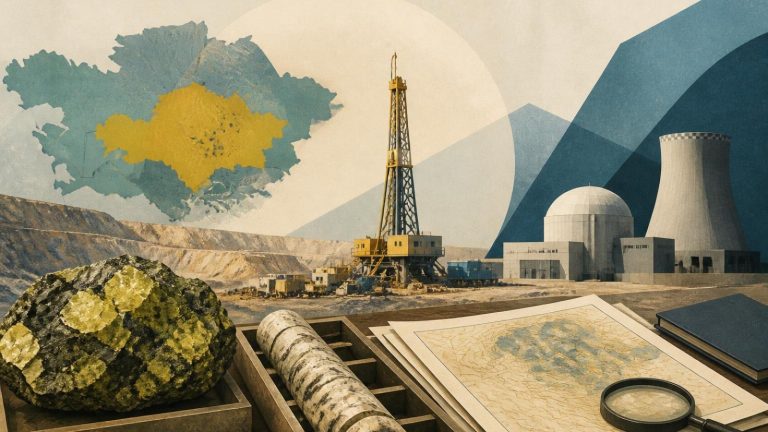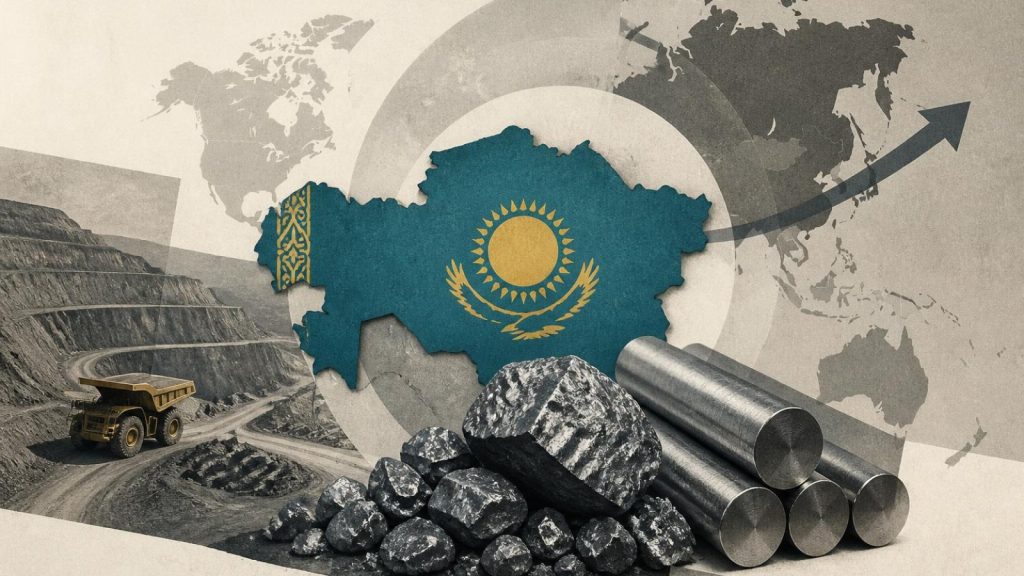
The global focus on tungsten has intensified, particularly in light of rising prices and supply chain vulnerabilities exposed by China’s export controls. A recent article from the South China Morning Post highlights the urgent need for the United States and its allies to establish a reliable source of tungsten, a critical mineral essential for national security and advanced manufacturing. Since May 2025, tungsten prices have skyrocketed by over 200%, forcing American manufacturers to redesign products due to escalating costs and limited supply. This situation underscores the significance of Kazakhstan’s Severniy Katpar tungsten project, developed by Cove Kaz Capital Group LLC in partnership with Kazakhstan’s national mining company, JSC «Tau-Кen Samruk». This project is poised to become one of the largest tungsten resources globally, with a mine life exceeding 50 years and the capacity to meet the United States’ annual tungsten requirements.
Kazakhstan’s strategic potential as a critical minerals partner for the United States is bolstered by its resources, technical expertise, and political commitment. Under the leadership of President Kassym-Jomart Tokayev and with support from the Trump administration, the development of this project has gained momentum. The objective is not to replicate China’s dominance overnight but to ensure that the United States secures a consistent and independent source of tungsten, thereby safeguarding its economic and national security.
The race for tungsten is already underway, with Kazakhstan at the forefront of U.S. efforts to establish a new supply chain for this vital metal. Analysts caution that while the U.S. aims to reduce its dependency on China, overcoming China’s entrenched position in the tungsten market will be a significant challenge. The urgency of this situation is underscored by the impact on U.S. oilfield equipment manufacturers, who are currently redesigning essential tools due to the global tungsten shortage. As the demand for tungsten continues to rise, particularly from the defence sector, the need for alternative supplies has never been more critical.