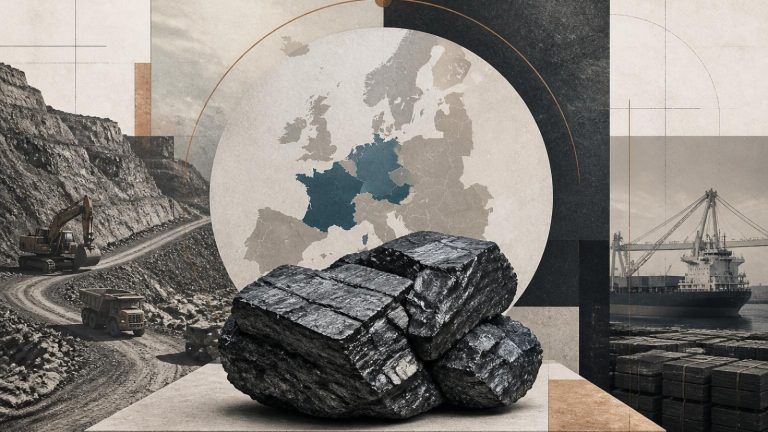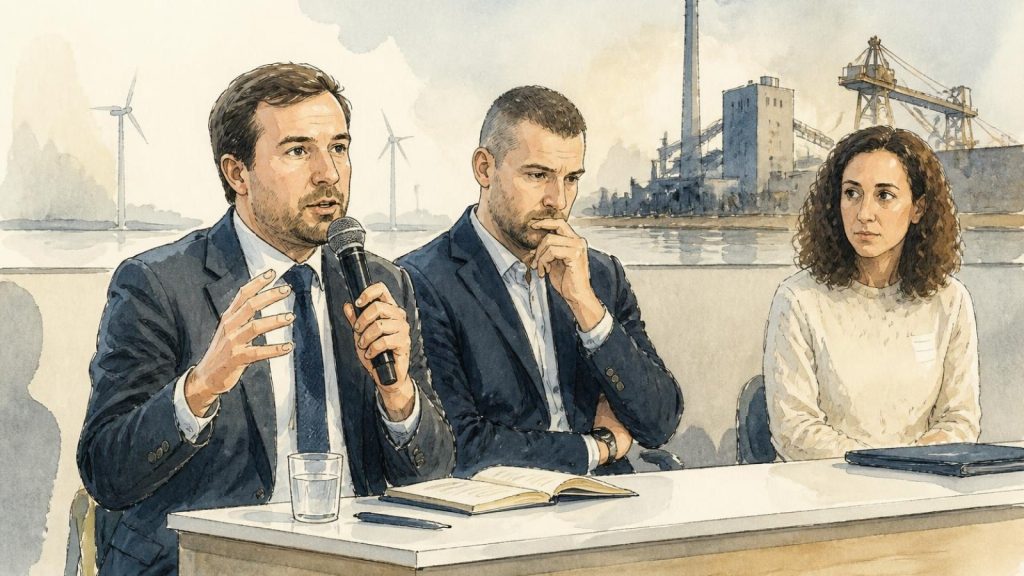
Romain Charvet, Public Affairs Manager for Eramet in France and Europe, recently presented the challenges and opportunities associated with the decarbonisation of manganese alloys, which play a crucial role in the steel production value chain. Eramet has made significant strides in this area with its EraLow initiative, which boasts one of the lowest carbon footprints in the market at 1.9 tonnes of CO₂ per tonne of alloy, compared to the global average of 3.9 tonnes. This achievement is largely attributed to the use of carbon-free electricity sourced from Norway and France, coupled with advanced production techniques.
Eramet’s commitment to sustainability extends beyond current achievements, with ambitious plans to reduce its absolute Scope 1 and 2 CO₂ emissions by 40% by 2035. Key strategies to achieve this include the gradual replacement of fossil fuels with biocarbon and the implementation of Carbon Capture and Storage (CCS) technologies. The company has initiated industrial trials for biocarbon and is conducting studies on biomass availability through the #DKarbonation project, anticipating challenges related to competing land uses.
In addition, a pilot CCS plant is set to commence operations in 2025 at Eramet’s facility in Sauda, Norway, with the goal of capturing 70% of the site’s emissions in the long term. However, Charvet emphasised that the economic model supporting these decarbonisation efforts needs to be developed, particularly in light of strong international competition and global overcapacity in the ferroalloys market. The European Commission’s recent safeguard measures for ferroalloys highlight the urgency of addressing these challenges.
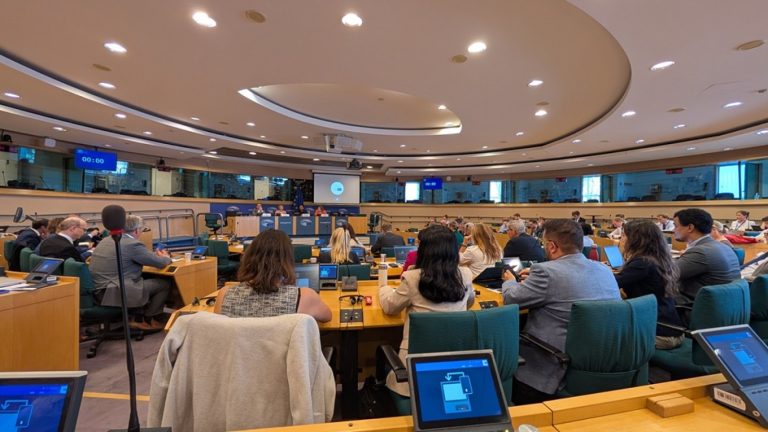
Charvet also called for reforms in the European Trading System (ETS) and the Carbon Border Adjustment Mechanism (CBAM) to ensure that European industries remain competitive while pursuing sustainability goals. He advocated for the Industrial Accelerator Act to serve as a vital tool in promoting a sustainable steel industry within Europe. The discussions at REDIT underscore the collaborative efforts required to navigate the complexities of decarbonisation in the mining and industrial sectors, ensuring a balance between environmental responsibility and economic viability.