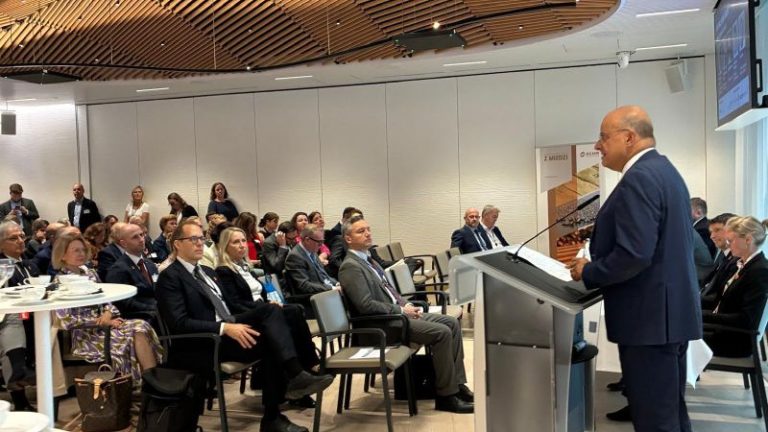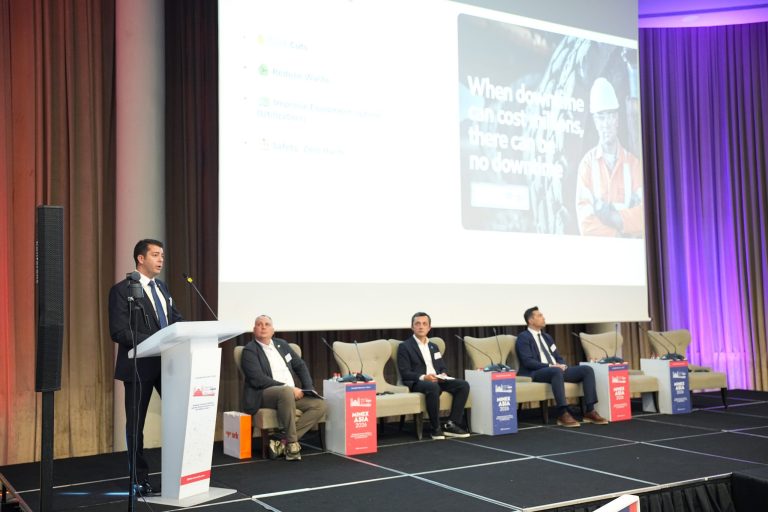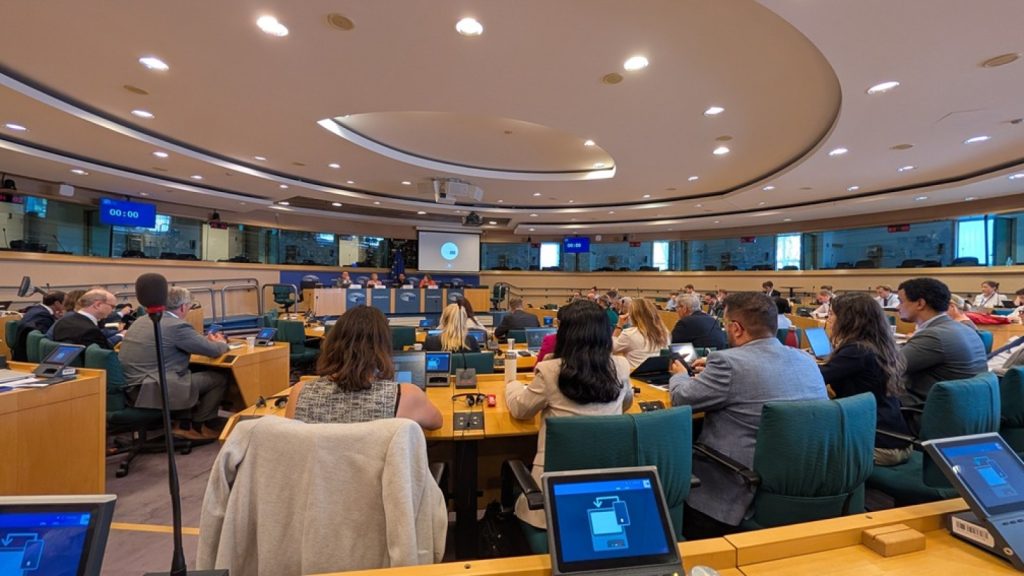
On 29 September, MINEX Forum participated in a significant session at the European Parliament titled ‘Leveraging Raw Materials to Strengthen EU Sustainable Competitiveness & Business Opportunities.’ Hosted by the ENVI Committee and MEP Mohammed Chahim, the event attracted around 100 attendees, including policy officials, MEPs, industry representatives, academics, and researchers. This session also served as a precursor to the JRC’s annual Raw Materials Information System workshop, which took place on 30 September and 1 October, with outcomes feeding into a JRC conference on strategic autonomy scheduled for 2 December.
The session aimed to address two pivotal questions regarding the newly announced European Corporation on Critical Raw Materials and the upcoming announcement of a second tier of strategic critical raw materials projects. While direct answers were not provided, the discussions revealed critical insights into Europe’s approach to securing its raw materials supply chain. Alessandra Zampieri, Director for Sustainable Resources at the JRC, emphasised the importance of raw materials for Europe’s economic security and strategic autonomy, highlighting the need for resource efficiency and a comprehensive approach that encompasses mining, recycling, and substitution.
Nicola Beer, Vice-President of the European Investment Bank, provocatively stated that Europe’s critical raw materials challenge is not primarily a mining issue. She underscored the necessity for strategic analysis, transparent markets, and appropriate financing tools to support investment in critical raw materials projects. Beer pointed out that EU exploration spending is alarmingly low, at around €200 million annually, and must increase significantly to meet domestic extraction goals.
The discussions also highlighted the need for resilient industrial ecosystems rather than merely resilient supply chains. Experts like Rene Kleijn from Leiden University stressed the importance of designing products for disassembly and recycling, while others called for improved market conditions and clearer regulations to foster investment in recycling and recovery of materials.
The session concluded with a call for coherence in European legislation and a focus on practical implementation. The need for domestic demand and long-term offtake agreements was emphasised, as was the importance of addressing the financial risks associated with critical raw materials projects. The candid nature of the discussions was noted as a refreshing change, setting a precedent for future dialogues at the upcoming MINEX Europe Forum in Ireland, where these pressing issues will continue to be addressed.