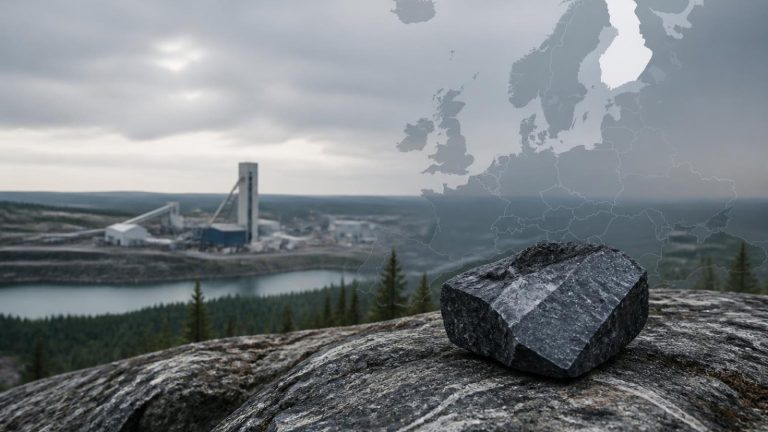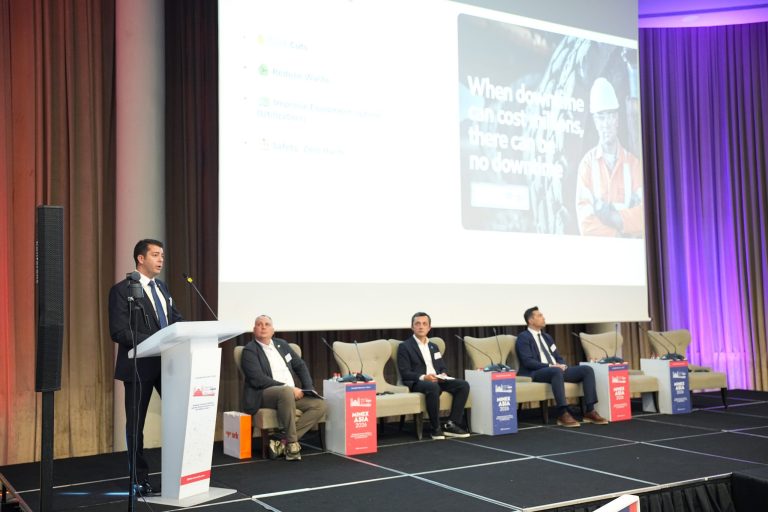
As Euromines celebrates its 30th anniversary, RHI Magnesita’s Anja Moser-Tscharf highlights the critical role of the mining sector in ensuring secure and sustainable access to mineral raw materials in Europe. She emphasises that mineral resources cannot be rapidly activated in response to demand; rather, they require decades of geological expertise, investment, and commitment to develop responsibly. The importance of investing in Europe’s mineral resource base is underscored by the Critical Raw Materials Act, which aims to create a framework for new projects and responsible permitting.
Moser-Tscharf points out that minerals like magnesite, essential for producing magnesia bricks used in the manufacturing of steel, cement, and various metals, are vital for Europe’s industrial resilience and competitiveness. RHI Magnesita operates a vertically integrated global network with over 20,000 employees and 76 production sites, including recycling facilities, with Europe remaining a key area of expertise.
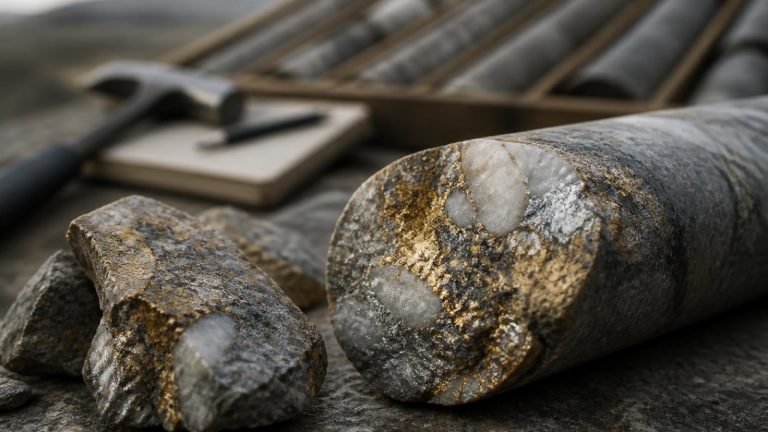
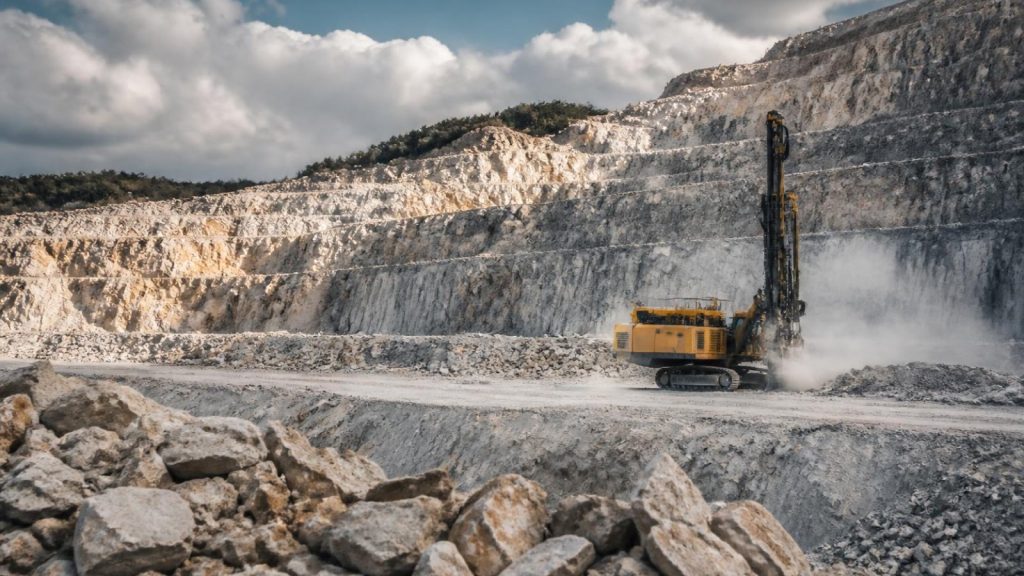
The Dolomite Resource Center in Hochfilzen, Austria, exemplifies how geological knowledge and responsible mining can yield long-term value. This modern operation highlights the need for extensive geological evaluation and investment, showcasing the patience required to develop mineral resources responsibly. The site is also set to feature a carbon mineralisation facility, capable of converting significant amounts of CO₂ into valuable mineral products, illustrating how mining can contribute to climate solutions.
Moser-Tscharf advocates for a complementary relationship between recycling and primary production, stating that responsibly managed mining is essential for providing the resources modern society relies on. RHI Magnesita aims to increase the share of recycled refractory materials in their raw material mix to 20% by 2030, reflecting their commitment to sustainability.
Looking forward, RHI Magnesita’s priorities include strengthening geological knowledge, enhancing resource efficiency, and supporting responsible mining practices that bolster resilient European supply chains. By fostering innovation and collaboration, the company aims to ensure that Europe’s mineral resources continue to support a competitive and sustainable industrial future.