Tag: industrial resilience

  • European Metals Day 2026: Shaping the Future of Europe’s Metals Sector

    European Metals Day 2026: Shaping the Future of Europe’s Metals Sector

    On 29 September 2026, the European Metals community will convene at the European Parliament in Brussels for the highly anticipated #MetalsDay26. This flagship event will bring together members of the European Metals sector, invited guests, policymakers, and industry leaders to engage in critical discussions about the future of Europe’s metals value chains. The event, hosted by prominent Members of the European Parliament (MEPs) including Radan Kanev, Prof. Yannis Maniatis, and Bruno Tobback, promises to be a significant platform for dialogue and collaboration.

    The agenda for #MetalsDay26 includes panel discussions featuring contributions from notable MEPs such as Hildegard Bentele, Sara Matthieu, and Christophe Grudler. Together, these industry leaders and policymakers will address Europe’s key industrial priorities, focusing on competitiveness, sustainability, circularity, and the strategic role of metals in facilitating the green and digital transitions. As Europe strives to enhance its industrial resilience and achieve strategic autonomy, this event aims to foster meaningful dialogue across the metals value chain, contributing to the shaping of the European metals sector’s future.

    European Metals Day 2026 is expected to play a vital role in aligning the interests of various stakeholders within the metals industry, ensuring that Europe remains at the forefront of global metal production and innovation. By addressing pressing issues and exploring collaborative opportunities, the event seeks to strengthen the position of European metals in a rapidly evolving industrial landscape.


  • Strengthening Europe’s Defence Supply Chains Through Resilient Raw Materials

    Strengthening Europe’s Defence Supply Chains Through Resilient Raw Materials

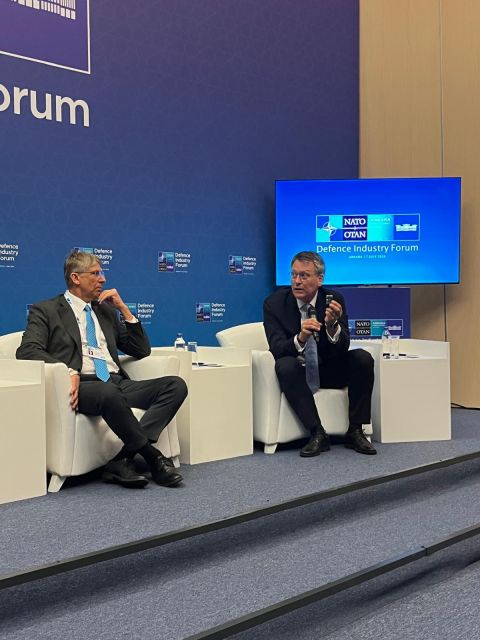
    At the NATO Summit Defence Industry Forum held in Ankara, Euromines President Jan Moström emphasised the critical role of raw materials in ensuring resilient supply chains for Europe’s defence and industrial sectors. The forum brought together leaders from various industries, including semiconductors and automotive, to discuss strategies for future-proofing supply chains amidst rising geopolitical tensions. Moström highlighted that secure access to critical raw materials is essential for maintaining Europe’s industrial competitiveness and technological leadership, particularly in the context of increasing strategic competition.

    During the panel discussion titled “Resilient by Design: Future-proofing Allied Supply Chains,” Moström outlined four key policy priorities aimed at bolstering Europe’s industrial preparedness. Firstly, he advocated for a shift from “just-in-time” to “just-in-case” supply chains, which would better equip industries to handle crises. Secondly, he called for stable and predictable investment conditions, stressing that mining projects require long-term certainty to thrive. Thirdly, he urged the importance of building and maintaining supply chains during peacetime to ensure readiness in times of crisis. Lastly, he emphasised the need to reduce legislative fragmentation and administrative burdens to accelerate the development of strategic projects that Europe urgently needs.

    The discussion underscored that a secure industrial base begins well before the manufacturing stage, rooted in a competitive and responsible mining sector. Moström’s insights reflect a growing recognition that coherent policies and long-term investment certainty are vital for strengthening Europe’s security and industrial base. As NATO and its allies work towards reinforcing industrial resilience, the role of raw materials in this equation cannot be overstated. The forum concluded with a call for strategic prioritisation of secure access to these materials, which are foundational to the continent’s defence capabilities.


  • Ukraine Defies Odds with Steel Production Growth in Early 2025 Despite Key Mine Loss

    Ukraine Defies Odds with Steel Production Growth in Early 2025 Despite Key Mine Loss

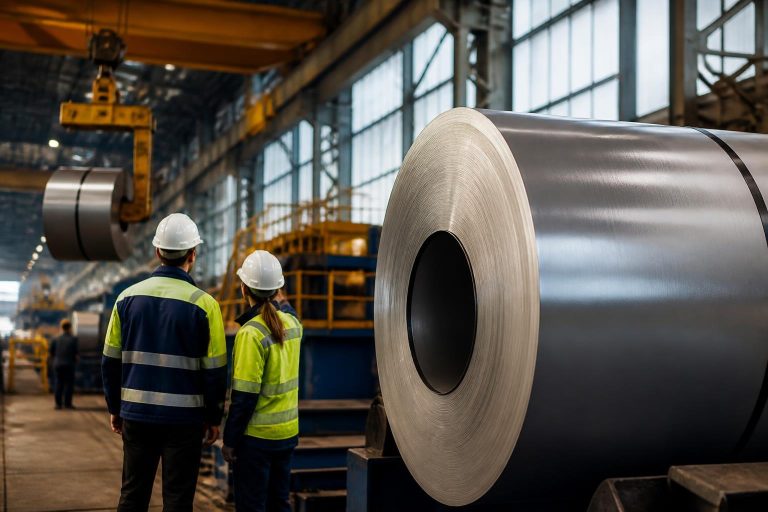
    Ukraine has managed to achieve a 9.9% increase in raw steel production during the first two months of 2025, reaching 1.18 million metric tons, according to data released by the Ukrainian steel producers’ union on Saturday. This growth comes despite the suspension of operations at the country’s key coking coal mine in Pokrovsk, located in the eastern region, due to escalating security concerns as Russian forces advance.

    The suspension of the Pokrovsk mine, operated by Ukrainian steelmaker Metinvest, has raised fears of a significant decline in steel output. The mine, which supplies a critical ingredient for steel production, has been a cornerstone of Ukraine’s industrial sector. The steelmakers’ union had previously warned that the potential closure of the mine could slash production to 2-3 million metric tons in 2025.

    Despite these challenges, Ukraine’s steel industry has shown resilience. The country, once a major global steel producer and exporter, saw its output plummet by 70.7% in 2022 to 6.3 million tonsfollowing Russia’s invasion. Production slightly declined to 6 million tons in 2023 but rebounded to 7.58 million tons in 2024.

    Producers are now exploring alternatives to sustain output, including sourcing coking coal from other domestic locations and relying on imports, though the latter option is expected to drive up costs. The ongoing conflict continues to pose significant risks to Ukraine’s industrial infrastructure, with several major steel plants already destroyed since the war began in February 2022.