Finland is poised to play a crucial role in Europe’s critical materials strategy, which currently lacks a cohesive system for transforming identified projects into operational industrial capacity. While Europe has recognised strategic projects, the real bottleneck lies not in extraction or permitting speed but in what can be termed ‘project conversion’—the ability to turn mineral potential into bankable and executable industrial capacity. This involves connecting geological knowledge with capital, engineering with permitting, and public policy with private investment.
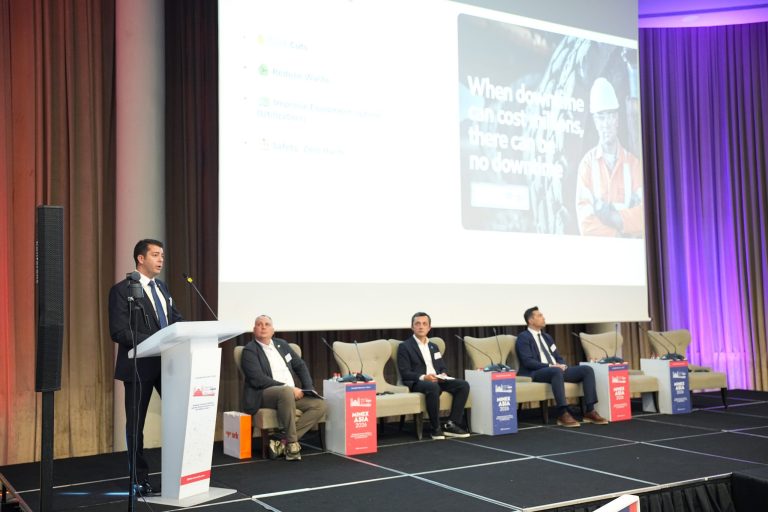
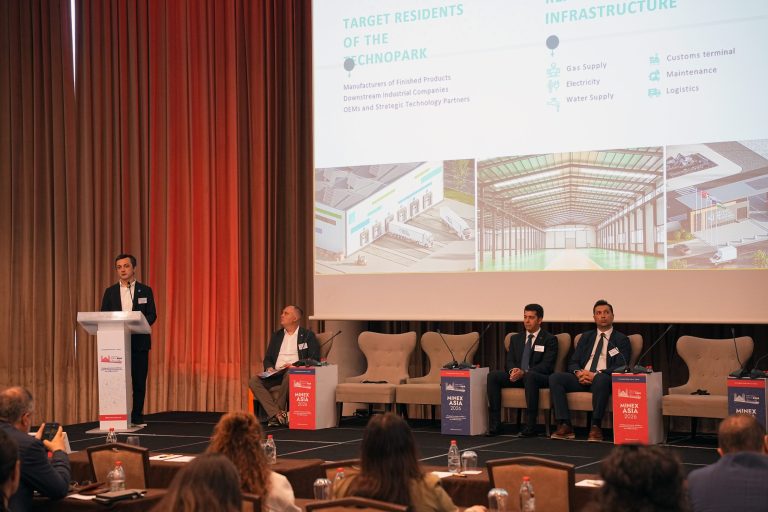
A recent discussion with Arthur Poliakov, Executive Chairman of MINEX, highlighted that successful projects in Europe often combine early public capital or offtake commitments, environmental and social risk management, and local processing capabilities. In contrast, stalled projects frequently face challenges related to financing and political risks, rather than environmental concerns. Thus, while permitting processes are important, they do not guarantee project success if the underlying financial and local legitimacy issues remain unresolved.
Finland has already made strides in this area, with three projects receiving EU Strategic Project Status in March 2025. However, this designation alone does not resolve the critical issues of financing and local acceptance. The proposed European Corporation on Critical Raw Materials aims to strengthen Europe’s procurement position, but without the ability to mobilise risk capital and support mid-stream capacity, it risks failing to convert strategic projects into operational assets.
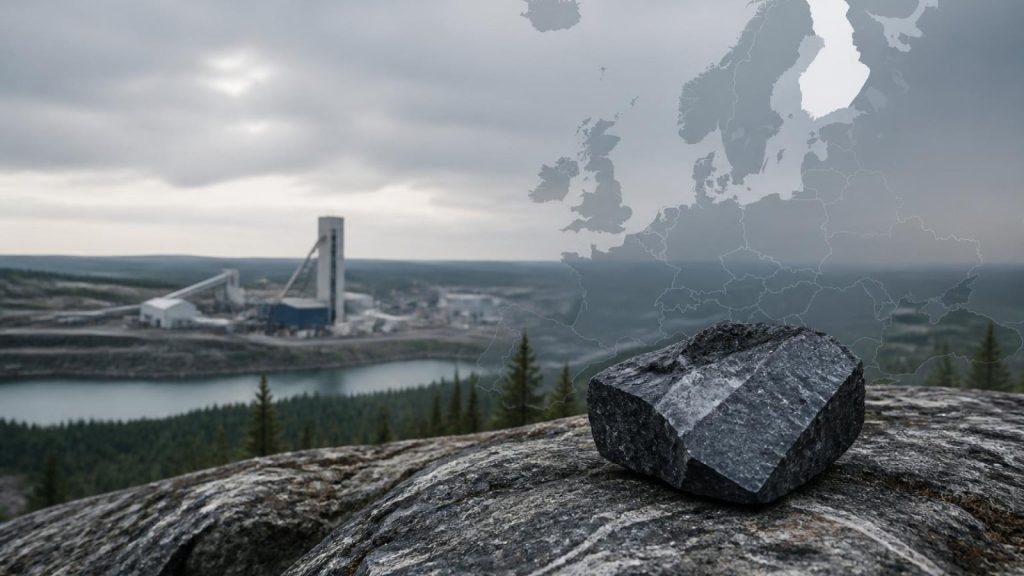
Finland’s existing infrastructure positions it advantageously within the global materials system, with significant contributions to copper and cobalt production. The Keliber lithium project exemplifies Finland’s integrated approach, linking domestic resources with local refining capabilities. However, the challenge remains whether this model can be replicated across other projects in Finland.
To close the project-conversion gap, Finland must connect five key functions: resource intelligence, permittability engineering, public risk-sharing, local value capture, and commercial readiness. While Finland possesses capabilities in each of these areas, they currently operate separately rather than as a cohesive system. A successful conversion platform would not only accelerate project development but also filter out projects that lack the necessary geological, economic, or environmental viability.
Initiatives like ‘More than a Mine’ suggest Finland is beginning to integrate research, industrial capabilities, and public funding more effectively. The true measure of success will be how many projects emerge from this system as competitive, legitimate, and operational. As Finland navigates these challenges, it has the opportunity to establish itself as a leader in Europe’s critical materials landscape, transforming its fragmented strengths into a robust national capability for project delivery.