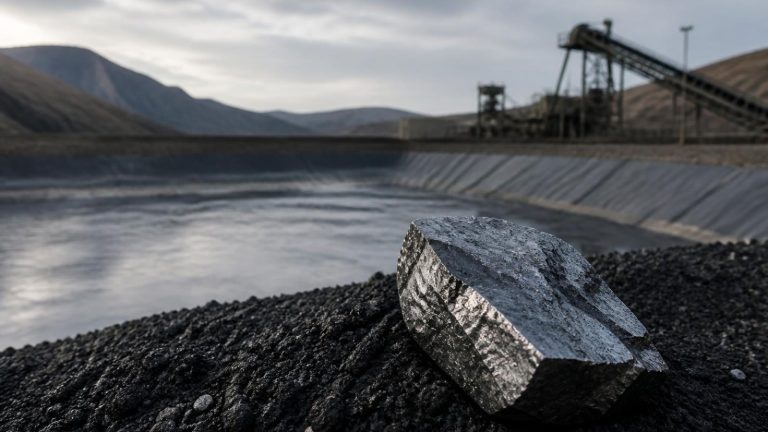
Kazatomprom, Kazakhstan’s national atomic company, has been granted exclusive rights to explore a new uranium deposit located in the Kyzyltu area of the Kyzylorda region. The estimated resources at this site are approximately 10,000 tonnes of uranium. This exploration right is valid for six years, during which Kazatomprom plans to commence geological survey work to clarify the volume of resources and assess the potential of the Kyzyltu deposit.
In addition to the exploration news, Kazatomprom addressed recent changes in the export regulations for sulphuric acid from Russia. The Russian government has modified the export procedures, which now require agreement on export volumes. Kazatomprom clarified that while these new measures do not prohibit exports, they will be in effect until December 31, 2026. Russian suppliers have confirmed their commitment to fulfilling existing contracts for sulphuric acid supply in 2026 and have submitted the necessary documentation to obtain export permits. Discussions are also underway regarding supply conditions for 2027.
Kazatomprom is also preparing for significant uranium sales transactions with China and Russia, aiming to strengthen its position in the global uranium market. The company’s strategic initiatives reflect its commitment to expanding its resource base and ensuring a stable supply chain for its operations, particularly in light of evolving regulatory landscapes and international market demands.