Tag: sulphuric acid

  • Nyrstar Budel Completes Major Turnaround to Enhance Zinc Refining Operations

    Nyrstar Budel Completes Major Turnaround to Enhance Zinc Refining Operations

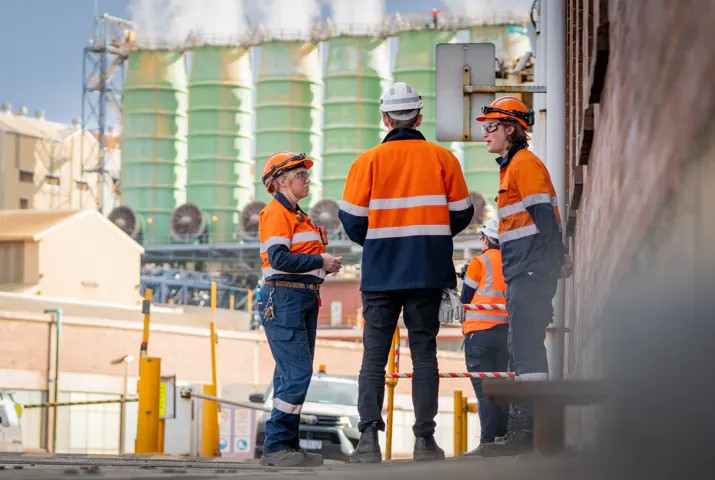
    Nyrstar Budel, located in the Netherlands, has successfully completed one of its most significant turnarounds in decades, involving over 700 contractors and 71 days of dedicated work. This extensive project was undertaken amidst rising energy and operational costs, with a focus on maintaining safety, efficiency, and reliability at the site for the long term. The turnaround included the installation of a new roaster, replacing equipment that had been in use for over 50 years, showcasing the technical expertise required to hoist a 150-tonne section into place. Additionally, new absorption towers for sulphuric acid have been installed, alongside enhancements to the sulfuric acid plant.

    As a vital component of the Dutch metals industry, Nyrstar Budel supports approximately 1,700 jobs in North Brabant and employs a fully electrified electrolysis process for zinc refining. The team is now positioned to scale up the output of critical materials as by-products of their existing operations. In light of this transformation, Nyrstar is urging government support for long-term capital expenditure (CAPEX) initiatives, advocating for measures such as strategic stockpiling, offtake agreements, and price support mechanisms to alleviate structural energy cost challenges.

    The company’s commitment to industrial resilience is encapsulated in their #KeepBuildProtect campaign, which emphasises that the actions taken today will shape the future of the industry. The successful completion of this turnaround not only enhances operational capabilities but also reinforces Nyrstar’s role in the sustainable production of critical minerals, essential for various industries and technologies.

  • Kazatomprom Signals End of ‘Cheap’ Uranium Era Amid Rising Demand

    Kazatomprom Signals End of ‘Cheap’ Uranium Era Amid Rising Demand

    Kazatomprom’s CEO, Meirzhan Yusupov, announced during a financial results conference that the era of ‘cheap’ uranium is coming to an end, as global demand for nuclear energy accelerates. This shift is backed by a commitment from 38 countries, accounting for over 70% of the world’s GDP, to triple nuclear energy capacity by 2050. Yusupov noted that the demand surge is occurring within a disciplined commercial environment, with long-term uranium price indicators remaining stable and reaching an 18-year high. This creates a solid foundation for future long-term contracts, as market dynamics shift towards producers with confirmed large uranium reserves.

    Kazatomprom’s consolidated revenue for the first half of the year rose by 9% year-on-year to nearly 718 billion tenge (approximately $1.57 billion), reflecting financial discipline and a favourable uranium market. However, the industry faces rising production costs, and Yusupov acknowledged that the days of ‘cheap’ uranium are over. The fundamental need for reliable, low-carbon energy remains strong, and global energy companies are aware of this shift, ensuring robust long-term demand for uranium.

    In addition to its financial results, Kazatomprom announced agreements with China’s State Nuclear Uranium Resource Development Company Limited (SNURDC) for spot contracts for natural uranium concentrates, and with Uranium One Group JSC for the sale of uranium concentrates to the Siberian Chemical Combine in Russia. The details of these contracts are confidential but align with current market conditions.

    Recent amendments to Kazakhstan’s Subsoil Code, effective from September, will impact uranium mining licenses, requiring a minimum participation share for Kazatomprom in any organization receiving such licenses. Another amendment shifts the legal framework for uranium exploration from a licensing regime to a contractual one, allowing for a maximum combined term of 11 years for exploration agreements.

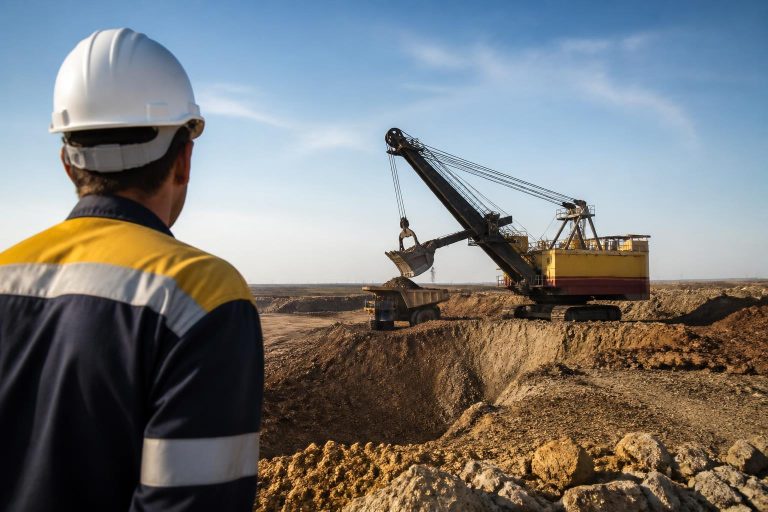
    Kazatomprom also reported a new processing plant with a capacity of 500 tonnes per year at the Zhalpak deposit, with plans to expand to 900 tonnes by 2027. However, the construction of a significant sulphuric acid plant is facing delays due to the discovery of potential paleontological finds at the site. Construction has been paused pending regulatory approval for excavation and analysis of the finds.

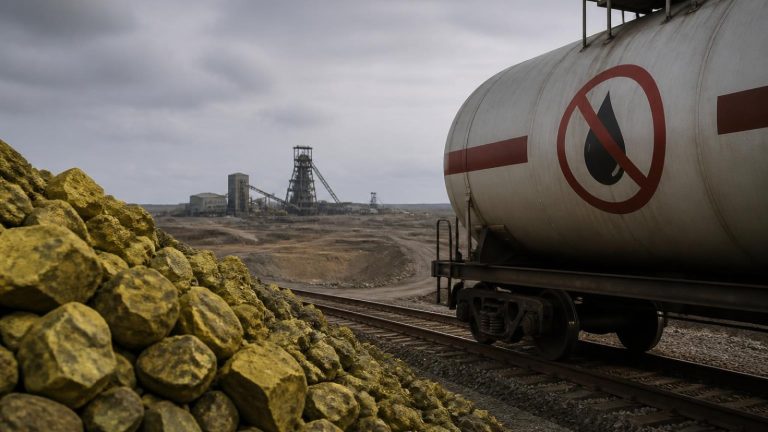
    The sulphuric acid plant is crucial for Kazatomprom’s uranium extraction operations, and uncertainties regarding its supply have impacted production plans. The total investment in the sulphuric acid plant project is estimated at approximately 113 billion tenge ($2.6 million). The expected commissioning date for the plant has been pushed back to between Q3 2027 and Q1 2028, a delay of 6-12 months, although Kazatomprom anticipates that this will not significantly affect its uranium production operations.


  • Kazakhstan to Build Copper Smelting Plant in Balkhash with 750 Billion Tenge Investment

    Kazakhstan to Build Copper Smelting Plant in Balkhash with 750 Billion Tenge Investment

    The government of Kazakhstan has approved an investment agreement for the construction of a copper smelting plant in Balkhash, Karaganda region, with a total investment of 750 billion tenge. The agreement was signed by Prime Minister Olzhas Bektenov and involves the Ministry of Industry and Construction along with Qazaq Smelter LLP. Construction is set to begin in 2027, with the plant expected to commence operations by 2030.

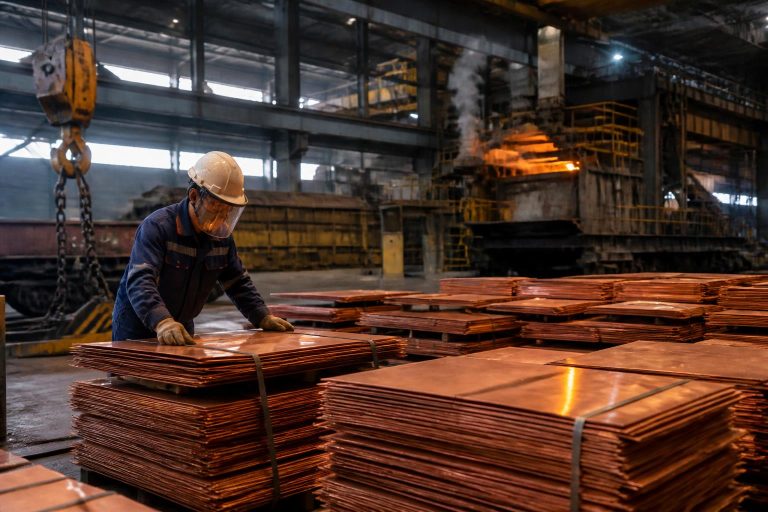
    The new facility will boast an annual production capacity of 300,000 tonnes of cathode copper, alongside the production of 10 tonnes of gold, 300 tonnes of silver, and over 1.5 million tonnes of sulphuric acid. This ambitious project is anticipated to create approximately 1,200 permanent jobs, significantly contributing to the local economy. The introduction of these new capacities is projected to increase Kazakhstan’s copper production by 50%, raising annual output to over 800,000 tonnes.

    Furthermore, the export of high-value-added products is expected to rise from 460,000 tonnes to 760,000 tonnes of copper annually. The plant will be equipped with modern technologies and digital solutions, aligning with global standards in the mining and metallurgy sectors. This initiative underscores Kazakhstan’s commitment to enhancing its mining industry and boosting economic growth through strategic investments.


  • Aurubis Reports Strong Q1 Earnings Driven by High Metal Prices and Copper Demand

    Aurubis Reports Strong Q1 Earnings Driven by High Metal Prices and Copper Demand

    Aurubis, Europe’s largest copper producer, posted stronger-than-expected first-quarter earnings, fueled by rising metal prices, strong copper product sales, and increased revenue from sulphuric acid. The company also benefited from lower costs, contributing to a 17% year-on-year rise in pre-tax earnings to €130 million ($135 million), surpassing analyst estimates of €126 million.

    CFO Steffen Hoffmann highlighted the growing demand for sulphuric acid, widely used in fertilizers and the chemical industry, which is helping offset declining refining fees for copper concentrate. Analysts predict a sharp drop in benchmark refining fees from $80 per tonne to around $20–$25 in 2025, posing a challenge for smelters like Aurubis.

    Despite concerns over potential U.S. tariffs, Hoffmann reaffirmed the company’s strategic focus on local production. Aurubis is expanding its recycling plant in Georgia, adding a second module that will increase blister copper output from 35 to 75 kilotonnes.

    The Hamburg-based company, which recycles raw materials into copper anodes, cathodes, and wire rods, expects the artificial intelligence (AI) boom to drive further demand for its wire rod products, a crucial component in data centers.

    Aurubis confirmed its full-year outlook, maintaining confidence in sustained demand and strategic expansion.