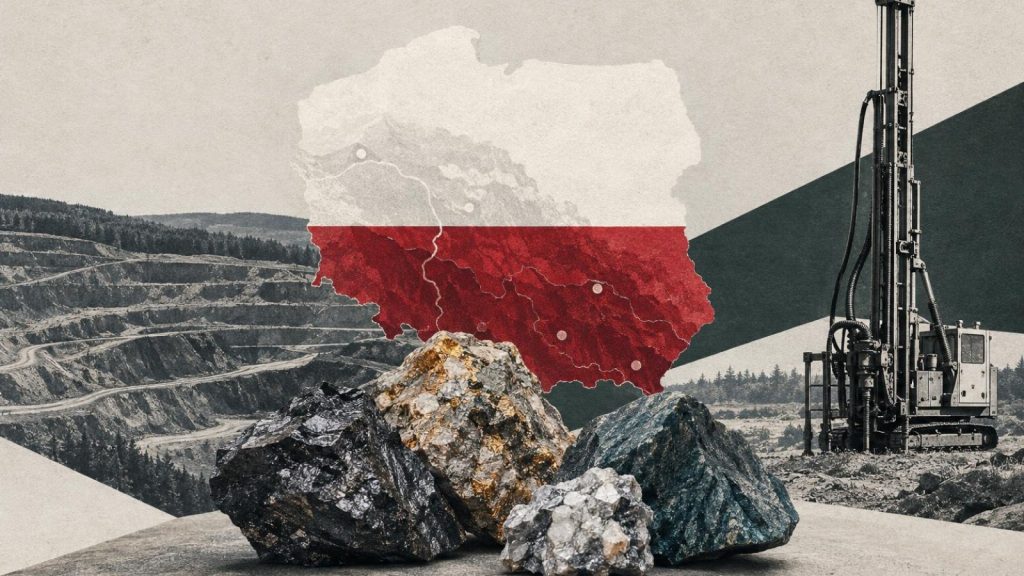
Poland is set to allocate approximately PLN 185.7 million to enhance the assessment of its domestic critical raw material resource base through the newly adopted National Critical Raw Materials Exploration Program (KPPSK). Officially approved by the Council of Ministers on September 2, 2026, this initiative will span from 2026 to 2033 and will be executed by the Polish Geological Institute under the oversight of the minister responsible for environmental affairs, with support from the Chief National Geologist. The funding for this ambitious program will be sourced from the National Fund for Environmental Protection and Water Management.
The KPPSK program is designed to focus on the exploration and research of various critical raw materials, including copper, platinum group metals, graphite, fluorite, tungsten, and mineral resources containing rare earth elements (REEs). The program will encompass a range of activities such as geophysical surveys, geochemical analyses, geological mapping, and core drilling. The scope of subsequent work will be contingent upon the results obtained from these initial studies, which aim to provide a clearer understanding of geological structures, the distribution of mineralized zones, and the overall mineral resource potential of the investigated areas.
This initiative marks a significant step forward for Poland, as the KPPSK will enhance the country’s geological understanding of its critical raw material occurrences. The data generated from this program will be crucial for informing future investment decisions in both mining and processing sectors. A comprehensive knowledge of Poland’s resource base is essential for securing supplies, developing geological and mining expertise, and bolstering the resilience of value chains across various sectors, including manufacturing, energy, and defense.
In summary, the KPPSK represents a proactive approach by the Polish government to strengthen its position in the global mining landscape and ensure the sustainable management of its critical raw materials. The program is expected to not only improve the country’s geological knowledge but also contribute to the overall economic stability and security of supply chains in key industries.