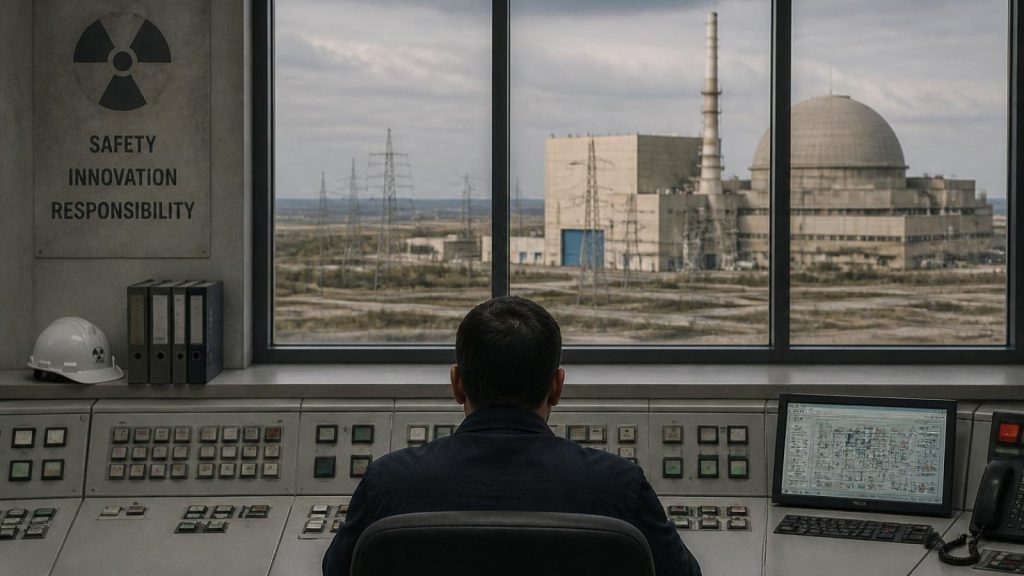
Kazakhstan’s push to build out its nuclear sector took another step on 22 October, when President Kassym-Jomart Tokayev received Almasadam Satkaliev, chairman of the Agency for Atomic Energy, for a review of the agency’s 2026 results.
According to the presidential press service, the briefing covered the whole nuclear value chain: construction of nuclear power plants, atomic science and innovation, training of specialist staff, and increasing the share of Kazakh content in industry projects. Two areas drew particular attention: the creation of a Semipalatinsk nuclear safety zone, and the improvement of radioactive waste management, alongside a tighter legal framework for nuclear and radiation safety.
Tokayev asked for national nuclear power development to stay under special control and for the tasks in the Nuclear Industry Development Strategy to be delivered on schedule.
Why it matters for the mining community
Kazakhstan is already the world’s largest uranium producer, so the country’s nuclear policy matters well beyond its borders. The emphasis on local content and domestic skills points to a more integrated industry, with more of the value created at home alongside raw material exports. For suppliers, engineering firms and investors, procurement rules and workforce programmes under the strategy are worth watching.
The Semipalatinsk zone is also notable. The former Soviet test site is one of the region’s most sensitive legacies, and a dedicated safety framework there, together with clearer waste rules, signals that safety and environmental governance are being treated as part of the industry’s growth, not an afterthought.