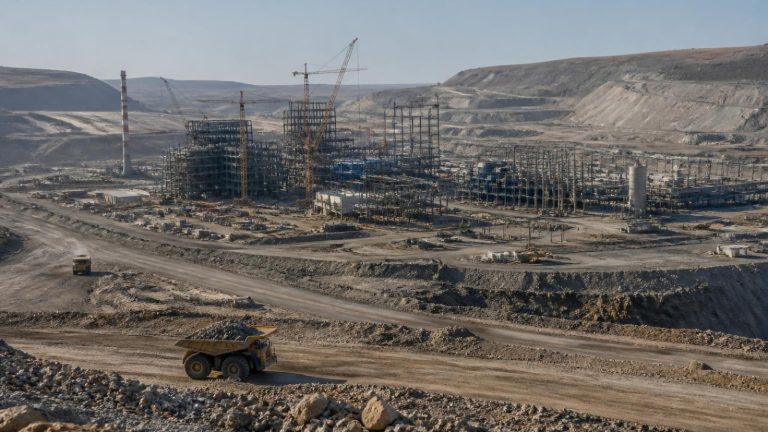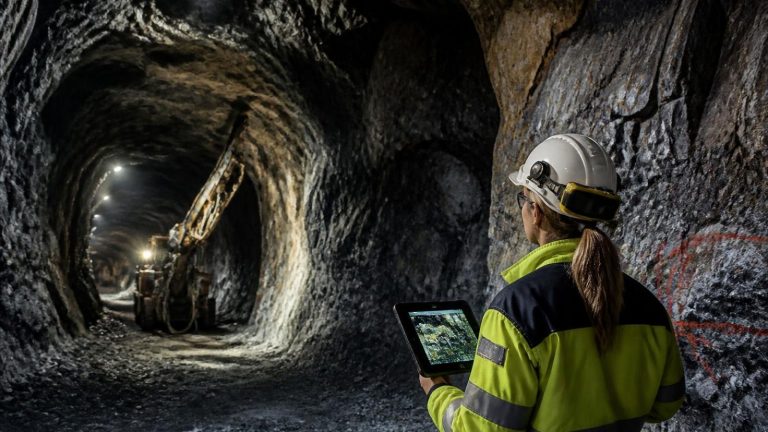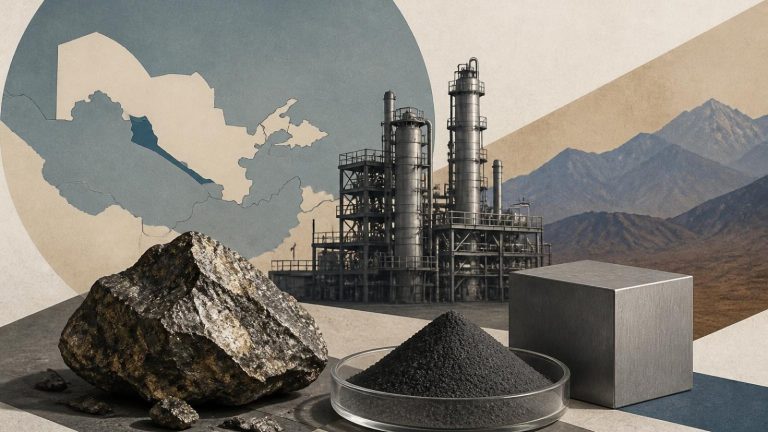
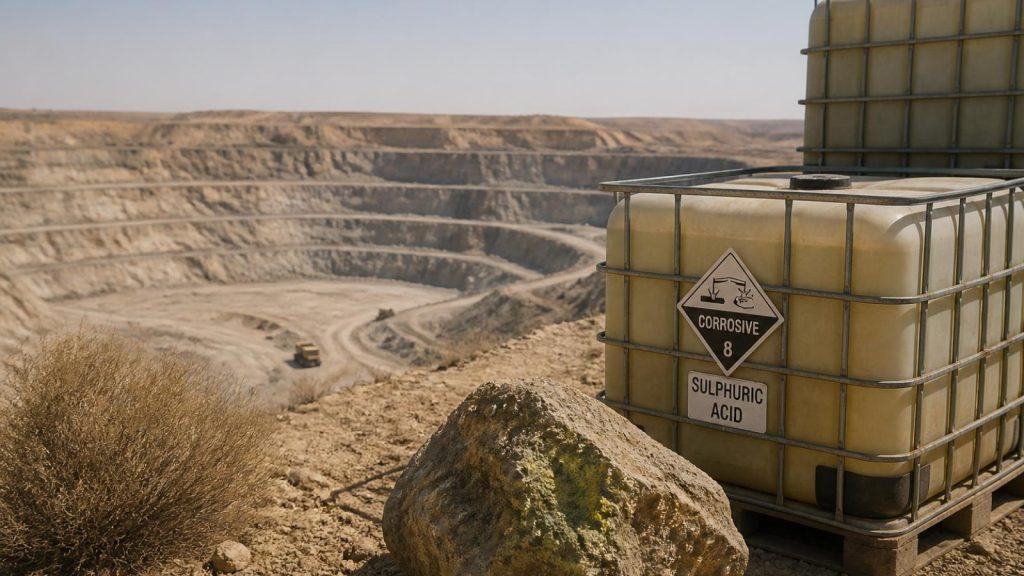
Uzbekistan is emerging as a significant player in the global uranium market, with its state miner Navoiyuran doubling output to 7,000 tonnes in 2025 and setting an ambitious target of 15,000 tonnes by 2030. This goal, however, hinges on the availability of sulphuric acid, a crucial component in uranium extraction, which Uzbekistan is struggling to secure. The country’s current production methods require substantial amounts of sulphuric acid, with projections indicating that reaching the 15,000-tonne target would necessitate approximately 3 million tonnes of acid annually—almost double the national output in 2024.
Navoiyuran’s operations rely heavily on sulphur sourced from local fertiliser manufacturers and the Almalyk copper smelter, which has faced production shortfalls. The smelter’s acid production fell short by 11% in the first half of 2026, yet Navoiyuran managed to secure 102% of its acid allocation, highlighting the competitive nature of acid distribution in Uzbekistan. The government’s focus on increasing fertiliser production by 50% by 2030 complicates Navoiyuran’s ambitions, as the demand for acid from fertiliser producers could limit the availability for uranium mining.
The future of Uzbekistan’s uranium output is further complicated by the reliance on sulphur imports, primarily from Kazakhstan and Turkmenistan. However, geopolitical tensions and export restrictions from Russia have made securing these imports increasingly difficult. Kazakhstan, which produces significantly more sulphur than Uzbekistan, poses both a competitive threat and a potential supplier. The dynamics of sulphur pricing are also concerning, with costs rising sharply due to limited availability, which could significantly impact Navoiyuran’s operational costs and profit margins.
Moreover, the construction of a new copper smelter that could produce acid without sulphur is not expected to be completed until at least 2030, adding to the uncertainty surrounding Navoiyuran’s expansion plans. The company’s growth strategy also faces challenges from the need for continuous drilling and the development of new processing facilities, which require substantial capital investment. Despite these hurdles, Navoiyuran has shown resilience, evidenced by its ability to exceed production targets and secure financing through international bond markets.
In conclusion, while Uzbekistan’s uranium ambitions are bold, the path to achieving them is fraught with challenges related to acid and sulphur supply, competition from neighbouring countries, and the need for significant infrastructure development. The interplay between domestic agricultural needs and uranium production will be critical in determining the future of Uzbekistan’s role in the global uranium market.