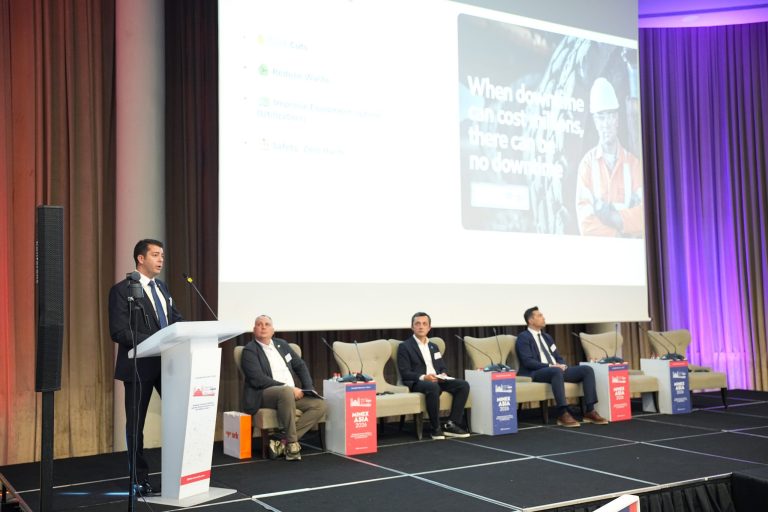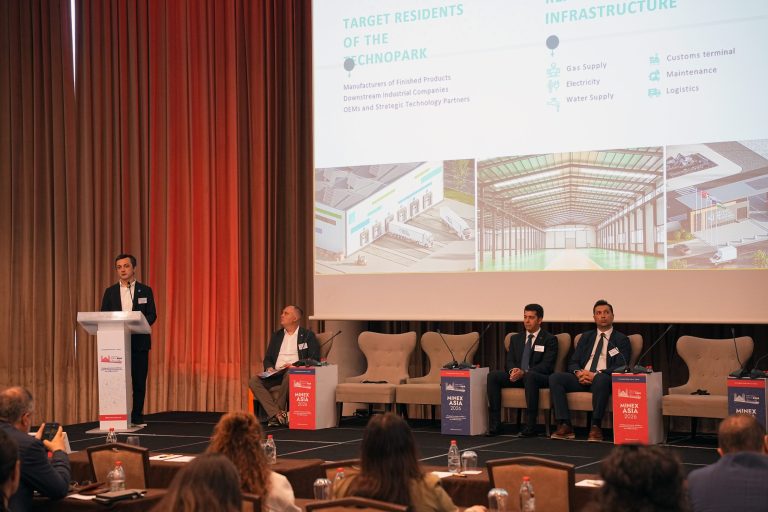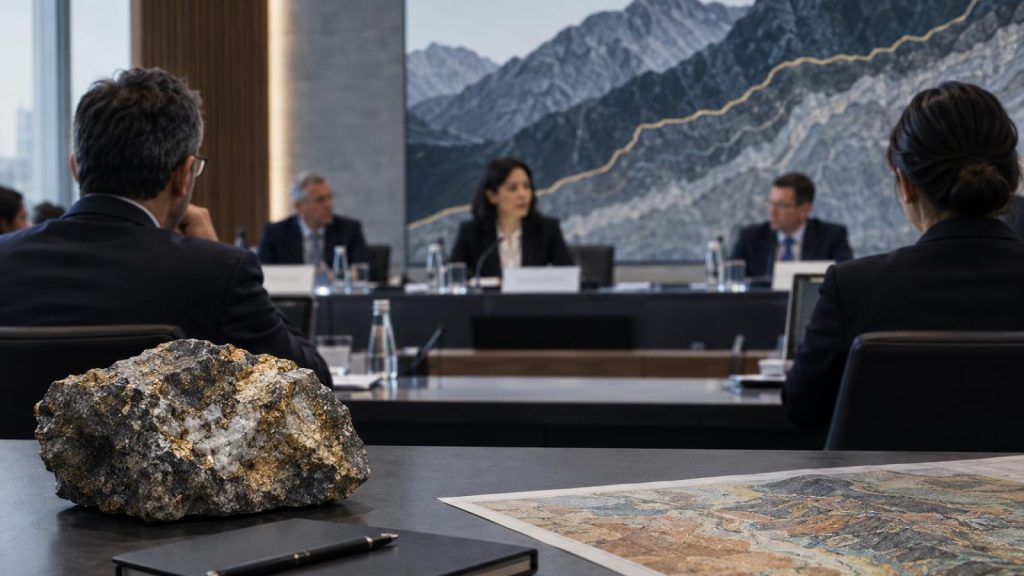
On 13 September, Tashkent hosted an international roundtable titled ‘Modern Geology: Policy, Technology, Regional Research and Human Capital’ as part of the preparations for GEOMIN 2026. The event was inaugurated by Feruza Khamidova, the First Deputy Minister of Mining Industry and Geology of Uzbekistan. It brought together a diverse group of participants, including heads and representatives from geological surveys, research institutions, and government agencies from various countries such as France, Finland, the United Kingdom, the Netherlands, Kazakhstan, Egypt, Türkiye, and the United States, alongside representatives from international professional organisations.
The discussions centred on the digital transformation of the geological sector and the adoption of modern research methodologies. A significant focus was placed on the application of artificial intelligence (AI) in the processing of geological, geophysical, and geochemical data. Participants explored the integration of various research methods, the development of 3D models, and the creation of digital twins to enhance geological research and exploration.
Khamidova highlighted Uzbekistan’s ongoing initiatives to digitise its geological data and integrate it into a National Geological Database. Emphasis was placed on the importance of data standardisation and interoperability, alongside the introduction of modern digital solutions and AI in mineral exploration. The roundtable also addressed critical minerals, improvements to resource classification systems, and the need for enhanced reporting standards, as well as the expansion of international investment cooperation in the sector.
Furthermore, the event underscored the role of national geological surveys in improving access to information and fostering an environment conducive to new project implementations. The training of young professionals was another key topic, with discussions on developing international education and research programmes. The integration of geoinformatics, data analysis, and 3D modelling into educational curricula was deemed essential for preparing the next generation of geologists.
The meeting concluded with a consensus on promising areas for further collaboration between geological surveys and research institutions, paving the way for future advancements in the field of geology and mining.