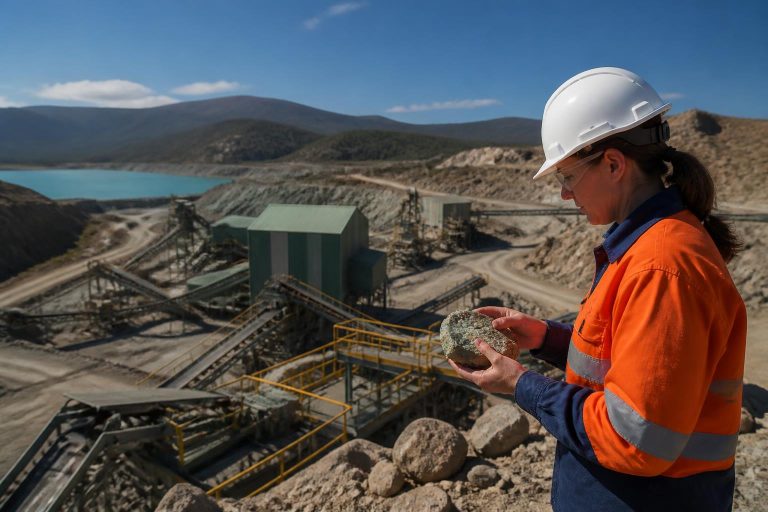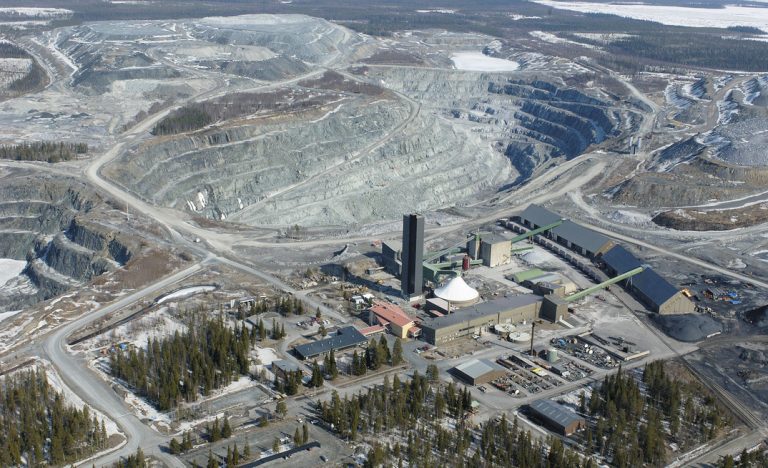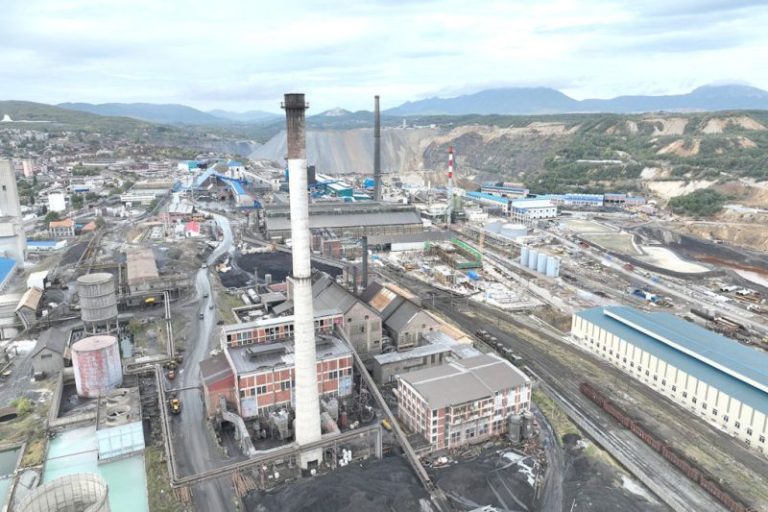
Kaznikel has successfully extended its mining contract for the Gornostayevskoye nickel-cobalt deposit located in the Beskaragay district of the Abai region until 2026, as reported in its financial documentation for the previous year. The company initially sought an extension of the exploration period in 2018, which was granted by the authorities of Kazakhstan, allowing for a transition to pilot industrial extraction for three years to assess commercial viability. The latest amendment to the contract, signed on December 1, 2023, extends the period for underground leaching operations until February 26, 2026.
The management of Kaznikel considers December 1, 2023, as the date of commercial discovery at the Gornostayevskoye site. However, prior to signing the latest contract amendment, the company had suspended operations due to insufficient funding. Following the signing of the contract amendment, Kaznikel has yet to commence extraction activities. On September 30, 2025, the company signed an additional amendment to extend the contract until February 26, 2046.
The underground leaching method, which is also used in uranium extraction, allows for the dissolution of metals using a weak sulfuric acid solution without bringing ore to the surface. However, rising costs of sulfuric acid and a surplus in the global nickel market pose challenges for the project’s viability. According to Kaznikel’s reports, the state commission on reserves approved the estimated reserves of silicate cobalt-nickel ores at the Gornostayevskoye deposit in October 2023, with nickel reserves of 616.1 thousand tonnes at an average grade of 0.65% and cobalt reserves of 41.1 thousand tonnes at an average grade of 0.042%.
In 2025, it was reported that the reserves at the Levoberezhny site, which was planned to be developed first, were estimated at 138.51 million tonnes of ore, containing 793.6 thousand tonnes of nickel and 54.27 thousand tonnes of cobalt. The maximum production capacity was projected at 20 thousand tonnes of nickel per year, with an 18-year development timeline for Gornostayevskoye. Pilot industrial tests of the technology at the site have been ongoing since 2018.
Despite the optimistic projections, Kaznikel did not meet its production targets for December 2023 and the subsequent years. According to the work programme associated with the latest contract amendment, the cumulative production of nickel and cobalt by December 31, 2025, was expected to reach 2.3 thousand tonnes and 76 tonnes, respectively. The company reported an uncovered loss of 4.4 billion tenge by the end of 2025, with a negative income of 387 million tenge for the previous year.
Kaznikel has relied on interest-free loans from related parties to fund its operations, with debts reaching nearly 202 million tenge by the end of the previous year. The company faced financial difficulties, including frozen accounts due to overdue trade debts. In the first quarter of 2026, Kaznikel managed to settle part of its creditor obligations, while the ownership structure remains dominated by BMT NiCo Ltd and Mining Technologies Company, with recent changes in the ownership structure indicating a shift in control through Fincraft Resources.