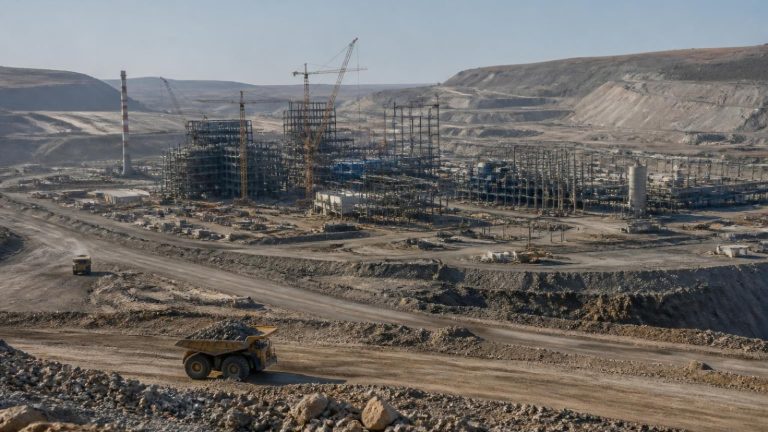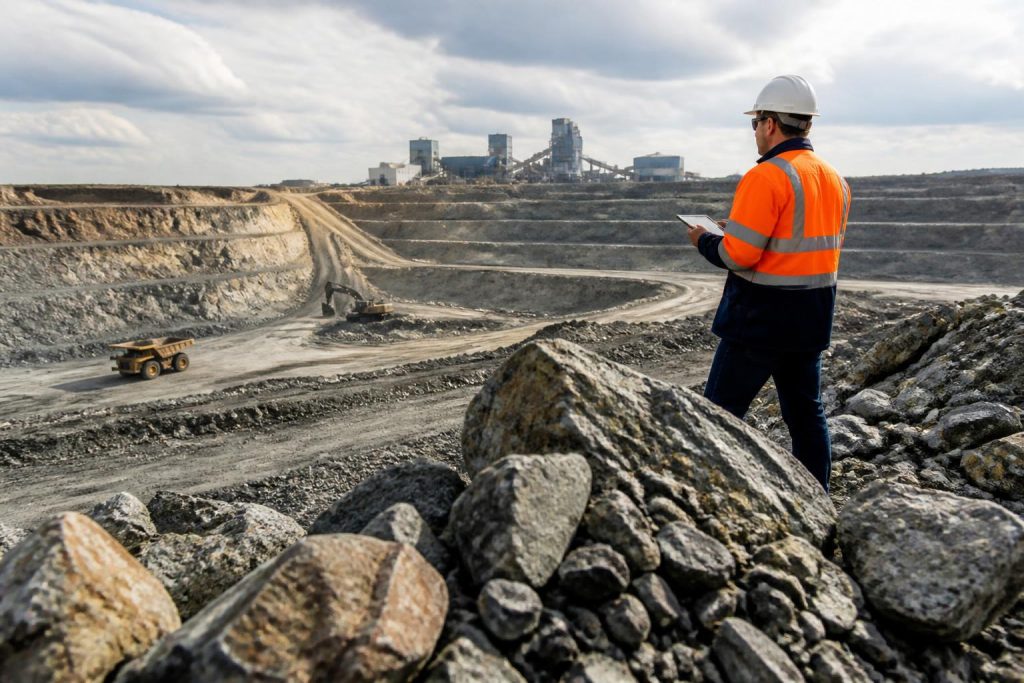
Kazakhstan is poised to strengthen its position in the global supply chains of critical minerals amid rising worldwide demand. The country’s rich resource base is becoming increasingly significant for high-tech industries, energy, IT, aerospace, and defence sectors. The desire of major economies to diversify their supply sources opens up additional opportunities for attracting investment and developing processing capabilities. This strategic importance was highlighted during a Security Council meeting chaired by President Kassym-Jomart Tokayev, who noted the intensifying competition for rare and rare earth metals. He emphasised the need to effectively utilise the country’s resource and production potential while developing local competencies and creating higher value-added products.
The discussion on Kazakhstan’s prospects in this market, the development of geological exploration, attracting technology and investment, and transitioning to deeper processing was led by industry expert Telman Shuriyev. He pointed out that while Kazakhstan remains a resource-rich country, with a significant portion of its exports comprising oil, gas, and metals, there is a growing trend towards developing the mining and metallurgical complex. The increasing demand for critical minerals from Europe, China, and the USA provides a strong impetus for Kazakhstan to leverage its capabilities in this sector.
Kazakhstan currently holds a leading position in Central Asia, but neighbouring Uzbekistan is also developing rapidly and offering its metals to Chinese, European, and American markets. To maintain its competitive edge, Kazakhstan must not fall behind in this race. The country has substantial geological potential yet to be unlocked, necessitating an increase in geological exploration and the attraction of new technologies. Cooperation with China, particularly in technology transfer, is seen as essential for accessing other markets.
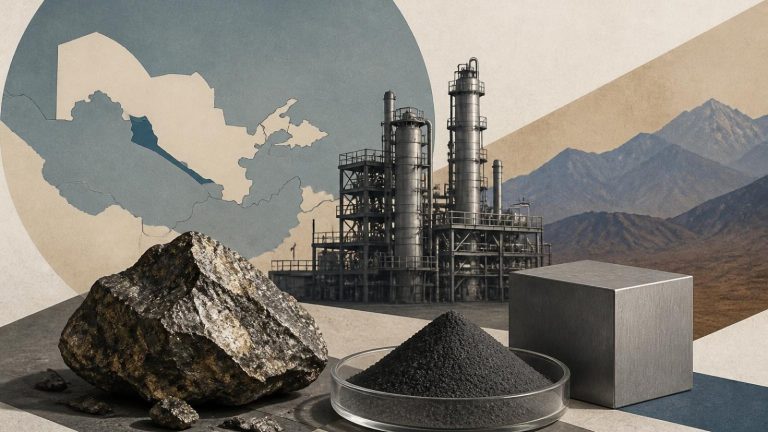
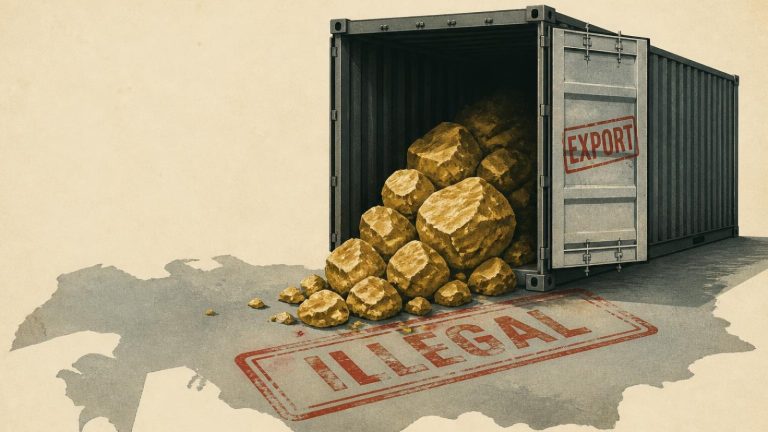
The President has tasked the nation with moving away from a raw material model to producing higher value-added products. However, Kazakhstan still predominantly exports metals in the form of concentrates or raw materials, with fewer projects focusing on high-value production. The next step involves producing finished metal products and utilising rare earth metals in high-tech components. The government is gradually regulating this transition, including limiting the export of certain concentrates to encourage domestic processing.
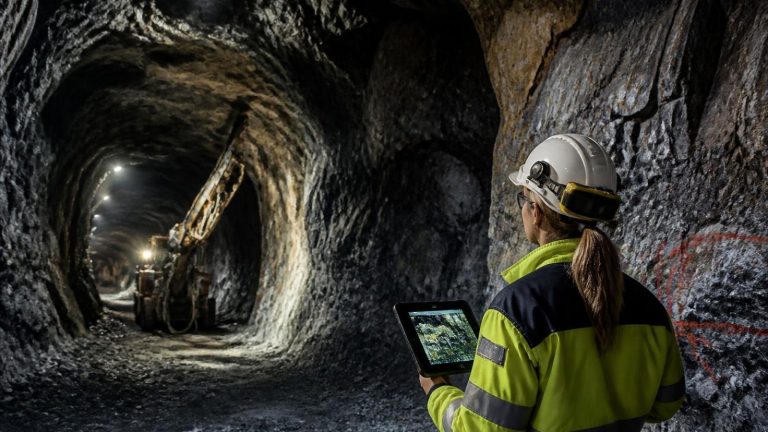
Geological exploration plays a crucial role in this strategy. Historically, many deposits were discovered based on the most obvious and in-demand raw materials, such as copper and gold. However, there is now a growing interest in tungsten, molybdenum, and rare earth metals. To better understand its critical material reserves, Kazakhstan must enhance the accessibility of geological information for investors and stimulate the arrival of new technologies.
Kazakhstan’s significant stock of technogenic mineral formations (TMOs) presents another opportunity. With over 58 billion tonnes of TMOs accumulated, there is potential for these to serve as a new raw material base. Recent tax incentives introduced in 2024 have already increased interest in this area, particularly from Chinese companies looking to invest in Kazakhstan’s industrial projects. By effectively processing TMOs, Kazakhstan can extract valuable metals while addressing environmental concerns.
The elevation of critical materials to the level of the Security Council underscores their strategic importance. This move signals to industrial companies, small and medium businesses, government bodies, and investors that Kazakhstan is serious about diversifying its economy and enhancing its technological sovereignty. With the right investments, technology transfers, and a well-thought-out tax incentive system, Kazakhstan can carve out a niche in the global market for critical minerals, contributing to the diversification of supply chains for the USA, Europe, and beyond. The country has the potential to become a significant player in this field, provided it acts swiftly to develop its resources and capabilities.