Website: Europe.com

  • MateriNex Co-Chair Tom Discusses Strategic Raw Materials and European Collaboration

    MateriNex Co-Chair Tom Discusses Strategic Raw Materials and European Collaboration

    In an insightful interview, Tom, the newly re-elected Co-Chair of the MateriNex Common Interest Group on Strategic and Critical Raw Materials, outlines his vision for the future of sustainable raw materials in Europe. He emphasises the urgent need for action over dialogue, advocating for a shift from mere discussions to tangible outcomes such as permits, plants, partnerships, and production. Tom argues that Europe must not outsource critical stages of the value chain if it seeks strategic autonomy.

    Tom envisions MateriNex as a collaborative platform where industry leaders, researchers, and policymakers can work together, breaking down silos to foster integrated projects. He highlights Flanders’ potential, citing its strong research capabilities, a robust chemical sector, and initiatives like Flanders Metals Valley as key ingredients for success. The establishment of Critical Raw Materials Hubs is a priority, aiming to create coherent industrial ecosystems that connect processing, refining, and recycling activities.

    Reflecting on his career, Tom stresses the importance of managing trade-offs in the pursuit of sustainability. He argues that the narrative of choosing between industry and the environment is misleading. Instead, he believes that critical metals are essential for cleantech and the energy transition, and that Europe must take responsibility for the entire value chain, from extraction to consumption.

    Tom identifies fragmentation as Europe’s greatest weakness, despite its wealth of scientific talent and industrial innovation. He calls for a concerted effort to connect mining, refining, manufacturing, and recycling into integrated value chains, asserting that no single entity can tackle the challenges of critical materials alone. The future lies in collaborative ecosystems rather than isolated organisations.

    He also addresses the misconception that recycling alone can meet the demands of the energy transition. While recycling is vital, it cannot replace the need for responsible mining, particularly for materials like lithium and cobalt, which are essential for technologies such as electric vehicles and wind turbines. Tom warns against complacency, urging Europe to engage in difficult conversations about sourcing materials under high environmental and social standards.

    In conclusion, Tom reflects on his experiences with the RAW MATTERS podcast, noting that discussions with various stakeholders have deepened his understanding of the complexities surrounding critical raw materials. He underscores the urgency for Europe to act decisively, likening the situation to a bus that is leaving without them if they do not engage proactively in global partnerships. The time for hesitation has passed, and the focus must now be on collaboration and action to secure a sustainable future for the mining and materials industry in Europe.
  • Transforming Critical Minerals Strategies into Viable Projects: Insights from OECD Conference

    Transforming Critical Minerals Strategies into Viable Projects: Insights from OECD Conference

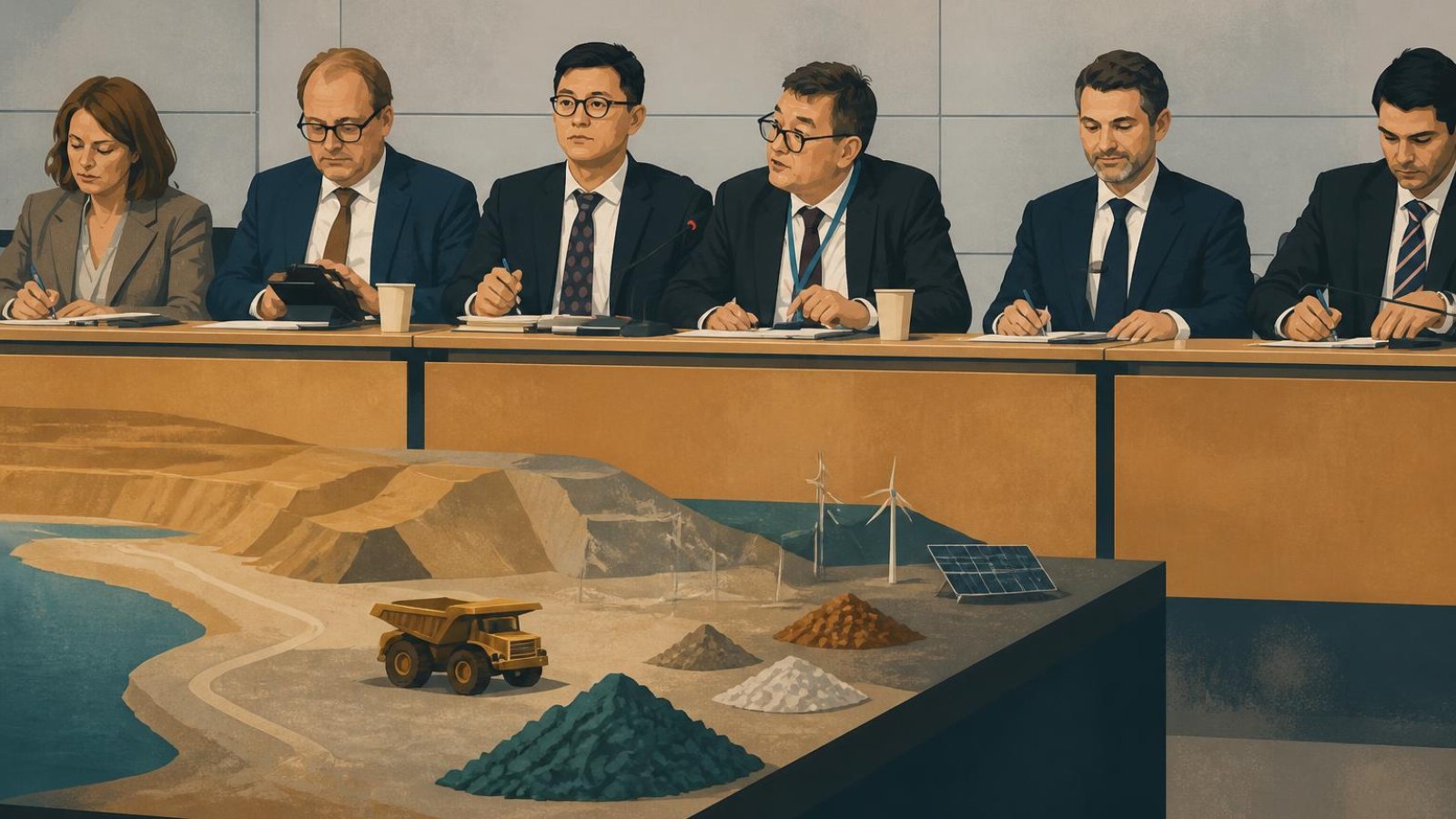
    At the OECD – OCDE Conference Centre in Paris, industry leaders gathered for a pivotal discussion hosted by Business at OECD, focusing on the transformation of critical minerals strategies into bankable projects. The dialogue highlighted a significant disconnect between the strategic importance of critical raw materials and their current market prices. This disparity arises from the fact that while supply is readily available at low costs, it is heavily concentrated among a few major players, leading to concerns about future demand not being sufficiently met.

    To address these challenges, four key conditions were identified as essential for strengthening critical minerals supply chains. Firstly, it is crucial to acknowledge sovereignty, resilience, and environmental, social, and governance (ESG) requirements as positive externalities that should influence price signals. This can be achieved through targeted capital expenditure (CAPEX) support, long-term demand commitments, and revenue-support mechanisms such as minimum price floors, volume guarantees, and public offtake agreements.

    Secondly, there is an urgent need to boost support for high-risk exploration investments. The availability of quality mineral deposits is dwindling, and exploration spending has significantly decreased from approximately $20 billion in 2012 to just $12.4 billion today. Notably, a substantial portion of this investment continues to be directed towards gold, with only a small fraction allocated to critical minerals like lithium, nickel, and rare earths.

    Thirdly, ensuring that demand aligns with supply is vital. Legislative measures such as the ‘Made in Europe’ requirements under the Industrial Accelerator Act can help strike a balance between sourcing obligations and public support, fostering a more sustainable approach to critical minerals sourcing.

    Lastly, there is a pressing need for coordinated investment from public development banks in mining-related infrastructure, which should align with broader developmental goals in host countries. This approach can create mutually beneficial outcomes for both the extraction country and the end customer, enhancing the overall resilience of critical minerals supply chains.

    The discussion concluded with a strong emphasis on the intrinsic value of sovereignty and resilience in the critical minerals sector, underscoring the importance of recognising and financing these elements to ensure a stable and sustainable supply chain for the future.


  • EBRD Provides €55 Million Loan to Assarel-Medet for Sustainable Mining Development

    EBRD Provides €55 Million Loan to Assarel-Medet for Sustainable Mining Development

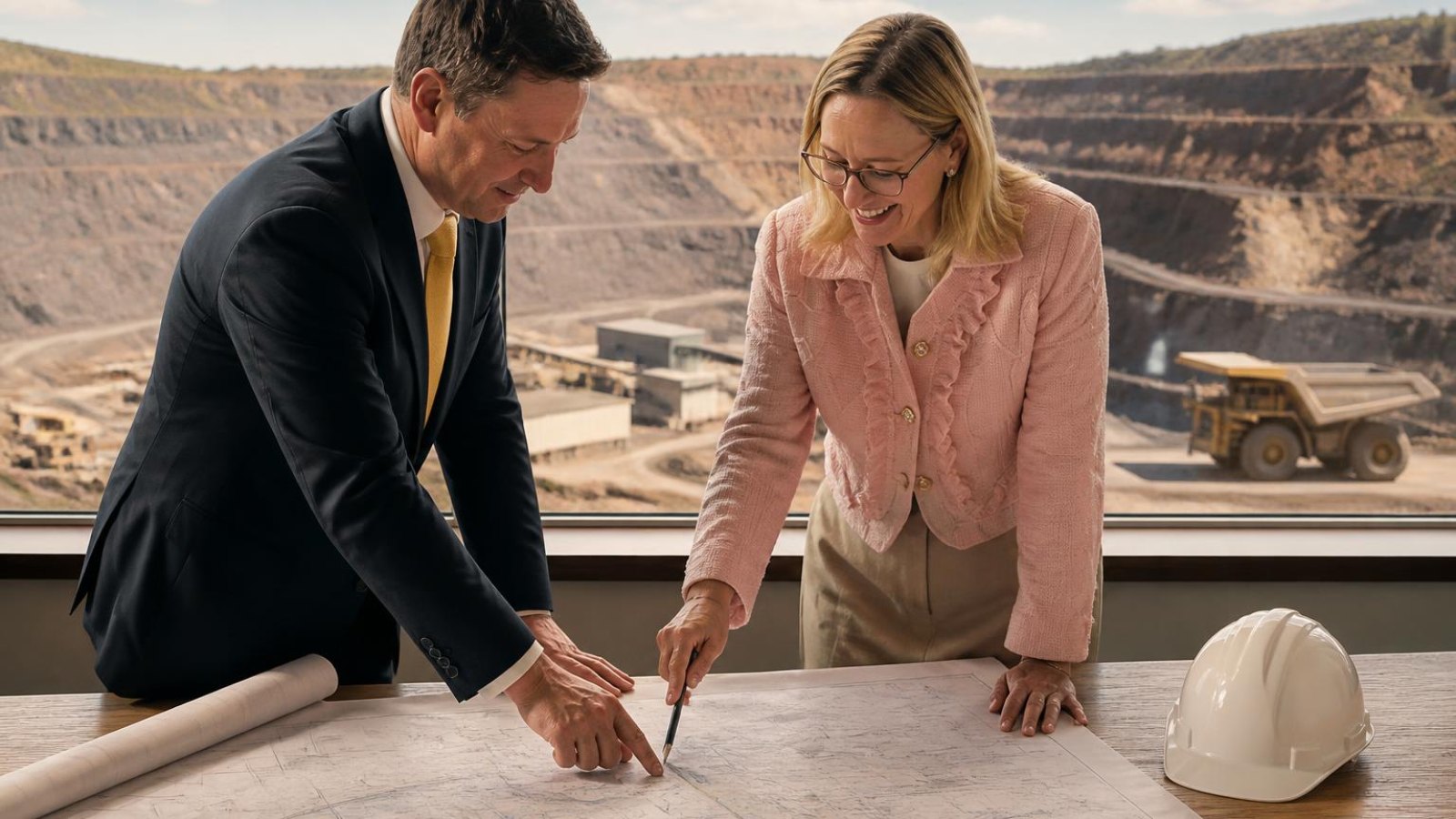
    The European Bank for Reconstruction and Development (EBRD) has announced a significant loan of up to €55 million to Assarel-Medet AD, a leading copper producer in Bulgaria, aimed at modernising and decarbonising its mining operations. The agreement was formalised in London by Jackie Powell, EBRD Managing Director for the Corporate Sector, and Dimitar Tsotsorkov, Chairman of the Company’s Supervisory Board, marking a pivotal step towards sustainable mining practices in the region.

    This partnership follows an extensive evaluation of Assarel-Medet AD, which began in late 2025, encompassing legal, technical, environmental, and social due diligence with stringent compliance standards. The EBRD highlighted that Assarel-Medet has consistently invested in modernising its operations and has demonstrated a commitment to sustainable development through the integration of renewable energy and resource efficiency.

    The funds from the EBRD will be allocated towards capital expenditures that align with the company’s long-term sustainable development programme. Key initiatives include the modernisation of production facilities, geological surveys at the Assarel mine, and investments in renewable energy production capabilities. These enhancements are anticipated to boost production efficiency while simultaneously reducing emissions associated with electricity consumption.

    The EBRD’s announcement underscored the importance of supporting low-carbon copper production, which is vital for achieving both national and European sustainability goals. Copper is recognised as a critical raw material for electrification, renewable energy infrastructure, and electric mobility, with approximately 68% of the project qualifying as green financing.

    Jackie Powell remarked that this initiative exemplifies how targeted financing can bolster the sustainable development of critical raw materials in Europe. By merging operational improvements with renewable energy integration, Assarel-Medet is enhancing its competitiveness while aligning with the objectives of the green transition.

    Dimitar Tsotsorkov expressed satisfaction with the collaboration, emphasising the importance of adhering to high environmental, social, and governance (ESG) standards as a major supplier of copper to the European industry and energy transition. He acknowledged the constructive support from the Bulgarian government and the EBRD as they strive to modernise Assarel-Medet responsibly and sustainably.

    The EBRD’s support for greener copper mining in Bulgaria marks a significant milestone in the pursuit of sustainable practices within the mining sector, reflecting a broader commitment to environmental stewardship and responsible resource management.


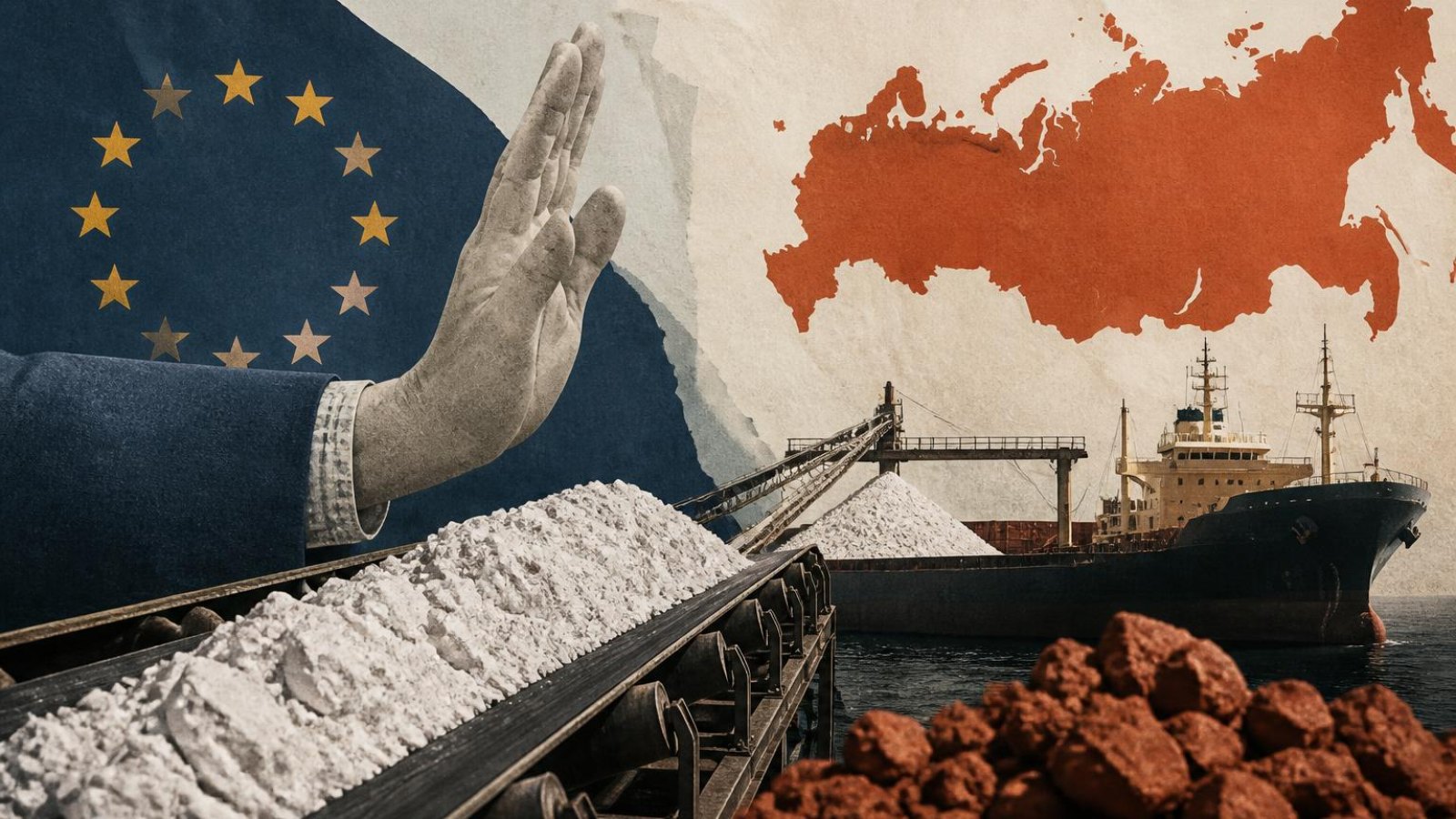
  • EU Considers Ban on Irish Alumina Exports to Russia Amid Dependency Concerns

    EU Considers Ban on Irish Alumina Exports to Russia Amid Dependency Concerns

    The European Union is contemplating a ban on an Irish refinery’s alumina exports to Russia, highlighting the complex interdependencies within the aluminium supply chain. This refinery, which processes bauxite into alumina, produces nearly a third of the EU’s alumina and serves as the primary supplier for France. However, the refinery is owned by the Russian group Rusal, raising concerns about the EU’s reliance on a facility that is beyond its control.

    Rusal has faced significant production losses, particularly in 2022, when Australia ceased its alumina exports and the war in Ukraine led to the shutdown of its Ukrainian refinery. In response, the European Parliament has called for a ban on the refinery’s deliveries to Russia, which are deemed crucial for the Russian aluminium industry. Yet, the dependence on Irish alumina is not mutual; it constitutes less than 20% of Russia’s imports, while China has significantly increased its alumina exports to Russia, effectively providing an alternative source.

    The Irish refinery has warned that a ban could jeopardise its operations, as Russia accounts for half of its sales. The potential closure of the refinery would force France to seek alternative sources for alumina, which could lead to price surges similar to those experienced in 2018 when US sanctions against Rusal caused an 80% spike in alumina prices within days.

    The ongoing tug-of-war between the EU and Russia raises questions about the future of these imports. While the EU could source alumina from countries like Australia, Brazil, or Asia, this would mean sacrificing local production for imports from distant locations. Alumina has been classified as a strategic raw material by the EU, prompting a deeper inquiry into the balance between sourcing and domestic production capabilities.

    In the upcoming analysis, the article will explore why Europe has the capacity to produce sufficient alumina but struggles to meet France’s specific needs. The situation underscores the complexities of global supply chains and the strategic considerations that must be navigated in the context of geopolitical tensions.


  • Navigating Europe’s Critical Materials Challenge: Balancing Extraction, Recycling, and Demand

    Navigating Europe’s Critical Materials Challenge: Balancing Extraction, Recycling, and Demand

    As Europe grapples with its critical materials bottleneck, the competition among primary, imported, and secondary material streams is intensifying. The European Union’s Critical Raw Materials Act (CRMA) sets ambitious targets for 2030, aiming for at least 10% domestic extraction, 40% processing, and 25% recycling of strategic raw materials. However, the act lacks a clear framework for allocating scarce industrial capacity and demand support across these competing streams.

    Recent discussions at the European Parliament highlighted the challenges of meeting these targets. Arthur Poliakov, Executive Chairman of MINEX, reported on a session where experts pointed out that recycled materials cannot yet meet Europe’s needs due to insufficient stock and collection rates. The energy transition, digital infrastructure, AI, and defence sectors are all vying for the same critical materials, raising the stakes for effective allocation.

    The current European critical materials system relies on three sources: domestically mined ore, imported primary materials, and secondary materials recovered from waste. These sources do not simply compete; they require different upstream processes but converge on limited refining and qualification capabilities, as well as a finite pool of qualified buyers. The allocation of resources is determined not by a central authority but through the collective decisions of policymakers, investors, processors, and buyers.

    At a recent event, two companies illustrated the varying dynamics in this space. ACCUREC-Recycling GmbH, which focuses on recycling batteries, faces a lack of demand for its recovered materials, while Circular Materials successfully recovers strategic materials from industrial wastewater by offering treatment services that provide a steady revenue stream. This disparity underscores the need for a robust European market that can support both recycling and primary material extraction.

    The complexities of material allocation are further compounded by the specific chemistry of battery production, which dictates the urgency of securing particular materials. For instance, the demand for lithium and other metals varies significantly depending on the type of battery being produced. This highlights the importance of a strategic approach to material allocation that considers both current and future industry needs.

    As the European Commission evaluates applications for strategic projects, the balance between extraction, processing, recycling, and substitution will be crucial. A shift towards prioritising recycling and substitution in future project approvals could indicate a more deliberate approach to addressing the critical materials challenge. However, without a clear allocation logic, the risk of repeating past mistakes looms large, potentially stalling progress in securing Europe’s material needs for the future.


  • Canada’s Support for Mining: A Model for Europe’s Raw Material Strategy

    Canada’s Support for Mining: A Model for Europe’s Raw Material Strategy

    As Europe grapples with the complexities of raw material security, strategic autonomy, and resilient supply chains, Canada is setting a practical example for the mining sector. Recently, Military Metals Corp. received a CAD 100,000 exploration grant from the Government of Nova Scotia, aimed at bolstering its drilling programme at the West Gore Antimony-Gold Project. This funding not only provides financial assistance but also sends a strong political message: the Canadian government is committed to encouraging the development of critical raw materials and actively supports companies in their endeavours.

    In stark contrast, Europe often faces lengthy and convoluted permitting processes that hinder the progress of mining projects. Overlapping responsibilities and delayed decisions can cause strategically important initiatives to lose precious time, while other regions secure their deposits and processing capabilities. The situation raises concerns about Europe’s ability to establish resilient supply chains for critical raw materials.

    It is essential to note that this discussion is not about compromising environmental standards. Modern mining operations are expected to adhere to high environmental and social requirements. However, it is possible to maintain these standards while also ensuring that decisions are made swiftly and reliably.

    Canada exemplifies a proactive approach to raw materials policy, moving beyond mere strategies and position papers to establish clear priorities, cooperative authorities, and tangible support for exploration and investment. As Europe seeks to reduce its reliance on critical raw material imports, it must adopt a similar political will to facilitate responsible mining projects.

    The lessons from Canada are clear: if Europe is serious about its ambitions, it needs to streamline its processes and foster an environment that encourages investment in the mining sector. Only then can it hope to achieve true strategic autonomy in the realm of critical raw materials.


  • Eramet Highlights Decarbonisation Efforts at European Industry Meetings in Dunkirk

    Eramet Highlights Decarbonisation Efforts at European Industry Meetings in Dunkirk

    Romain Charvet, Public Affairs Manager for Eramet in France and Europe, recently presented the challenges and opportunities associated with the decarbonisation of manganese alloys, which play a crucial role in the steel production value chain. Eramet has made significant strides in this area with its EraLow initiative, which boasts one of the lowest carbon footprints in the market at 1.9 tonnes of CO₂ per tonne of alloy, compared to the global average of 3.9 tonnes. This achievement is largely attributed to the use of carbon-free electricity sourced from Norway and France, coupled with advanced production techniques.

    Eramet’s commitment to sustainability extends beyond current achievements, with ambitious plans to reduce its absolute Scope 1 and 2 CO₂ emissions by 40% by 2035. Key strategies to achieve this include the gradual replacement of fossil fuels with biocarbon and the implementation of Carbon Capture and Storage (CCS) technologies. The company has initiated industrial trials for biocarbon and is conducting studies on biomass availability through the #DKarbonation project, anticipating challenges related to competing land uses.

    In addition, a pilot CCS plant is set to commence operations in 2025 at Eramet’s facility in Sauda, Norway, with the goal of capturing 70% of the site’s emissions in the long term. However, Charvet emphasised that the economic model supporting these decarbonisation efforts needs to be developed, particularly in light of strong international competition and global overcapacity in the ferroalloys market. The European Commission’s recent safeguard measures for ferroalloys highlight the urgency of addressing these challenges.

    Charvet also called for reforms in the European Trading System (ETS) and the Carbon Border Adjustment Mechanism (CBAM) to ensure that European industries remain competitive while pursuing sustainability goals. He advocated for the Industrial Accelerator Act to serve as a vital tool in promoting a sustainable steel industry within Europe. The discussions at REDIT underscore the collaborative efforts required to navigate the complexities of decarbonisation in the mining and industrial sectors, ensuring a balance between environmental responsibility and economic viability.


  • Northern Graphite Partners with DGWA to Enhance European Market Presence

    Northern Graphite Partners with DGWA to Enhance European Market Presence

    Northern Graphite Corporation has announced a strategic engagement with DGWA – Deutsche Gesellschaft für Wertpapieranalyse GmbH, aimed at boosting its visibility among European investors and industry stakeholders. This partnership, initiated through Northern’s German subsidiary, Northern Graphite Battery Materials GmbH, will focus on enhancing investor awareness and corporate communications across Europe, particularly in German-speaking markets. The engagement is set to last for an initial three-month period, with a monthly retainer of €5,000, and may include success fees for transactions facilitated by DGWA.

    The CEO of Northern Graphite, Hugues Jacquemin, expressed optimism about the collaboration, highlighting DGWA’s extensive network and experience in the European market. The automotive sector’s growing demand for transparent and independent supply chains for critical minerals makes this partnership particularly timely. DGWA’s CEO, Stefan Müller, echoed this sentiment, emphasizing Northern Graphite’s capabilities as a producer of sustainable graphite solutions, which are essential for the green economy.

    Northern Graphite is positioned as a leader in natural graphite production, owning the only flake graphite mine in North America, located in Quebec. The company is committed to meeting the increasing demand for high-value graphite products, including those used in lithium-ion batteries and other advanced technologies. Its strategic projects include the Lac des Iles mine, the Bissett Creek graphite project in Ontario, and the Okanjande graphite mine in Namibia, all of which are designed to produce battery-quality graphite in politically stable regions.

    DGWA, based in Frankfurt, brings a wealth of experience in European capital markets, particularly in mining and critical raw materials. With a history of involvement in over 250 corporate finance transactions, DGWA is well-equipped to support Northern Graphite’s ambitions in the European market. The engagement is subject to acceptance by the TSX Venture Exchange, ensuring compliance with regulatory standards.

    As Northern Graphite continues to expand its operations and market presence, this partnership with DGWA is expected to play a crucial role in connecting the company with potential investors and partners, ultimately driving growth in the competitive landscape of the graphite industry.


  • European Lithium’s Koralm Mine Faces Delays as Shareholders Prepare for Critical Metals Takeover Vote

    European Lithium’s Koralm Mine Faces Delays as Shareholders Prepare for Critical Metals Takeover Vote

    European Lithium is at a critical juncture as shareholders prepare to vote on a takeover bid from Critical Metals Corp. on October 22, 2026. This decision comes as the company’s flagship Koralm lithium project in Austria faces significant delays, with commercial extraction now expected to be years away due to bureaucratic and legal hurdles. Reports indicate that a judicial ruling on the necessary permits for the Koralm deposit may not arrive until 2027, raising concerns about the project’s viability and the company’s future prospects.

    The Koralm project has long been positioned as a key asset for European Lithium, but the uncertainty surrounding its permits has cast a shadow over the company’s operations. Chief among the unresolved issues is whether a full environmental impact assessment is required, a decision that remains pending. Without these crucial approvals, European Lithium cannot establish a reliable timeline for construction or extraction, further complicating its operational outlook.

    Financially, European Lithium reported cash holdings of A$296.3 million as of June 30, 2026. However, the company recently faced setbacks, including the termination of a previously agreed offtake arrangement with BMW, which has returned its advance payment. This development raises questions about the company’s ability to secure partnerships and maintain investor confidence.

    Despite these challenges, European Lithium has continued to pursue strategic acquisitions, recently acquiring a 5.61 percent stake in Helix Resources. This move indicates that the management is actively seeking to bolster its position in the mining sector, even as it navigates the complexities of the takeover process.

    The upcoming vote on the Critical Metals takeover is pivotal for European Lithium, with analysts suggesting that the outcome will significantly influence the company’s direction. The market has reacted positively to the stock, which has surged 171 percent since the beginning of 2026, although it remains approximately 20 percent below its 52-week high. The Scheme Booklet distributed to shareholders describes the takeover offer as “not fair, but reasonable” for ordinary shares, while the proposal for options is deemed “fair and reasonable.” As the vote approaches, stakeholders are left to ponder whether to hold or sell their shares in light of the ongoing uncertainties surrounding the Koralm project.


  • Estonia Opens Its First Industrial Foundry in Kohila with €14 Million Investment

    Estonia Opens Its First Industrial Foundry in Kohila with €14 Million Investment

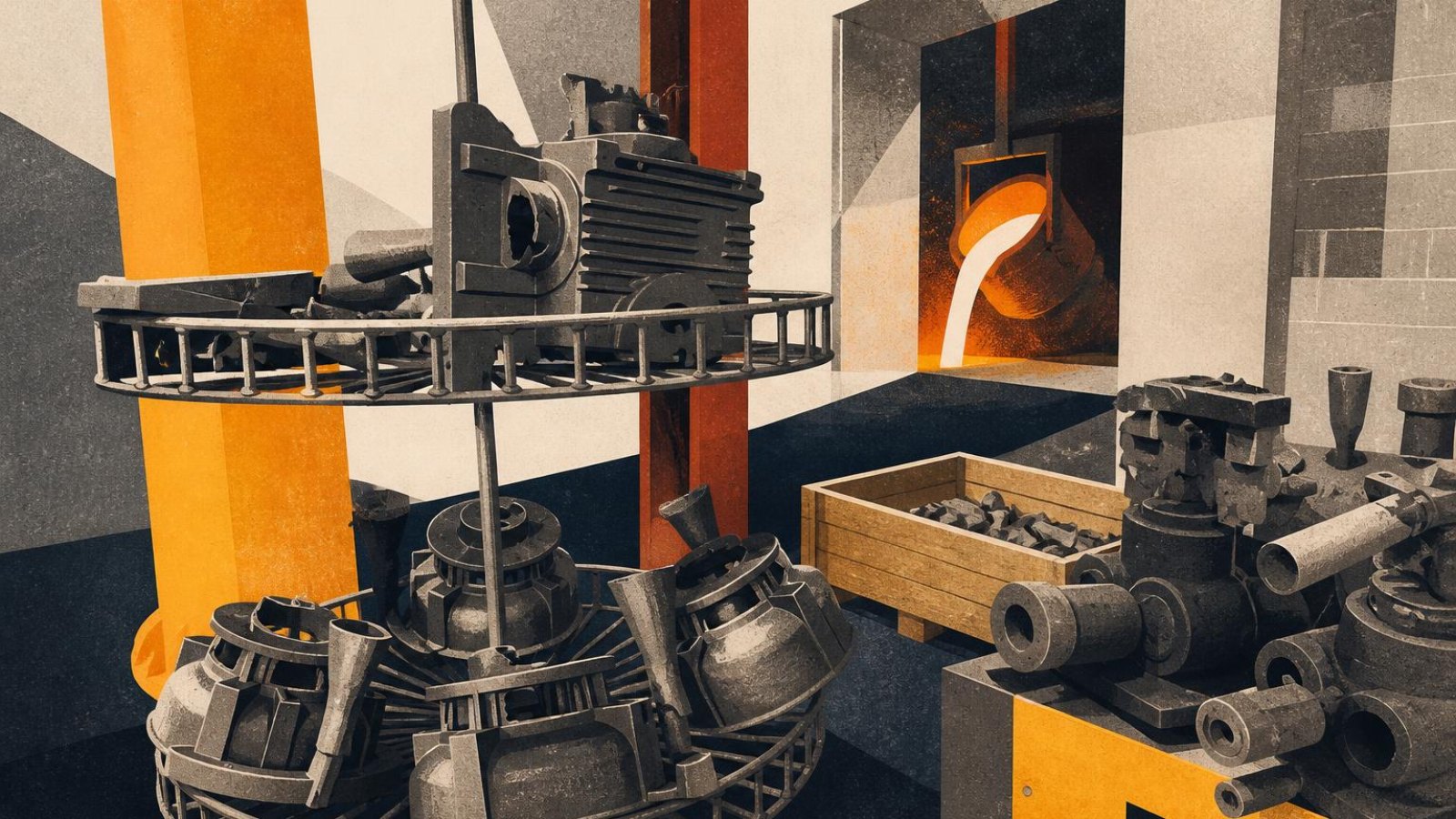
    Estonia has marked a significant milestone in its industrial landscape with the opening of its first industrial foundry in Kohila, Rapla County. The facility, developed by BLRT Group’s subsidiary BLRT Valukoda, represents a €14 million investment aimed at meeting the growing demand for heavier cast components, particularly in the Nordic region. This modern cast-iron foundry is touted as the most advanced of its kind in the Nordic countries, positioning Estonia as a key player in the manufacturing of large-scale cast parts.

    The new foundry is designed to produce up to 3,000 tons of cast-iron machine-building blanks annually, which will be used in various applications including electric motors, forestry machinery, and boilers. Algerd Andruškevitšus, a member of the BLRT Group management board, highlighted the facility’s capability to manufacture significantly larger and heavier cast parts than previously possible, catering to the specific needs of clients in Scandinavia.

    Prime Minister Kristen Michal underscored the importance of this investment, noting its potential impact on both the industrial sector and the defence industry. The foundry’s opening is expected to create around 70 jobs, although it currently faces a shortfall of ten employees as it prepares to commence operations. The facility has already received its usage permit and is set to begin production shortly, with initial molds already being produced.

    This development not only enhances Estonia’s manufacturing capabilities but also strengthens its economic ties with Nordic countries, potentially opening doors to new clients and markets. The establishment of the foundry is a testament to the growing industrialisation in Estonia and reflects a broader trend of investment in advanced manufacturing technologies across the region.