Website: Europe.com

  • Minrex Resources Transitions Focus to European Gold and Copper Development

    Minrex Resources Transitions Focus to European Gold and Copper Development

    Minrex Resources Limited (ASX: MRR) has announced a significant strategic shift in its operations, as outlined in its 2026 Annual Report. The company has transitioned from its previous focus on Australian gold exploration to prioritising advanced exploration and development projects in Europe, particularly in Serbia. This change was solidified through a merger with Electrum Discovery Corp, completed in April 2026, which has enabled Minrex to concentrate its efforts on European mineral resources.

    The flagship asset for Minrex is the Tlamino Gold-Silver Project located in Serbia, which features the Barje deposit. This deposit currently holds an inferred resource of 670,000 ounces at a grade of 2.9 grams per tonne gold equivalent. To enhance this resource, Minrex has initiated a fully funded drilling programme aimed at upgrading the resource and preparing for an updated Scoping Study expected to be released in early 2027.

    In addition to the Tlamino Project, Minrex’s portfolio includes the Timok East Copper-Gold Project, which represents a significant exploration opportunity in a prominent European copper belt. The company also retains the Sofala Gold Project in New South Wales, Australia, which contains a resource of 352,300 ounces of gold; however, this project is currently considered a secondary priority.

    Financially, Minrex concluded the 2026 financial year in a strong position, reporting no debt and holding $6.04 million in cash. This financial stability ensures that the company can fully fund its upcoming drilling and technical programmes, despite reporting a net loss of $2,434,535 for the year.

    Leadership changes have also occurred within the company, with Max Piirto appointed as CEO in April 2026 and Robert Edwards taking on the role of Non-Executive Chair in June 2026. To facilitate its operations in Serbia, Minrex has established a permanent base and local leadership team in the southern region, positioning itself to effectively drive the Tlamino Project forward.
  • AMG Critical Materials Launches Trading on Frankfurt Stock Exchange

    AMG Critical Materials Launches Trading on Frankfurt Stock Exchange

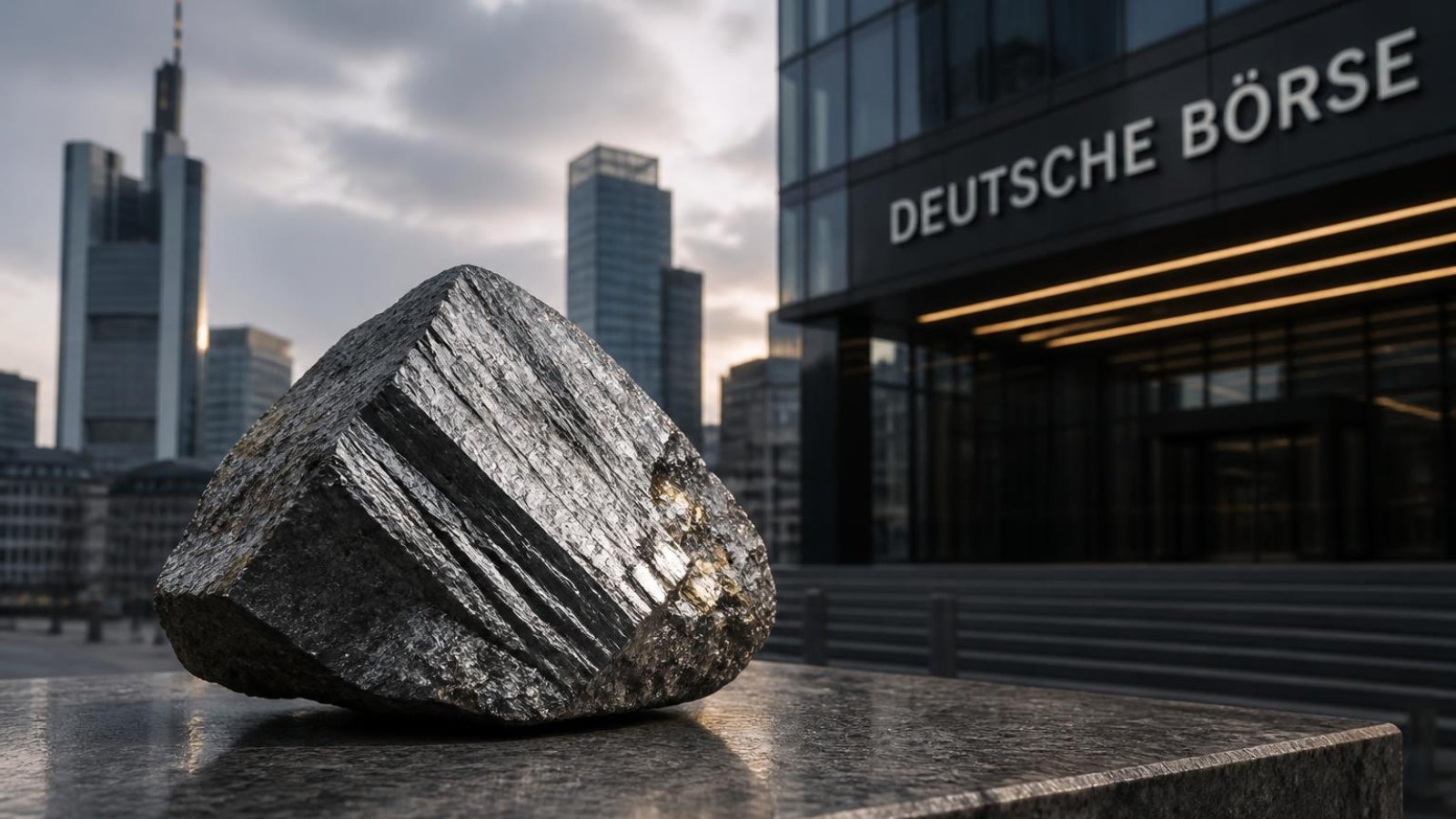
    AMG Critical Materials has officially commenced trading on the Frankfurt Stock Exchange, marking a significant milestone for the company. The secondary listing was executed under the new EU Passporting framework established by the EU Listing Act, which facilitates the admission of shares already listed on a regulated EU market to be traded on another regulated market within the European Union. This streamlined process is expected to enhance the accessibility of AMG shares for German institutional and private investors, allowing them to trade in euros on a domestic platform.

    The move is strategically important as it strengthens AMG’s ties to the German capital market, a region that has been integral to the company’s industrial operations. By increasing visibility among German investors, analysts, and the broader financial community, AMG aims to bolster its position in one of Europe’s leading capital markets. The company’s commitment to providing critical materials and related process technologies aligns with its mission to contribute to a less carbon-intensive world, making this listing a pivotal step in advancing its objectives.

    AMG’s presence in Germany is not just about financial transactions; it reflects the company’s broader strategy to engage with key markets that are crucial for its growth and sustainability initiatives. The listing is expected to facilitate a deeper connection with stakeholders in Germany, enhancing AMG’s ability to attract investment and support for its innovative solutions in the critical materials sector. As the company continues to expand its footprint in Europe, this development underscores the importance of strategic market positioning in achieving long-term success in the mining and materials industry.


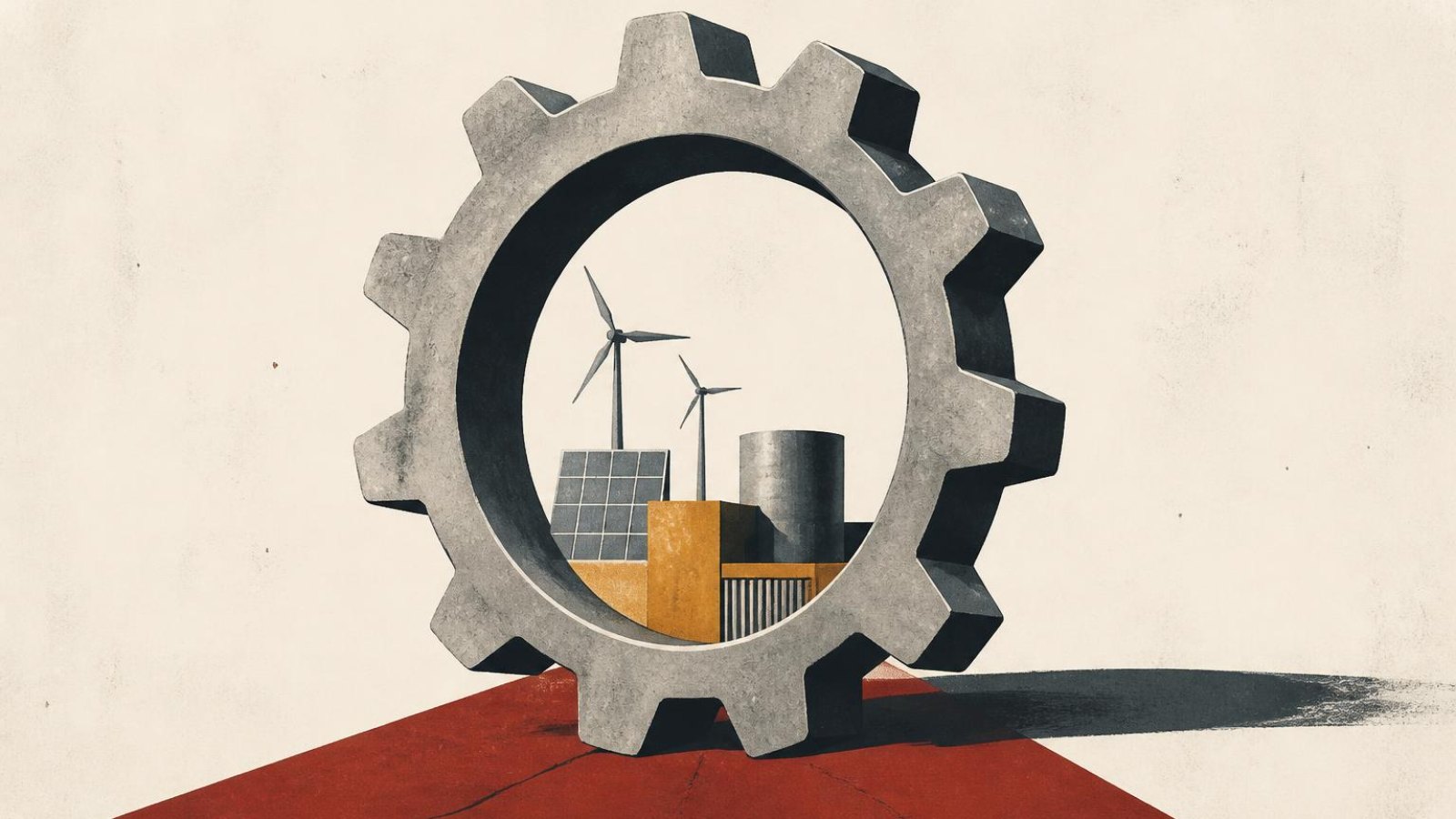
  • Assessing the Economic Impact of the ‘Made in Europe’ Initiative for Low-Carbon Products

    Assessing the Economic Impact of the ‘Made in Europe’ Initiative for Low-Carbon Products

    The ‘Made in Europe’ initiative aims to leverage the Single Market to establish lead markets for low-carbon products, a critical step in the EU’s strategy to enhance competitiveness amidst global economic challenges. This comprehensive study, requested by the European Parliament’s Committee on Industry, Research and Energy (ITRE), evaluates the potential impacts of mandatory procurement instruments on the economy and employment within the EU. With the backdrop of increasing geopolitical tensions and the urgent need for a green transition, the report underscores the importance of public procurement as a strategic tool to foster local production and innovation.

    The study outlines three operational scenarios for the ‘Made in Europe’ policy, each with varying geographical scopes and Union origin requirements. Scenario 1 focuses solely on EU Member States with low thresholds for origin requirements, aiming to create clear incentives for reshoring production. Scenario 2 expands the scope to include EEA countries and trusted partners, balancing openness with the need for local investment. Scenario 3, however, proposes a broad geographical inclusion of GPA and FTA countries, which may dilute the effectiveness of the initiative by allowing significant imports from countries with lower production standards.

    Key findings indicate that while all scenarios present benefits, they also entail trade-offs. Scenario 1, while politically strong, may yield modest economic benefits due to its restrictive nature. Scenario 2 offers a middle ground, potentially generating moderate economic growth, but could still face challenges in ensuring sufficient investments within the EU. Scenario 3, despite its broad approach, risks undermining the initiative’s goals by failing to guarantee local manufacturing expansion.

    The report emphasizes the need for careful design and implementation of the ‘Made in Europe’ policy, suggesting that industry-specific origin requirements may be more effective than a one-size-fits-all approach. It also highlights the importance of aligning the initiative with existing trade agreements to avoid legal complications and ensure compliance with international standards. Ultimately, the study calls for a balanced approach that promotes EU manufacturing while maintaining strategic international partnerships, essential for achieving the EU’s decarbonisation and competitiveness objectives.


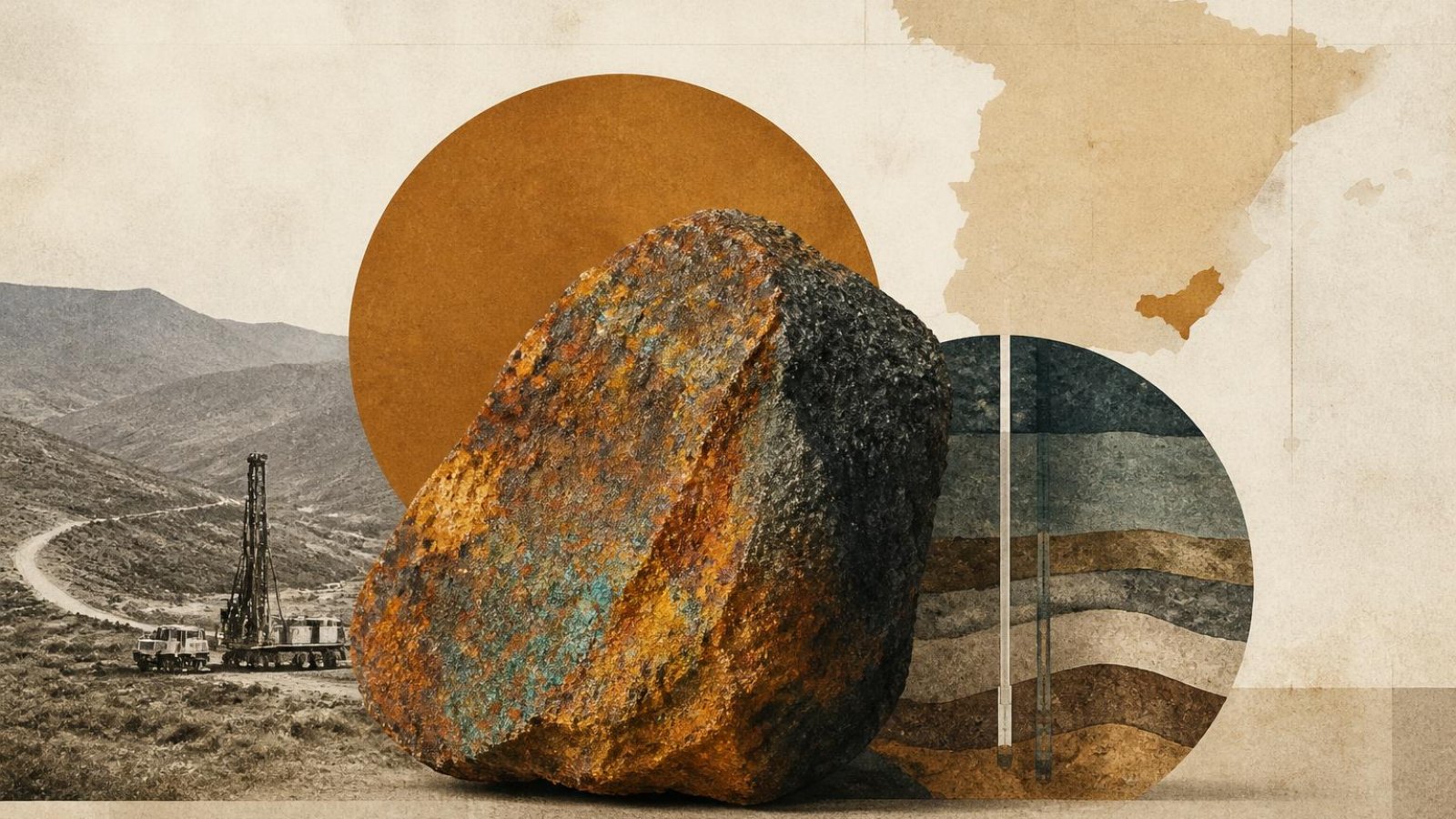
  • Capella Minerals Advances Exploration at Solana IOCG Project in Spain

    Capella Minerals Advances Exploration at Solana IOCG Project in Spain

    Capella Minerals Ltd. is making strides in the exploration of its copper-gold assets, particularly focusing on the Solana Iron-Oxide Copper-Gold (IOCG) project located in southeastern Spain. This project is situated in a historically significant mining district that dates back to before the 1920s, where extensive high-grade vein deposits of copper and gold were previously mined. The Solana district is nestled within a largely unexplored region characterized by Proterozoic-age rocks in the Betic Cordillera, which shares geological similarities with the Atlas and Rif mountain chains found in northern Morocco.

    The company’s exploration program at Solana aims to assess the resource potential of the existing (magnetite/hematite)-copper-gold vein deposits. However, Capella’s primary objective is to uncover large, buried IOCG-type deposits that are believed to be the source of the visible copper-gold vein deposits on the surface. This strategic focus on deeper exploration could potentially lead to significant discoveries that would enhance the value of the Solana project and contribute to the broader mining landscape in Spain.

    As Capella Minerals continues its exploration efforts, the mining community will be closely watching for updates on their findings and the implications for the copper and gold markets. The Solana project represents an exciting opportunity within the junior mining sector, particularly as interest in copper and gold resources remains high due to their essential roles in various industries, including renewable energy and technology.

    Further information regarding the exploration and earn-in update on the Solana IOCG project was released on September 30, 2026, highlighting the company’s commitment to advancing its mining initiatives in this promising region.


  • Capella Minerals Secures Drill Permits for Hessjøgruva Copper-Cobalt-Zinc Project in Norway

    Capella Minerals Secures Drill Permits for Hessjøgruva Copper-Cobalt-Zinc Project in Norway

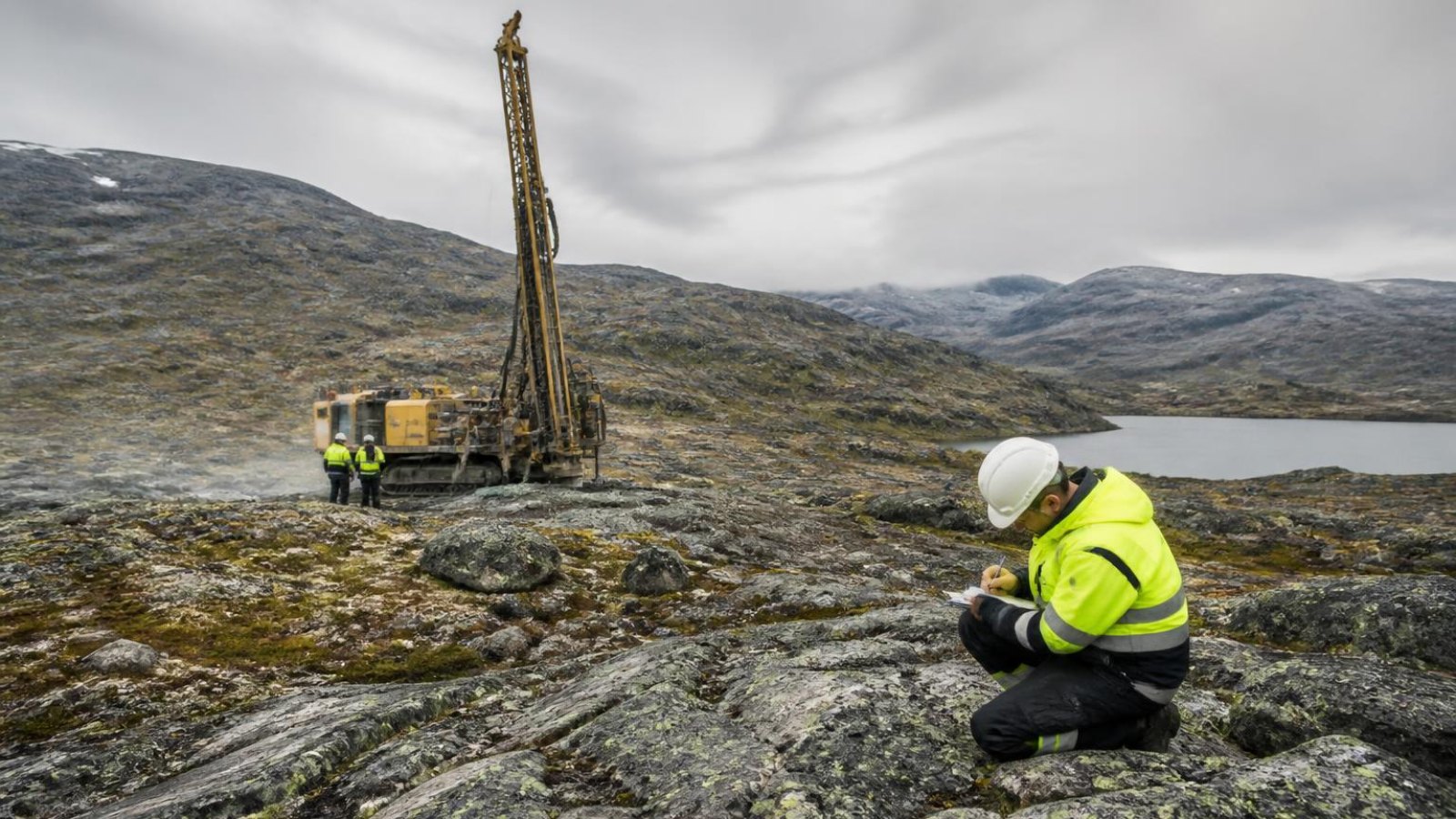
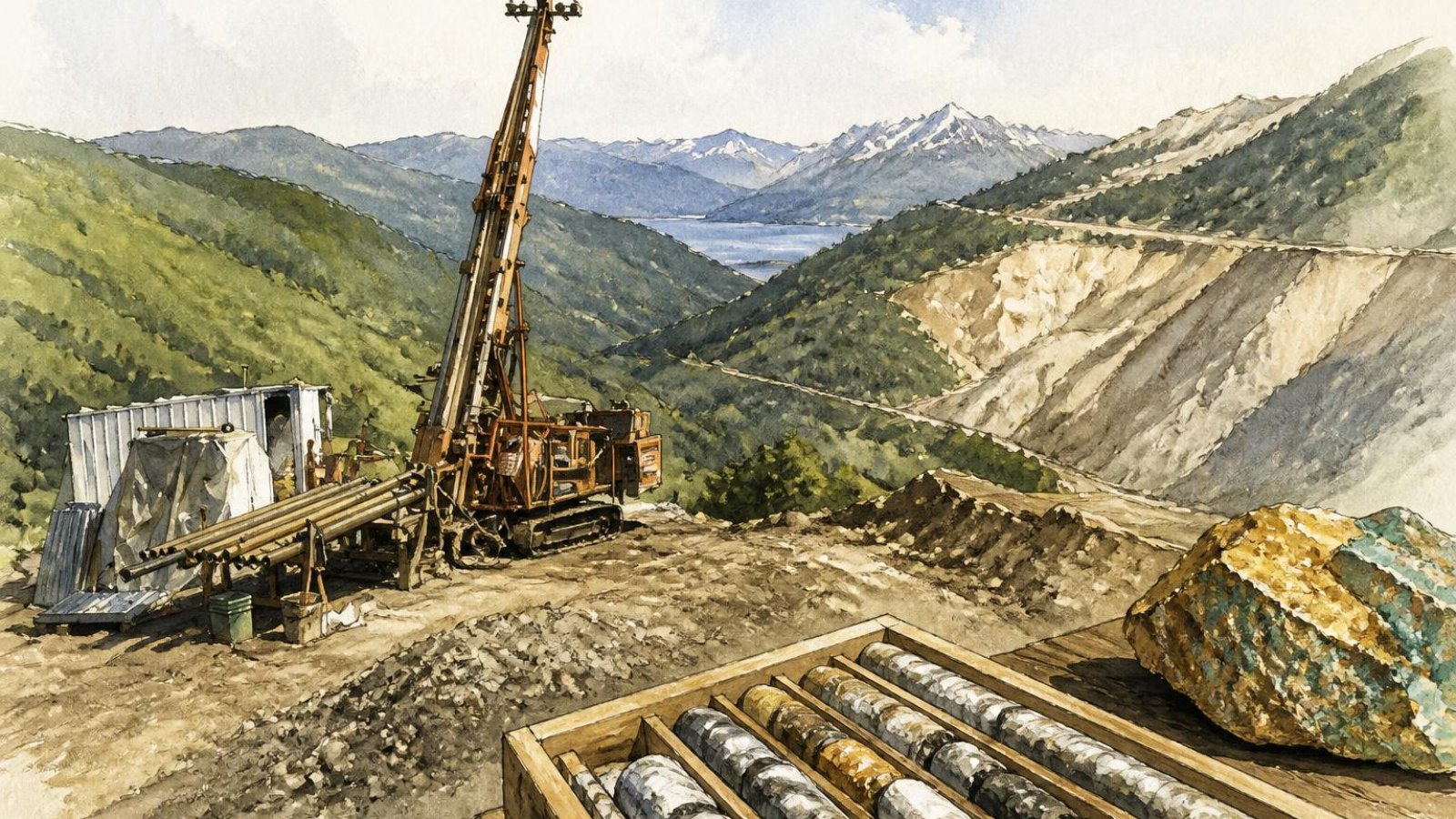
    Capella Minerals Ltd. has announced the approval of diamond drill permits for its Hessjøgruva copper-cobalt-zinc (Cu-Co-Zn) project located in Trøndelag, Central Norway. This project is part of a joint venture agreement with Tümad Madencilik Sanayi Ve Ticaret A.S., focusing on the exploration of copper and gold projects in Norway and Northern Finland. The Hessjøgruva project is at an advanced exploration stage, having previously undergone 12,035 metres of historical diamond drilling in the 1970s. The current drilling programme will involve an initial 4,400 metres of drilling from approximately ten platforms within the Lens A deposit, with follow-up drilling planned for both Lens A and potentially other satellite lenses (B-F). The primary objective of this drilling programme is to produce a maiden National Instrument 43-101 compliant Mineral Resource Estimate for the project.

    The approved permits allow drilling to take place between July 15 and November 1 in both 2027 and 2028. Additionally, Capella may conduct further drilling on select targets in the adjacent Kongensgruve project, which includes the Storhovsbekken VMS target. As part of the Tümad joint venture agreement, up to 8,000 metres of diamond drilling must be funded at Hessjøgruva as a minimum investment commitment for the first year. Due to delays in obtaining the necessary permits, Capella has extended this investment milestone to December 31, 2027.

    Eric Roth, President and CEO of Capella, expressed his satisfaction with the approval of the diamond drill programme, highlighting the potential of the Hessjøgruva project to contribute to the European critical minerals supply chain. Both copper and cobalt are considered strategic materials by the Norwegian government and the European Union, with a strong emphasis on local sourcing to reduce dependency on foreign suppliers.

    In addition to the Hessjøgruva update, Capella provided news on its reconnaissance diamond drill programme at the Killerö W project in Northern Finland, which is also part of the Tümad joint venture. A total of 669.2 metres of diamond drilling was completed on two initial gold-copper geochemical anomalies. The drilling intersected mineralization predominantly consisting of chalcopyrite-pyrrhotite-bearing quartz-carbonate veining, with the highest copper grade recorded at 0.98% Cu over 1.0 metre. However, no significant gold values were returned from this drilling.

    Despite the completion of the drilling at Killerö W, Tümad has opted not to proceed to Phase II of the earn-in agreement due to low gold values. Consequently, the Northern Finland projects will remain under the current ownership structure of 80% Capella and 20% Cullen Resources Ltd, with Tümad retaining a 1% Net Smelter Royalty on any future production from these projects. The technical information in this release has been prepared in accordance with Canadian regulatory requirements and approved by Eric Roth, a Qualified Person under NI 43-101.


  • European Metals Campaign Launched to Support Energy Transition

    European Metals Campaign Launched to Support Energy Transition

    James Watson, Director General of Eurometaux, expressed enthusiasm for the launch of the European Metals campaign at the European Parliament, emphasising the sector’s vital role in the energy transition. The campaign, titled #BuildingEuropesFuturewithEuropeanMetals, aims to highlight the importance of non-ferrous and strategic raw materials such as aluminium, copper, and lithium for renewable energy technologies, as well as platinum and silver for digital advancements and lead and nickel for defence applications.

    During the launch, Watson noted that the campaign is supported by several ambassadors, including Radan Kanev and Prof. Yannis Maniatis, and has garnered endorsements from organisations like Metal Packaging Europe. The event coincided with Metals Day in the European Parliament, allowing industry representatives to engage with Members of the European Parliament (MEPs) and discuss critical issues affecting the metals sector.

    Watson highlighted the ongoing discussions surrounding key legislative frameworks, including the Emissions Trading System (ETS), the Industrial Emissions Directive (IED), the Carbon Border Adjustment Mechanism (CBAM), and the forthcoming circular economy act. These topics underscore the need for a supportive policy environment to ensure the sustainability and growth of the metals industry in Europe.

    The campaign aims to keep the non-ferrous and strategic raw material sectors thriving in Europe, which Watson believes is essential for both the economy and the environment. He expressed gratitude to the teams and MEPs who participated in the event, noting the strong support for improving the policy framework for metals in Europe. Looking ahead, Watson is optimistic about the future of the campaign and the ongoing collaboration within the industry to build a sustainable future with European metals.


  • Insights from the European Parliament Session on Critical Raw Materials and EU Competitiveness

    Insights from the European Parliament Session on Critical Raw Materials and EU Competitiveness

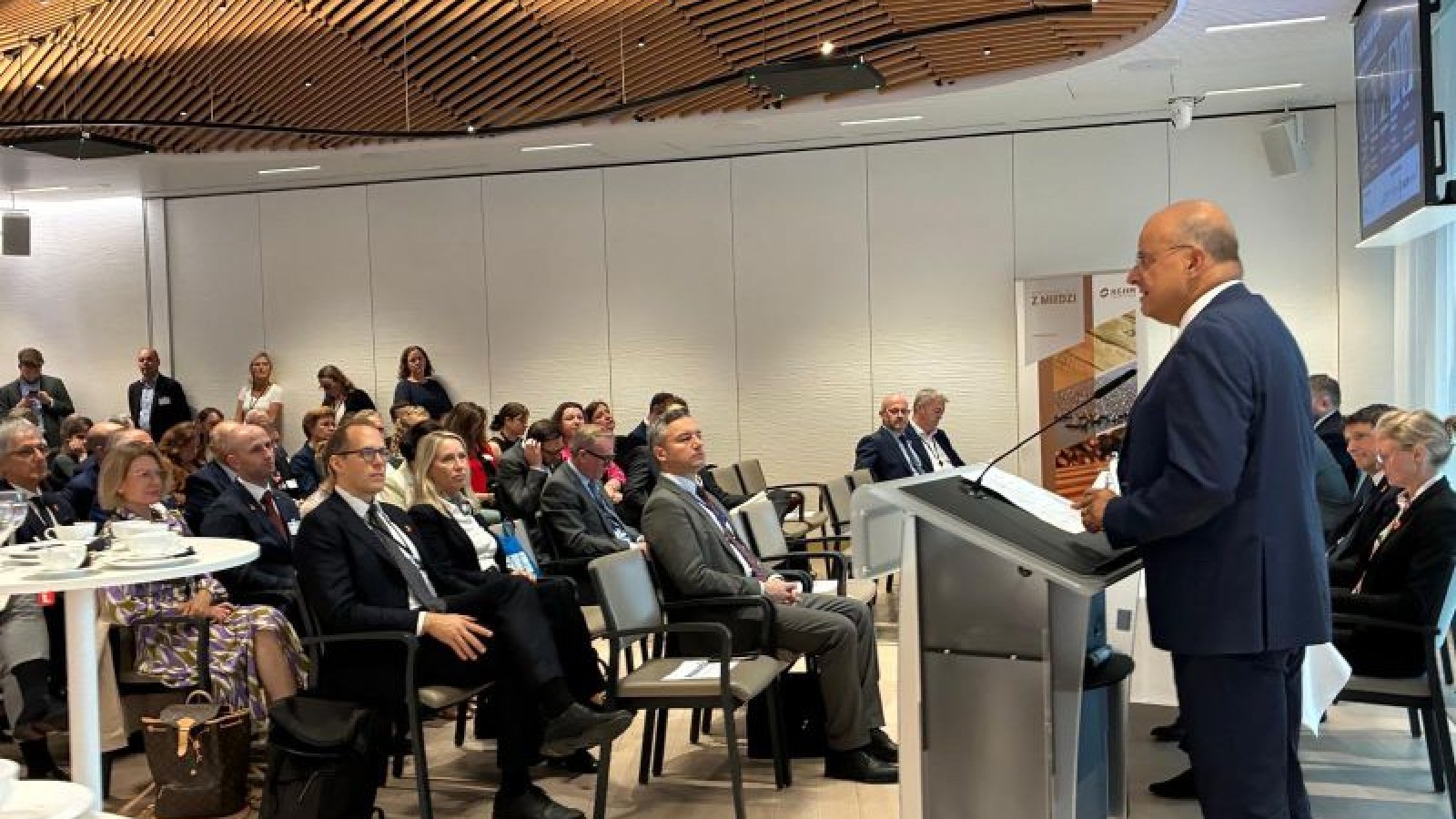
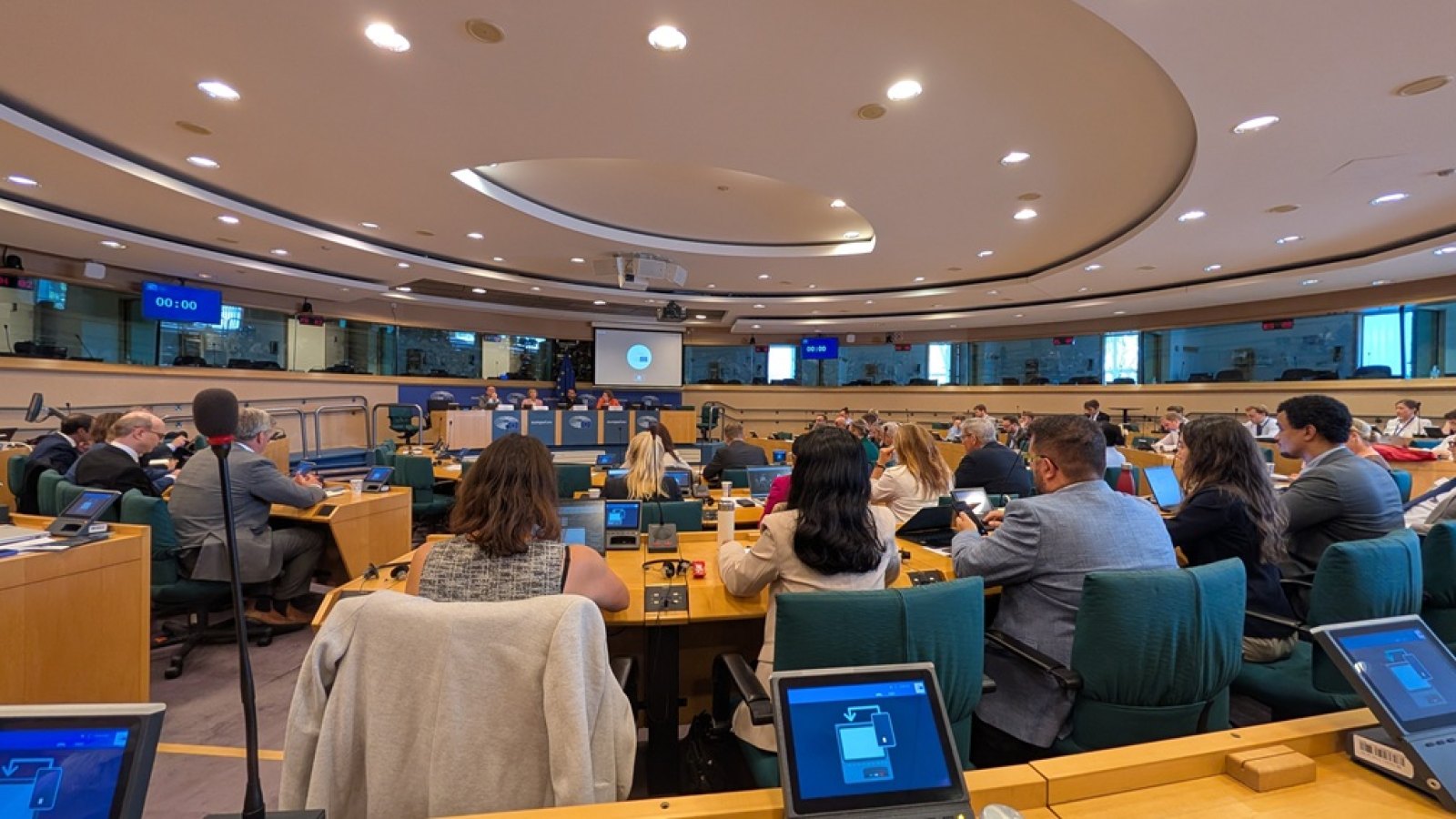
    On 29 September, MINEX Forum participated in a significant session at the European Parliament titled ‘Leveraging Raw Materials to Strengthen EU Sustainable Competitiveness & Business Opportunities.’ Hosted by the ENVI Committee and MEP Mohammed Chahim, the event attracted around 100 attendees, including policy officials, MEPs, industry representatives, academics, and researchers. This session also served as a precursor to the JRC’s annual Raw Materials Information System workshop, which took place on 30 September and 1 October, with outcomes feeding into a JRC conference on strategic autonomy scheduled for 2 December.

    The session aimed to address two pivotal questions regarding the newly announced European Corporation on Critical Raw Materials and the upcoming announcement of a second tier of strategic critical raw materials projects. While direct answers were not provided, the discussions revealed critical insights into Europe’s approach to securing its raw materials supply chain. Alessandra Zampieri, Director for Sustainable Resources at the JRC, emphasised the importance of raw materials for Europe’s economic security and strategic autonomy, highlighting the need for resource efficiency and a comprehensive approach that encompasses mining, recycling, and substitution.

    Nicola Beer, Vice-President of the European Investment Bank, provocatively stated that Europe’s critical raw materials challenge is not primarily a mining issue. She underscored the necessity for strategic analysis, transparent markets, and appropriate financing tools to support investment in critical raw materials projects. Beer pointed out that EU exploration spending is alarmingly low, at around €200 million annually, and must increase significantly to meet domestic extraction goals.

    The discussions also highlighted the need for resilient industrial ecosystems rather than merely resilient supply chains. Experts like Rene Kleijn from Leiden University stressed the importance of designing products for disassembly and recycling, while others called for improved market conditions and clearer regulations to foster investment in recycling and recovery of materials.

    The session concluded with a call for coherence in European legislation and a focus on practical implementation. The need for domestic demand and long-term offtake agreements was emphasised, as was the importance of addressing the financial risks associated with critical raw materials projects. The candid nature of the discussions was noted as a refreshing change, setting a precedent for future dialogues at the upcoming MINEX Europe Forum in Ireland, where these pressing issues will continue to be addressed.


  • Europe’s Strategy for Strengthening Critical Raw Materials Supply Chains

    Europe’s Strategy for Strengthening Critical Raw Materials Supply Chains

    In a recent address to the European Parliament, a representative from the European Investment Bank (EIB) outlined key priorities aimed at transforming Europe’s critical raw materials ambitions into actionable projects and investments. The speech highlighted the pressing need for Europe to enhance its mineral potential, which, while significant, requires strategic planning and investment to create resilient supply chains.

    The first priority discussed was the necessity for better strategic analysis. The EIB Group is in the process of developing a ‘Heat Map’ that will pinpoint areas where disruptions could have the most severe industrial consequences. This tool aims to identify which bottlenecks can realistically be addressed and where investments can yield the greatest impact, thereby streamlining the path from potential to reality.

    The second priority emphasised the importance of more transparent markets. The establishment of an international critical raw materials market price index, grounded in reliable transaction data, could provide clearer price signals. This transparency is expected to reduce uncertainty and enhance the bankability of projects, making it easier for investors to commit to funding.

    The third priority focused on the need for appropriate financing instruments. The EIB Group is committed to developing viable projects and facilitating investment; however, to support higher-risk initiatives—especially in their early stages—there is a pressing need for suitable mandates, equity, and risk-sharing instruments. Without these, promising projects may struggle to transition from concept to execution.

    Additionally, the speech underscored the pivotal role of the European Critical Raw Materials Centre, which is being planned by the European Commission. This Centre aims to connect market intelligence, project monitoring, industrial demand, and financing, thereby helping Europe shift from merely identifying vulnerabilities to actively supporting the necessary projects to address them. With a team of 600 experts and a profound understanding of business cases and technologies, the EIB is positioned as a natural partner for this initiative.

    While the speaker acknowledged that Europe would not be able to eliminate all external dependencies, they stressed the importance of understanding where these dependencies pose unacceptable risks. By investing strategically, Europe can enhance its position in the critical raw materials sector and contribute to greater economic security and competitiveness within the EU.


  • The Role of Critical Raw Materials in Europe’s Energy Transition

    The Role of Critical Raw Materials in Europe’s Energy Transition

    As Europe transitions towards a more electrified society, the demand for critical raw materials is set to rise significantly. In the concluding episode of our podcast series, Cillian O’Donoghue, Policy Lead at Eurelectric, engages in a discussion with Dr. Florian Anderhuber, former Deputy Director, about the implications of this shift. The conversation highlights the transition from a fossil fuel-intensive economy to one that relies heavily on raw materials, particularly lithium, which is essential for batteries and other technologies that support electrification.

    O’Donoghue emphasises the importance of collaboration between the mining and energy sectors to ensure a competitive and secure energy transition. As Europe aims to meet its climate goals, the extraction and sustainable management of critical raw materials will be crucial. The podcast sheds light on the challenges and opportunities that lie ahead, advocating for a strategic partnership between industries to facilitate this transition.

    The discussion also touches on the broader implications for EU policies and the need for regulatory frameworks that support sustainable mining practices. With increasing pressure to reduce carbon emissions, the role of critical raw materials in achieving these goals cannot be overstated. The conversation serves as a call to action for stakeholders across the mining and energy sectors to work together in addressing the growing demand for these essential resources.

    Listeners are encouraged to watch the full podcast on YouTube for a deeper understanding of the topics discussed and the future of Europe’s energy landscape. The dialogue is timely, as it aligns with ongoing efforts to enhance the EU’s energy security and reduce dependency on external sources of critical materials.


  • EU Aluminium Import Ban: The Hidden Dependency on Russian Supply Chains

    EU Aluminium Import Ban: The Hidden Dependency on Russian Supply Chains

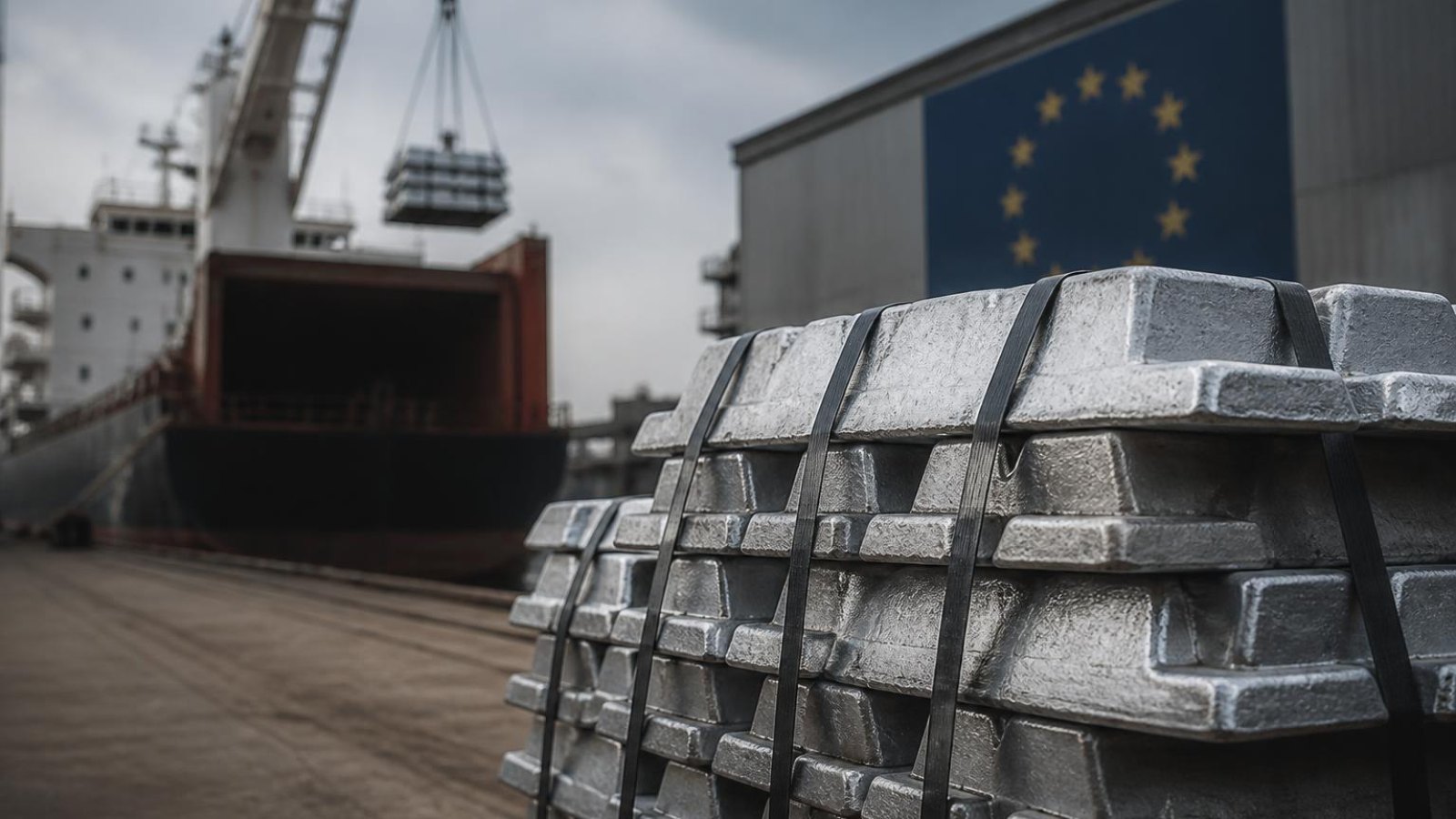
    The European Union’s decision to ban the import of Russian aluminium by 2027 has raised significant concerns about the implications for the aluminium supply chain in France. In 2024, Russian aluminium accounted for 10% of France’s imports, but this figure is expected to plummet to nearly 0% by 2025. The primary goal of this ban is to diminish Moscow’s revenue streams amid ongoing geopolitical tensions. However, the situation is more complex than it appears on the surface.

    Aluminium does not emerge fully formed from the earth; it requires a multi-step process that begins with the extraction of bauxite, which is then refined into alumina before being transformed into aluminium. Notably, the EU’s ban targets aluminium specifically, leaving alumina imports untouched. In France, half of the aluminium produced is recycled, while the other half is generated from two primary factories located in Dunkerque and Savoie, both of which rely on imported alumina.

    Surprisingly, nearly half of France’s alumina supply comes from a single refinery in Ireland, owned by Rusal, the Russian aluminium giant. This refinery predominantly processes bauxite sourced from Guinea, where the mines are also under Rusal’s control. As a result, while the aluminium produced in French factories may not directly list Russia as a source, the country remains a critical player in the supply chain, albeit at a higher level.

    The looming concern is that, given the current conflict in Ukraine, Rusal could prioritise its own operations in Russia, potentially cutting off the supply of alumina to French manufacturers. This dependency on a foreign entity, especially one embroiled in war, poses a significant risk to the stability of the aluminium production in France. The situation calls for a reevaluation of supply chains and a push towards diversifying sources to mitigate risks associated with geopolitical tensions.

    In the next installment, we will explore the increasing trend of alumina being redirected from the Irish refinery to Russian facilities, further complicating the narrative of independence from Russian aluminium imports.