Website: Europe.com

  • FireFox Gold Discovers High-Grade Gold Zone at Mustajärvi Project in Finland

    FireFox Gold Discovers High-Grade Gold Zone at Mustajärvi Project in Finland

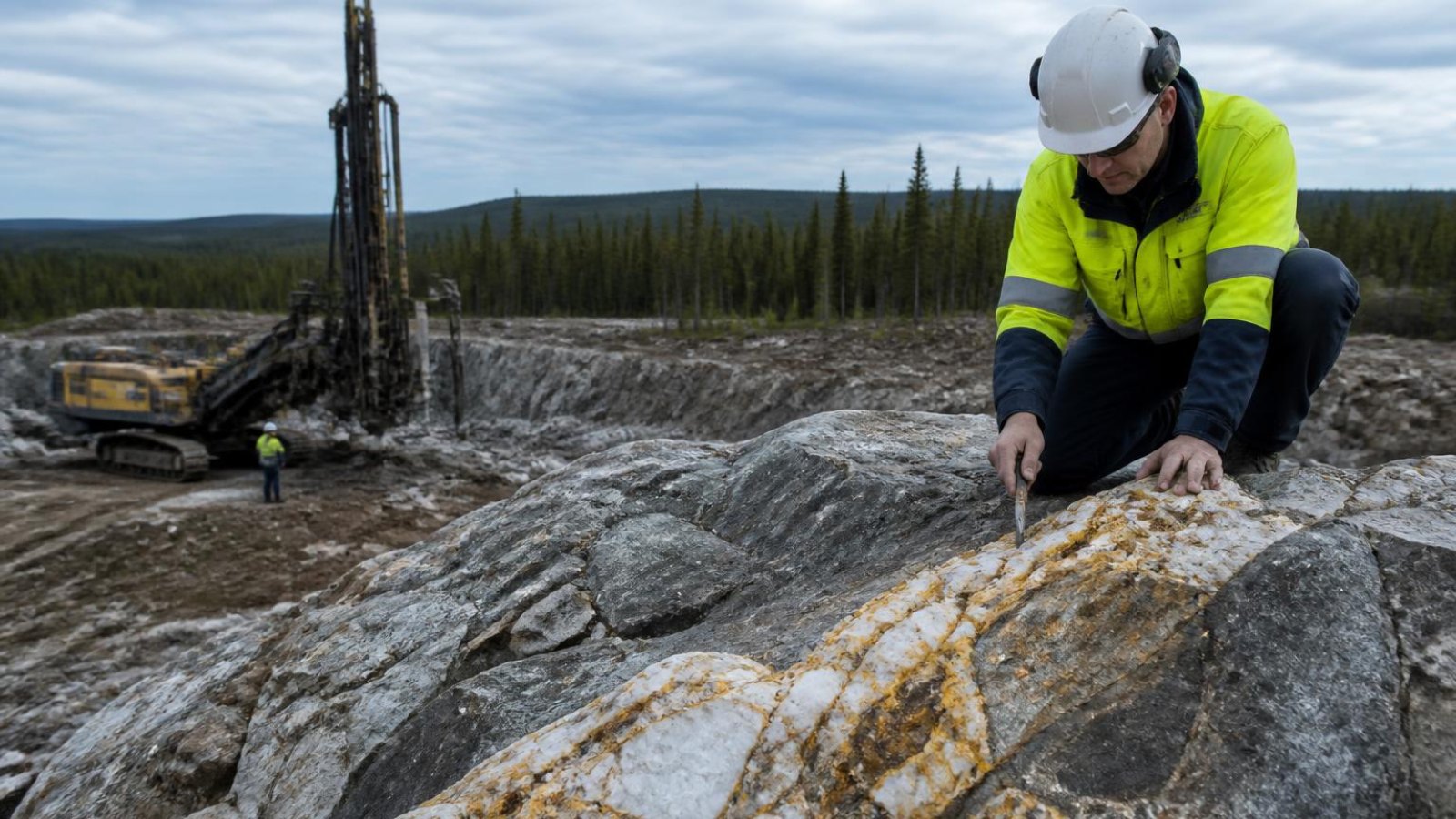
    FireFox Gold Corp. has announced a significant discovery at its Mustajärvi Gold Project in Lapland, Finland, with the identification of the newly recognised ‘Lammas Zone’. This high-grade gold-mineralised zone is located nearly a kilometre east of the main Mustajärvi Shear Zone (MSZ). The discovery was made through drill hole 26MJ032, which revealed multiple gold-mineralised intervals, including an impressive 21.0 metres averaging 4.13 g/t gold from a depth of 114.0 metres, with a peak of 21.6 g/t gold over 1.0 metre. Additionally, another interval of 4.2 metres averaged 3.41 g/t gold from 138.0 metres depth.

    Since its initial discovery in 2018, FireFox has concentrated its efforts on exploring the three known kilometres of mineralisation along the MSZ, leading to new discoveries at the Northeast and East Zones. With the arrival of a second drill rig, the company is now able to test a broader range of targets across the property, including the Lammas Zone, which is considered a priority target for future resource growth.

    Carl Löfberg, CEO of FireFox, expressed enthusiasm about the potential for further discoveries and expansion within the Mustajärvi Shear Zone system. He noted that the structural trend at Lammas appears to have continuity over a considerable distance, with indications that mineralisation may extend across the highway onto adjacent properties held by Agnico Eagle Mines, over a kilometre away. The company plans to resume drilling in the coming weeks when winter conditions improve, while awaiting assay results from additional holes drilled at Lammas and other targets throughout the project.

    The discovery was supported by detailed ground magnetics and geophysical surveys that identified several structures consistent with alteration along the MSZ. The Lammas discovery was further validated by detecting gold anomalies in base-of-till (BoT) sampling over the new target area. FireFox’s exploration team, in collaboration with in-house geophysicist Markku Montonen, conducted electromagnetic surveys at Lammas, which returned conductors consistent with high-grade gold mineralisation observed in the Northeast and East Zones.

    Although the initial drilling at Lammas has not yet confirmed visible gold in the additional holes, the presence of pyrite mineralisation and favourable alteration suggests potential for further discoveries. The Mustajärvi Project, located along the highway between Kittilä and Sodankylä, has seen extensive drilling, with a total of 29,897 metres completed to date. The project is noted for its high-grade gold mineralisation, often associated with pyrite or hematite.

    FireFox Gold is gearing up for a live investor webinar to discuss the latest developments at the Mustajärvi Gold Project and the anticipated maiden resource estimate expected in early 2027. The company, which has been exploring for gold in Finland since 2017, aims to delineate multiple gold zones and contribute to the discovery of Finland’s next major gold deposit, leveraging the country’s strong mining laws and tradition. FireFox Gold is listed on the TSX Venture Stock Exchange and trades on the OTCQB Venture Market Exchange in the US.
  • Apollo Minerals Collaborates with BRGM for Advanced Geophysical Survey at Couflens Tungsten-Gold Project

    Apollo Minerals Collaborates with BRGM for Advanced Geophysical Survey at Couflens Tungsten-Gold Project

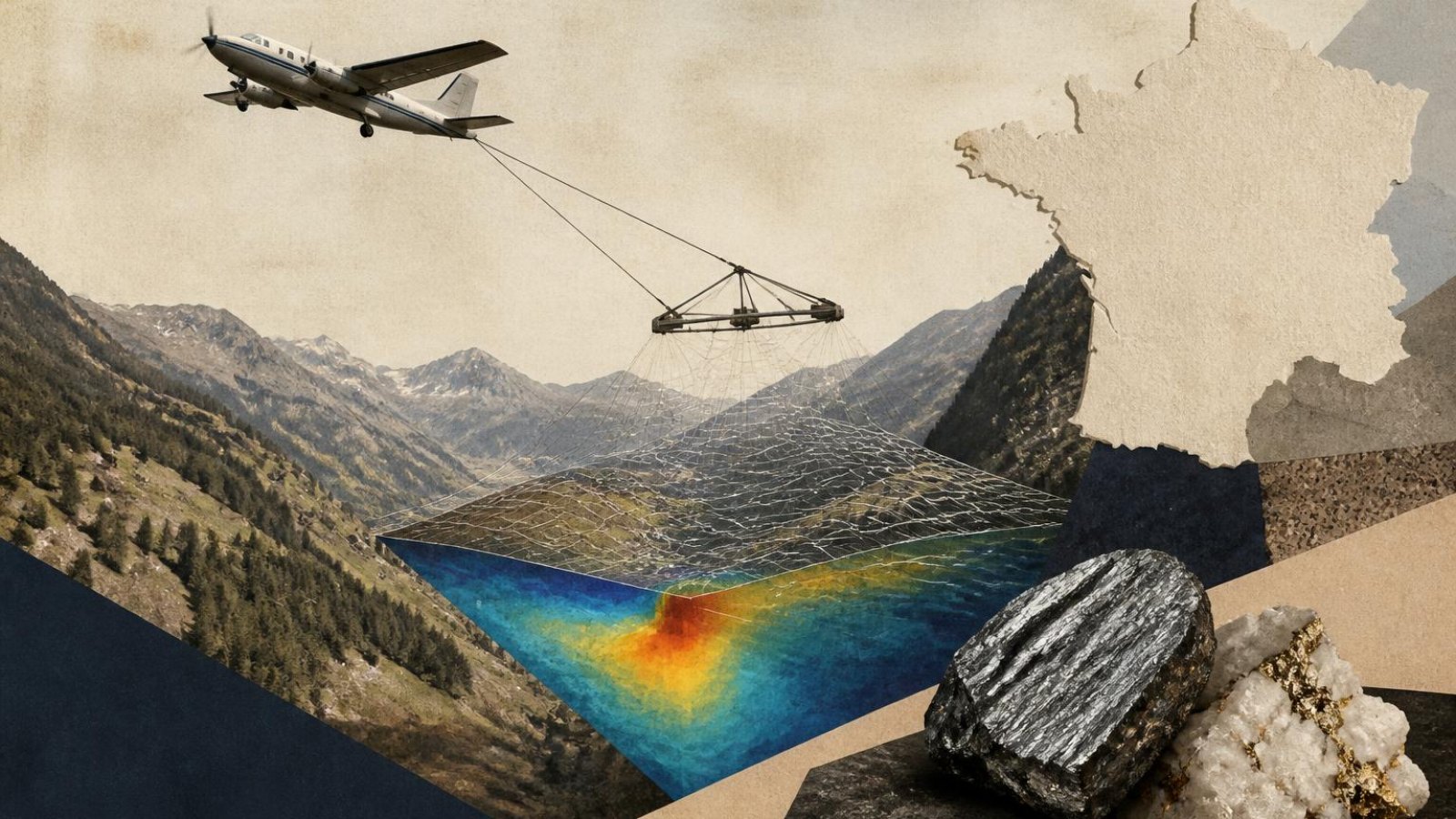
    Apollo Minerals Limited has announced a significant partnership with the French Geological Survey (BRGM) to conduct a detailed airborne geophysical survey at its 100%-owned Couflens Tungsten-Gold Project in France. This collaboration is part of the broader national mineral resources inventory project, known as the Inventaire des Ressources Minérales (IRM Project), which aims to enhance the understanding of France’s mineral resources and secure access to critical raw materials essential for the energy and digital transitions. The survey, which involved 180-line kilometres of helicopter-borne magnetic and radiometric data collection over a 19 square kilometre area, is expected to yield valuable insights that will refine geological models and improve exploration targeting.

    The Couflens project, which includes the historically significant Salau mine, is strategically important for France’s supply chains, particularly in securing tungsten, a critical raw material. The Salau mine was once one of the highest-grade tungsten operations globally, with mining grades averaging 1.5% WO3 during its operational years from 1971 to 1986. The partnership with BRGM is seen as a crucial step in advancing the exploration of this promising site, which is located 130 kilometres south of Toulouse and spans an area of 42 square kilometres.

    The results from the geophysical survey are anticipated to be processed in the coming months, providing essential data that will assist in identifying additional mineralisation targets within the Couflens area. Apollo Minerals plans to integrate this new data with its existing exploration databases to define target anomalies and refine its exploration strategies. Furthermore, the company is preparing for an initial underground drill program aimed at expanding known mineralisation areas and assessing the broader deposit’s mineralised width.

    BRGM officials have expressed their commitment to supporting the exploration of potential ore deposits under a contractual framework with private companies, highlighting the importance of the Couflens project as a national asset. The IRM Project is part of the French Government’s 2030 investment plan and aligns with the European Union’s Critical Raw Materials Act adopted in 2023. This initiative underscores the growing recognition of the need for sustainable access to critical minerals in the face of ecological transitions and industry decarbonisation efforts.

    The collaboration between Apollo Minerals and BRGM marks a significant advancement in the exploration of the Couflens Tungsten-Gold Project, promising to enhance France’s mineral resource inventory and secure critical raw materials for future industrial needs.


  • Teako Minerals Expands Critical Metals Exploration in Norway

    Teako Minerals Expands Critical Metals Exploration in Norway

    Teako Minerals is making significant strides in the exploration of critical metals across Norway, with a portfolio that includes 71 projects covering over 5,000 square kilometres. The company is focused on three core projects located in central Norway, specifically targeting copper and zinc in massive sulphides, which are essential for various industrial applications. The three main projects—Tynset, Venna, and the Løkken District—are at different stages of development, with Tynset advancing towards drilling and Venna focusing on the Mostadmarka Formation, which shows potential for a concealed massive sulphide deposit.

    Teako’s strategy revolves around a model of discovery, partnership, and redeployment. The company retains a vested interest in nine projects that are being advanced by partners, allowing it to minimise exploration costs while still benefiting from potential discoveries. This collaborative approach not only supports Teako’s core projects but also enhances its overall portfolio by leveraging the expertise and resources of its partners.

    The focus on critical metals is timely, as global demand for these resources continues to rise, driven by the transition to renewable energy and electric vehicles. Teako’s exploration efforts tap into Norway’s geological inheritance, which boasts rich copper-zinc belts and uranium-rare earth element (REE) grounds. The company aims to position itself as a key player in the mining sector by capitalising on Norway’s abundant mineral resources.

    Investors can track Teako Minerals’ progress through its listings on the Canadian Securities Exchange (CSE: TMIN), Frankfurt (FSE: 08U), and OTC Markets (OTCPK: TMINF). The company is committed to transparency and provides regular updates on its strategy and results through its Investor Hub, ensuring stakeholders are informed about its advancements in the mining industry.


  • Finland’s Strategic Role in Europe’s Critical Materials Landscape

    Finland’s Strategic Role in Europe’s Critical Materials Landscape

    Finland is poised to play a crucial role in Europe’s critical materials strategy, which currently lacks a cohesive system for transforming identified projects into operational industrial capacity. While Europe has recognised strategic projects, the real bottleneck lies not in extraction or permitting speed but in what can be termed ‘project conversion’—the ability to turn mineral potential into bankable and executable industrial capacity. This involves connecting geological knowledge with capital, engineering with permitting, and public policy with private investment.

    A recent discussion with Arthur Poliakov, Executive Chairman of MINEX, highlighted that successful projects in Europe often combine early public capital or offtake commitments, environmental and social risk management, and local processing capabilities. In contrast, stalled projects frequently face challenges related to financing and political risks, rather than environmental concerns. Thus, while permitting processes are important, they do not guarantee project success if the underlying financial and local legitimacy issues remain unresolved.

    Finland has already made strides in this area, with three projects receiving EU Strategic Project Status in March 2025. However, this designation alone does not resolve the critical issues of financing and local acceptance. The proposed European Corporation on Critical Raw Materials aims to strengthen Europe’s procurement position, but without the ability to mobilise risk capital and support mid-stream capacity, it risks failing to convert strategic projects into operational assets.

    Finland’s existing infrastructure positions it advantageously within the global materials system, with significant contributions to copper and cobalt production. The Keliber lithium project exemplifies Finland’s integrated approach, linking domestic resources with local refining capabilities. However, the challenge remains whether this model can be replicated across other projects in Finland.

    To close the project-conversion gap, Finland must connect five key functions: resource intelligence, permittability engineering, public risk-sharing, local value capture, and commercial readiness. While Finland possesses capabilities in each of these areas, they currently operate separately rather than as a cohesive system. A successful conversion platform would not only accelerate project development but also filter out projects that lack the necessary geological, economic, or environmental viability.

    Initiatives like ‘More than a Mine’ suggest Finland is beginning to integrate research, industrial capabilities, and public funding more effectively. The true measure of success will be how many projects emerge from this system as competitive, legitimate, and operational. As Finland navigates these challenges, it has the opportunity to establish itself as a leader in Europe’s critical materials landscape, transforming its fragmented strengths into a robust national capability for project delivery.


  • The Crucial Role of Graphite in Europe’s Battery Value Chain

    The Crucial Role of Graphite in Europe’s Battery Value Chain

    At the recent Fastmarkets Battery Raw Materials Conference in Budapest, a key message emerged: the success of the European battery industry hinges on a robust graphite value chain. Graphite, a critical component in lithium-ion batteries, constitutes the largest material share by weight in most battery cells. Despite its importance, discussions surrounding battery raw materials have predominantly focused on the cathode side, leaving the anode value chain, where graphite plays a vital role, largely overlooked. This imbalance must be rectified to ensure a competitive and resilient European battery sector.

    Europe possesses significant advantages in the graphite materials sector, including decades of expertise in manufacturing and materials engineering. These strengths, coupled with high sustainability standards, traceability, and proximity to the continent’s battery industry, position Europe well to develop a competitive graphite value chain. However, competitiveness should not be measured solely by the lowest prices on the global market. Instead, it should encompass resilience, innovation, supply security, and contributions to Europe’s strategic autonomy.

    The urgency for a coherent, long-term industrial strategy for critical raw materials has become increasingly evident. While the importance of these materials has gained traction on the EU political agenda, the industry requires a strategy that translates political ambitions into tangible industrial realities. This includes creating bankable business conditions, generating stronger demand signals for domestic production, addressing structural cost disadvantages, and ensuring regulatory predictability with expedited permitting processes.

    Ultimately, Europe’s success in the graphite sector will be determined by its ability to build competitive industrial capacity and secure supply chains, rather than merely the number of policy initiatives adopted. The call for a focused approach to developing the graphite value chain is clear, as it is integral to the future of the European battery industry and its strategic autonomy in the global market.


  • Nyrstar Stolberg to Host Open Day Showcasing Advanced Lead Smelting Technology

    Nyrstar Stolberg to Host Open Day Showcasing Advanced Lead Smelting Technology

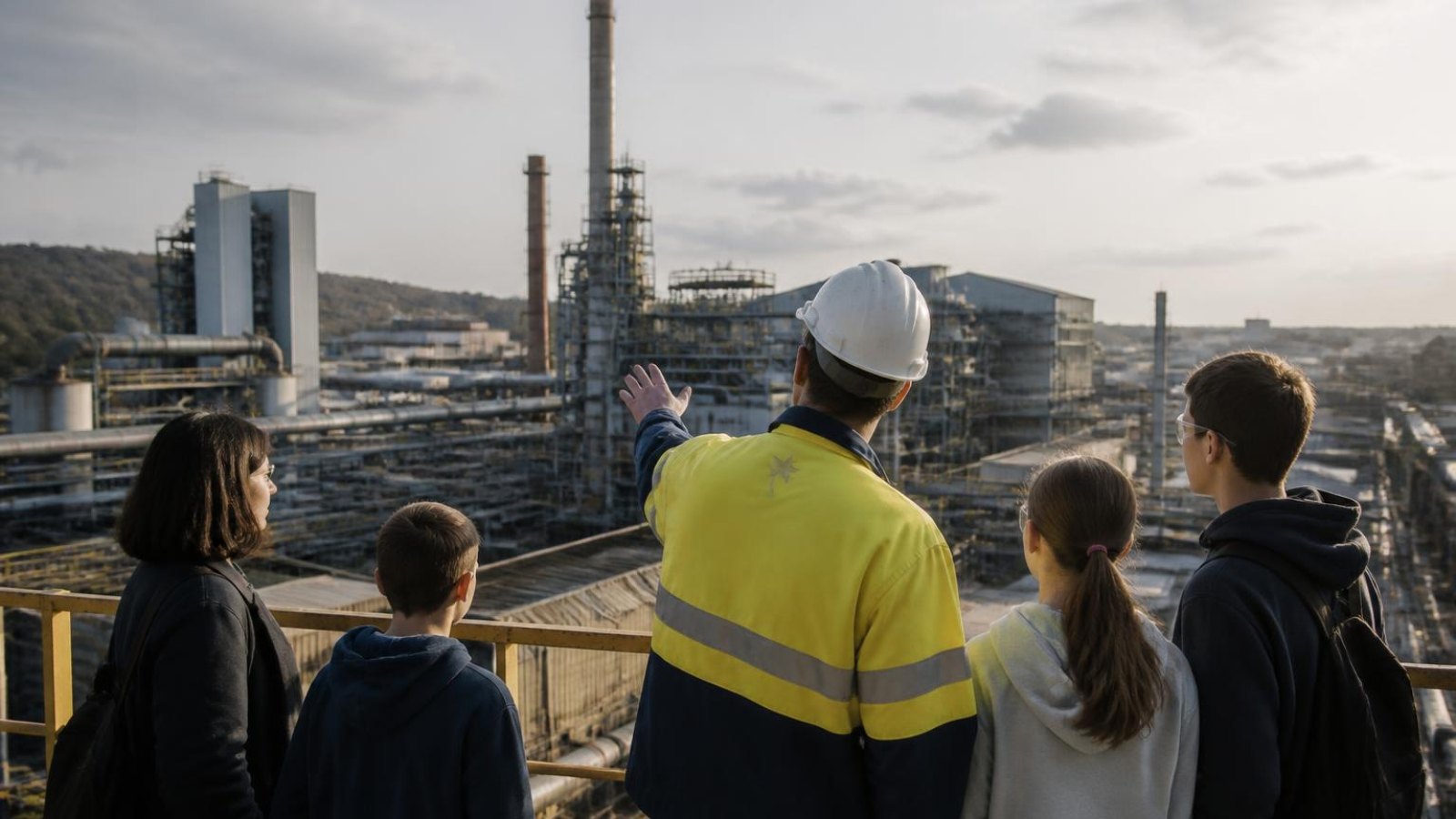
    Nyrstar Stolberg, one of Europe’s leading primary lead smelters, is set to host an Open Day on 26 September 2026, inviting employees, families, neighbours, students, and the general public to explore its state-of-the-art facilities. Located in Germany, Nyrstar Stolberg stands as the second-largest silver doré producer in the country and boasts nearly 180 years of metallurgical expertise. The event aims to provide attendees with an in-depth understanding of modern metals production, highlighting the company’s commitment to sustainability and innovative technology.

    Visitors will have the unique opportunity to take guided tours of the production facilities, where they can witness first-hand the advanced processes involved in lead smelting. A key feature of the facility is its industry-leading QSL technology, which allows for significantly lower energy consumption compared to traditional smelting methods. This not only enhances operational efficiency but also aligns with global sustainability goals, making Nyrstar Stolberg a pioneer in environmentally responsible metal production.

    In addition to the tours, the Open Day will include opportunities for attendees to meet the workforce behind the operations, learn about career and apprenticeship prospects, and engage in family-friendly activities. Food and refreshments will also be provided, ensuring a welcoming atmosphere for all visitors.

    Nyrstar Stolberg’s Open Day represents a significant initiative to foster community engagement and transparency within the mining and metals industry. By opening its doors to the public, Nyrstar aims to demystify the processes involved in metal production and highlight the importance of sustainable practices in the sector. The event is expected to attract a diverse audience, showcasing the company’s role as a leader in the European metals market and its commitment to innovation and sustainability.


  • Macedonian Ruby: A New Era of Protection and Recognition for North Macedonia’s Geological Heritage

    Macedonian Ruby: A New Era of Protection and Recognition for North Macedonia’s Geological Heritage

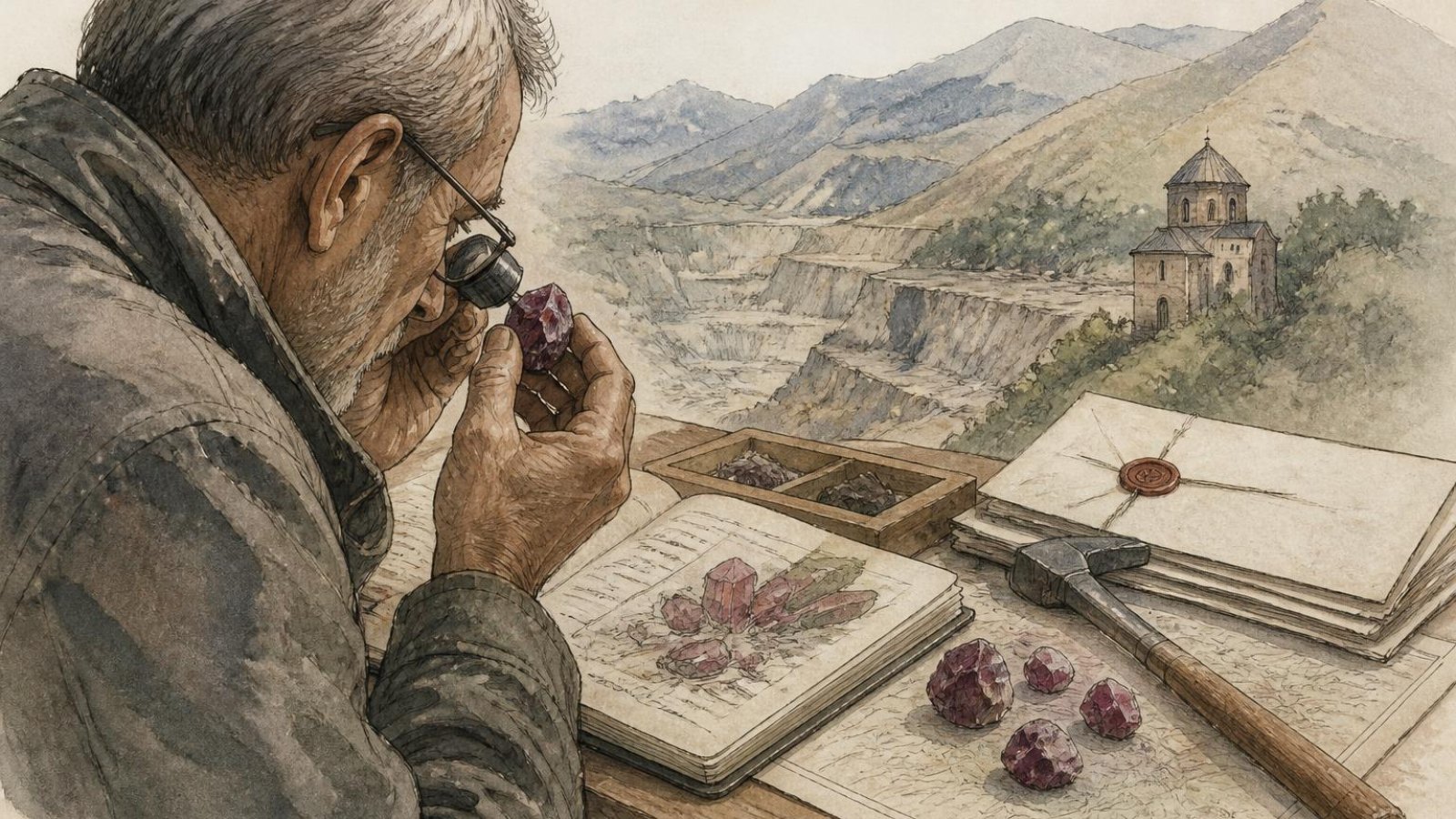
    North Macedonia is taking significant steps to protect and promote one of its geological treasures, the Macedonian Ruby. Recently, the geographical indication for this unique mineral has been legally protected, marking a pivotal moment in its recognition and preservation. The establishment of a Quality Control Commission will oversee the implementation of a structured system that ensures professional oversight, traceability, certification, and quality assurance for products bearing the name ‘Macedonian Ruby’. This initiative aims to guarantee that only those products meeting specific standards and verified origin requirements can carry this prestigious designation.

    Key components of the new system include verified origin, professional quality control, product traceability, certification procedures, and protection against misuse and misrepresentation. An innovative addition under development is a QR-code verification system, which will allow consumers to access detailed information regarding the product’s origin, compliance, and certification directly from the packaging. This move not only enhances consumer trust but also elevates the status of Macedonian Ruby in the marketplace.

    The overarching goal of this initiative is to create long-term value from North Macedonia’s unique natural resources by fostering trust, authenticity, and market recognition. The vision is clear: to evolve from geological heritage to a protected designation, then to a certified product, and ultimately to a recognized national brand with international acclaim. The journey of Macedonian Ruby is emblematic of a broader philosophy in the mining and mineral resources sector, which emphasizes responsible resource management that goes beyond mere extraction and production.

    As articulated by industry expert Filip Petrovski, who has dedicated over two decades to the mining sector, responsible resource management encompasses preserving cultural identity, creating added value, and ensuring that future generations can benefit from the country’s unique natural assets.


  • Almonty Industries to Supply Sandvik with Tungsten from Spanish Mine Tailings

    Almonty Industries to Supply Sandvik with Tungsten from Spanish Mine Tailings

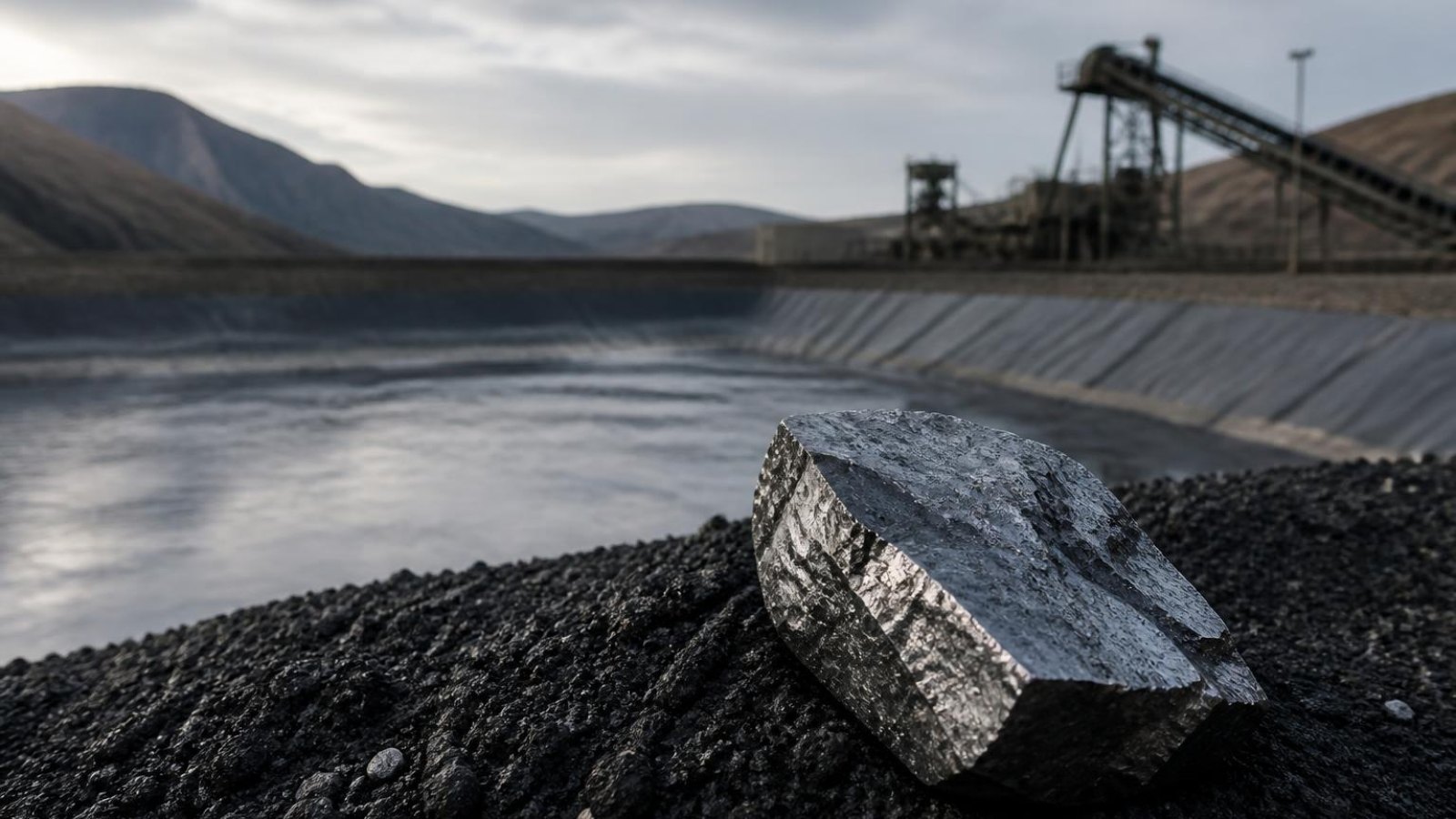
    Almonty Industries has announced an agreement to supply Sandvik with tungsten sourced from the tailings of its Los Santos mine in Spain. This deal comes at a time when Western nations are actively seeking alternatives to Chinese tungsten supplies, which dominate the global market, accounting for approximately 80% of production. The agreement, structured on a take-or-pay basis, aims to provide a more immediate tungsten supply solution compared to traditional mining methods, allowing for quicker delivery of concentrate.

    The tungsten will be processed from waste material left at the Los Santos site, where Almonty plans to utilise specially developed technology to extract the metal. Although the tailings contain lower grades of tungsten than newly mined ore, the rising prices and increasing demand for tungsten in various applications—from military to semiconductor industries—have made the reprocessing of these materials economically viable.

    Spain is noted for having the largest tungsten reserves in Western Europe, yet the development of new mines has been hampered by regulatory challenges. Almonty has faced similar issues at its Valtreixal project, where it has been waiting for necessary permits since acquiring the mining licence in 2013. A recent non-binding negative environmental assessment from a regional government has further delayed progress.

    The company’s flagship asset, the Sangdong mine in South Korea, has recently resumed production after being inactive for over three decades, while tungsten is also produced at Almonty’s Panasqueira mine in Portugal. The strategic push for tungsten supply is part of a broader European initiative to secure critical minerals, especially in light of geopolitical tensions that have highlighted the risks associated with reliance on concentrated overseas supply chains.

    In response to these challenges, the European Union adopted the Critical Raw Materials Act in 2024, aimed at boosting extraction, processing, and recycling within Europe. Tungsten was included in the EU’s critical-minerals joint-purchasing plans earlier this year, alongside other essential materials such as rare earths and gallium. The Los Santos project is expected to play a crucial role in meeting the growing demand from European consumers like Sandvik, as they seek more reliable and diverse sources of tungsten.


  • Sakatti Mine: Innovative Underground Mining with Minimal Environmental Impact

    Sakatti Mine: Innovative Underground Mining with Minimal Environmental Impact

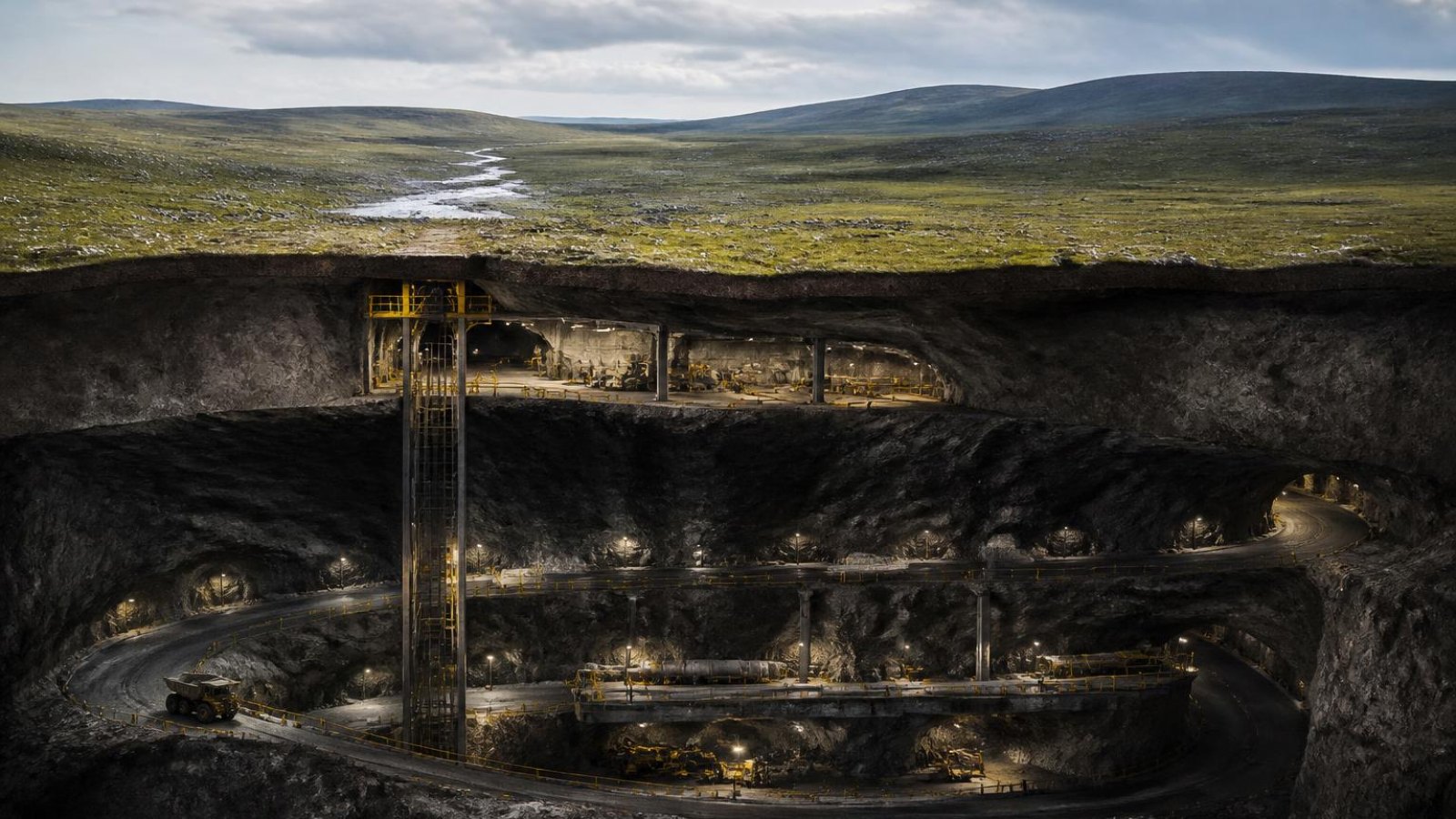
    The Sakatti mine, a new mining project, is set to operate with a focus on environmental sustainability by employing underground mining techniques. Notably, there will be no above-ground structures within the conservation area, ensuring that the natural landscape remains largely undisturbed. The ore extraction will take place entirely underground, with the factory area strategically located outside the conservation zone.

    To manage waste effectively, the mine will return waste rock and tailings underground as paste fill, utilising part of the waste rock for local infrastructure construction. The remaining tailings will be filtered and disposed of dry in the mill area, enhancing water management practices. This innovative approach aims to minimise the environmental footprint of the mining operation.

    Access to the mine will be facilitated through an extensive underground inclined tunnel system, exceeding five kilometres in length. This system is designed to ensure that all materials, equipment, personnel, water, and ventilation are transported underground, thereby reducing surface disruption. The tunnels are sealed to prevent contamination, and process water recycling is maximised, with all effluents undergoing purification before being released, ensuring that no treated water enters the conservation area.

    Although the Sakatti deposit is not particularly large, its high mineral content allows for the extraction of more metals with less mining activity, resulting in reduced mining waste. The project exemplifies how modern mining practices can align with environmental conservation efforts, showcasing a commitment to sustainable resource extraction while meeting the demands of the industry.


  • Vulcan Energy Launches Commercial Production of VULSORB Adsorbent in Germany

    Vulcan Energy Launches Commercial Production of VULSORB Adsorbent in Germany

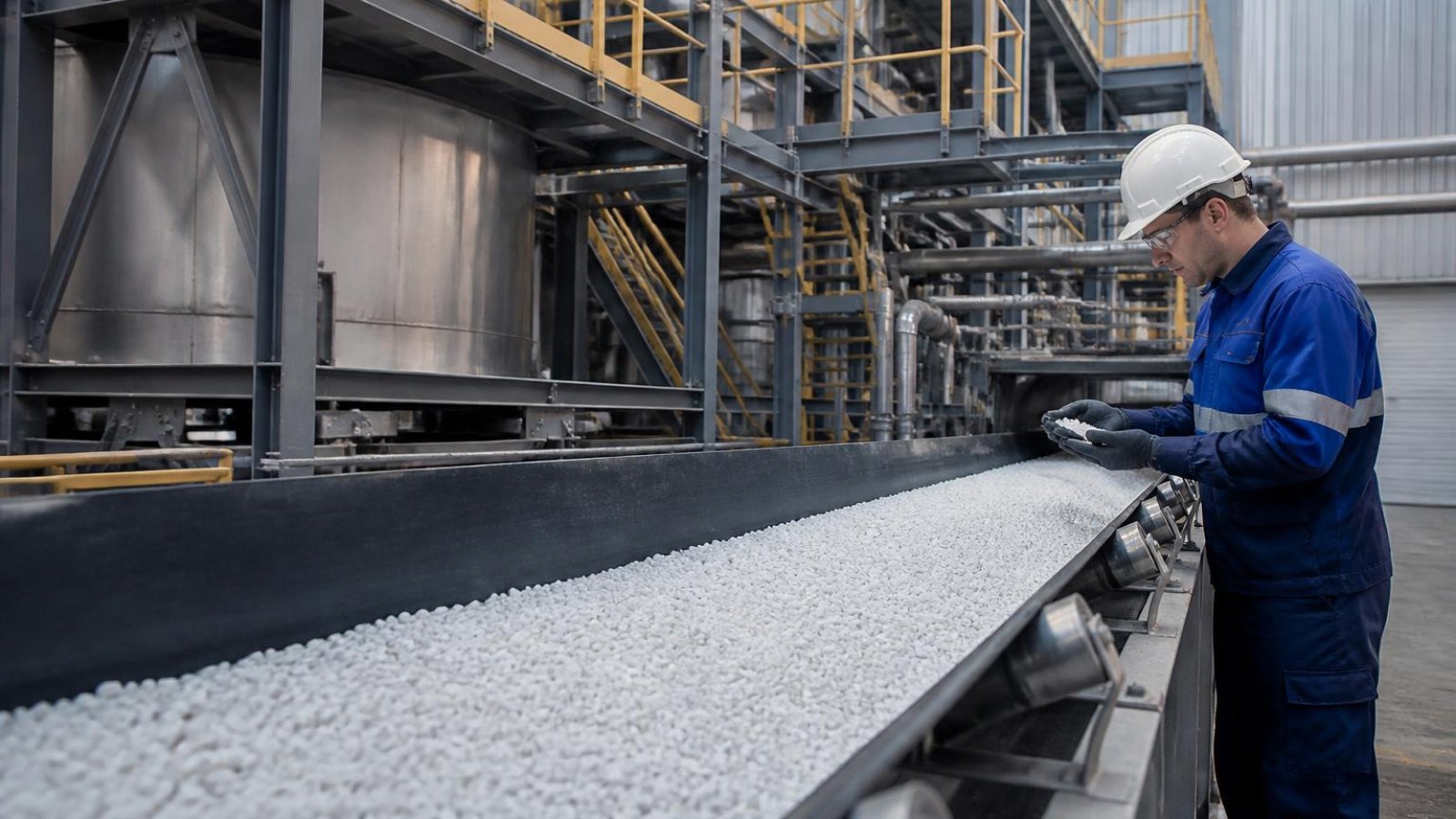
    Vulcan Energy Resources has officially commenced commercial-scale production of its proprietary VULSORB lithium extraction adsorbent in Germany, marking a significant milestone in the lithium extraction industry. This innovative material, designed to capture lithium from brine, will supply the initial fill for lithium extraction columns ahead of the commissioning of Project Lionheart, scheduled for the second half of 2028.

    The VULSORB adsorbent is integral to the Adsorption-type Direct Lithium Extraction (A-DLE) process, which has undergone extensive laboratory and industrial testing over the past several years. During these trials, VULSORB demonstrated an impressive lithium extraction efficiency of up to 95% across thousands of operating cycles. Cris Moreno, Vulcan’s managing director and CEO, expressed enthusiasm over this achievement, highlighting its importance in de-risking the technology, supply chain, and execution for the Lionheart Project, which is poised to be Vulcan’s first commercial lithium production site.

    Located in the Upper Rhine Valley Brine Field along the German-French border, Project Lionheart aims to produce 24,000 tonnes per annum (tpa) of lithium hydroxide monohydrate, sufficient to power approximately 500,000 electric vehicle batteries. The VULSORB adsorbent, based on an aluminate formulation, is one of the few A-DLE technologies with Western intellectual property and a supply chain that is exclusively outside of China. This is particularly significant given China’s recent prioritisation of export controls and licensing arrangements on A-DLE technology since early 2025.

    The decision to scale up production follows three years of successful trials with European toll manufacturers, which resulted in the production of high-purity lithium chloride and battery-grade lithium hydroxide at demonstration plants. Vulcan Energy plans to continue manufacturing VULSORB over the next 18 to 24 months in preparation for the commissioning of Project Lionheart and potential future applications through its VULTEC technology division. Additionally, VULSORB may be offered to third parties via licensing agreements, further expanding its market reach and impact on the lithium extraction landscape.