Website: Europe.com

  • Bellona Launches New Initiative to Promote Sustainable Mineral Extraction in Norway

    Bellona Launches New Initiative to Promote Sustainable Mineral Extraction in Norway

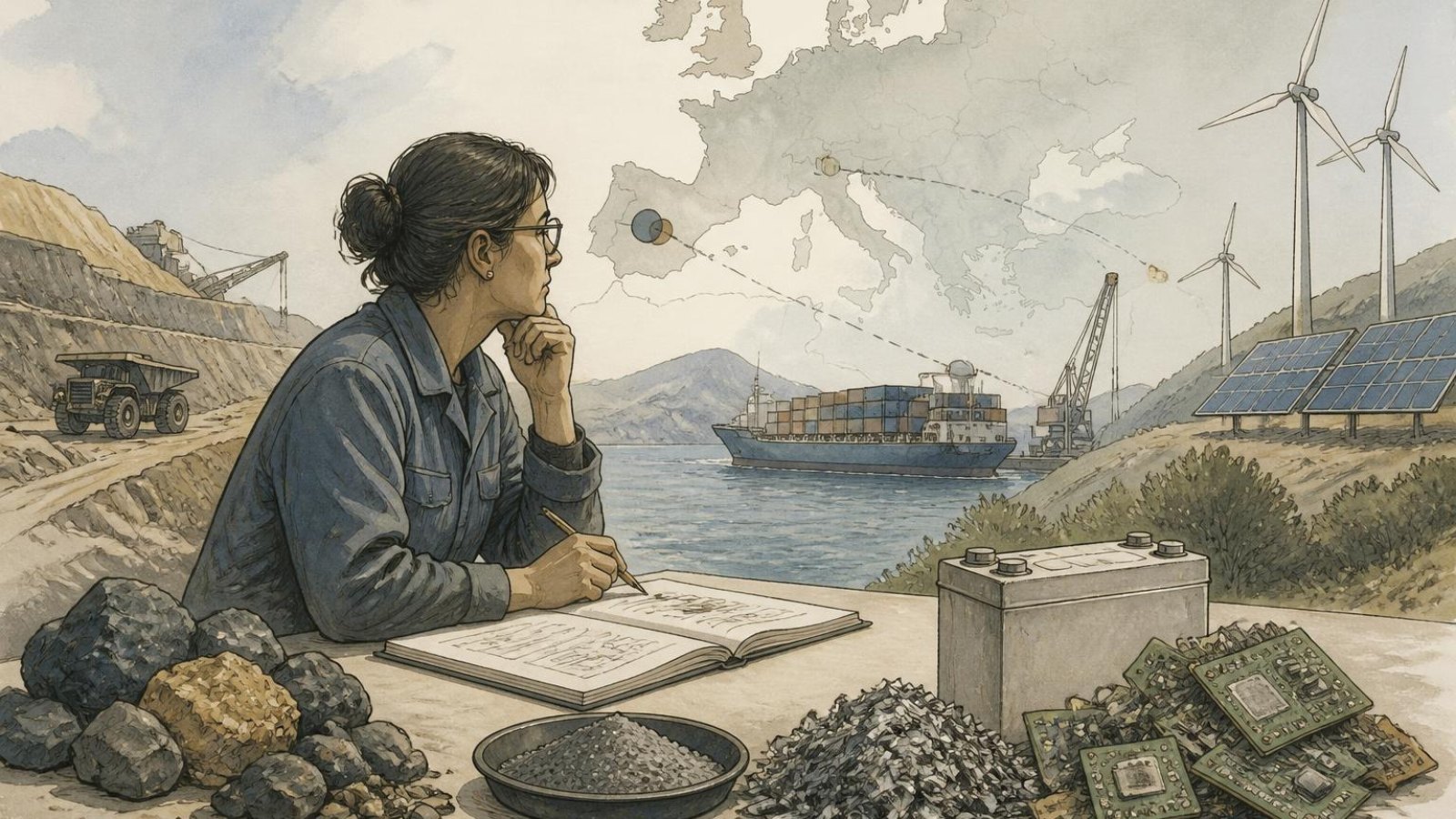
    On September 23, 2026, Bellona, a prominent environmental foundation, launched its new initiative, “Mineralløftet,” in Oslo, aimed at fostering responsible and sustainable mineral extraction practices in Norway. The event featured Sveinung Rotevatn, Bellona’s director, who emphasised the growing necessity for minerals in the context of renewable energy technologies such as solar panels, wind power, electric vehicles, and batteries. Rotevatn highlighted the environmental movement’s classic dilemma: balancing the need for mineral resources against the imperative to reduce pollution. He expressed hope that the initiative would facilitate a more constructive dialogue in a highly polarised debate surrounding mineral extraction.

    Rotevatn stated, “We need minerals. This has always been true, and I would argue it is even more true now.” He called for a collaborative approach to establish common standards, technologies, and methods that would enhance circularity and sustainability in the mineral sector, ultimately leading to lower emissions.

    In conjunction with the launch, Martin Sveinsønn Melvær, Bellona’s team leader, published an opinion piece in Teknisk Ukeblad, arguing that the environmental movement must adapt to the reality that mining is essential for Europe’s mineral needs. He urged politicians to replace their reluctance with decisive action and called for industry and activists to engage in constructive dialogue rather than entrenched opposition.

    Kristin Husebø Hestnes, head of mineral resources at the Norwegian Geological Survey (NGU), attended the launch and echoed the sentiment that successful sustainable mineral extraction in Norway requires collaboration across government, industry, civil society, and research communities. She noted that NGU plays a crucial role in mapping potential mining sites, which can be developed into responsible mineral extraction operations.

    The Mineralløftet initiative aligns with the Norwegian government’s strategy to create the world’s most sustainable mineral industry. Hestnes remarked that Norwegian mining projects have the potential to lead the way in developing a mineral sector characterised by lower emissions and reduced environmental impact. The initiative aims to gather various stakeholders to facilitate cooperation, knowledge sharing, and the development of solutions that can make Norwegian mineral extraction more responsible, resource-efficient, and environmentally sustainable. The collaboration includes key players such as NTNU, Rare Earths Norway, Rana Gruber, Nussir, and Hub for Minerals.
  • EveChem Secures Niendorf Lithium Exploration Licence in Germany

    EveChem Secures Niendorf Lithium Exploration Licence in Germany

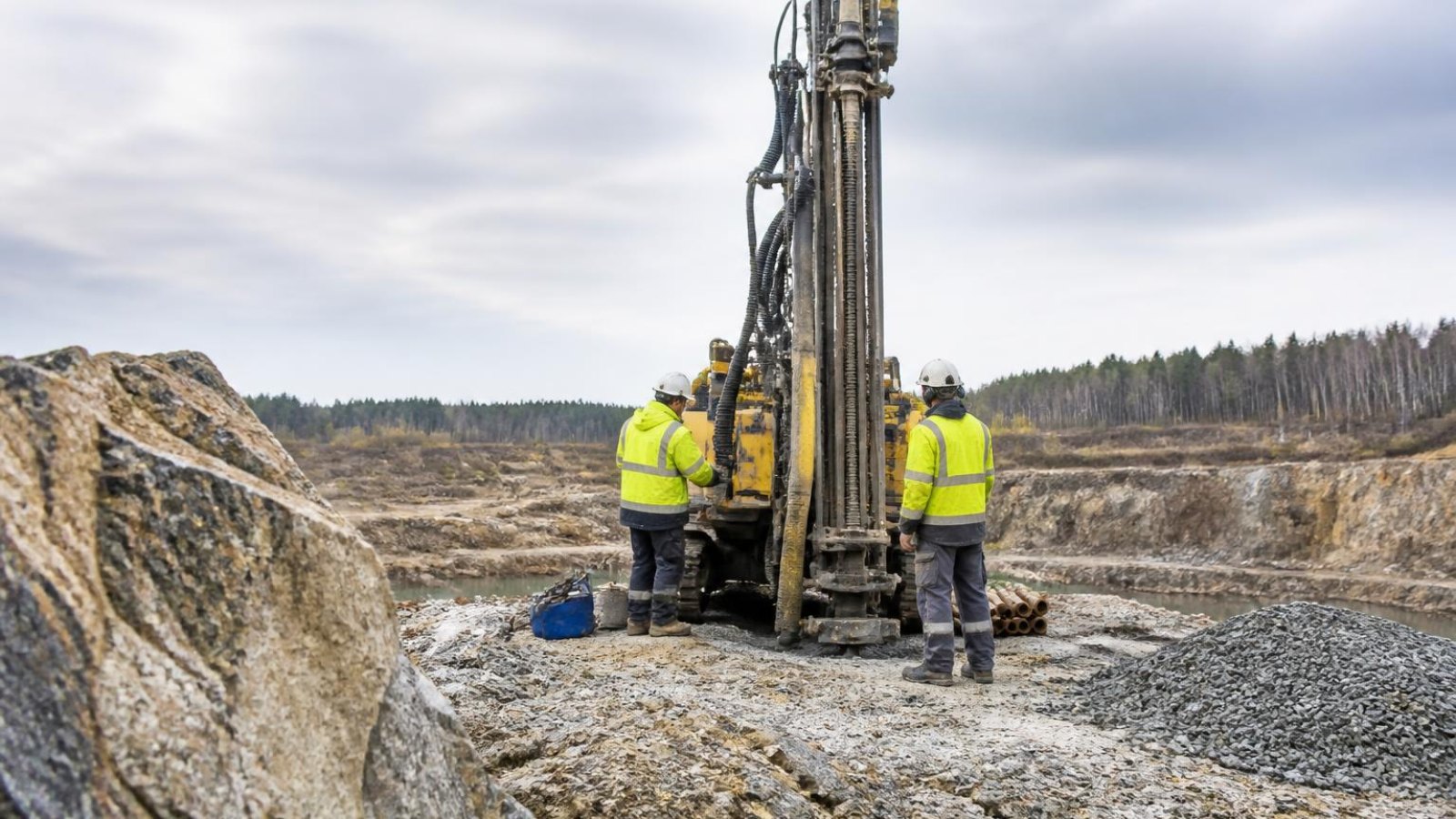
    EveChem has recently been awarded the Niendorf exploration licence for lithium, covering an area of 650.5 square kilometres across the Gifhorn, Lüchow-Dannenberg, and Uelzen districts in Germany. This licence, which is valid until 30 September 2028, marks a significant step for the company as it aims to explore lithium-bearing geothermal brines located over 2,000 metres beneath the surface. The geographical layout of the licence area is notably distinct, resembling a chicken, and stretches from Eimke in the west to the Saxony-Anhalt border in the east, and south towards Sprakensehl.

    Currently, EveChem is in the initial stages of exploration, focusing on building a comprehensive geological picture of the area and assessing the potential for lithium extraction. The company has stated that it will not commence drilling activities for the time being, as the primary objective over the next two years is to understand the geological formations and identify the best opportunities for future development.

    The Niendorf licence is strategically located next to EveChem’s Clenze licence, where the company has already defined a JORC Inferred Resource of 2.3 million tonnes of lithium carbonate equivalent (LCE) at a concentration of 328 mg/L lithium. Additionally, EveChem holds the Ehra licence further south, consolidating its position in the region and contributing to the development of a European lithium supply chain.

    EveChem plans to provide updates on its findings and progress in the coming weeks, as it embarks on this promising exploration journey. The focus on lithium is particularly relevant given the increasing demand for this critical mineral in the production of batteries for electric vehicles and renewable energy technologies, highlighting the importance of local resources in meeting future energy needs.


  • EU’s Critical Raw Materials Framework: A Call for Member States and Investors to Act

    EU’s Critical Raw Materials Framework: A Call for Member States and Investors to Act

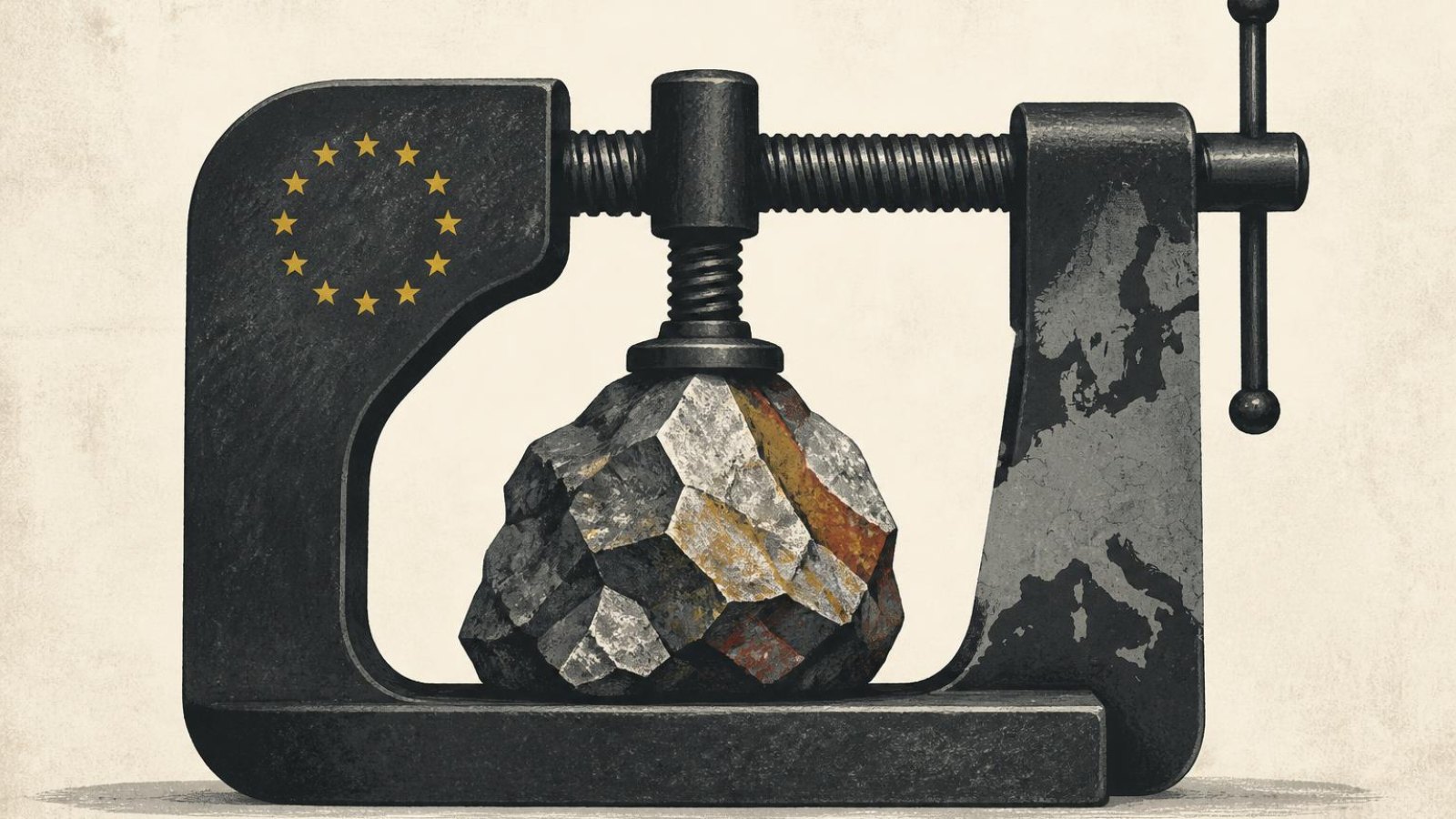
    The European Union (EU) has established a comprehensive framework for securing access to critical raw materials through initiatives like the Raw Materials Initiative (RMI) and the Critical Raw Materials Act (CRMA). However, despite these advancements, there is a growing sentiment among stakeholders in the mining, processing, and manufacturing sectors that the EU is not providing adequate financial support or assistance with energy costs. This perception overlooks the significant progress made by the EU, which has laid the groundwork for resource security, but now requires execution from member states and private investment.

    The RMI, initiated in 2008, was pivotal in recognising the strategic importance of raw materials, leading to the establishment of a regularly updated list of critical raw materials. The CRMA further solidified this approach by setting ambitious benchmarks for 2030, including 10% extraction, 40% processing, and 25% recycling of strategic materials within the EU. It also streamlined permitting processes and encouraged diversification of supply chains, creating a robust regulatory framework.

    A key component of the CRMA is the Strategic Projects mechanism, which aims to accelerate the permitting process for extraction, processing, and recycling projects. This mechanism offers significant advantages, including a 27-month limit for extraction projects and 15 months for processing and recycling projects, compared to the current timelines of five to ten years. Additionally, Strategic Projects gain priority access to financing from the European Investment Bank and other private financial institutions, facilitating the development of innovative technological solutions.

    However, the EU does not provide direct subsidies or energy cost relief, placing the onus on member states to create conducive environments for investment. The challenges faced by the mining sector are often rooted in national permitting processes and local opposition, which can delay project approvals. Furthermore, private investors remain cautious, waiting for ideal conditions before committing capital to projects with long lead times and regulatory uncertainties.

    To overcome these hurdles, member states must align their policies with the EU framework, streamline permitting processes, and prioritise raw materials projects as a matter of national security. Private investors are also urged to seize the opportunities presented by the CRMA, as the demand for critical minerals continues to grow amidst the energy transition.

    While the EU has built a solid regulatory and strategic foundation for critical raw materials, it is now up to member states and private investors to take action. The era of relying on Brussels for solutions is over; the responsibility now lies with national governments and the private sector to drive the agenda forward and realise the potential of Europe’s critical minerals landscape.


  • US Interest in Ukrainian Rare Earths: A Political Strategy or Economic Illusion?

    US Interest in Ukrainian Rare Earths: A Political Strategy or Economic Illusion?

    In a recent visit to Ukraine, US Treasury Secretary Scott Bessent has drawn parallels to historical figures like Catherine the Great, as President Volodymyr Zelenskyy seeks to leverage the country’s potential in rare earth minerals to secure ongoing US military support. This comes amid growing interest from former President Donald Trump, who has suggested that Ukraine’s rare earth resources could play a pivotal role in future agreements. The upcoming Munich Security Conference is expected to be a platform for announcing the terms of such an agreement.

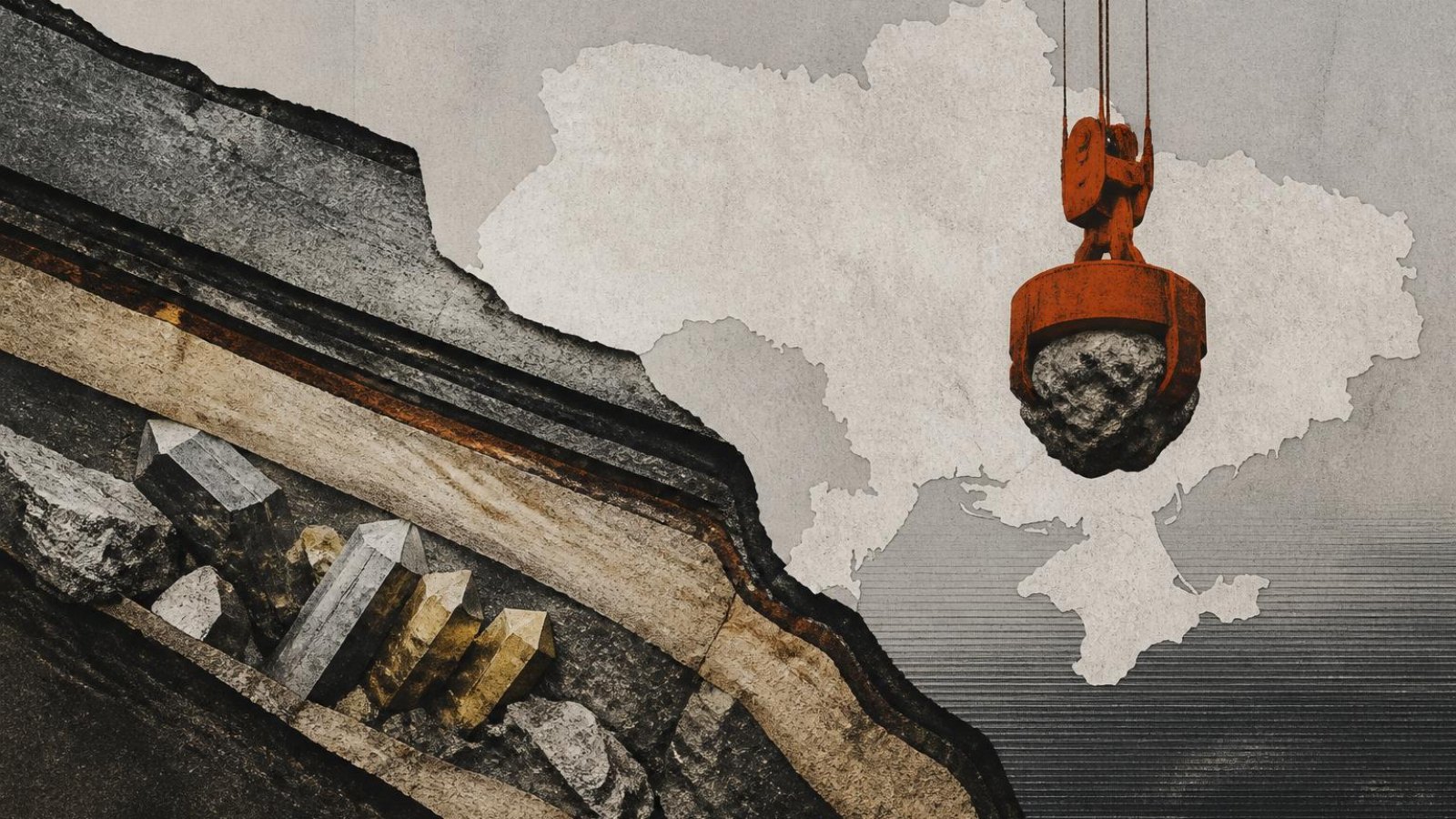
    However, the reality of Ukraine’s mining capabilities presents significant challenges. Currently, Ukraine lacks any operational rare earth mines, proven reserves, or projects in the commercial exploration stage. While some geologists have identified formations that could theoretically be exploitable, these are not expected to be more promising than similar formations worldwide. The economic viability of developing rare earth resources in Ukraine is questionable, especially given the current market conditions that favour established tier one resources in stable jurisdictions.

    The US’s potential involvement in Ukrainian rare earth projects raises further questions about the benefits for both parties. Any US investment would likely require substantial funding or tax incentives for American companies, but the Ukrainian government retains ownership of all mineral rights, complicating the economic rationale for such an arrangement. The modest royalty rates on mined minerals in Ukraine further diminish the attractiveness of this proposal.

    Moreover, the demand for rare earths in the US is relatively low compared to the broader market. With annual imports valued at around $200 million, the figures touted by Trump regarding potential deals appear exaggerated. The US military aid to Ukraine has been significant, but the prospect of a lucrative rare earth deal seems more like a political strategy than a sound economic opportunity.

    Some analysts speculate that the US may be interested in other critical minerals found in Ukraine, such as lithium. However, Ukraine’s lithium reserves are minimal compared to those of the US, and the country’s mineral sand industry, while historically significant, does not hold enough global market share to influence geopolitical dynamics. Ultimately, while a rare earth deal could serve as a diplomatic tool for Ukraine, its impact on global mineral markets is expected to be negligible.


  • MateriNex Co-Chair Tom Discusses Strategic Raw Materials and European Collaboration

    MateriNex Co-Chair Tom Discusses Strategic Raw Materials and European Collaboration

    In an insightful interview, Tom, the newly re-elected Co-Chair of the MateriNex Common Interest Group on Strategic and Critical Raw Materials, outlines his vision for the future of sustainable raw materials in Europe. He emphasises the urgent need for action over dialogue, advocating for a shift from mere discussions to tangible outcomes such as permits, plants, partnerships, and production. Tom argues that Europe must not outsource critical stages of the value chain if it seeks strategic autonomy.

    Tom envisions MateriNex as a collaborative platform where industry leaders, researchers, and policymakers can work together, breaking down silos to foster integrated projects. He highlights Flanders’ potential, citing its strong research capabilities, a robust chemical sector, and initiatives like Flanders Metals Valley as key ingredients for success. The establishment of Critical Raw Materials Hubs is a priority, aiming to create coherent industrial ecosystems that connect processing, refining, and recycling activities.

    Reflecting on his career, Tom stresses the importance of managing trade-offs in the pursuit of sustainability. He argues that the narrative of choosing between industry and the environment is misleading. Instead, he believes that critical metals are essential for cleantech and the energy transition, and that Europe must take responsibility for the entire value chain, from extraction to consumption.

    Tom identifies fragmentation as Europe’s greatest weakness, despite its wealth of scientific talent and industrial innovation. He calls for a concerted effort to connect mining, refining, manufacturing, and recycling into integrated value chains, asserting that no single entity can tackle the challenges of critical materials alone. The future lies in collaborative ecosystems rather than isolated organisations.

    He also addresses the misconception that recycling alone can meet the demands of the energy transition. While recycling is vital, it cannot replace the need for responsible mining, particularly for materials like lithium and cobalt, which are essential for technologies such as electric vehicles and wind turbines. Tom warns against complacency, urging Europe to engage in difficult conversations about sourcing materials under high environmental and social standards.

    In conclusion, Tom reflects on his experiences with the RAW MATTERS podcast, noting that discussions with various stakeholders have deepened his understanding of the complexities surrounding critical raw materials. He underscores the urgency for Europe to act decisively, likening the situation to a bus that is leaving without them if they do not engage proactively in global partnerships. The time for hesitation has passed, and the focus must now be on collaboration and action to secure a sustainable future for the mining and materials industry in Europe.


  • Transforming Critical Minerals Strategies into Viable Projects: Insights from OECD Conference

    Transforming Critical Minerals Strategies into Viable Projects: Insights from OECD Conference

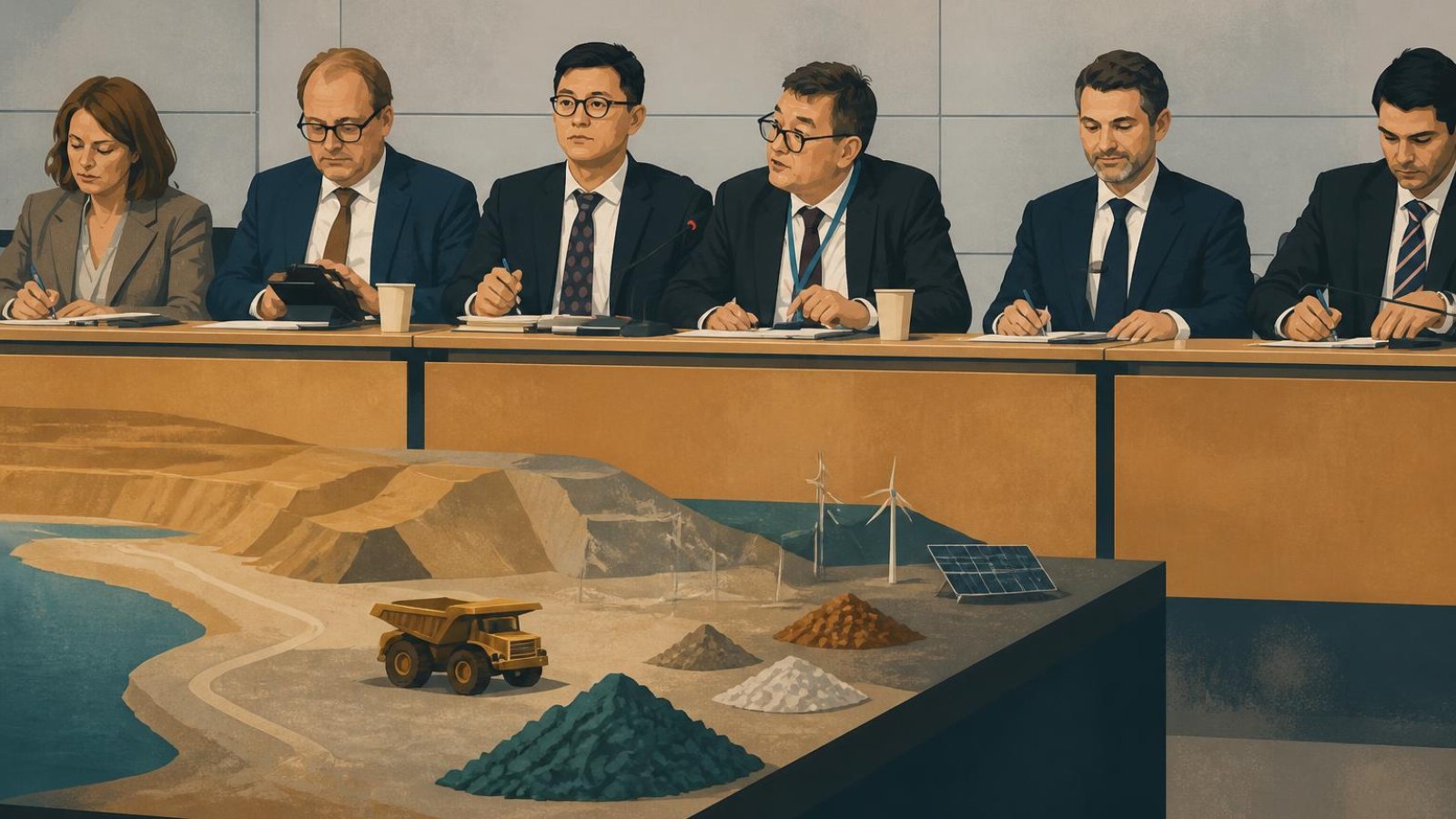
    At the OECD – OCDE Conference Centre in Paris, industry leaders gathered for a pivotal discussion hosted by Business at OECD, focusing on the transformation of critical minerals strategies into bankable projects. The dialogue highlighted a significant disconnect between the strategic importance of critical raw materials and their current market prices. This disparity arises from the fact that while supply is readily available at low costs, it is heavily concentrated among a few major players, leading to concerns about future demand not being sufficiently met.

    To address these challenges, four key conditions were identified as essential for strengthening critical minerals supply chains. Firstly, it is crucial to acknowledge sovereignty, resilience, and environmental, social, and governance (ESG) requirements as positive externalities that should influence price signals. This can be achieved through targeted capital expenditure (CAPEX) support, long-term demand commitments, and revenue-support mechanisms such as minimum price floors, volume guarantees, and public offtake agreements.

    Secondly, there is an urgent need to boost support for high-risk exploration investments. The availability of quality mineral deposits is dwindling, and exploration spending has significantly decreased from approximately $20 billion in 2012 to just $12.4 billion today. Notably, a substantial portion of this investment continues to be directed towards gold, with only a small fraction allocated to critical minerals like lithium, nickel, and rare earths.

    Thirdly, ensuring that demand aligns with supply is vital. Legislative measures such as the ‘Made in Europe’ requirements under the Industrial Accelerator Act can help strike a balance between sourcing obligations and public support, fostering a more sustainable approach to critical minerals sourcing.

    Lastly, there is a pressing need for coordinated investment from public development banks in mining-related infrastructure, which should align with broader developmental goals in host countries. This approach can create mutually beneficial outcomes for both the extraction country and the end customer, enhancing the overall resilience of critical minerals supply chains.

    The discussion concluded with a strong emphasis on the intrinsic value of sovereignty and resilience in the critical minerals sector, underscoring the importance of recognising and financing these elements to ensure a stable and sustainable supply chain for the future.


  • EBRD Provides €55 Million Loan to Assarel-Medet for Sustainable Mining Development

    EBRD Provides €55 Million Loan to Assarel-Medet for Sustainable Mining Development

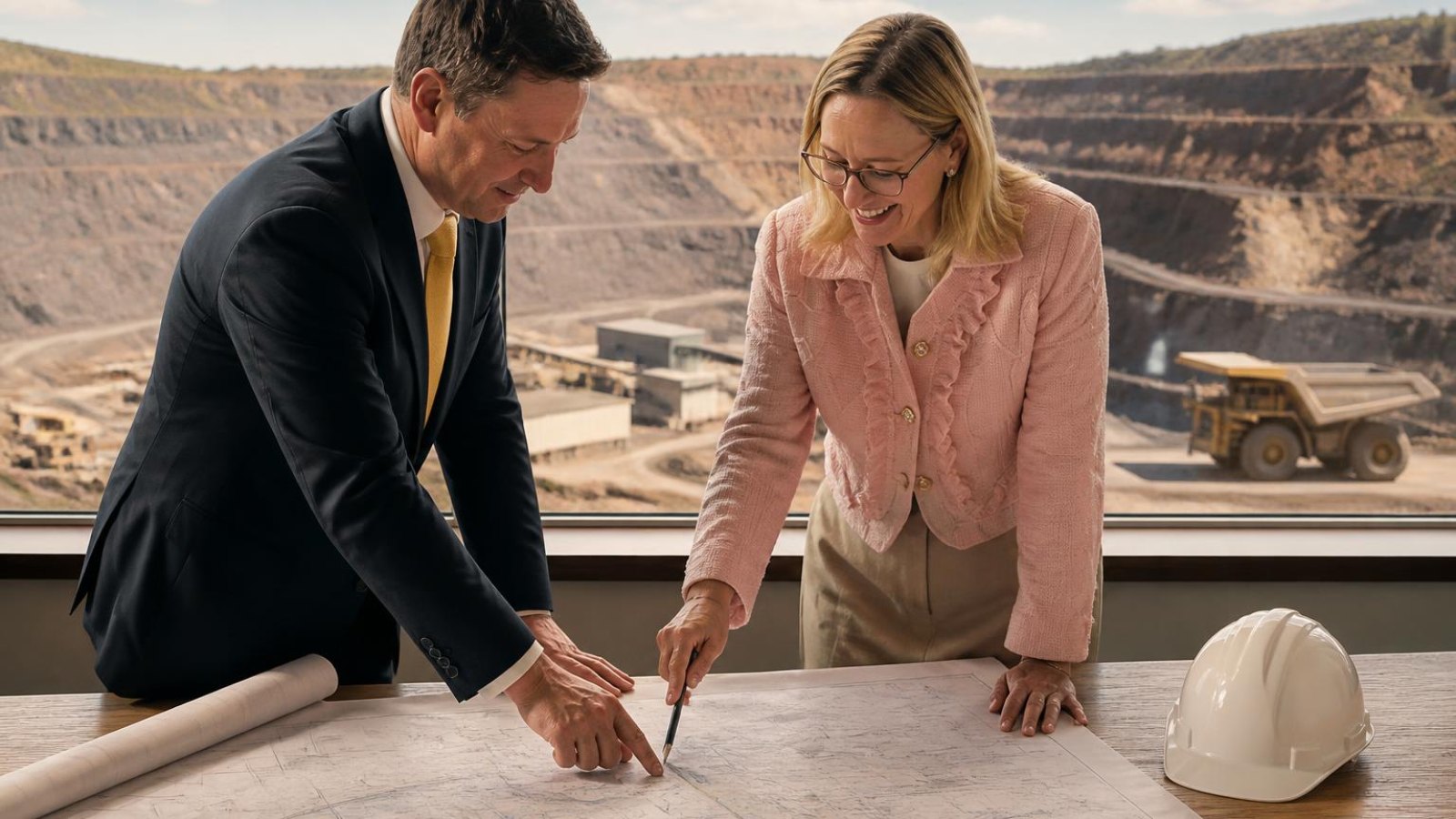
    The European Bank for Reconstruction and Development (EBRD) has announced a significant loan of up to €55 million to Assarel-Medet AD, a leading copper producer in Bulgaria, aimed at modernising and decarbonising its mining operations. The agreement was formalised in London by Jackie Powell, EBRD Managing Director for the Corporate Sector, and Dimitar Tsotsorkov, Chairman of the Company’s Supervisory Board, marking a pivotal step towards sustainable mining practices in the region.

    This partnership follows an extensive evaluation of Assarel-Medet AD, which began in late 2025, encompassing legal, technical, environmental, and social due diligence with stringent compliance standards. The EBRD highlighted that Assarel-Medet has consistently invested in modernising its operations and has demonstrated a commitment to sustainable development through the integration of renewable energy and resource efficiency.

    The funds from the EBRD will be allocated towards capital expenditures that align with the company’s long-term sustainable development programme. Key initiatives include the modernisation of production facilities, geological surveys at the Assarel mine, and investments in renewable energy production capabilities. These enhancements are anticipated to boost production efficiency while simultaneously reducing emissions associated with electricity consumption.

    The EBRD’s announcement underscored the importance of supporting low-carbon copper production, which is vital for achieving both national and European sustainability goals. Copper is recognised as a critical raw material for electrification, renewable energy infrastructure, and electric mobility, with approximately 68% of the project qualifying as green financing.

    Jackie Powell remarked that this initiative exemplifies how targeted financing can bolster the sustainable development of critical raw materials in Europe. By merging operational improvements with renewable energy integration, Assarel-Medet is enhancing its competitiveness while aligning with the objectives of the green transition.

    Dimitar Tsotsorkov expressed satisfaction with the collaboration, emphasising the importance of adhering to high environmental, social, and governance (ESG) standards as a major supplier of copper to the European industry and energy transition. He acknowledged the constructive support from the Bulgarian government and the EBRD as they strive to modernise Assarel-Medet responsibly and sustainably.

    The EBRD’s support for greener copper mining in Bulgaria marks a significant milestone in the pursuit of sustainable practices within the mining sector, reflecting a broader commitment to environmental stewardship and responsible resource management.


  • EU Considers Ban on Irish Alumina Exports to Russia Amid Dependency Concerns

    EU Considers Ban on Irish Alumina Exports to Russia Amid Dependency Concerns

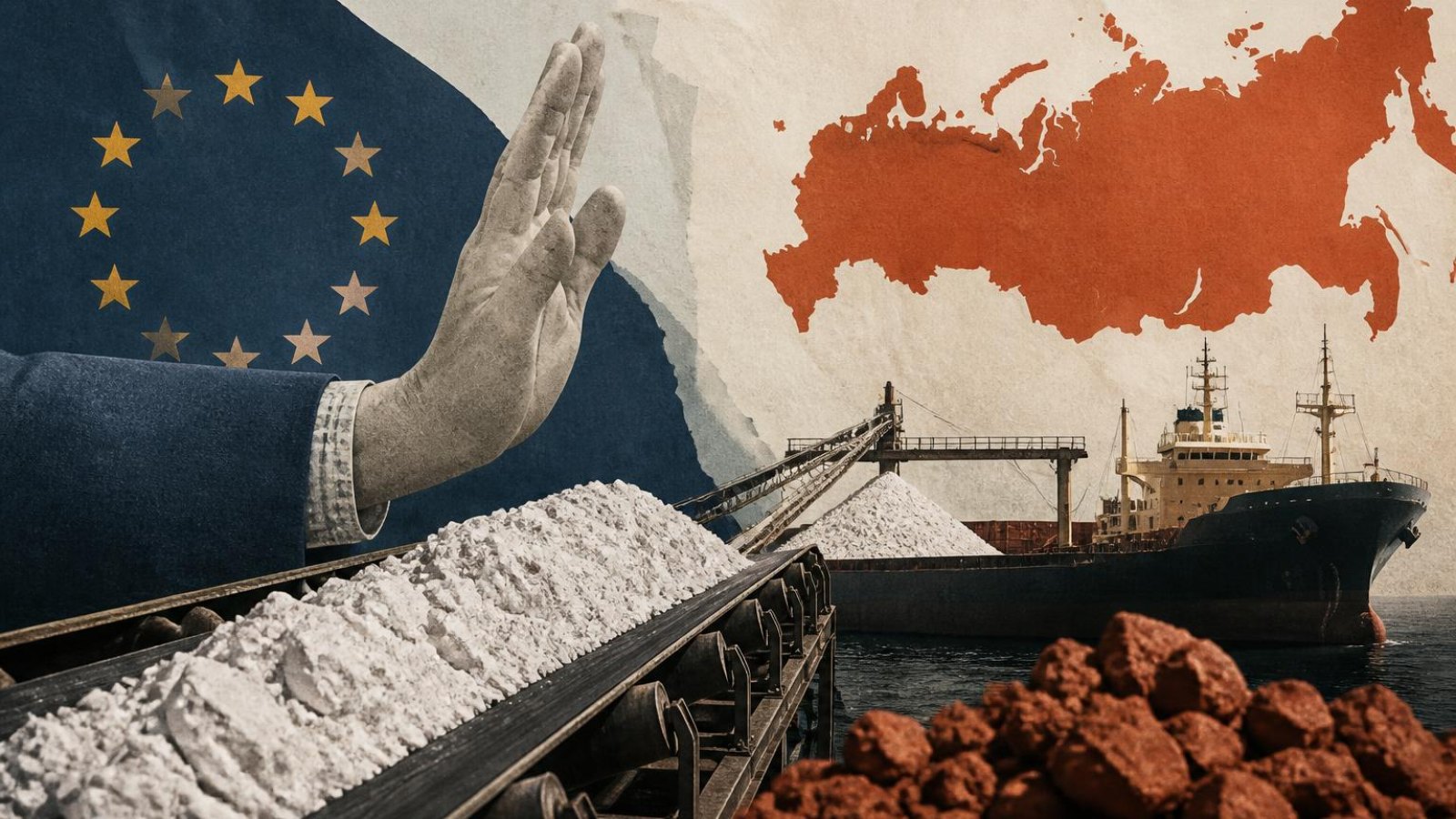
    The European Union is contemplating a ban on an Irish refinery’s alumina exports to Russia, highlighting the complex interdependencies within the aluminium supply chain. This refinery, which processes bauxite into alumina, produces nearly a third of the EU’s alumina and serves as the primary supplier for France. However, the refinery is owned by the Russian group Rusal, raising concerns about the EU’s reliance on a facility that is beyond its control.

    Rusal has faced significant production losses, particularly in 2022, when Australia ceased its alumina exports and the war in Ukraine led to the shutdown of its Ukrainian refinery. In response, the European Parliament has called for a ban on the refinery’s deliveries to Russia, which are deemed crucial for the Russian aluminium industry. Yet, the dependence on Irish alumina is not mutual; it constitutes less than 20% of Russia’s imports, while China has significantly increased its alumina exports to Russia, effectively providing an alternative source.

    The Irish refinery has warned that a ban could jeopardise its operations, as Russia accounts for half of its sales. The potential closure of the refinery would force France to seek alternative sources for alumina, which could lead to price surges similar to those experienced in 2018 when US sanctions against Rusal caused an 80% spike in alumina prices within days.

    The ongoing tug-of-war between the EU and Russia raises questions about the future of these imports. While the EU could source alumina from countries like Australia, Brazil, or Asia, this would mean sacrificing local production for imports from distant locations. Alumina has been classified as a strategic raw material by the EU, prompting a deeper inquiry into the balance between sourcing and domestic production capabilities.

    In the upcoming analysis, the article will explore why Europe has the capacity to produce sufficient alumina but struggles to meet France’s specific needs. The situation underscores the complexities of global supply chains and the strategic considerations that must be navigated in the context of geopolitical tensions.


  • Navigating Europe’s Critical Materials Challenge: Balancing Extraction, Recycling, and Demand

    Navigating Europe’s Critical Materials Challenge: Balancing Extraction, Recycling, and Demand

    As Europe grapples with its critical materials bottleneck, the competition among primary, imported, and secondary material streams is intensifying. The European Union’s Critical Raw Materials Act (CRMA) sets ambitious targets for 2030, aiming for at least 10% domestic extraction, 40% processing, and 25% recycling of strategic raw materials. However, the act lacks a clear framework for allocating scarce industrial capacity and demand support across these competing streams.

    Recent discussions at the European Parliament highlighted the challenges of meeting these targets. Arthur Poliakov, Executive Chairman of MINEX, reported on a session where experts pointed out that recycled materials cannot yet meet Europe’s needs due to insufficient stock and collection rates. The energy transition, digital infrastructure, AI, and defence sectors are all vying for the same critical materials, raising the stakes for effective allocation.

    The current European critical materials system relies on three sources: domestically mined ore, imported primary materials, and secondary materials recovered from waste. These sources do not simply compete; they require different upstream processes but converge on limited refining and qualification capabilities, as well as a finite pool of qualified buyers. The allocation of resources is determined not by a central authority but through the collective decisions of policymakers, investors, processors, and buyers.

    At a recent event, two companies illustrated the varying dynamics in this space. ACCUREC-Recycling GmbH, which focuses on recycling batteries, faces a lack of demand for its recovered materials, while Circular Materials successfully recovers strategic materials from industrial wastewater by offering treatment services that provide a steady revenue stream. This disparity underscores the need for a robust European market that can support both recycling and primary material extraction.

    The complexities of material allocation are further compounded by the specific chemistry of battery production, which dictates the urgency of securing particular materials. For instance, the demand for lithium and other metals varies significantly depending on the type of battery being produced. This highlights the importance of a strategic approach to material allocation that considers both current and future industry needs.

    As the European Commission evaluates applications for strategic projects, the balance between extraction, processing, recycling, and substitution will be crucial. A shift towards prioritising recycling and substitution in future project approvals could indicate a more deliberate approach to addressing the critical materials challenge. However, without a clear allocation logic, the risk of repeating past mistakes looms large, potentially stalling progress in securing Europe’s material needs for the future.


  • Canada’s Support for Mining: A Model for Europe’s Raw Material Strategy

    Canada’s Support for Mining: A Model for Europe’s Raw Material Strategy

    As Europe grapples with the complexities of raw material security, strategic autonomy, and resilient supply chains, Canada is setting a practical example for the mining sector. Recently, Military Metals Corp. received a CAD 100,000 exploration grant from the Government of Nova Scotia, aimed at bolstering its drilling programme at the West Gore Antimony-Gold Project. This funding not only provides financial assistance but also sends a strong political message: the Canadian government is committed to encouraging the development of critical raw materials and actively supports companies in their endeavours.

    In stark contrast, Europe often faces lengthy and convoluted permitting processes that hinder the progress of mining projects. Overlapping responsibilities and delayed decisions can cause strategically important initiatives to lose precious time, while other regions secure their deposits and processing capabilities. The situation raises concerns about Europe’s ability to establish resilient supply chains for critical raw materials.

    It is essential to note that this discussion is not about compromising environmental standards. Modern mining operations are expected to adhere to high environmental and social requirements. However, it is possible to maintain these standards while also ensuring that decisions are made swiftly and reliably.

    Canada exemplifies a proactive approach to raw materials policy, moving beyond mere strategies and position papers to establish clear priorities, cooperative authorities, and tangible support for exploration and investment. As Europe seeks to reduce its reliance on critical raw material imports, it must adopt a similar political will to facilitate responsible mining projects.

    The lessons from Canada are clear: if Europe is serious about its ambitions, it needs to streamline its processes and foster an environment that encourages investment in the mining sector. Only then can it hope to achieve true strategic autonomy in the realm of critical raw materials.