Website: Europe.com

  • US Department of Defense Invests $450 Million in Domestic Tungsten Supply Chain

    US Department of Defense Invests $450 Million in Domestic Tungsten Supply Chain

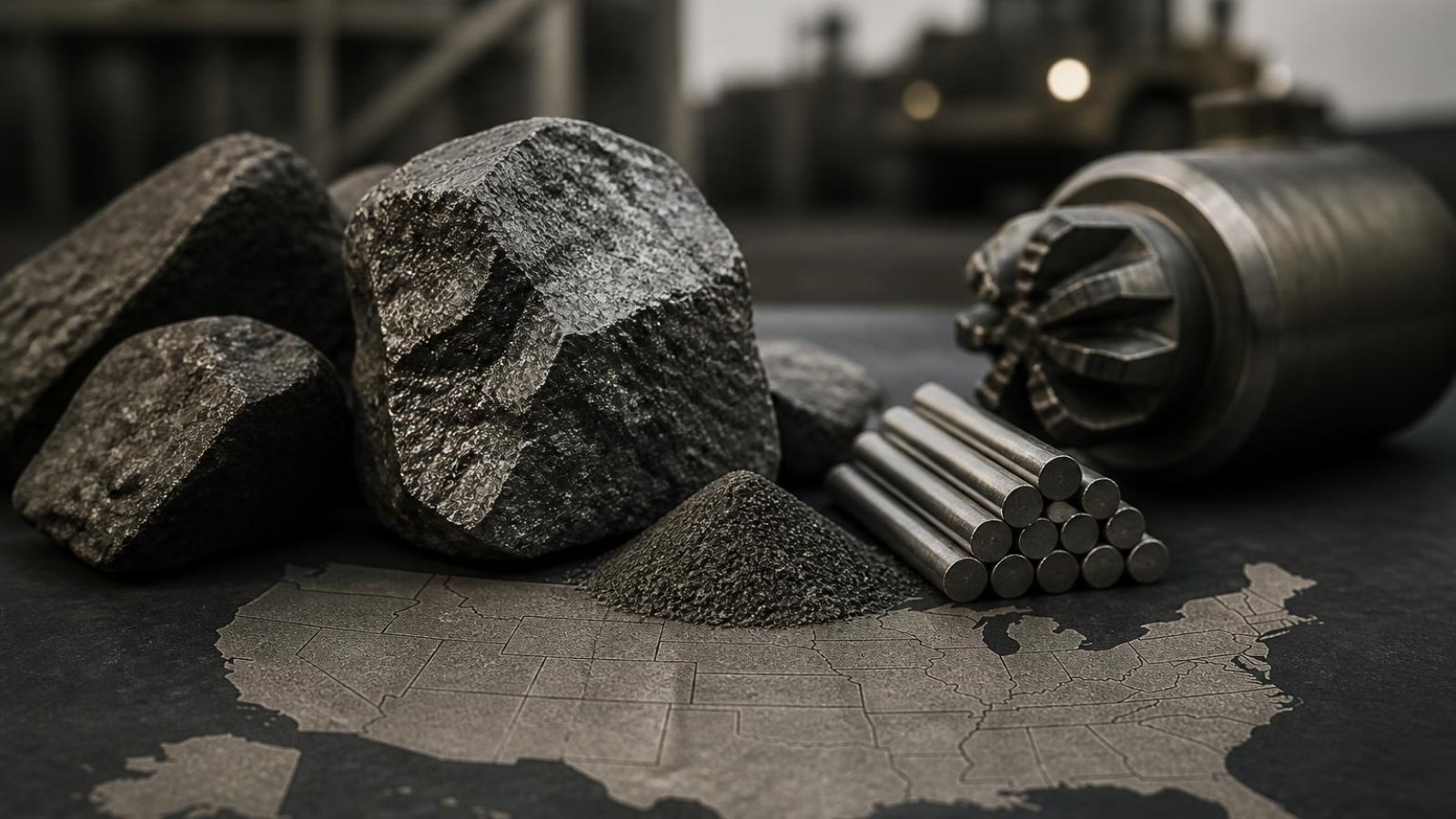
    In a significant move to bolster its domestic supply chains, the U.S. Department of Defense has announced a $450 million investment aimed at enhancing the tungsten supply chain. This funding will be directed towards the Elmet Group, the only fully integrated U.S. manufacturer of tungsten and molybdenum materials and components. Unlike traditional grants, this investment will take the form of redeemable preferred equity, allowing the government to acquire an equity stake in the company, which can later be repurchased by Elmet.

    The Elmet Group plans to utilise this funding to expand its production facilities within the United States and to enhance its processing capacity for ammonium paratungstate (APT), a crucial intermediate product in tungsten processing. Additionally, the company aims to secure more raw material sources from both the U.S. and allied nations, thereby reducing dependence on foreign suppliers, particularly China, which dominates the global market for these critical materials.

    Tungsten is a vital technology metal with numerous applications, especially in military technology. It is used in advanced armor and armor-piercing ammunition, while molybdenum is essential in the production of steel alloys. This investment reflects the Pentagon’s commitment to ensuring a stable and secure supply of these materials, which are critical for national defence.

    In related news, commercial production of rare earth magnets has commenced in Estonia, marking another step forward in the global supply chain for critical minerals. As countries strive to reduce their reliance on China for these materials, developments in both the U.S. and Europe highlight the growing importance of securing domestic production capabilities in the face of geopolitical uncertainties. The week’s key developments underscore a broader trend towards strengthening supply chains for essential materials in the mining and technology sectors.

  • Can Europe decarbonise without Chinese cleantech? Victor van Hoorn, Hosts: Jones/Destresse S2:E1

    Can Europe decarbonise without Chinese cleantech? Victor van Hoorn, Hosts: Jones/Destresse S2:E1

    In the inaugural episode of Season 2 of the RAW MATTERS podcast, hosts Peter Tom Jones and Agathe Destresse engage with Victor van Hoorn, Director of Cleantech for Europe, to explore the pressing challenges facing Europe’s clean technology sector. The episode poses a critical question: Can Europe effectively decarbonise without relying heavily on Chinese imports of electric vehicles (EVs), batteries, and solar panels? This inquiry is particularly relevant as Europe grapples with the implications of depending on external sources for its green transition.

    The discussion delves into the current state of Europe’s cleantech industry, questioning whether it is thriving or merely surviving amidst fierce global competition. The hosts and van Hoorn examine how China has established its dominance in key areas such as batteries, solar photovoltaic (PV) technology, wind power, and advanced manufacturing. This dominance raises concerns about Europe’s ability to maintain its industrial base, job security, and innovation capacity.

    A significant focus of the episode is the role of critical minerals, which are often overlooked yet are essential for the climate transition. The conversation highlights the importance of securing a stable supply of these minerals, including lithium and rare earth elements, which are vital for the production of batteries and other clean technologies. The hosts stress that without these resources, Europe risks jeopardising its cleantech ambitions and overall climate goals.

    As the podcast progresses, the discussion shifts to the potential consequences of Europe’s reliance on imported cleantech. The hosts pose a stark choice for the continent: to become a technology maker, developing its own capabilities and resources, or to remain a technology taker, dependent on external suppliers. This decision will have profound implications for Europe’s economic resilience and its ability to achieve climate neutrality by 2030.

    In summary, the episode serves as a wake-up call for European policymakers and industry leaders, urging them to take decisive action to secure the necessary resources and develop a robust domestic cleantech industry. The overarching message is clear: without a strategic focus on critical minerals and technological independence, Europe’s green transition may falter, leaving the continent vulnerable in the global clean technology landscape.

    Episode 1 now also on Spotify


  • Gemdale Gold Reports Significant Drill Results from Pontio Gold Project in Finland

    Gemdale Gold Reports Significant Drill Results from Pontio Gold Project in Finland

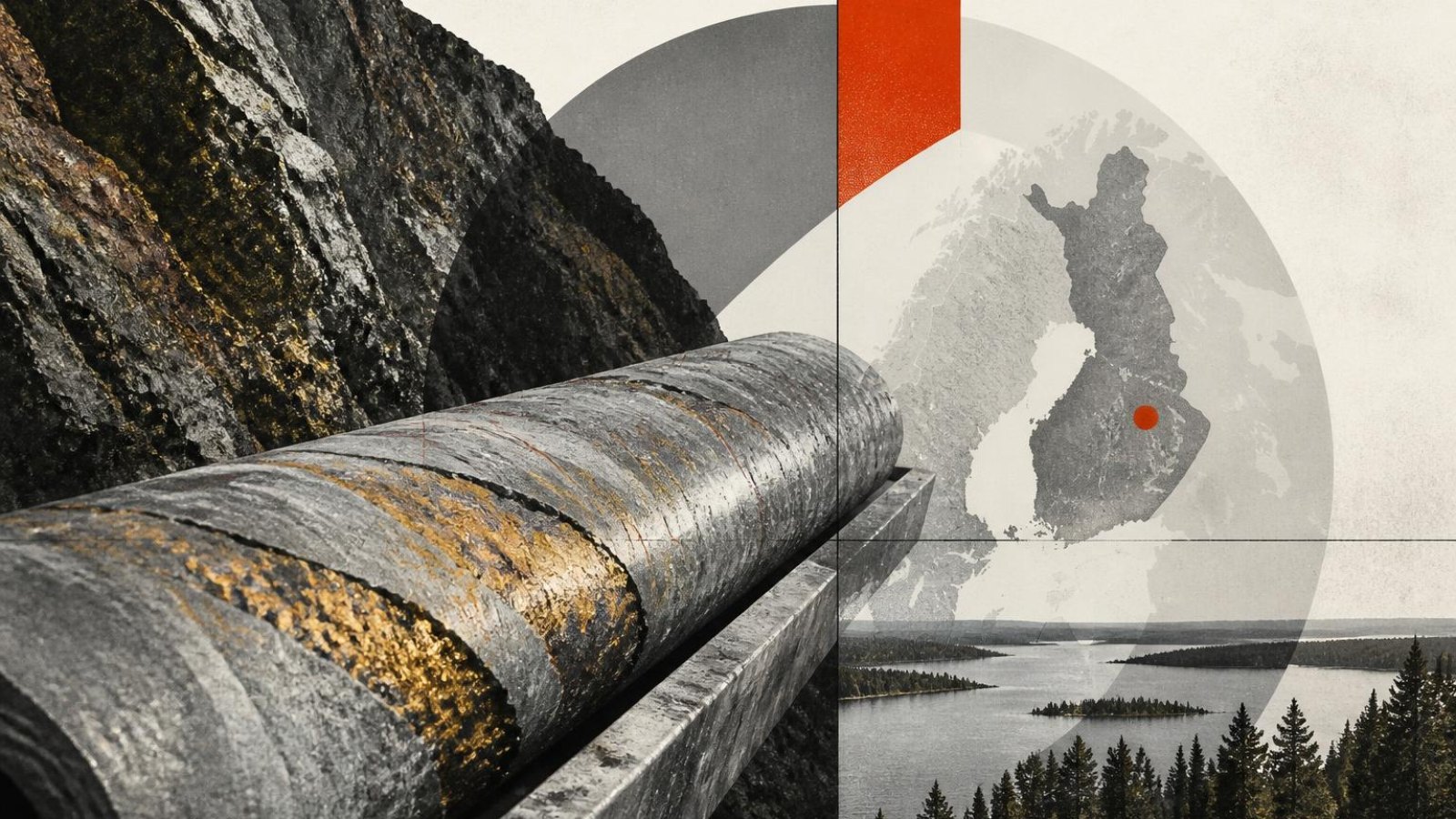
    Gemdale Gold Inc. has announced promising final drill results from the Phase 1 2026 drill programme at its wholly-owned Pontio Gold Project located in western Finland. The results, which come from the final five holes of a comprehensive 5,009-metre drilling campaign, indicate wide zones of gold mineralisation, particularly in the southern S1 Sector of the M2 Trend. Notable intersections include 60.85 metres at 0.80 g/t Au and 47.16 metres at 0.82 g/t Au, showcasing the potential for bulk tonnage gold extraction. The drilling has confirmed the continuity of mineralisation along a 4-kilometre strike length, with the deposit remaining open at depth.

    Toby Strauss, President and CEO of Gemdale, expressed optimism regarding the results, stating that they have exceeded expectations in both grade and width. The company is now advancing into Phase 2 of its drilling programme, focusing on refining the drill spacing in preparation for a maiden Mineral Resource Estimate targeted for early 2027. The ongoing metallurgical testwork is also expected to yield results later in Q4 2026, further supporting resource studies.

    The Pontio Gold Project is situated in a historically rich mining district with excellent infrastructure, including roads, power, and rail access. Despite the area’s long history of base metals mining, gold exploration has only recently begun to gain traction, with the Pontio deposit itself being discovered in 2011. The mineralisation is primarily hosted in dioritic porphyries, with the potential for significant gold resources still to be explored along the M2 Trend.

    Gemdale Gold is committed to advancing its exploration efforts in Finland, with plans to define the scale and quality of this gold discovery in the coming months. The company believes that the combination of strong drilling results and a well-defined resource definition programme positions it favourably for future growth in the gold sector.


  • EU Faces Funding Challenges for Strategic Raw Material Projects

    EU Faces Funding Challenges for Strategic Raw Material Projects

    In March 2025, the European Union (EU) released a list of 47 projects deemed strategic for the Union’s raw material supply. However, financing remains the primary hurdle for most of these initiatives, particularly in securing capital for the exploration of new deposits and processing projects. According to the European Investment Bank (EIB), to achieve its goal of increasing critical raw material production within the Union by 2030, annual exploration spending in the EU must be tenfold.

    A report published in July 2026 by the EIB concluded that approximately €2 billion annually needs to be invested in exploring new raw material deposits. This investment is essential to meet the targets set by the Critical Raw Materials Act (CRMA), which aims for domestic production to cover 10% of the EU’s demand for critical materials. Between 2015 and 2024, average exploration expenditures in the EU were only around €200 million per year, indicating a significant need for increased funding.

    High risks associated with exploration deter investors. The European Court of Auditors, in a special report from April 2026, echoed similar concerns regarding financing challenges in the exploration and mining sector within the EU. The complexities arise from high upfront costs and a low probability of success; estimates suggest that only one in 1,000 targeted exploration projects leads to a successful mining operation. Consequently, many financial institutions avoid this early and highly uncertain project phase. Additionally, the Court highlighted environmental regulations, energy prices, and fluctuations in raw material prices as factors impacting mining projects.

    The severity of the financing issue was underscored by a report from Reuters on September 8, 2026, which revealed that 23 out of the 60 strategic projects (both within and outside the EU) issued an ‘Urgent Call to Action’ to the Commission in August 2026. Project leaders warned of financial difficulties and expressed concerns that progress in securing funding, market access, and permits was too slow. This warning is particularly significant given that these projects were selected for their strategic importance to Europe’s raw material supply.

    The financing challenges were already acknowledged during the CRMA’s adoption. Article 15 of the CRMA mandates the European Commission to take measures to accelerate private investments in strategic projects and mobilise additional capital. Article 16 further outlines the coordination of financing and identifies funding opportunities through the EIB group.

    In December 2025, the Commission addressed this issue with the RESourceEU Action Plan, which allows the EIB to support strategic projects with up to €2 billion per year. However, as the EU prepares for a second round of new strategic projects, the challenge remains to secure sufficient capital for these initiatives. Despite the establishment of EU financing instruments, the ‘Urgent Call to Action’ indicates that funding problems persist.


  • Uzbekistan Aims to Retain Profits from Central Asia’s Critical Metals Amid Growing EU Interest

    Uzbekistan Aims to Retain Profits from Central Asia’s Critical Metals Amid Growing EU Interest

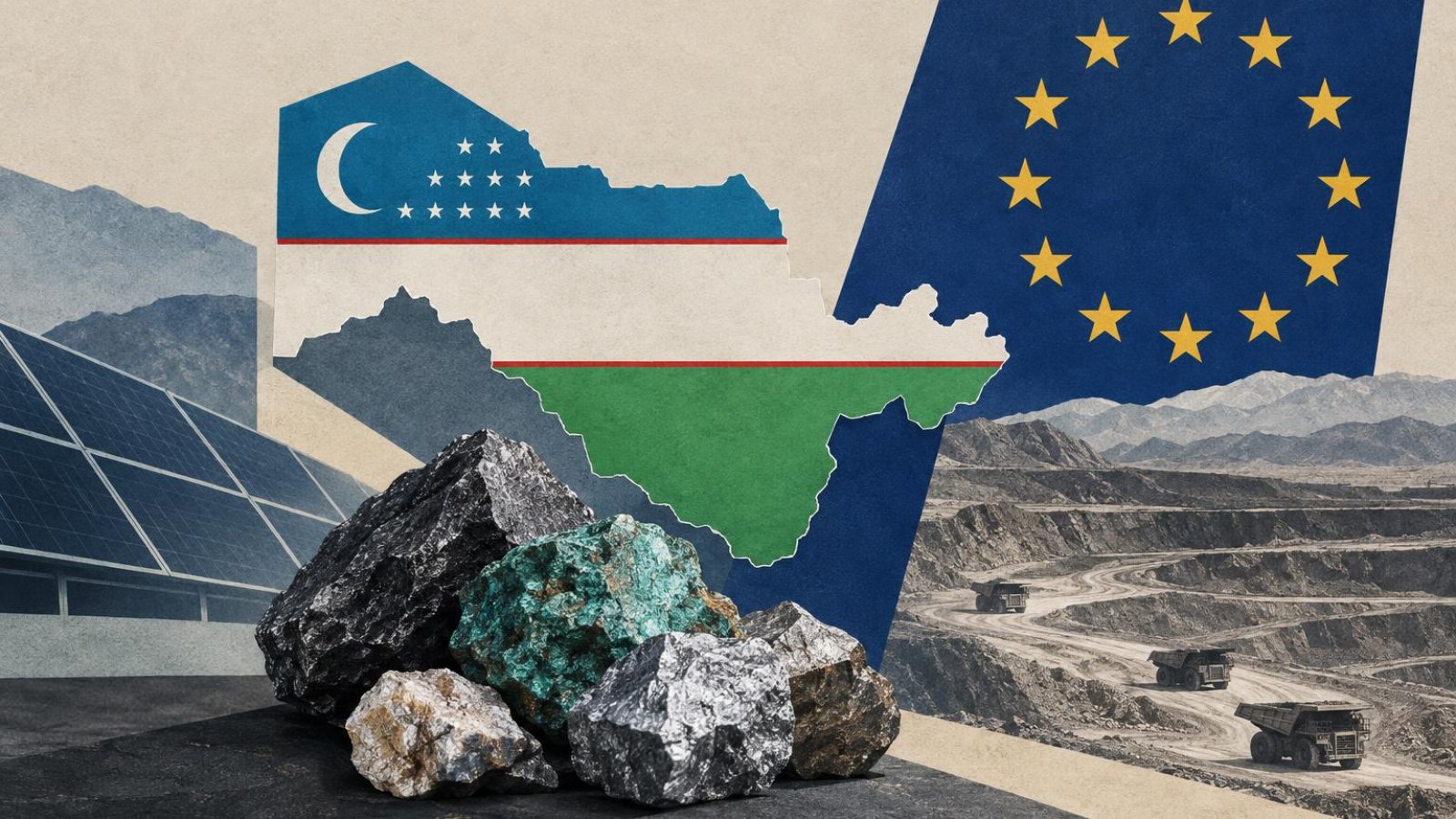
    The European Union is intensifying its interest in the critical metals and minerals of Central Asia, viewing the region as a potential source of raw materials essential for its digital and green transformation. This interest is not solely focused on access to mineral deposits but also on establishing new production chains that encompass exploration, extraction, processing, and the production of high-value-added products. According to Shahnoza Kodirova, head of the Department at the Institute for Strategic and Interregional Studies under the President of Uzbekistan, the EU’s interest stems from a desire to diversify supply sources and reduce dependence on a limited number of providers.

    For the European economy, this issue transcends trade; it is about the long-term sustainability of its industries. Critical minerals are vital for the development of digital technologies, energy, electric transport, and other sectors of the green economy. In this context, Central Asia is gaining new significance for Europe—not just as a source of mineral raw materials, but as a potential site for deep processing and the production of high-value-added goods.

    The growing importance of critical mineral resources is also reflected in political agendas. Cooperation in this area is increasingly discussed at summits between the EU and Central Asia, as well as within the framework of the European initiative Global Gateway. Concurrently, political agreements are gradually transitioning into concrete investment projects. Notable examples include investments by the German company HMS Bergbau AG in lithium exploration in Kazakhstan and a partnership between the French company Orano and Uzbekistan’s state enterprise Navoiuran for uranium extraction.

    European involvement in the region extends beyond mere extraction of minerals. Cooperation encompasses industrial, energy, and transport infrastructure, which are essential for forming complete production chains. For instance, German banks have allocated €146 million for a copper smelting plant project at the Almalyk Mining and Metallurgical Complex. The EU is also assisting in the modernization of energy and transport infrastructure in Kyrgyzstan and Tajikistan.

    Uzbekistan’s challenge lies in ensuring that it does not remain merely a supplier of ore and concentrates but gradually transforms into a producer of products necessary for the global high-tech industry. To achieve this, the country is developing a production chain that covers the entire cycle—from exploration and extraction to processing and the release of finished products. Research centres and scientific parks are being established, aimed at implementing new technologies, fostering innovation, and strengthening the connection between science and industry.

    Essentially, this represents an attempt to alter the economic logic of the raw materials sector: rather than just extracting resources and exporting them, the focus is on maximising the value of products within the country. This approach could provide Uzbekistan with a more advantageous position amid the growing competition for critical minerals. If the country successfully builds a complete production cycle, it could not only benefit from extraction revenues but also capture a larger share of the value created during subsequent stages—processing, production of materials, components, and finished products.


  • Tungsten West’s Hemerdon Mine Begins Production, Strengthening UK’s Critical Mineral Supply Chain

    Tungsten West’s Hemerdon Mine Begins Production, Strengthening UK’s Critical Mineral Supply Chain

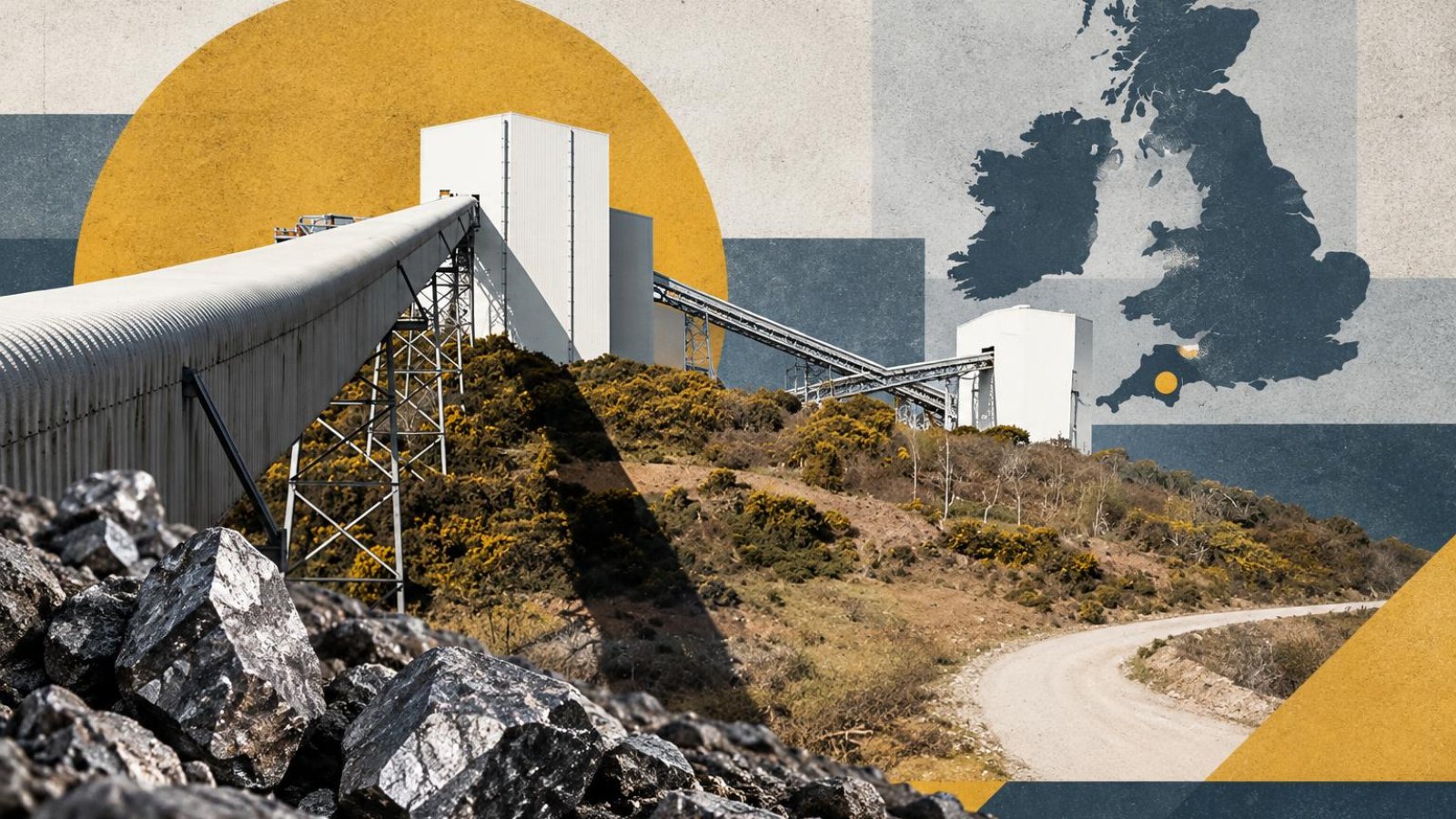
    Tungsten West plc (LON:TUN), the owner and operator of the Hemerdon tungsten and tin mine located in Devon, UK, has officially announced the commencement of production at Hemerdon, with ore now being processed through the plant. This significant milestone marks the beginning of the next phase of operational ramp-up for the company. The announcement was highlighted during a visit by Oliver Holbourn, Chief Executive Officer of the National Wealth Fund, underscoring the strategic importance of Hemerdon in developing secure supply chains for critical minerals within the UK and Western markets.

    Hemerdon is recognised as one of the largest known tungsten deposits globally, serving as a vital domestic source of tungsten, a mineral that plays a crucial role across various industries, including aerospace, clean energy, semiconductor manufacturing, automotive, defence, and industrial applications. With the processing phase now underway, Tungsten West aims to progressively ramp up operations towards achieving steady-state production levels.

    Jeffery Court, the Chief Executive Officer of Tungsten West, expressed that the initiation of production at Hemerdon is a landmark achievement for the company, reflecting the extensive efforts made by their team and partners to reinstate this strategically significant mine. He noted that as global focus intensifies on the security of critical mineral supplies, Hemerdon is poised to become one of the most important sources of tungsten in the Western world. The company is now dedicated to safely increasing operations and establishing Hemerdon as a reliable, long-term supplier of tungsten concentrate to both the UK and its international partners.

    Oliver Holbourn, representing the National Wealth Fund, commented on the swift progress made since their investment, highlighting that the first tungsten ore is already being processed at the site. He emphasised the goal of unlocking this strategic asset for the UK, ensuring a domestic supply of tungsten for local industries, and creating job opportunities for surrounding communities. The recent developments at Hemerdon signify the initial steps towards achieving this ambition.

    Emma Reynolds, Chief Secretary to the Treasury, praised Tungsten West as a success story for Devon, aligning with the government’s vision to stimulate growth across the UK. She noted that less than two weeks after announcing a £71 million investment from the National Wealth Fund to restart operations, the Hemerdon mine is already contributing to job creation, productivity enhancement, and economic growth in the South West region.


  • ArcelorMittal Kryvyi Rih Hit by Missile Strike, Halting Steel Production

    ArcelorMittal Kryvyi Rih Hit by Missile Strike, Halting Steel Production

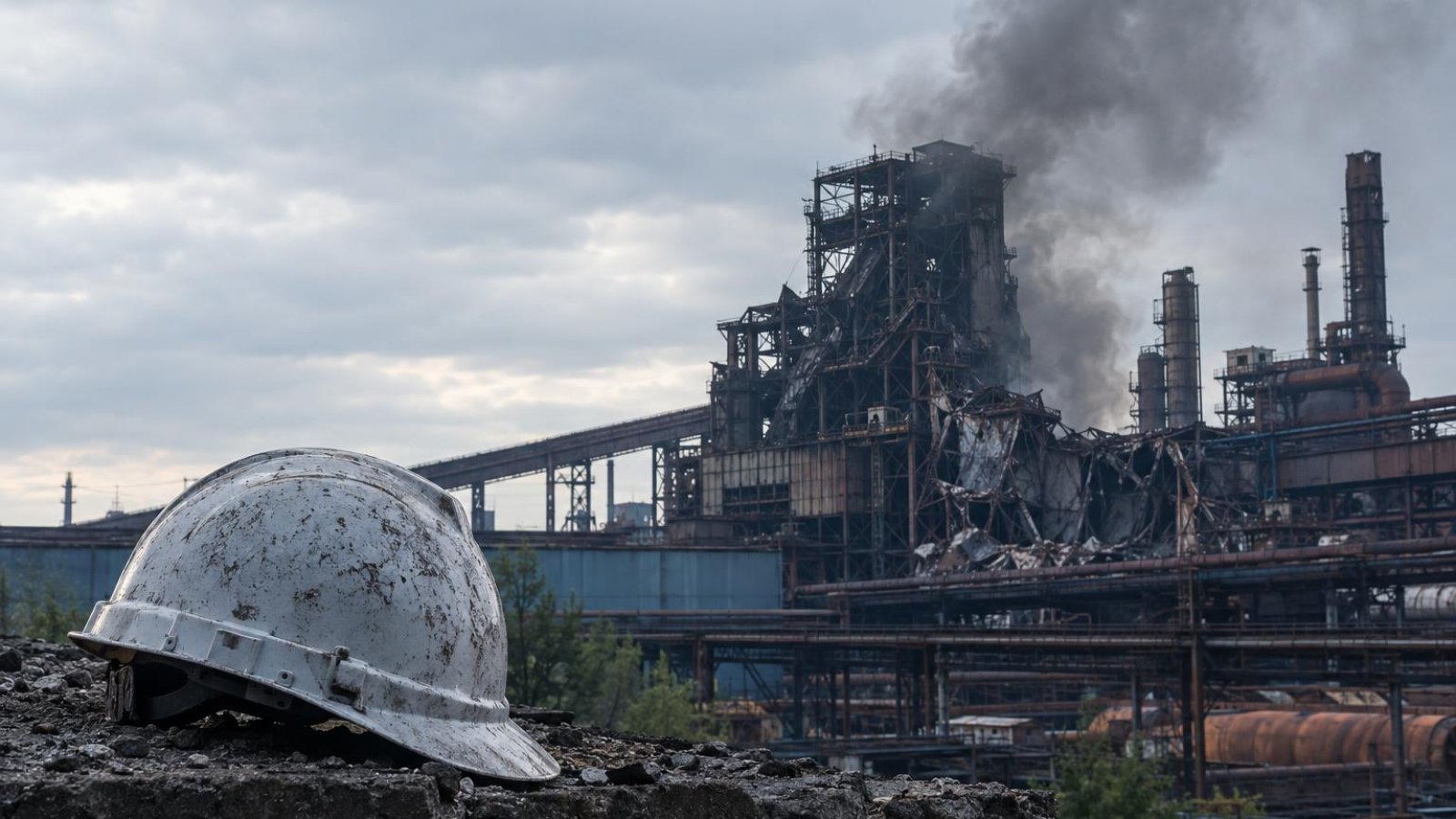
    ArcelorMittal has reported a significant setback at its Ukrainian steel operation, ArcelorMittal Kryvyi Rih, following a ballistic missile strike that targeted the ironmaking complex #1. The attack resulted in the tragic loss of two contractors’ lives and left two employees injured, who are currently receiving medical treatment. In response to this incident, the company is prioritising support for the affected families and employees, highlighting its commitment to the well-being of its workforce during these challenging times.

    As a direct consequence of the missile strike, primary steel production at the plant has been halted, with ongoing repairs taking precedence. Other facilities within the complex have either been idled or are operating at minimal levels, further impacting the company’s output. This incident marks the second missile strike on the site in just five weeks, underscoring the precarious situation faced by the operation amid ongoing conflict in the region.

    Specialists are currently assessing the extent of the damage, but it remains too early to determine the timeline for repairs and the resumption of full production capabilities. The broader context of ArcelorMittal’s operations reveals that in 2025, the company generated revenues of $61.4 billion and produced 55.6 million metric tonnes of crude steel and 48.8 million tonnes of iron ore globally. The ongoing disruptions at the Kryvyi Rih facility could have significant implications for the company’s overall production and revenue, given its substantial contribution to these figures.

    As the situation develops, the mining and steel industries will be closely monitoring the impact of such strikes on production capabilities and the safety of personnel in conflict-affected areas. ArcelorMittal’s response to this incident will be critical in determining not only the future of its operations in Ukraine but also the broader implications for the steel market in the region.


  • Neo Performance Materials Commences Commercial Production of Rare Earth Magnets in Estonia

    Neo Performance Materials Commences Commercial Production of Rare Earth Magnets in Estonia

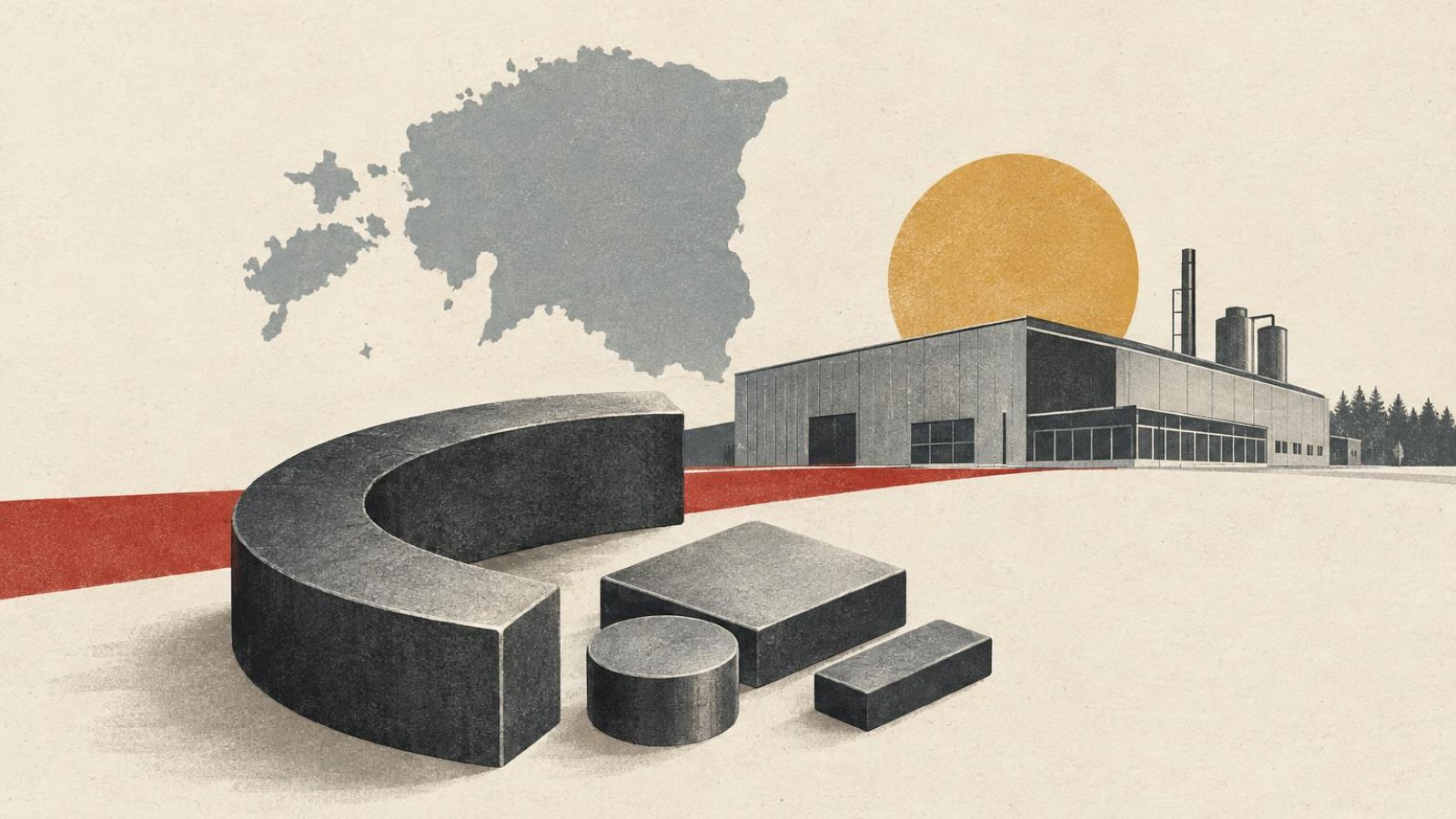
    Neo Performance Materials, a company listed on the Australian Securities Exchange, has officially commenced commercial production at its new permanent magnet manufacturing facility located in Estonia. This significant milestone includes the shipment of the first volumes of rare earth sintered magnets to a customer involved in electric vehicle traction motors. The launch of this facility marks a pivotal transition for Neo, moving from the development and sampling phase through to full automotive qualification and now into commercial production for its initial magnet programmes.

    The company has secured multiple magnet programmes from three Tier 1 motor manufacturers, focusing on traction motor applications, which are recognised as the most technically demanding category of permanent magnets. This achievement not only highlights Neo’s capabilities in advanced manufacturing but also positions the company to benefit from the growing demand for electric vehicles, which rely heavily on high-performance magnets.

    Looking ahead, Neo anticipates that two to three additional magnet programmes will enter commercial production before the end of the current year. Automotive magnet programmes are typically awarded for the lifespan of the vehicle platform they support, providing Neo with multi-year volume visibility once a programme is secured.

    The Estonian facility’s Phase 1A has a nameplate capacity of 2,000 tonnes per year (t/y), with plans for Phase 1B to expand this capacity to approximately 5,000 t/y. Currently, the expansion is in the design phase, involving detailed engineering, advanced equipment procurement, supply chain planning, and facility layout.

    In the long term, Neo’s roadmap for magnet production aims for an annual output of 20,000 t, which the company estimates could account for between 10% and 15% of the projected global rare earth permanent magnet market outside of China. This ambitious target underscores Neo’s commitment to expanding its footprint in the critical minerals sector, particularly as the demand for rare earth elements continues to rise in the context of the global transition to renewable energy and electric mobility.


  • EU Proposes Critical Raw Materials Corporation to Enhance Resource Security

    EU Proposes Critical Raw Materials Corporation to Enhance Resource Security

    In her recent State of the European Union address, President Ursula von der Leyen unveiled plans for a European Critical Raw Materials Corporation aimed at securing and stockpiling essential materials for clean technologies, batteries, chips, and defence applications. This initiative signifies a potential shift in the EU’s approach, moving from merely establishing market regulations to actively participating in the market as a key player. However, the announcement has prompted critical questions regarding the Corporation’s specific functions, including whether it will focus on pooling purchasing, managing stockpiles, financing projects, or initiating new ventures. Furthermore, the governance of the Corporation’s decisions remains unclear, raising concerns about accountability and oversight.

    As the EU increases its involvement in raw material supply chains, it must also accept greater responsibility for the associated impacts. The mandate of the Corporation should prioritise rigorous due diligence, public transparency, and comprehensive assessments of human rights and environmental standards. It is imperative that the rights of Indigenous Peoples and local communities are respected, with free, prior, and informed consent integrated into the Corporation’s operations from the outset.

    The address also highlighted a strengthened partnership with Canada, proposing an ‘EU associate membership’ that would enhance cooperation on critical minerals, artificial intelligence, technology, and battery production. This builds on the existing EU–Canada Strategic Partnership on Raw Materials, established in 2021. The collaboration should not merely facilitate quicker access to resources but should also position both the EU and Canada as leaders in establishing benchmarks for Indigenous rights, credible environmental assessments, traceability, circularity, local value creation, and democratic oversight.

    The broader context of the address illustrated a Europe increasingly focused on security, competitiveness, and resilience. While these concerns are valid, the pursuit of resource security must not come at the expense of weakening protections for people and the environment. The European Commission’s ongoing emphasis on ‘simplification’ and the omnibus process raises alarms, as it risks deregulating essential permitting, participation, and environmental safeguards in the name of expediency. True resilience cannot be achieved by undermining the very protections that prevent social conflict, ecological damage, and costly errors.

    Moreover, the speech lacked clarity on pressing issues, particularly regarding international law and the situation in Gaza. Diplomatic language is insufficient; Europe must take decisive action to uphold international law, protect civilians, and ensure accountability. The address also presented a stronger diagnosis of the climate crisis than actionable solutions. Europe requires a concrete plan to reduce energy and material demand, accelerate the transition to renewable energy and infrastructure, and ensure that the transition is equitable for workers and households.

    Ultimately, Europe’s strength should be gauged by its ability to build resilience while upholding human rights, environmental limits, and democratic principles both domestically and throughout its supply chains.


  • Uzbekistan and Germany Strengthen Mining Cooperation

    Uzbekistan and Germany Strengthen Mining Cooperation

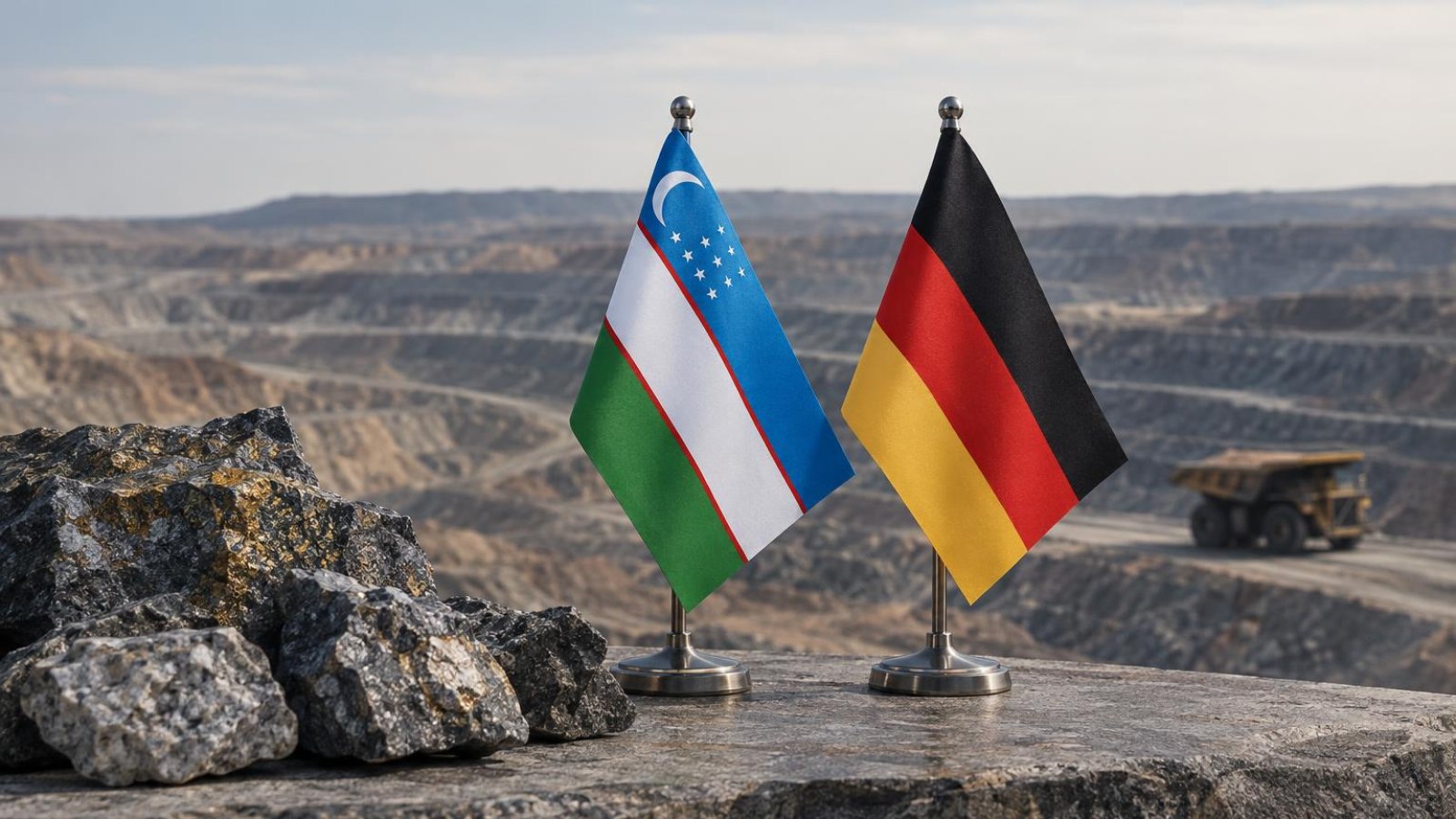
    On 9 September, Uzbekistan’s Minister of Mining Industry and Geology, B. Islamov, hosted a meeting with a German delegation led by Klaus Mangold, Chairman of Mangold Consulting GmbH, in Tashkent. The discussions focused on enhancing cooperation in the mining sector, particularly regarding Uzbekistan’s vast mineral resources. Officials from the Uzbek Metallurgical and Technological Metals Plant provided insights into the plant’s operations, current production capabilities, and ongoing efforts to develop and process strategic mineral resources.

    The meeting also featured a presentation from representatives of Mercedes-Benz AG, who delivered a report titled ‘Uzbek-German Raw Materials Dialogue.’ This report outlined the potential for industrial collaboration between Uzbekistan and Germany, highlighting the mineral and raw material potential of Uzbekistan and the opportunities for joint projects. The dialogue underscored the importance of technological advancements and investment cooperation between the two nations.

    Both parties expressed a commitment to further develop their partnership in mining and strategic raw materials. They agreed to explore promising areas for collaboration and to maintain an ongoing dialogue to facilitate the implementation of joint initiatives. This meeting marks a significant step towards strengthening ties between the two countries in the mining sector, with a focus on leveraging Uzbekistan’s rich mineral resources for mutual benefit.